Abu Simbel, in southern Egypt near the border with Sudan, is one of the most awe-inspiring archaeological sites of the ancient world. Built during the reign of Pharaoh Ramses II in the 13th century BCE, the twin temples were carved directly into the sandstone cliffs overlooking the Nile. The Great Temple, with its four colossal statues of Ramses II seated at the entrance, was designed not only to honor the pharaoh but also to project his power to neighboring Nubia.
Cradle Mountain, located within the Tasmanian Wilderness World Heritage Area, is one of Australia's most distinctive landscapes. Towering over Dove Lake, the craggy peak rises to 1,545 meters and is often dusted with snow, even in spring. The mountain and surrounding area are part of Cradle Mountain–Lake St Clair National Park, which was established in 1922 and has since become a cornerstone of Tasmania’s protected wildlands.
Thimphu, the capital of Bhutan, is a city where tradition and modern life meet in unexpected ways. Streets are lined with traditional Bhutanese architecture, colorful prayer flags, and shops selling handicrafts, while government offices and modern facilities operate alongside centuries-old temples.
Nestled on the southern shores of its namesake lake, Wanaka is a charming resort town in New Zealand's South Island that offers a captivating blend of adventure, relaxation, and stunning natural beauty. Surrounded by snow-capped mountains and crystal-clear waters, Wanaka is an ideal destination for outdoor enthusiasts.
Nestled along Croatia’s stunning Dalmatian Coast, Trogir is a UNESCO World Heritage Site that offers an enchanting blend of history, architecture, and Mediterranean charm. Founded by Greek settlers in the 3rd century BC and later shaped by Roman, Venetian, and Croatian influences, Trogir’s Old Town is a labyrinth of narrow cobblestone streets, captivating medieval architecture, and vibrant piazzas. At its heart stands the Cathedral of St. Lawrence, a masterpiece of Romanesque and Gothic design w
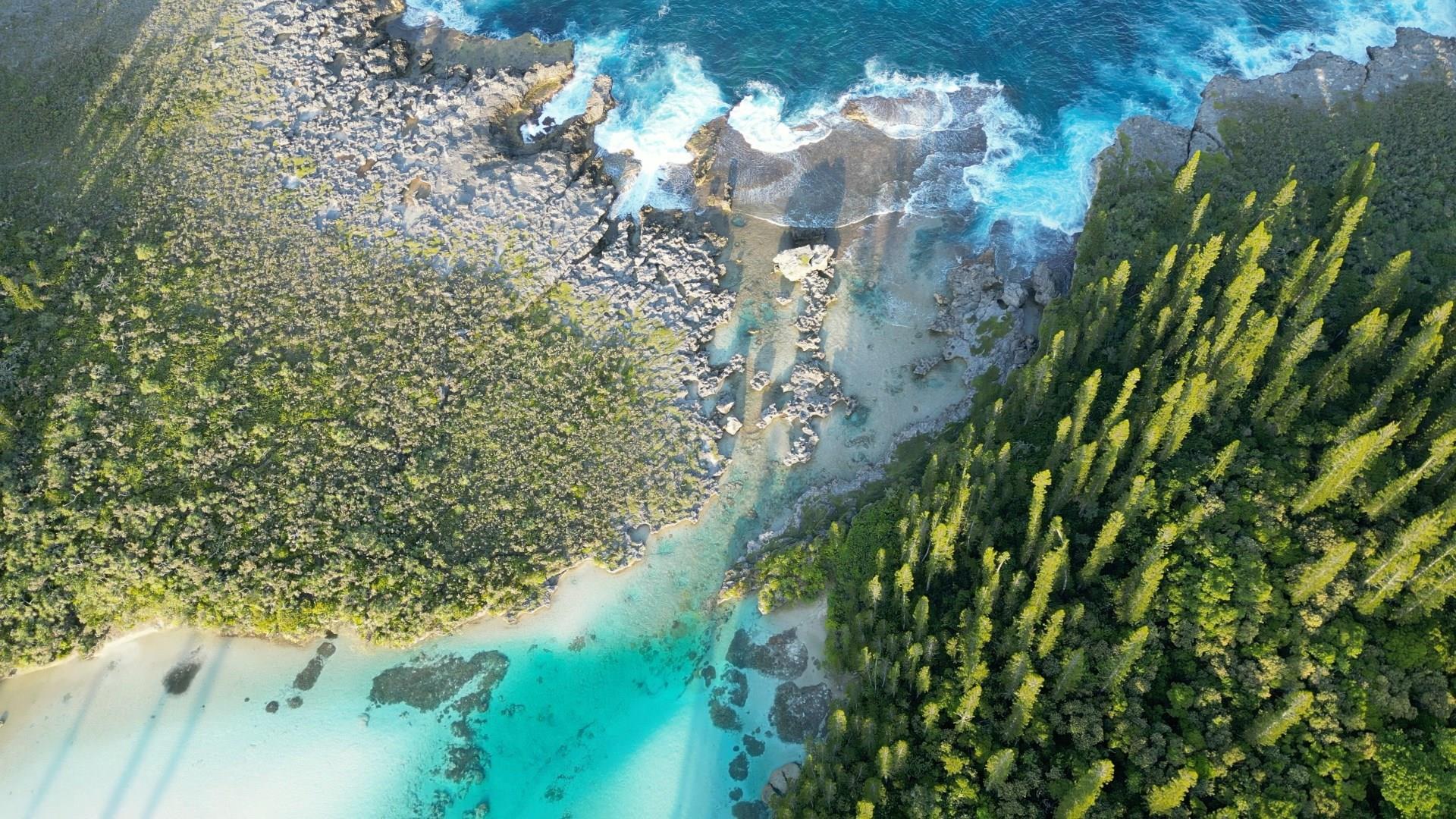
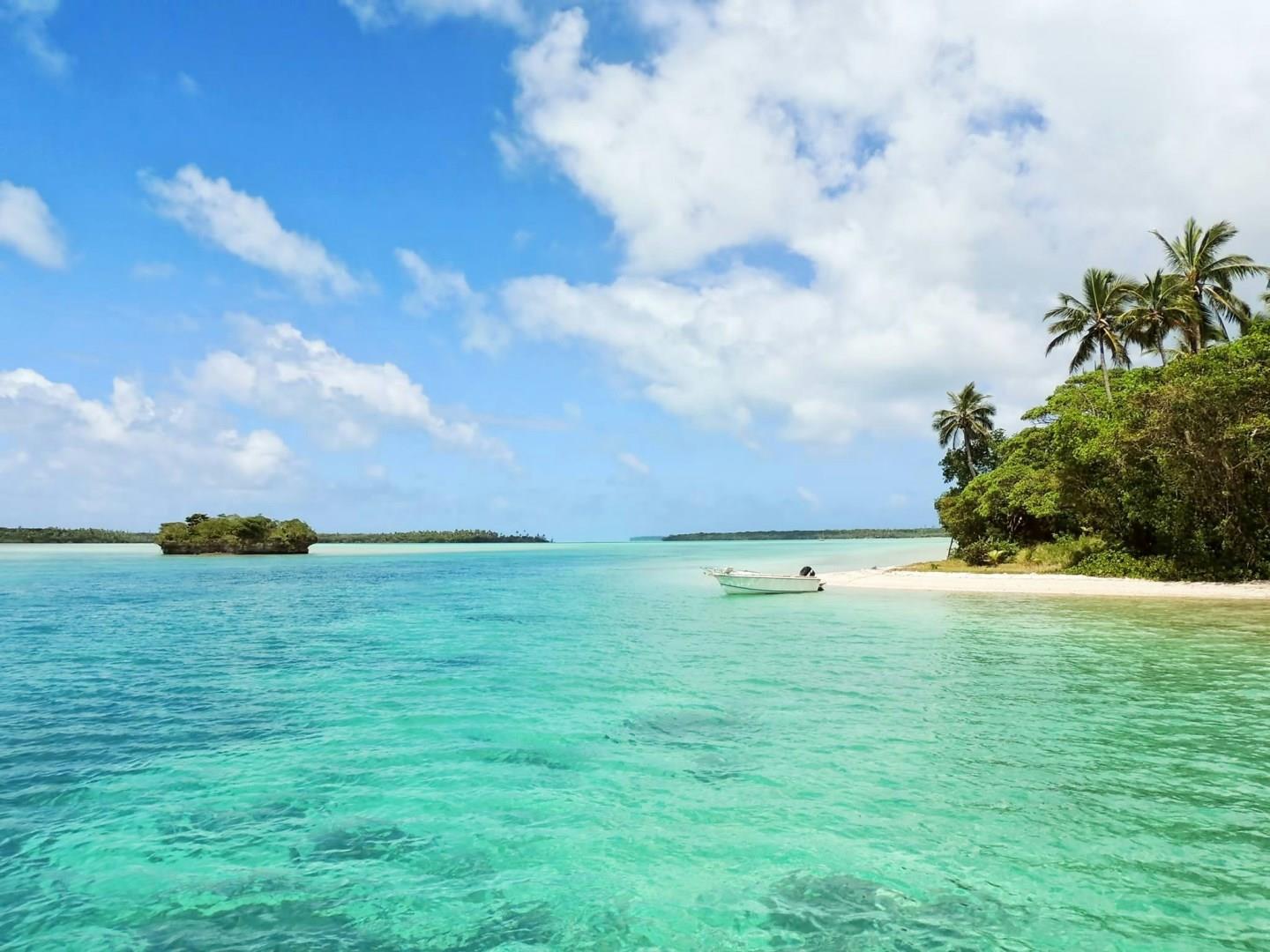
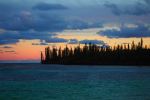
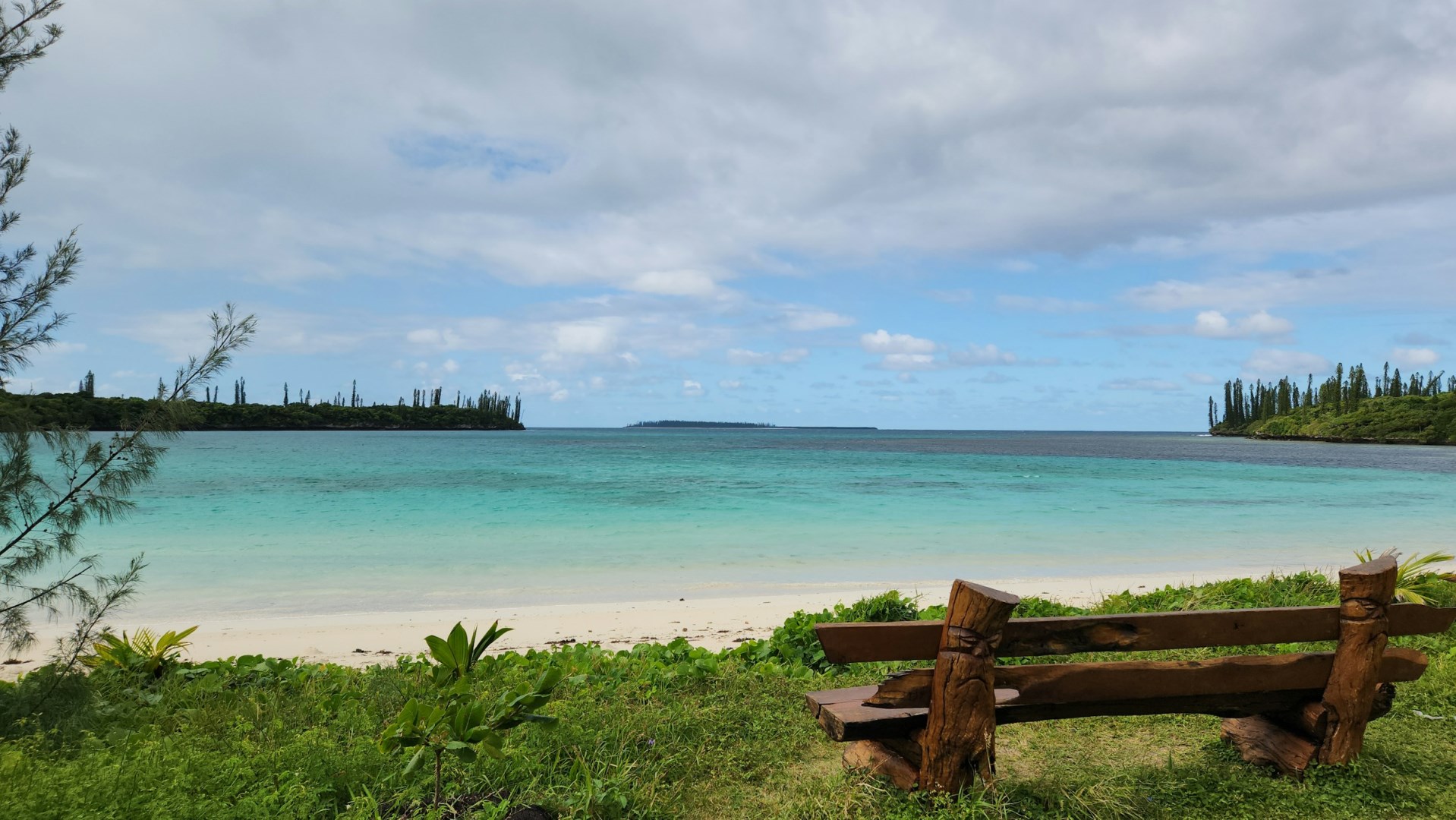
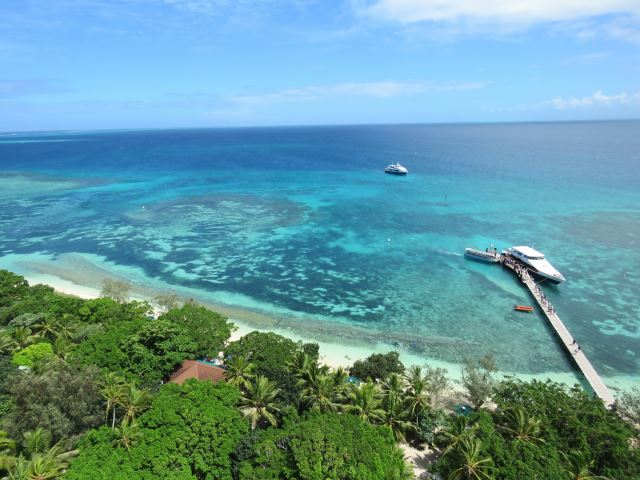
Île des Pins, often referred to as the "Island of Pines," is a serene paradise located in New Caledonia. This tropical haven is renowned for its pristine beaches, turquoise lagoons, and lush pine forests, offering visitors an idyllic escape from the everyday. The island's charm extends beyond its beaches. The Pic N'Ga peak offers panoramic views of the island's lush landscape, accessible via a scenic hike through dense forest.
A fascinating aspect of Île des Pins is its historical significance. The island is home to the Grotte de la Reine Hortense, a cave linked to the island's colonial past and named after Queen Hortense of France. The cave’s intriguing formations and historical context add a layer of depth to the island’s natural beauty.
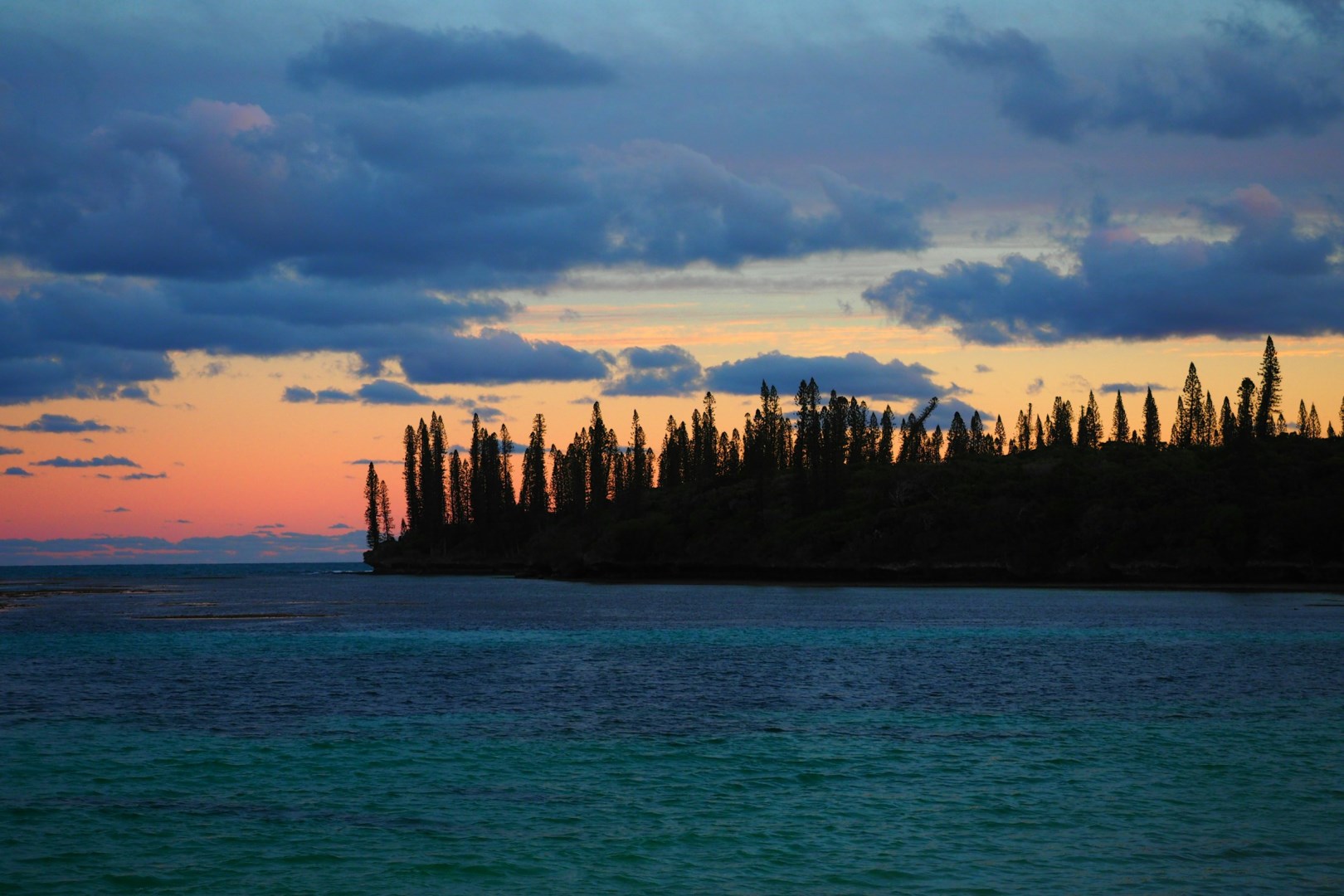
A fun fact about Île des Pins is its unique “pinus” trees, which are actually New Caledonian pines, a species found nowhere else in the world. The island's blend of natural beauty, cultural richness, and historical intrigue makes it an irresistible destination for travelers seeking both relaxation and adventure. For the best experience, visit between September and November when the weather is pleasantly warm and ideal for outdoor activities.