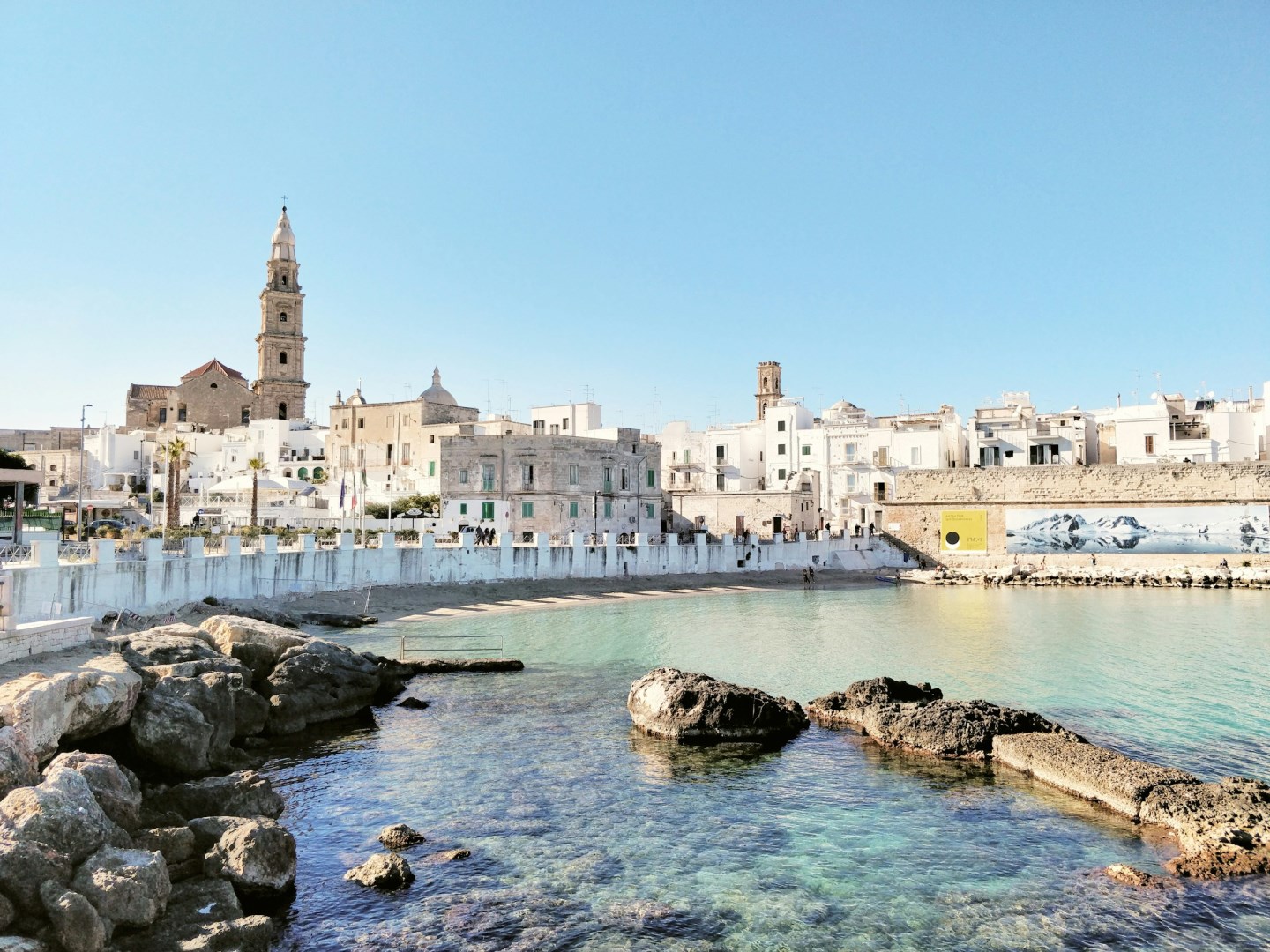
Monopoli is a coastal town in Puglia, on the Adriatic Sea, with a historic center built around a small natural harbor. Its old town is enclosed by defensive walls and bastions, while narrow lanes lead between whitewashed houses, churches, courtyards, and small squares. The waterfront remains closely connected to local life, with fishing boats gathered around the harbor and beaches extending along the coast outside the historic center.
Ancona, perched on the Adriatic coast of Italy, is a vibrant port city with a rich historical tapestry and stunning seaside vistas. As the capital of the Marche region, Ancona boasts a captivating blend of ancient and modern charm. The city’s historical heart is evident in landmarks like the Roman Arch of Trajan, which stands as a testament to Ancona’s significance during Roman times.
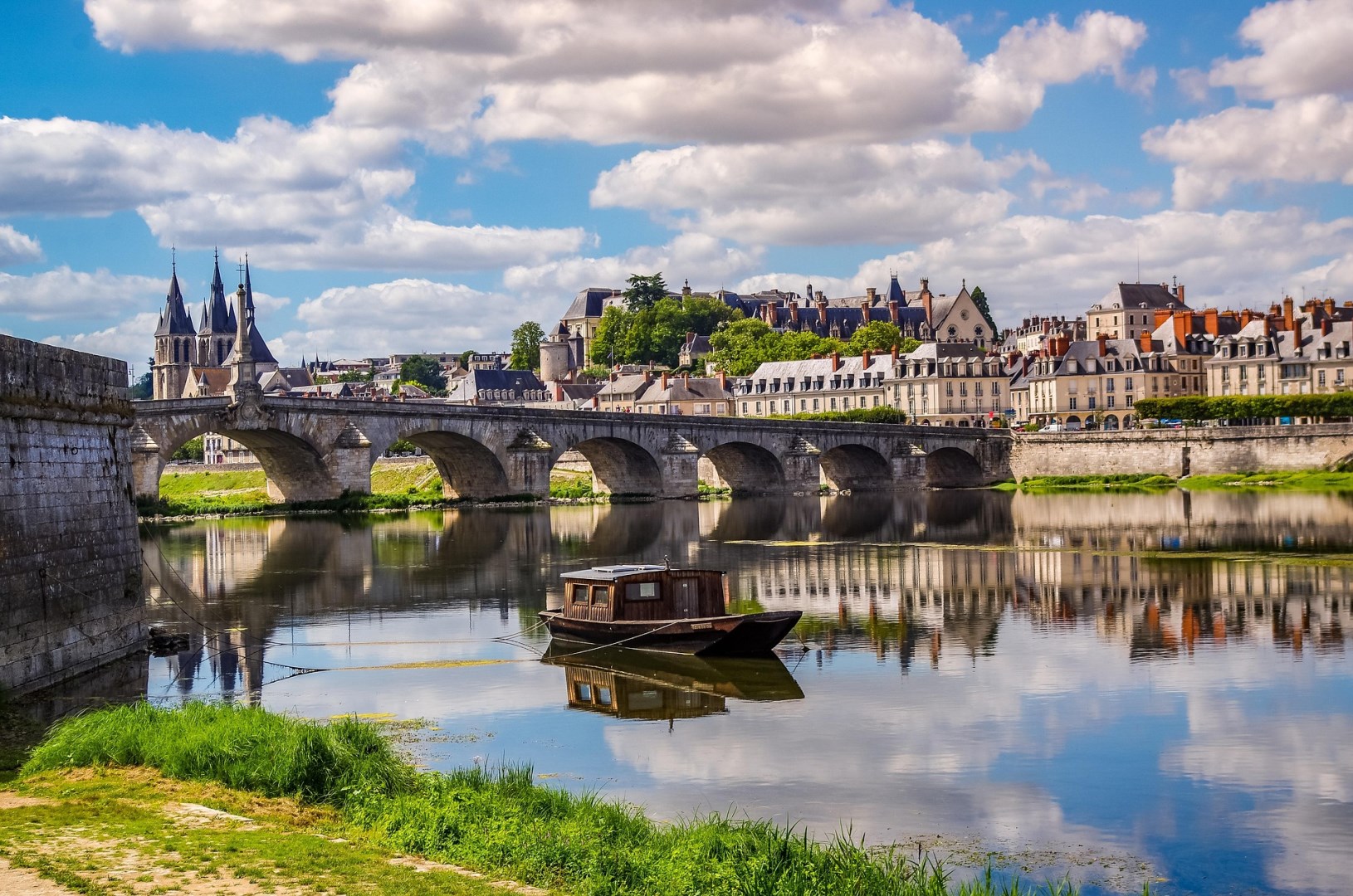
Blois is a historic city on the Loire River in central France, set among the vineyards, forests, and château country of the Loire Valley. Its old centre rises from the river toward the Château Royal de Blois, creating a landscape of steep streets, stairways, and terraces. Half-timbered houses stand alongside Renaissance townhouses, stone churches, and later buildings, while the river provides open views across the city.

Elephant Island, a remote outcrop off the coast of Antarctica, is not your average travel destination. Known for its dramatic cliffs, towering glaciers, and wild, ice-laced seas, this island is both stark and unforgettable. Located 245 kilometers northeast of the Antarctic Peninsula, Elephant Island is rarely visited except by specialized expedition cruises.
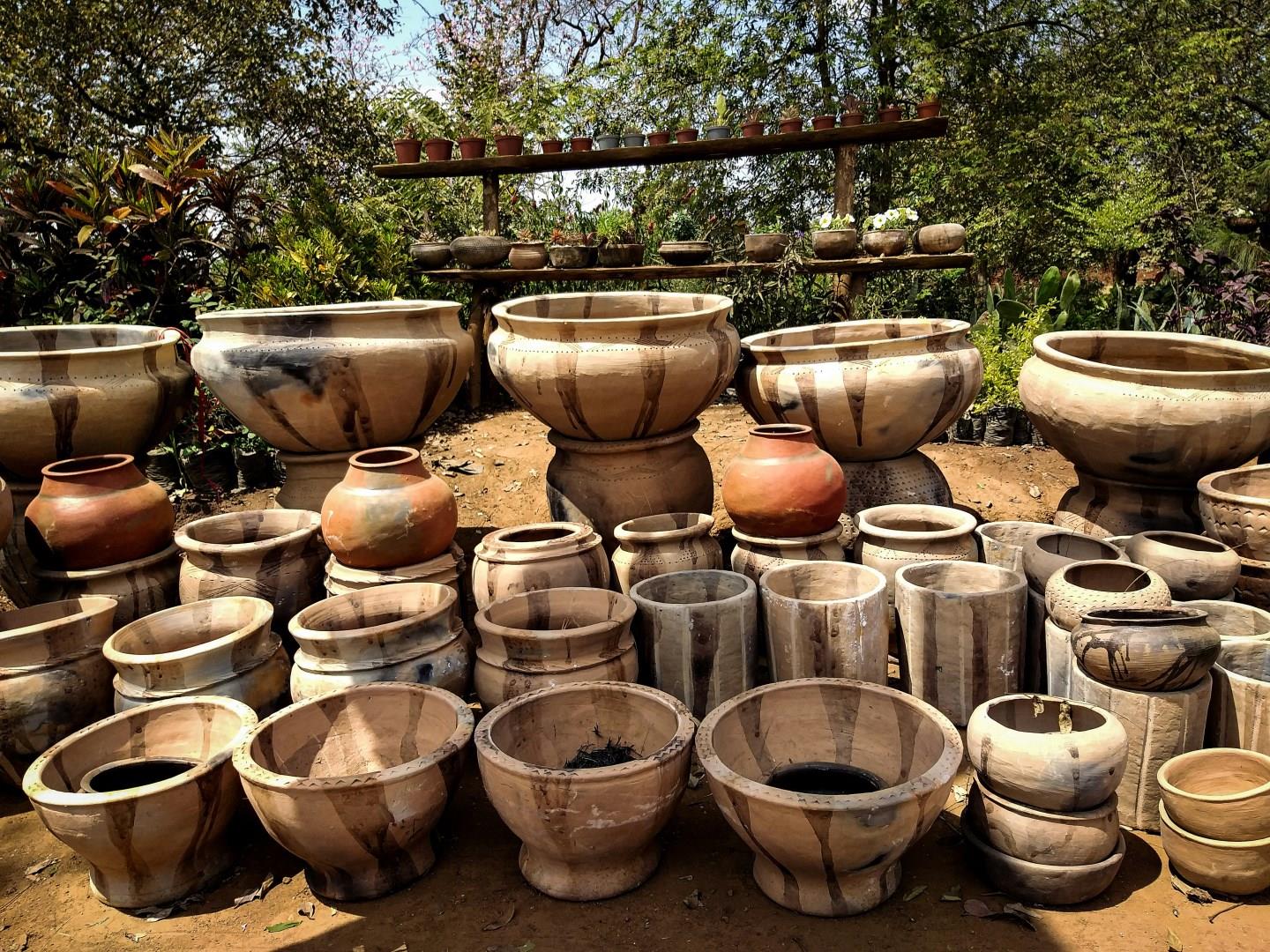
Lilongwe, the capital of Malawi, blends modern development with a laid-back atmosphere, offering visitors an introduction to the country’s culture and daily life. Markets are at the heart of Lilongwe’s character, with the bustling Old Town Market standing out as a must-visit. Here, traders sell everything from fresh produce and local crafts to colorful fabrics and handmade goods.
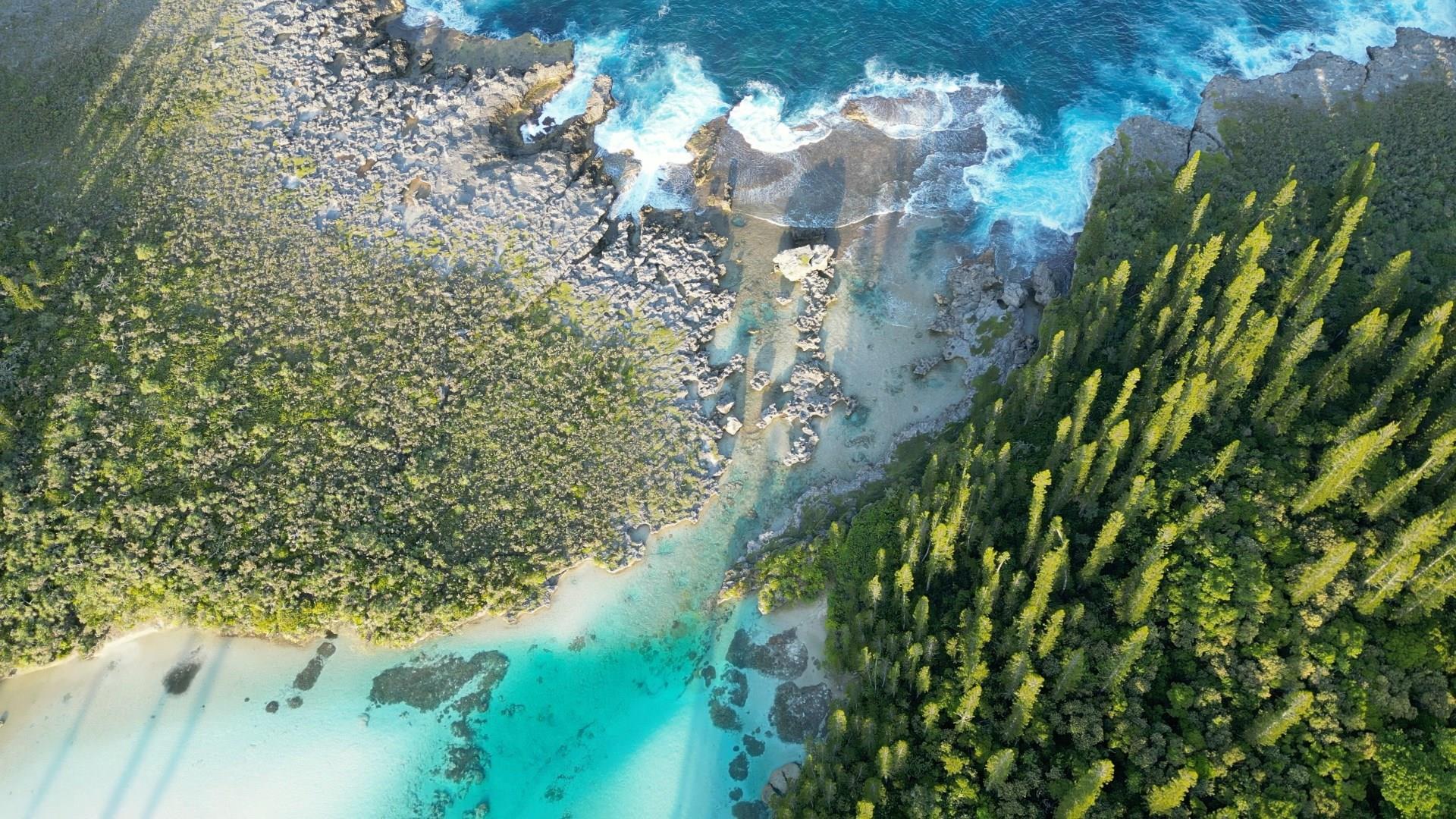
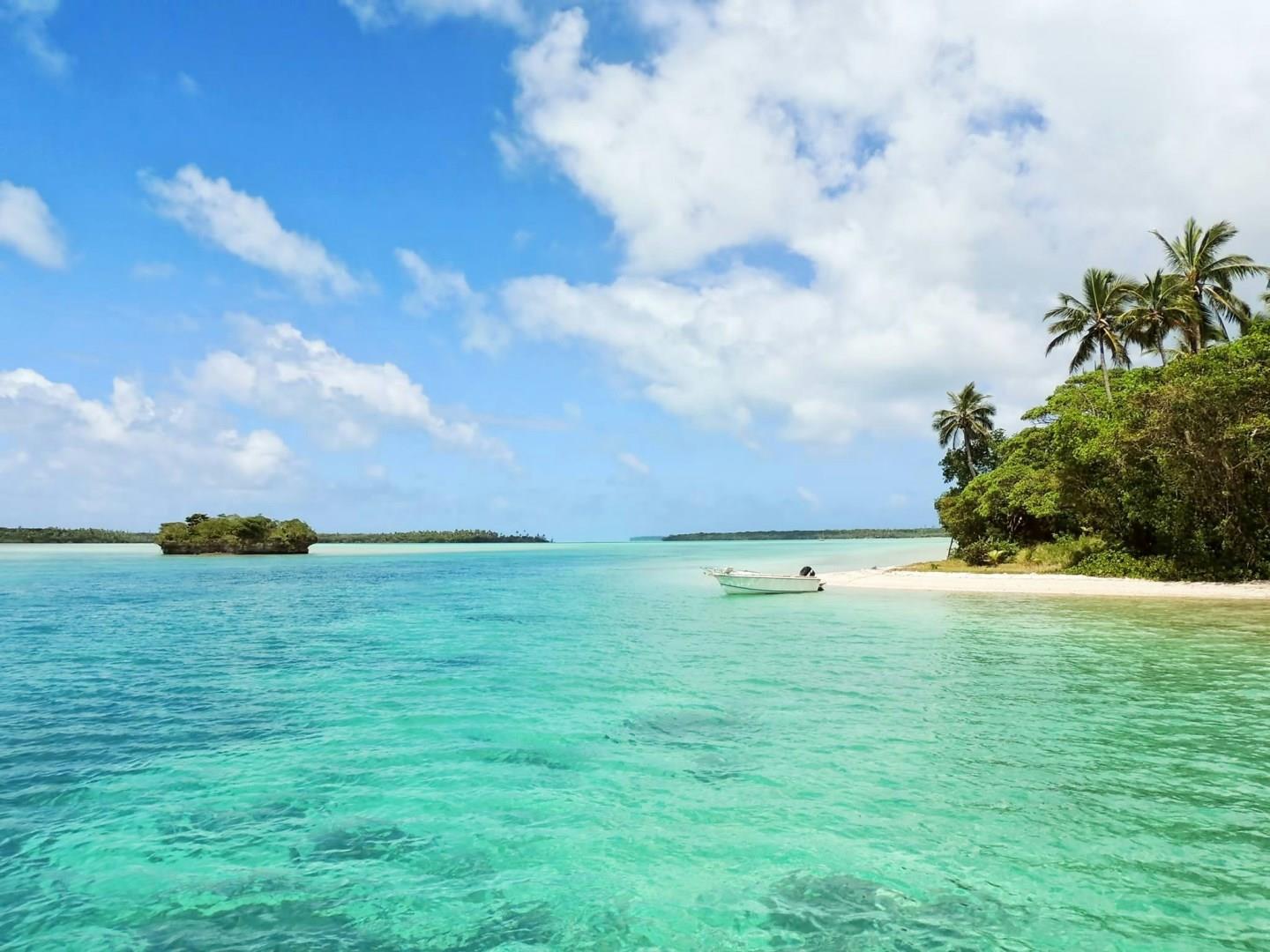
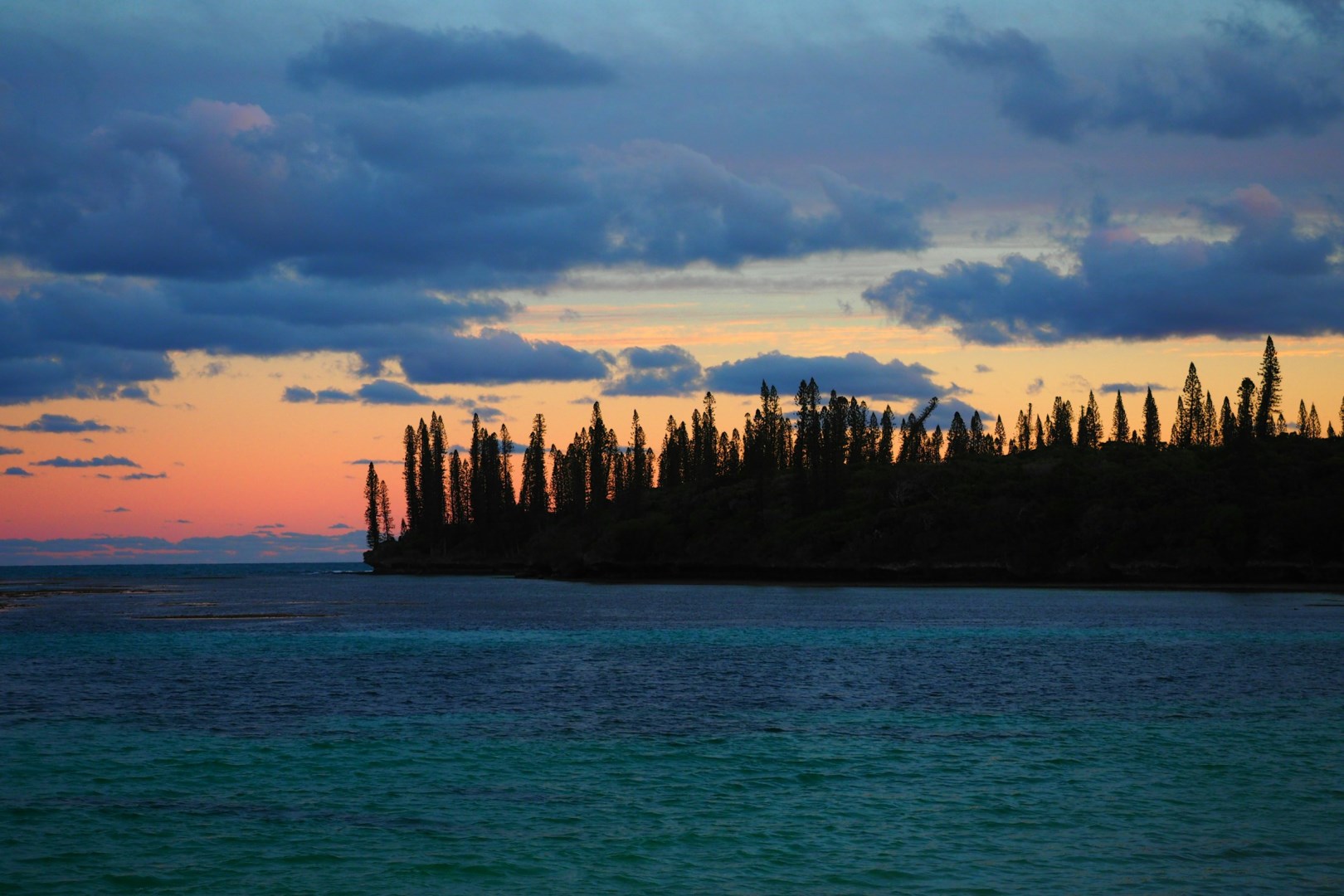
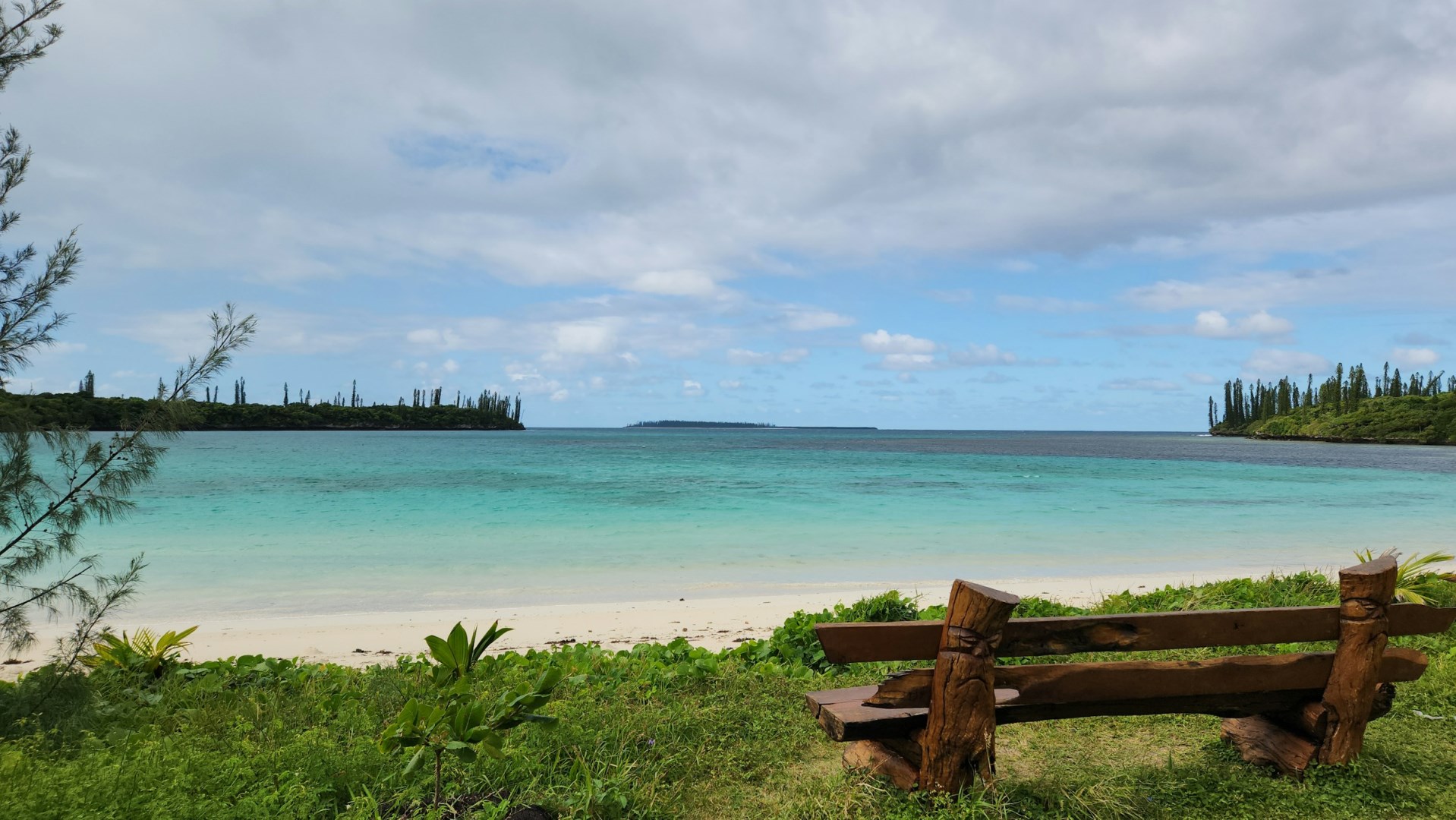
Île des Pins, often referred to as the "Island of Pines," is a serene paradise located in New Caledonia. This tropical haven is renowned for its pristine beaches, turquoise lagoons, and lush pine forests, offering visitors an idyllic escape from the everyday. The island's charm extends beyond its beaches. The Pic N'Ga peak offers panoramic views of the island's lush landscape, accessible via a scenic hike through dense forest.
A fascinating aspect of Île des Pins is its historical significance. The island is home to the Grotte de la Reine Hortense, a cave linked to the island's colonial past and named after Queen Hortense of France. The cave’s intriguing formations and historical context add a layer of depth to the island’s natural beauty.
A fun fact about Île des Pins is its unique “pinus” trees, which are actually New Caledonian pines, a species found nowhere else in the world. The island's blend of natural beauty, cultural richness, and historical intrigue makes it an irresistible destination for travelers seeking both relaxation and adventure. For the best experience, visit between September and November when the weather is pleasantly warm and ideal for outdoor activities.
Other Popular Destinations in New Caledonia
Noumea
Nouméa, the vibrant capital of New Caledonia, offers a captivating mix of French sophistication and Pacific charm. This bustling city is renowned for its beautiful beaches, such as Anse Vata, where turquoise waters and white sand invite relaxation and water sports.
Amédée Islet
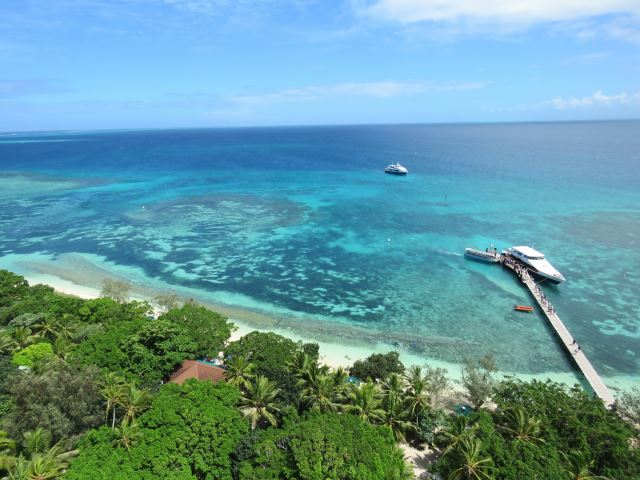
Amédée Islet, known locally as Îlot Amédée, is a small coral islet in the lagoon off the southern coast of New Caledonia. It lies within the New Caledonian Lagoon, a UNESCO World Heritage site recognized for its extensive reef systems and marine habitats. The islet is surrounded by shallow turquoise waters, coral reefs, and sandy beaches, while low vegetation covers much of its interior. Its most recognizable landmark is the Amédée Lighthouse.