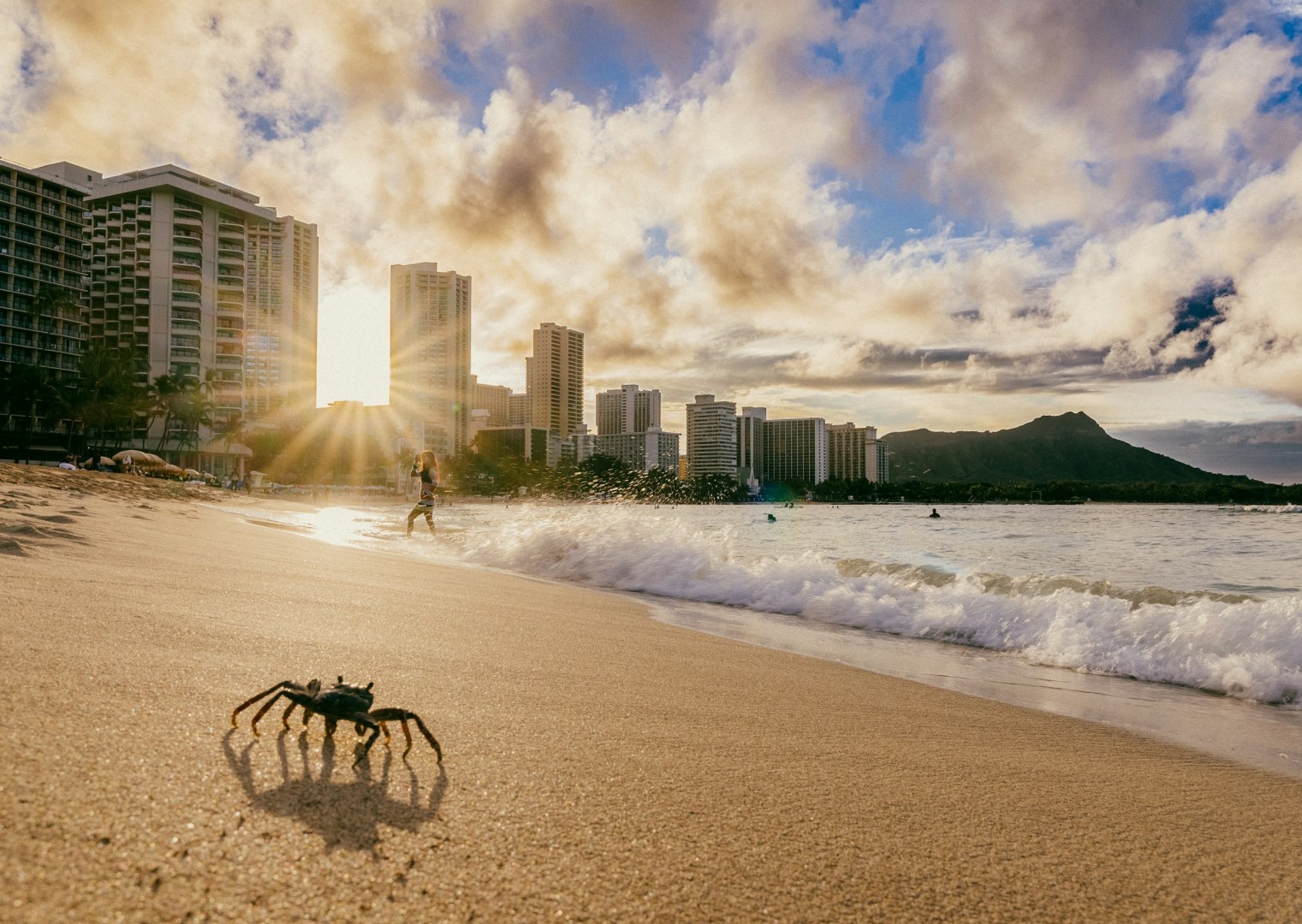
Waikiki, located on the island of Oahu, is a world-renowned destination that perfectly captures the spirit of Hawaii. Known for its iconic crescent-shaped beach, warm turquoise waters, and vibrant nightlife, Waikiki is where Hawaiian royalty once surfed and relaxed, and it remains a hotspot for both relaxation and adventure today.
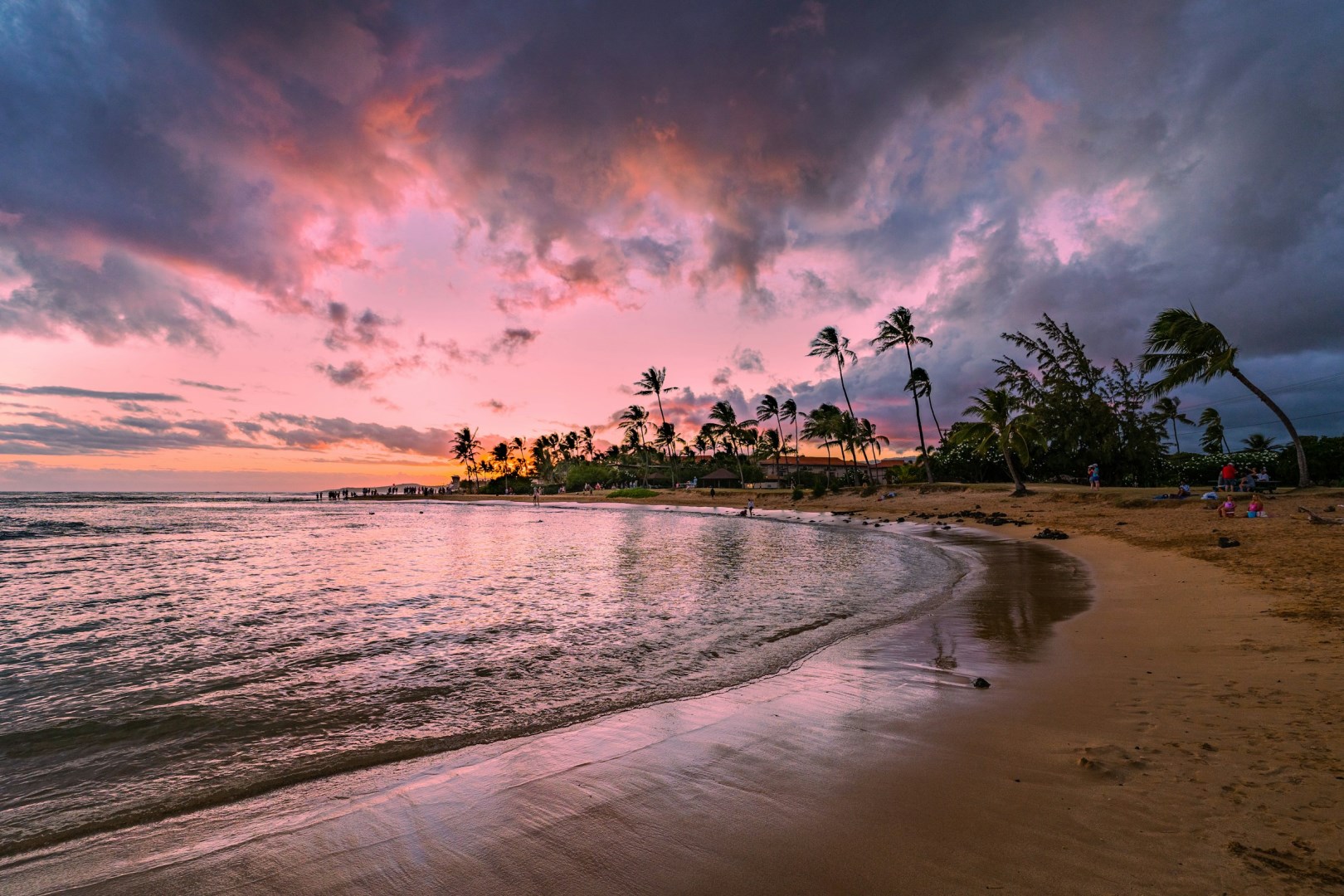
Poʻipū is a coastal community on the southern shore of Kauaʻi, known for sunny weather, sandy beaches, and access to the island’s sheltered southern coastline. Its landscape includes beaches, lava-rock formations, palm-lined resorts, residential neighborhoods, and open coastal areas. Poʻipū Beach Park is the main public gathering place, with several connected sandy areas and shallow water that can be suitable for swimming when ocean conditions allow.
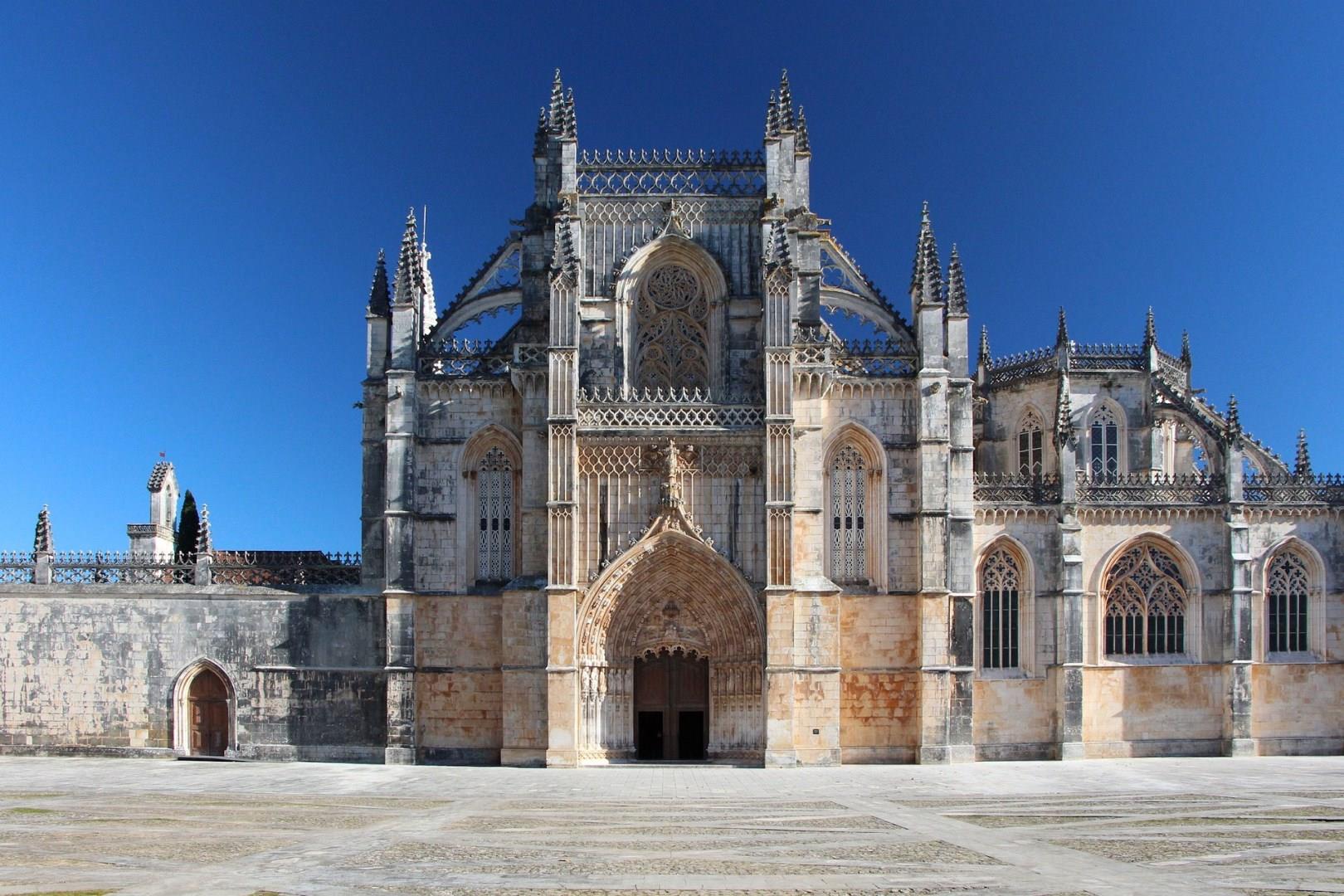
Batalha, a small town in central Portugal, is steeped in history and home to one of the country’s most magnificent monuments, the Batalha Monastery. This UNESCO World Heritage Site, also known as the Monastery of Santa Maria da Vitória, was built to commemorate the Portuguese victory over Castile at the Battle of Aljubarrota in 1385. I
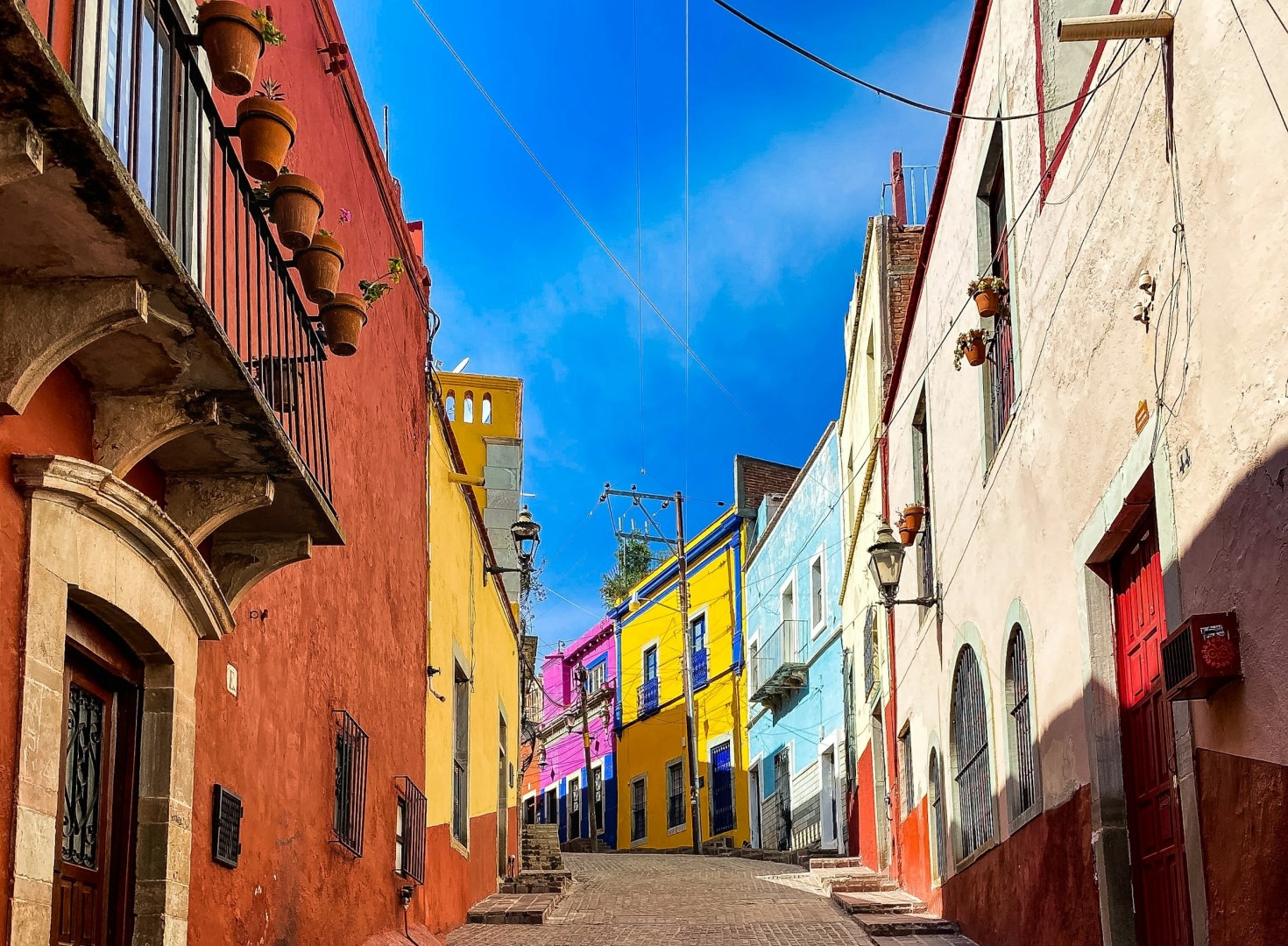
Guanajuato, a UNESCO World Heritage City nestled in the mountains of central Mexico, is a place where history is built into every hillside alley and underground tunnel. Today, visitors can still tour La Valenciana Mine, where centuries-old tunnels and original mining equipment offer a glimpse into the city's wealth-driven past. The nearby Templo de San Cayetano, built by mine owners in the mid-1700s, is a stunning example of baroque design, lined with gilded altars and intricate woodwork.
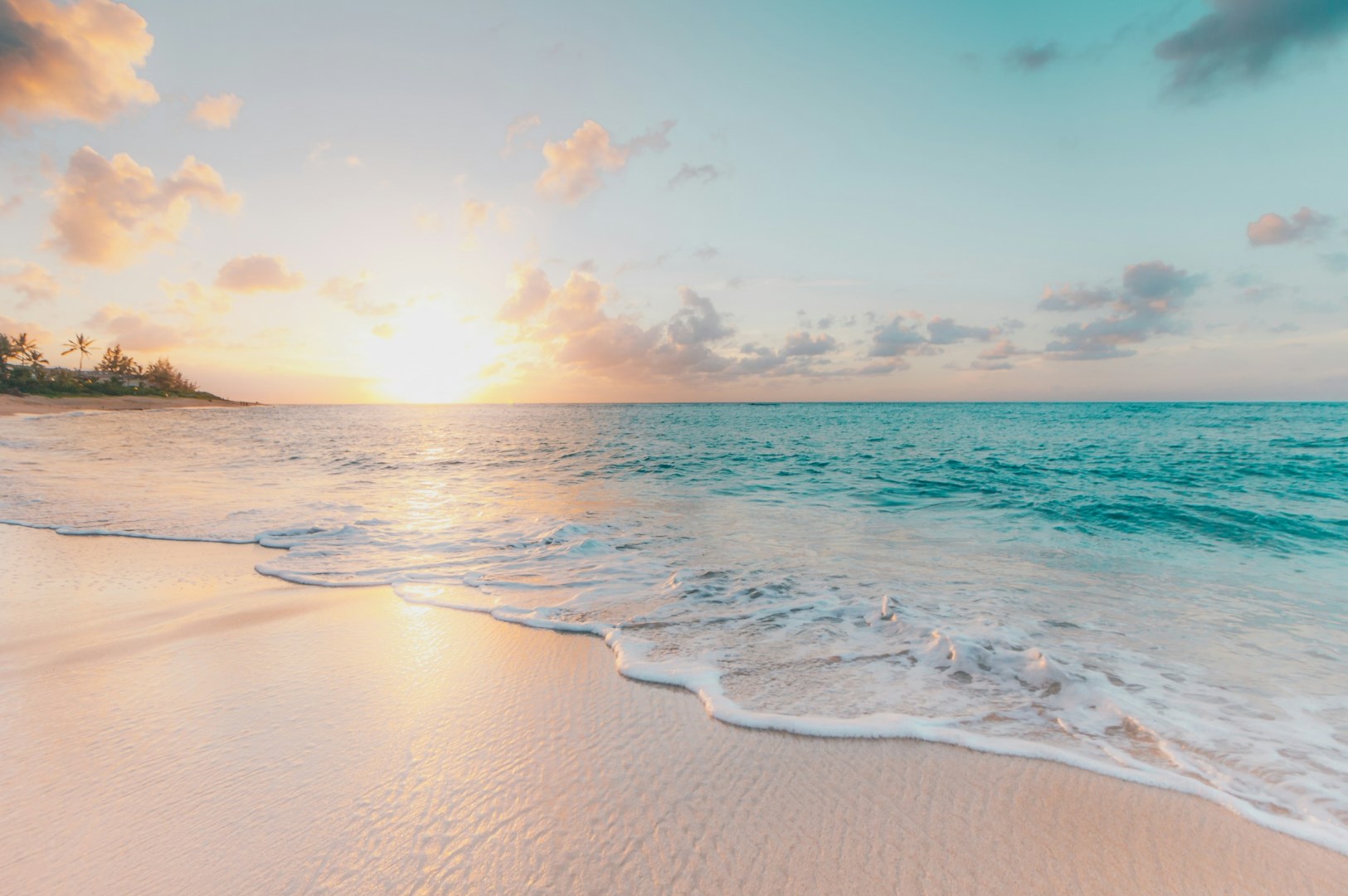
Waialua is a small rural community on the North Shore of Oʻahu, Hawaiʻi, situated between the Pacific Ocean and the agricultural lands of the island’s northern interior. The area is known for its open fields, coastal scenery, and connection to farming rather than the resort development found elsewhere on Oʻahu. Waialua sits near the Anahulu River and is close to Haleʻiwa, making it a useful base for exploring the North Shore. Its landscape combines beaches, farmland, lowland forests, and views t
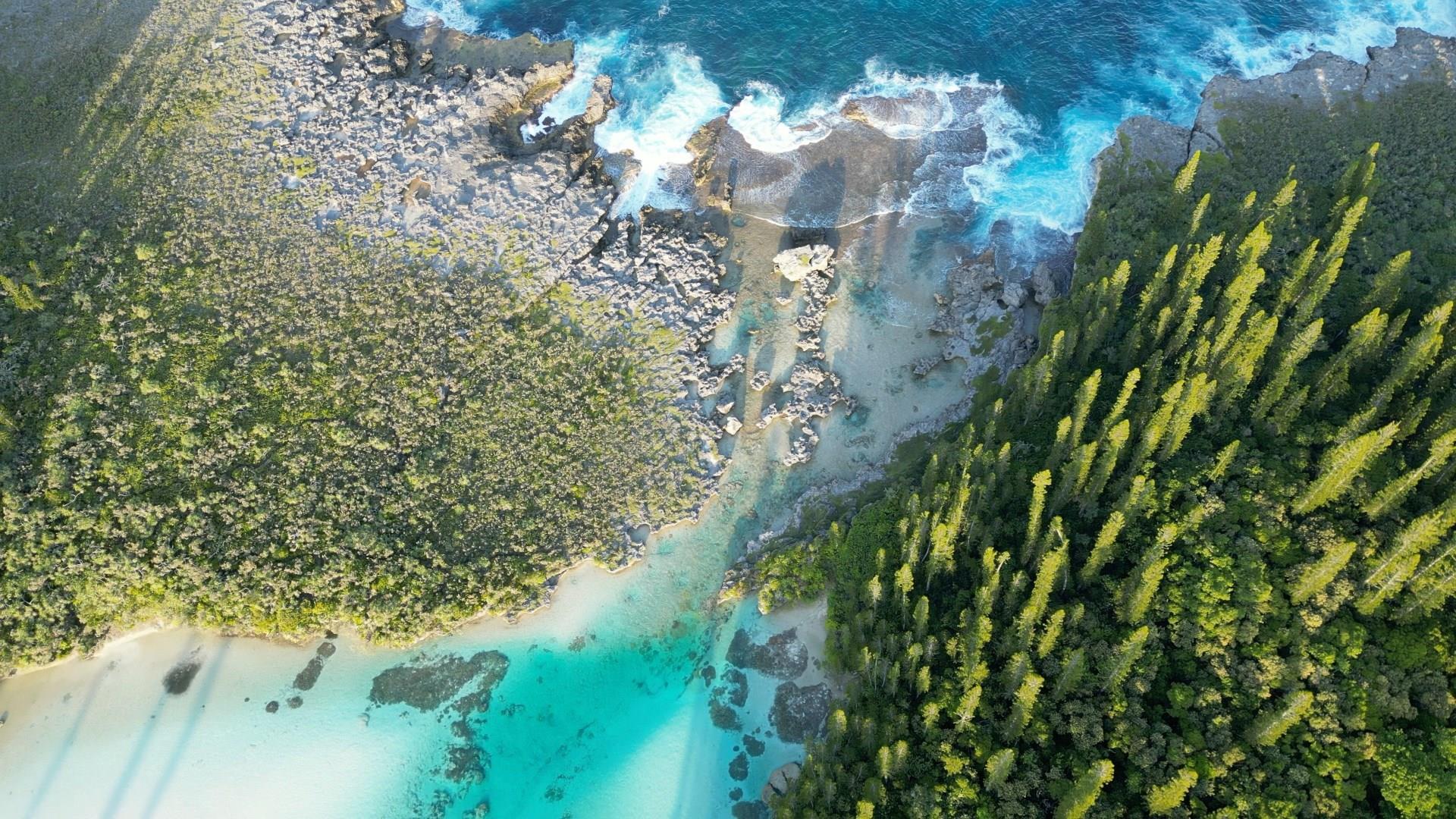
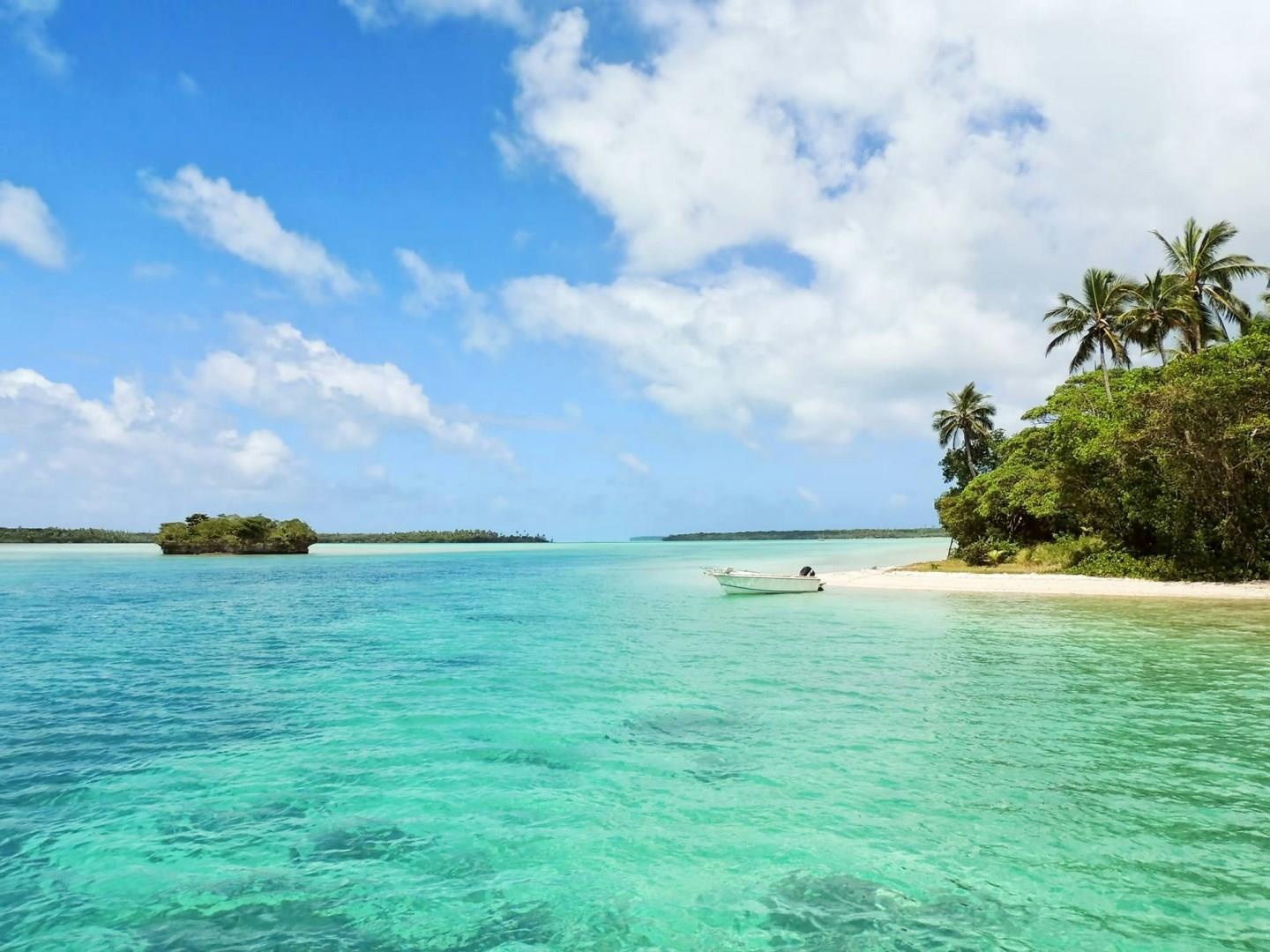
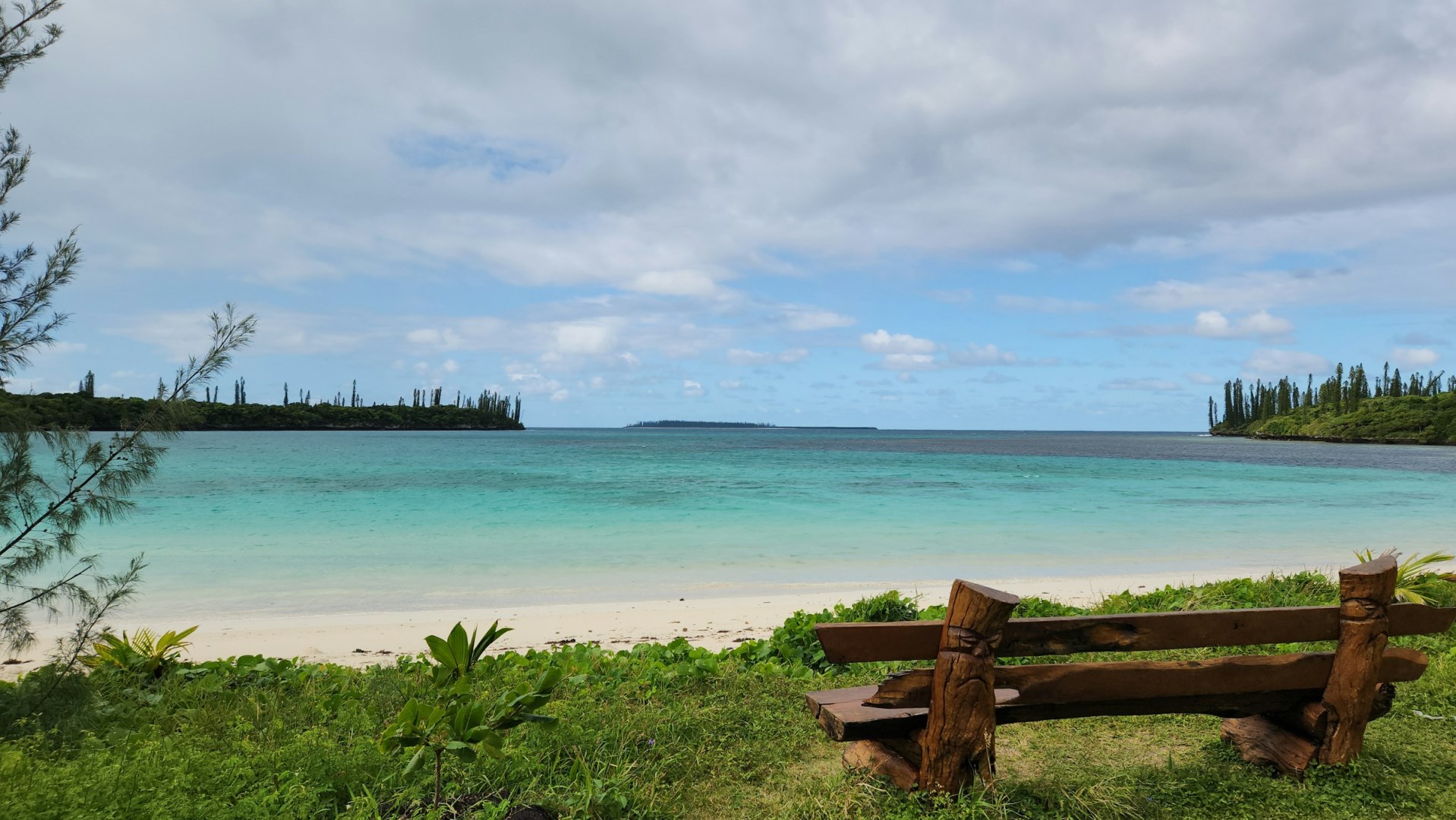
Île des Pins, often referred to as the "Island of Pines," is a serene paradise located in New Caledonia. This tropical haven is renowned for its pristine beaches, turquoise lagoons, and lush pine forests, offering visitors an idyllic escape from the everyday. The island's charm extends beyond its beaches. The Pic N'Ga peak offers panoramic views of the island's lush landscape, accessible via a scenic hike through dense forest.
A fascinating aspect of Île des Pins is its historical significance. The island is home to the Grotte de la Reine Hortense, a cave linked to the island's colonial past and named after Queen Hortense of France. The cave’s intriguing formations and historical context add a layer of depth to the island’s natural beauty.
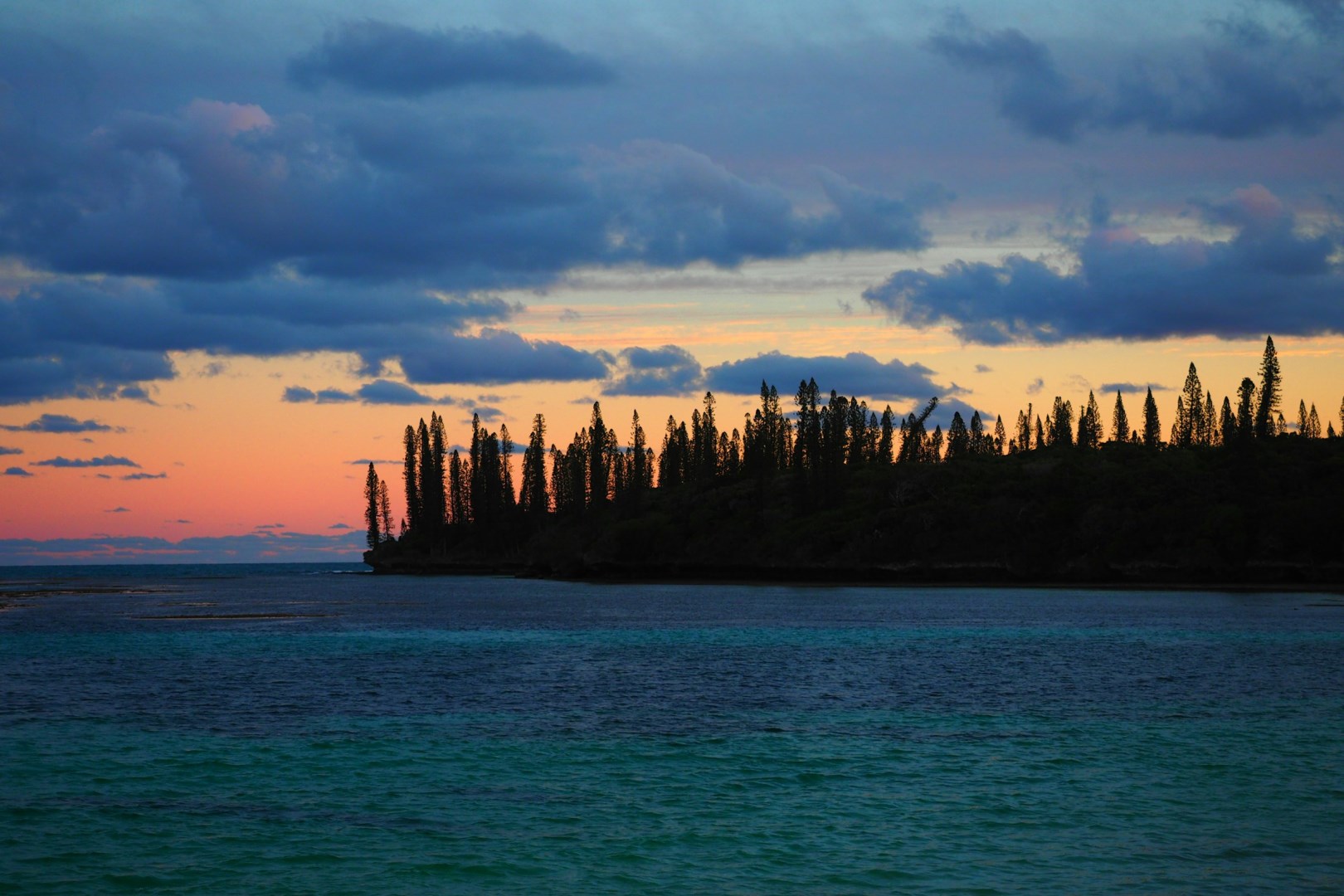
A fun fact about Île des Pins is its unique “pinus” trees, which are actually New Caledonian pines, a species found nowhere else in the world. The island's blend of natural beauty, cultural richness, and historical intrigue makes it an irresistible destination for travelers seeking both relaxation and adventure. For the best experience, visit between September and November when the weather is pleasantly warm and ideal for outdoor activities.
Other Popular Destinations in New Caledonia
Noumea
Nouméa, the vibrant capital of New Caledonia, offers a captivating mix of French sophistication and Pacific charm. This bustling city is renowned for its beautiful beaches, such as Anse Vata, where turquoise waters and white sand invite relaxation and water sports.
Amédée Islet
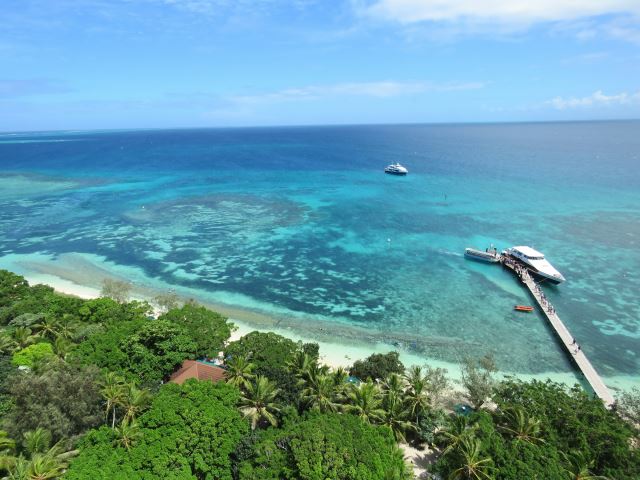
Amédée Islet, known locally as Îlot Amédée, is a small coral islet in the lagoon off the southern coast of New Caledonia. It lies within the New Caledonian Lagoon, a UNESCO World Heritage site recognized for its extensive reef systems and marine habitats. The islet is surrounded by shallow turquoise waters, coral reefs, and sandy beaches, while low vegetation covers much of its interior. Its most recognizable landmark is the Amédée Lighthouse.