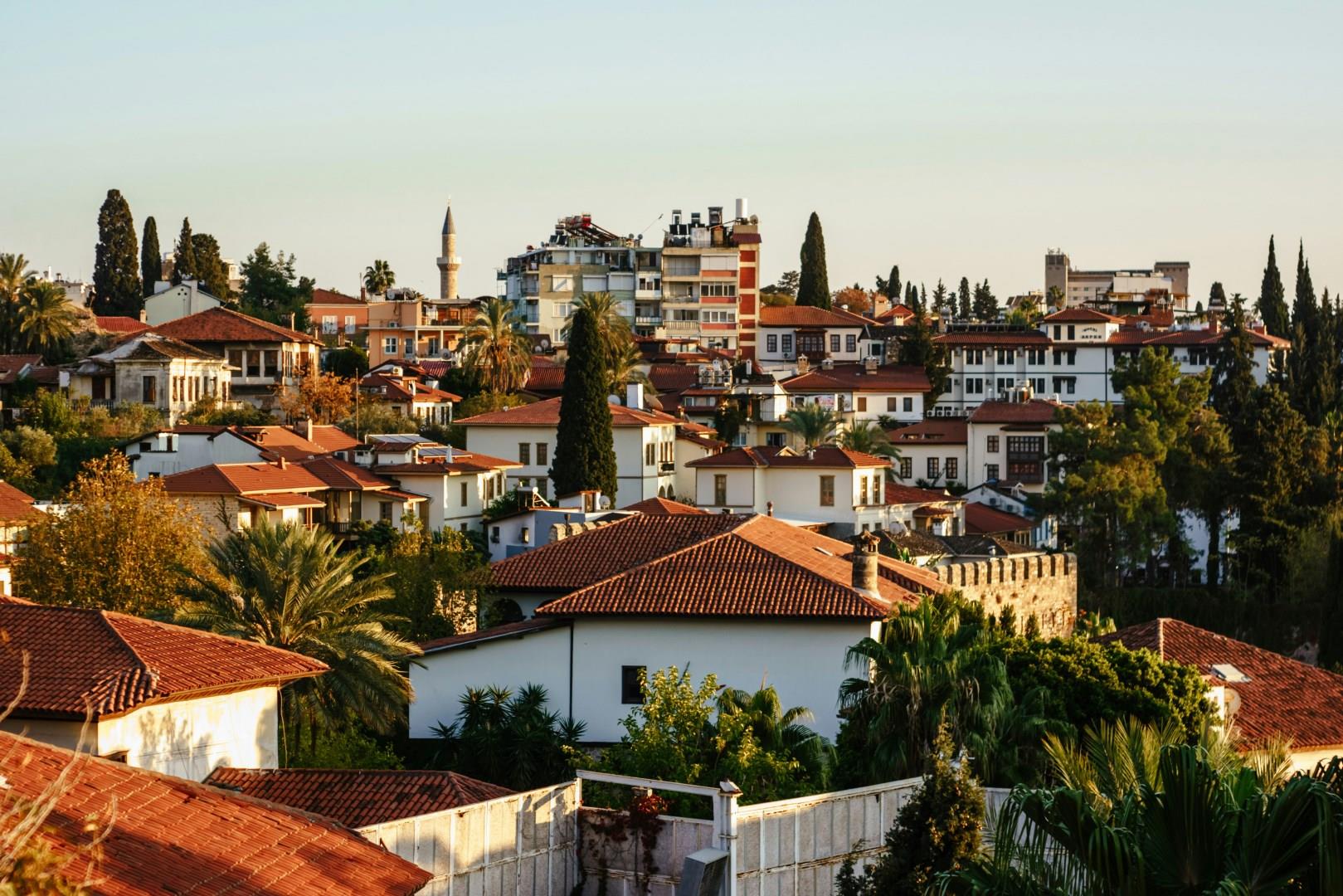
Selçuk
Selcuk, a small town in western Turkey’s İzmir Province, is one of the country’s richest destinations for history lovers. It sits at the foot of the ancient city of Ephesus, once one of the great cities of the classical world and home to the Temple of Artemis, one of the Seven Wonders of the Ancient World.

Tournus
Nestled in the picturesque Burgundy region of France, Tournus offers a charming glimpse into both its rich medieval history and its delightful contemporary culture. One of the city’s standout landmarks is the Abbey of Saint-Philibert, a remarkable example of Romanesque architecture. Founded in the 10th century, this abbey features stunning stone carvings and a tranquil cloister, making it a must-visit for history and architecture enthusiasts.
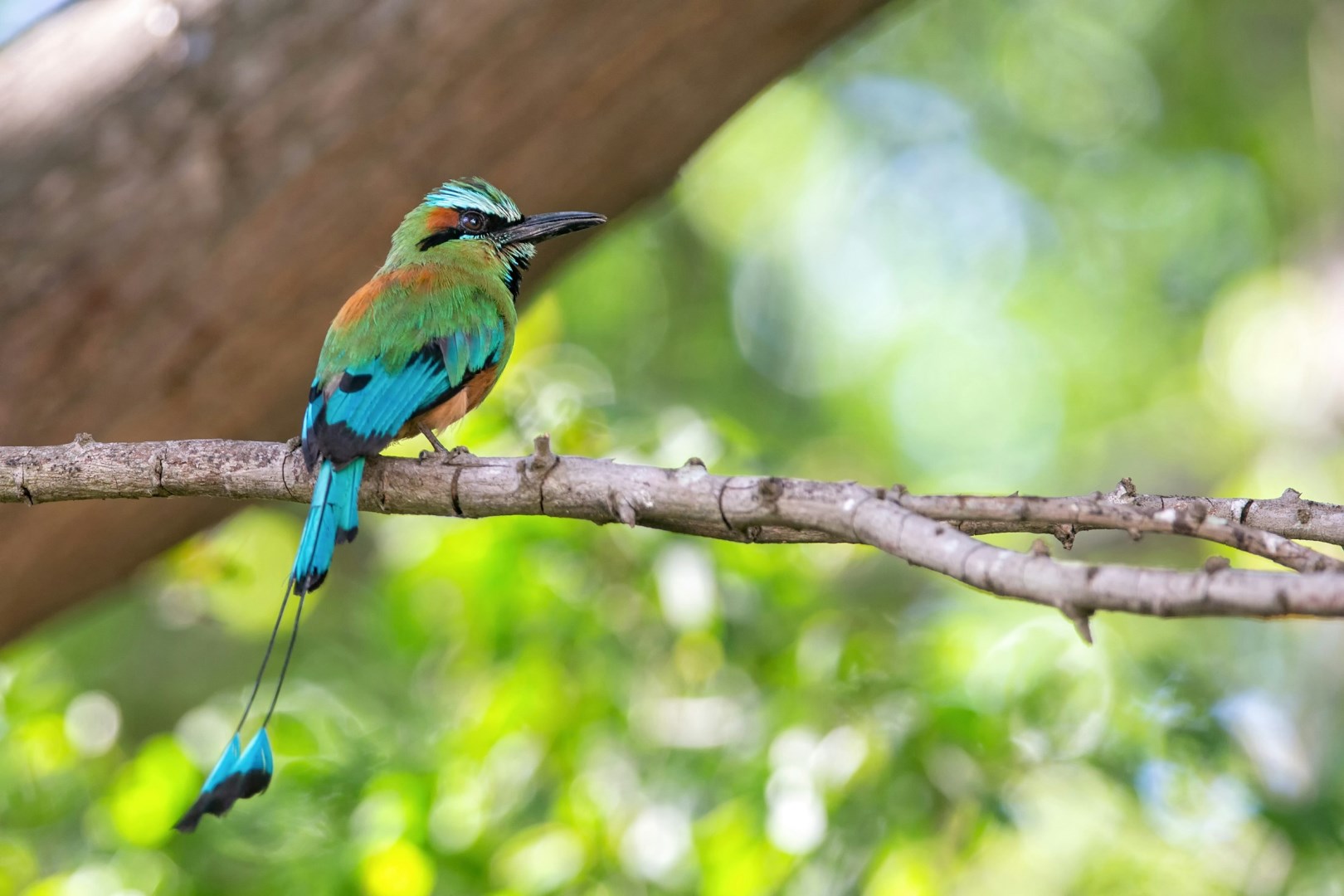
Managua
While an earthquake in 1972 left few buildings intact in downtown Managua, new areas are building up. Managua has excellent restaurants, nice hotels, and is a good base for day tours into the countryside.

Damaraland
Damaraland, located in northwestern Namibia, is a mesmerizing landscape where ancient history and natural beauty converge. This rugged region, part of the larger Kunene region, is renowned for its dramatic landscapes, including the breathtaking Brandberg Mountain, the highest peak in Namibia.

Latvia
Latvia invites visitors to explore a land where medieval streets meet vast forests and a lively coastline. Riga, the country’s capital, is home to one of the largest and best-preserved collections of Art Nouveau architecture in Europe. Walking through the Old Town, visitors can admire intricate facades and cobblestone streets that lead to landmarks like the House of Blackheads and St. Peter’s Church, whose tower offers panoramic views of the city.