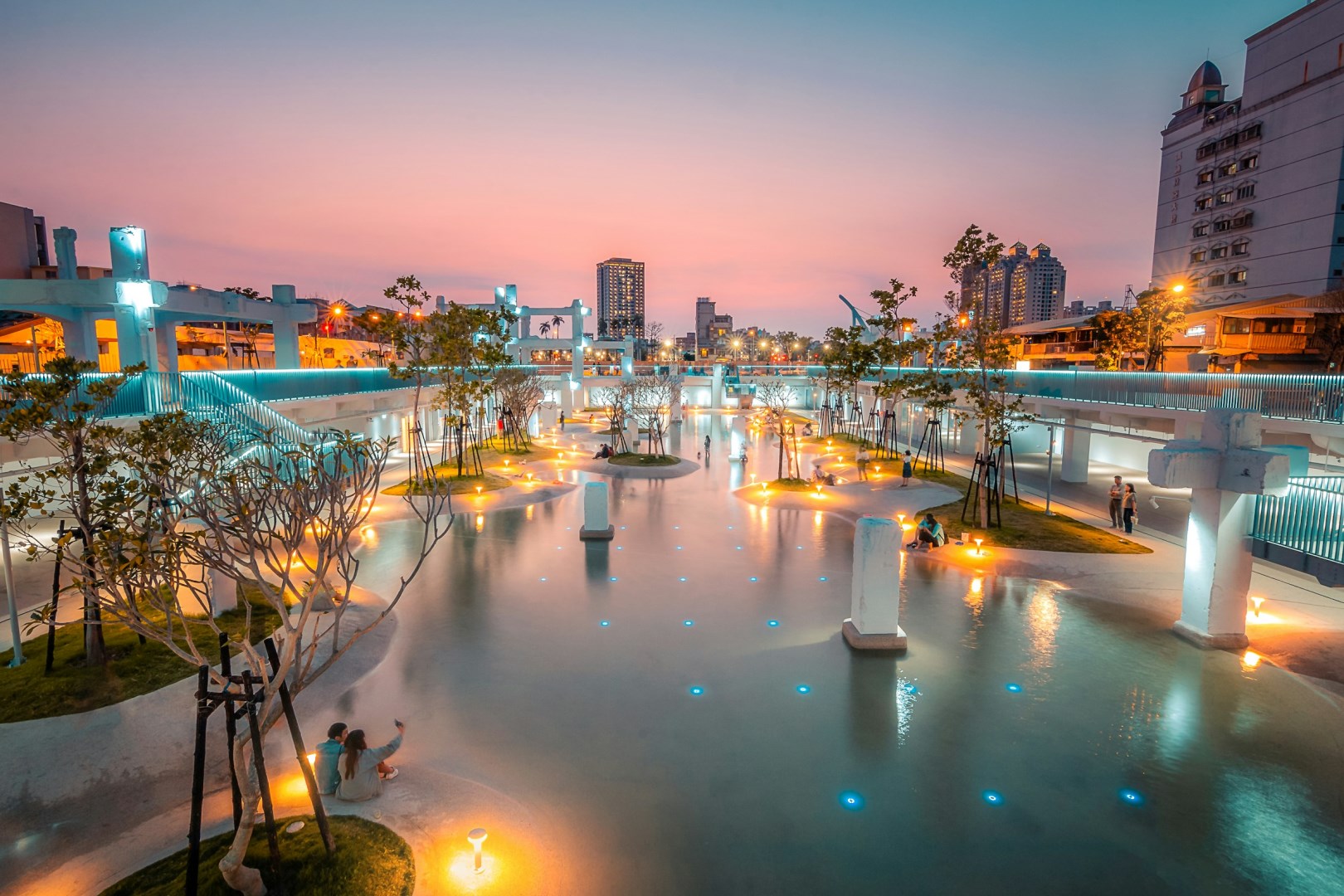
Tainan
Tainan is a historic city in southwestern Taiwan known for its temples, traditional neighborhoods, food culture, and surviving architectural landmarks. As one of Taiwan's oldest urban centers, it contains a dense collection of religious buildings, historic residences, markets, and former administrative sites. The city is generally low-lying, with coastal plains extending westward toward the Taiwan Strait.
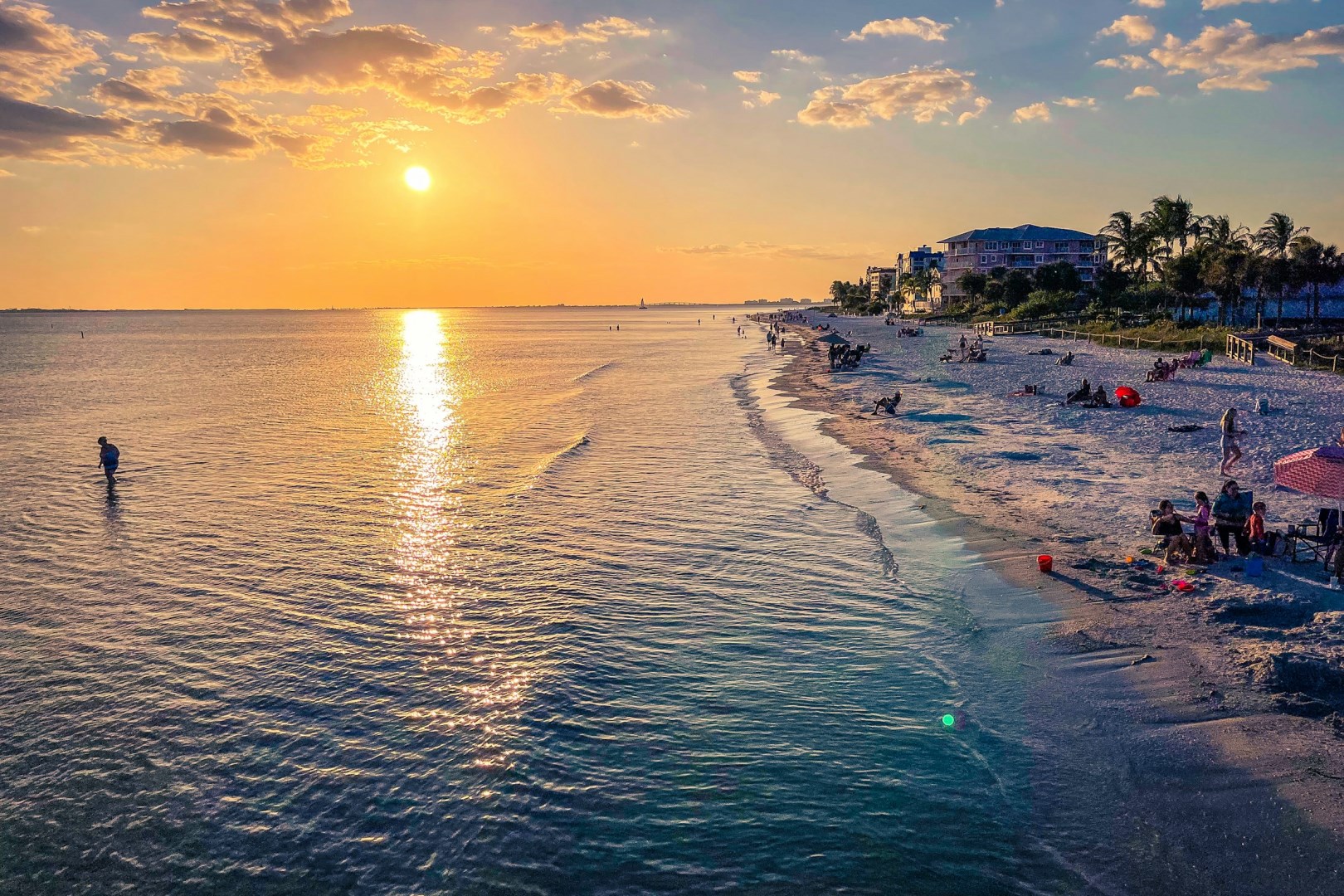
Fort Myers
Fort Myers is a city on Florida’s southwest Gulf Coast, located along the Caloosahatchee River near its entrance to the Gulf of Mexico. The city combines a historic downtown, riverfront parks, residential neighborhoods, and access to beaches and coastal islands. Its location makes waterways central to recreation, with boating, fishing, kayaking, and wildlife viewing available on the river and nearby Gulf waters. Fort Myers is also known for the winter estates of Thomas Edison and Henry Ford.
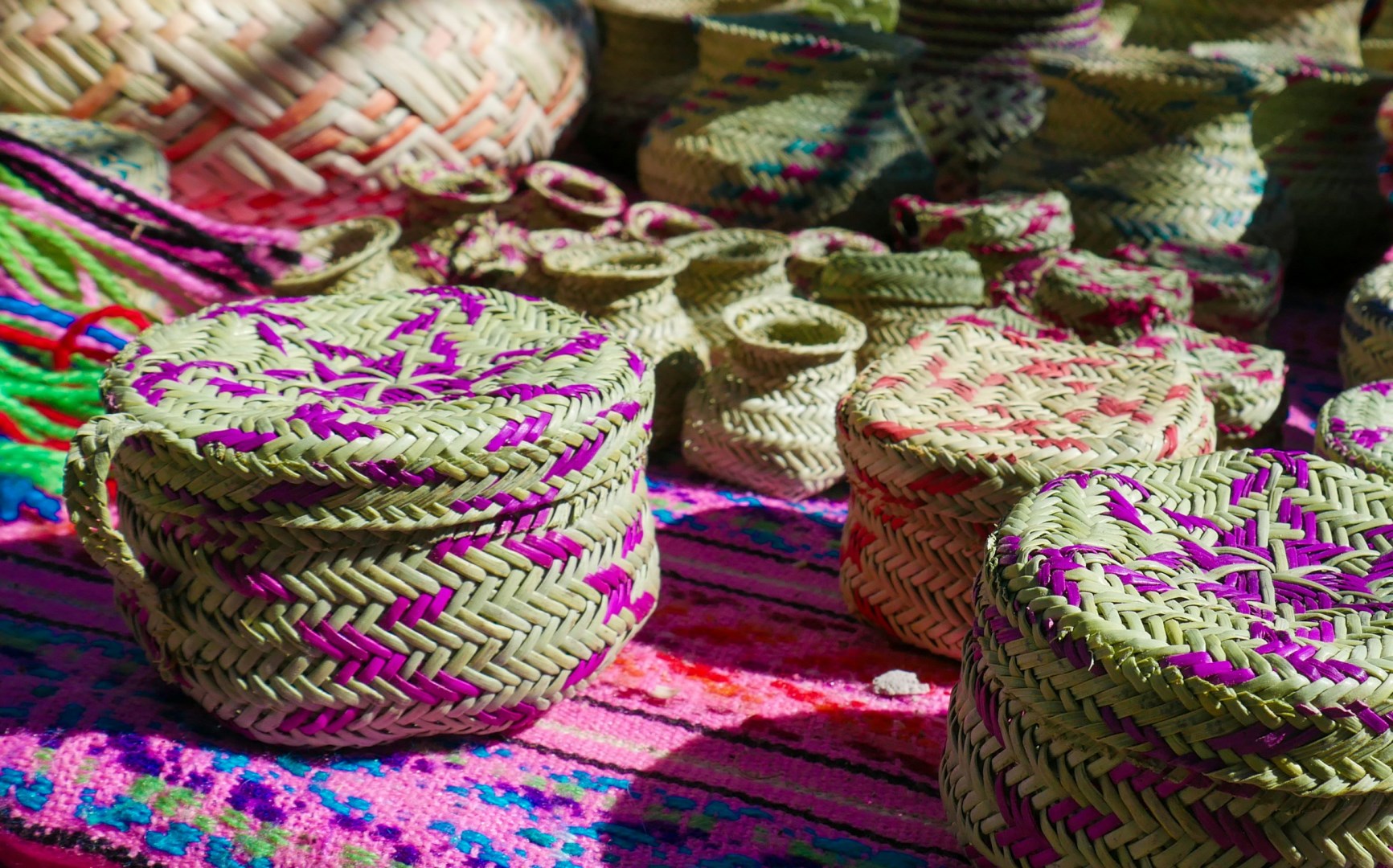
Chihuahua
In northern Mexico, it is the capital of Chihuahua State and known most for the hairless dogs that bear the same name. Pancho Villa operated out of the surrounding mountains. It is a major mining and cattle raising center. The smelting plant employs many of the citizens.
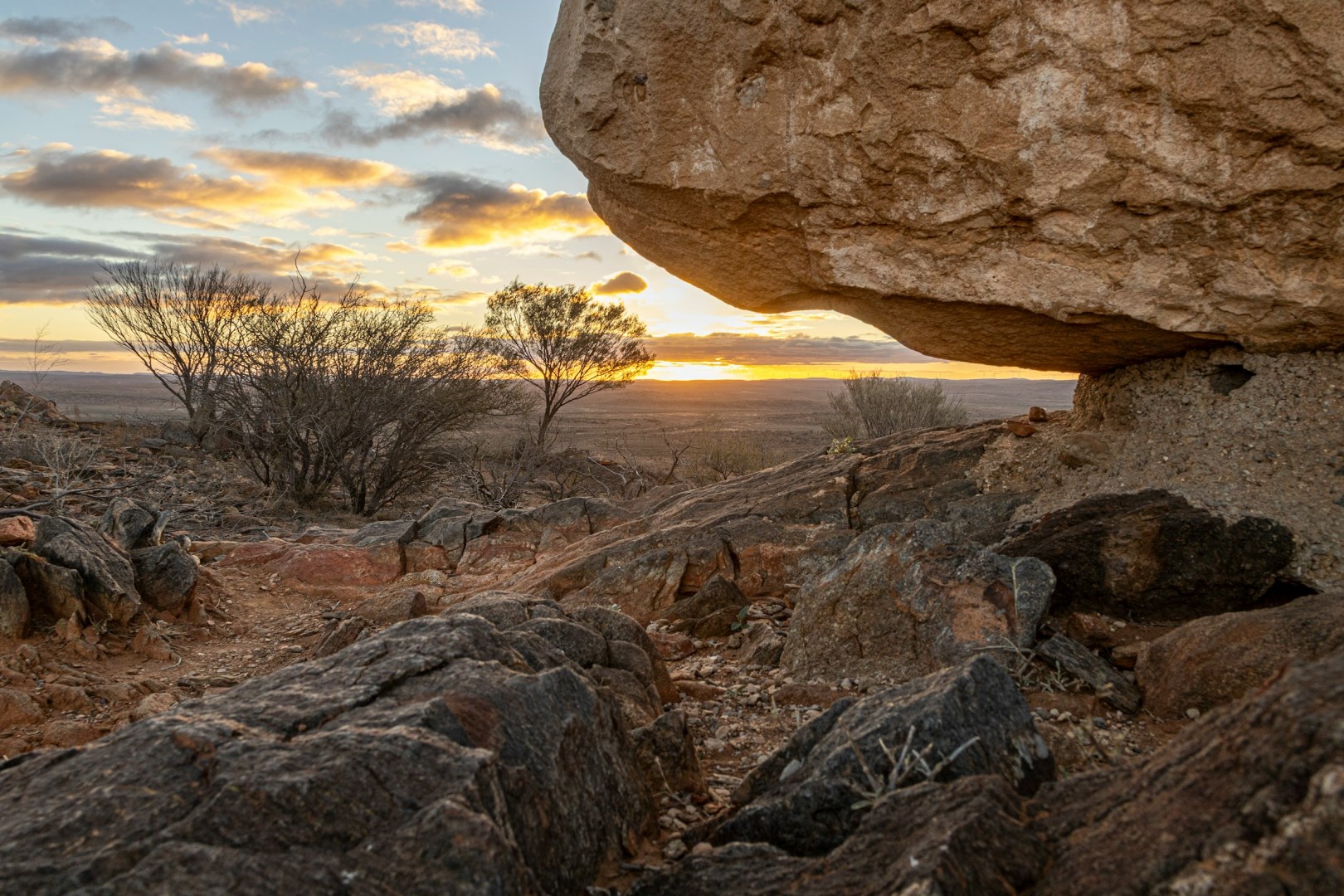
Broken Hill
Broken Hill is a mining town which is also very popular amongst Australian artists. The town is known as ‘Silver City’ and still mines for Silver, lead and zinc today. However there is only one mine that is still open today. When you get here be prepared to change your watches.
Zeeland
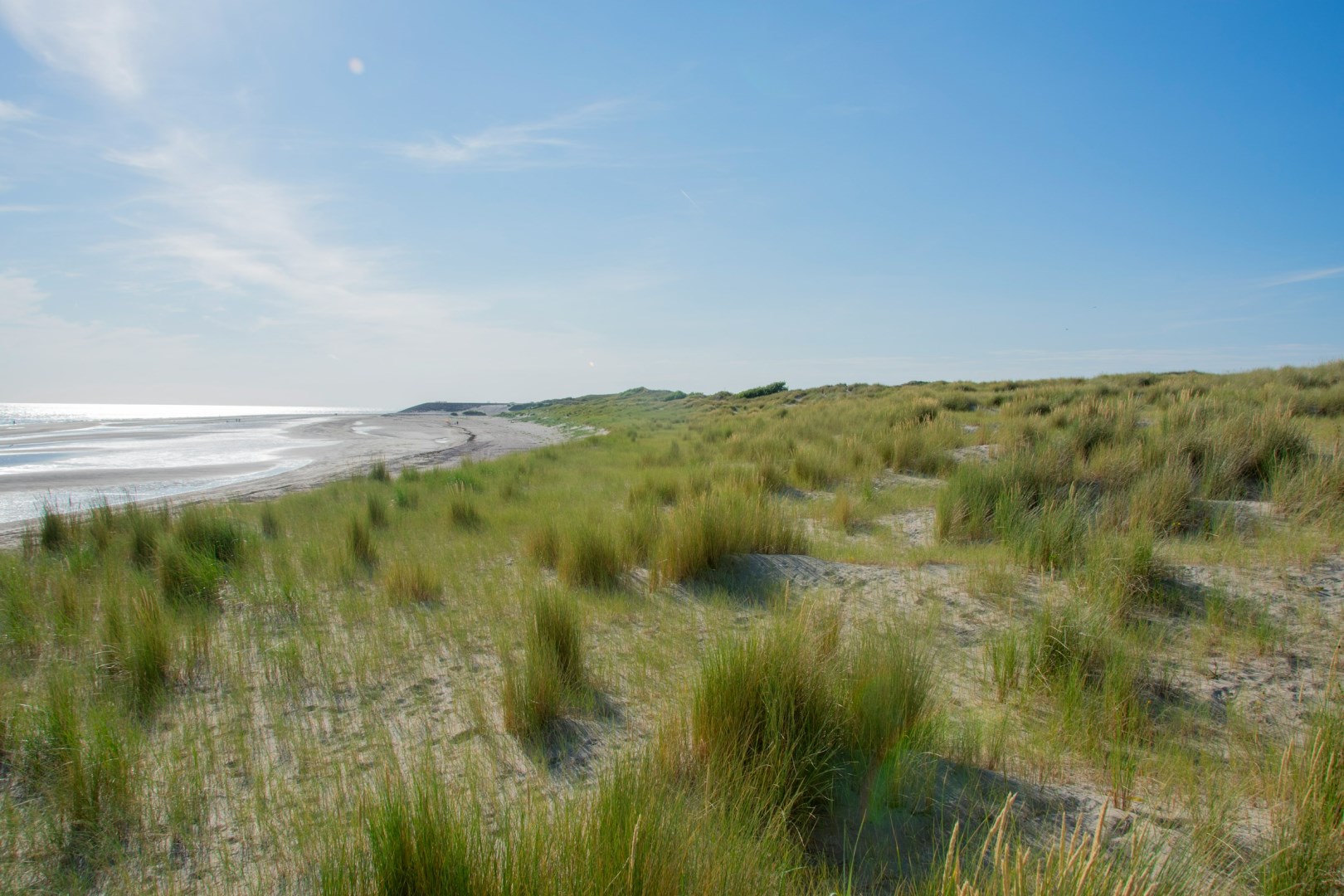
Zeeland is a southwestern province of the Netherlands shaped by its position between the North Sea and the Scheldt estuary. Much of the region consists of islands, peninsulas, polders, dikes, dunes, and tidal waterways, with towns such as Middelburg, Zierikzee, Veere, and Goes providing historic centers within the wider landscape. Zeeland has about 650 kilometers of coastline, and its relationship with water influences settlement, agriculture, transport, and daily life.