Willemstad, the capital of Curaçao, is unlike any other city in the Caribbean. With its pastel-colored buildings lining the waterfront and a layout shaped by Dutch colonial planning, the city blends European design with Caribbean culture. Its historic center, divided by Sint Anna Bay into Punda and Otrobanda, has been recognized as a UNESCO World Heritage Site.
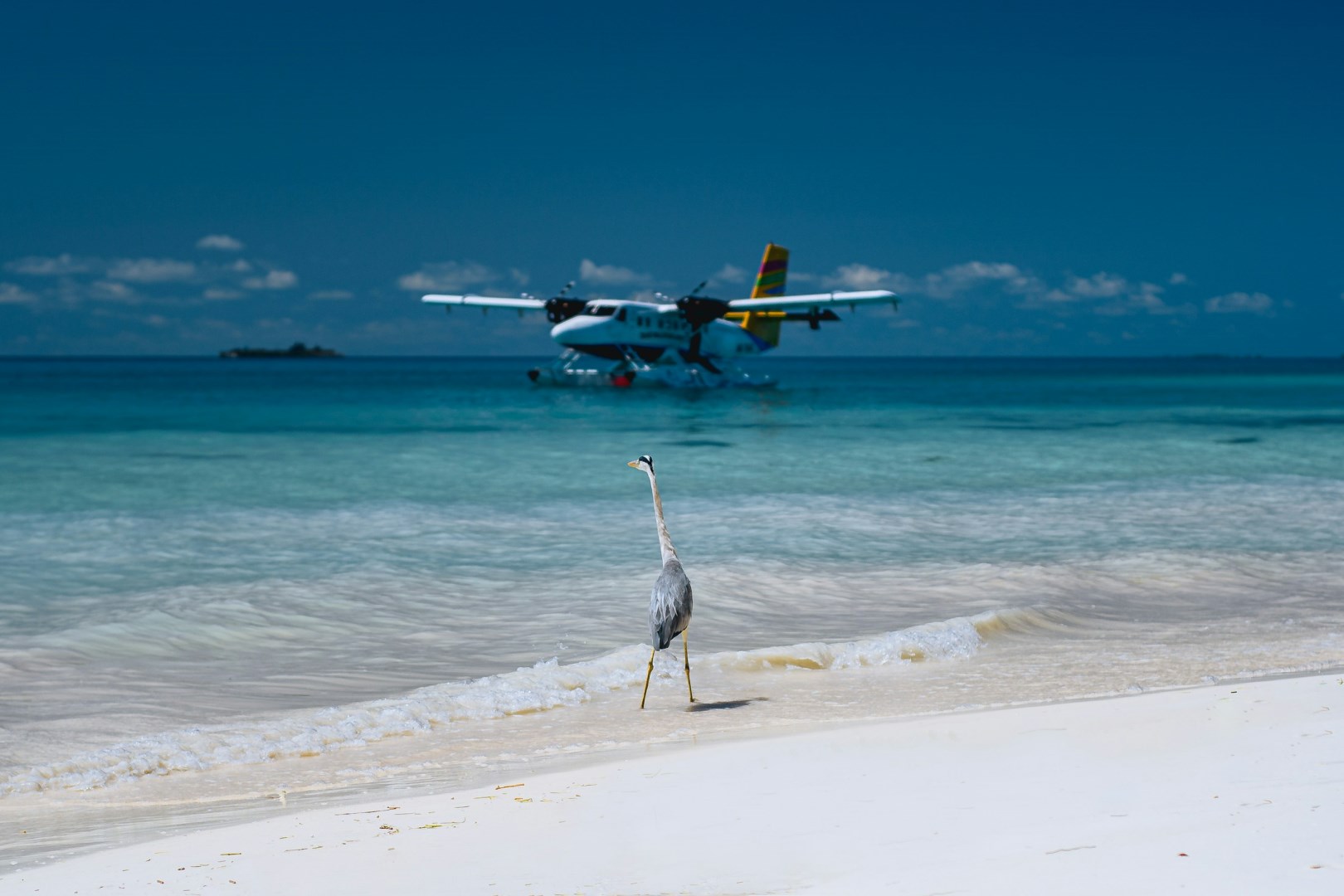
Alifu Dhaalu Atoll, also known as South Ari Atoll, lies southwest of Malé in the central Maldives and includes a mixture of inhabited islands, uninhabited islets, sandbanks, and resort islands. The atoll is surrounded by coral reefs and clear lagoon waters, while many of its inhabited islands retain compact communities shaped by fishing and maritime traditions. Mahibadhoo serves as the administrative capital, with Dhangethi, Dhigurah, Omadhoo, and Mandhoo among the better-known local islands.
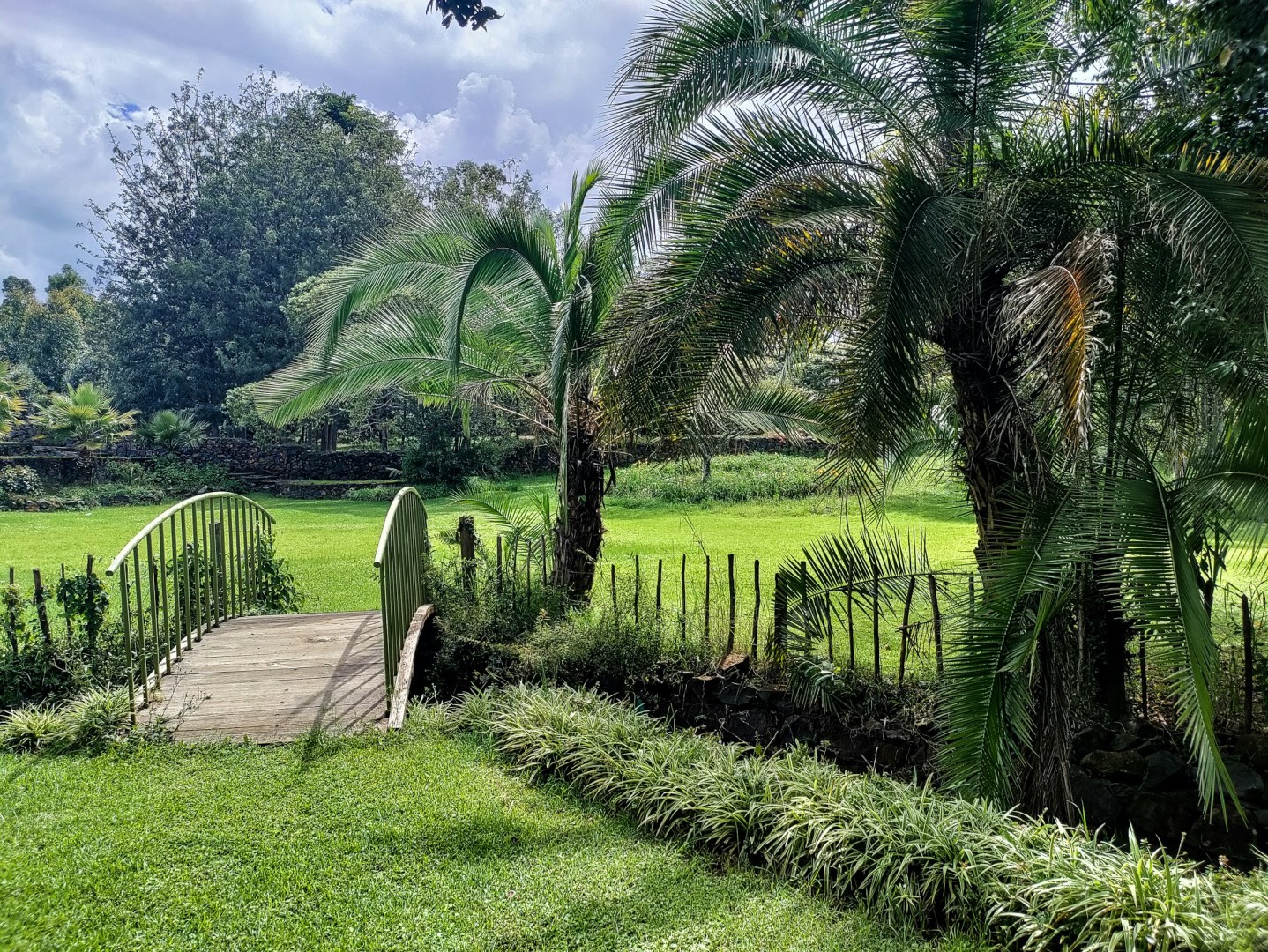
The town of Eldoret is located in western Kenya, eastern Africa, on the Uasin Gishu Plateau west of the Great Rift Valley. Situated at an elevation of 6,857 feet (2,090 m) above sea level, its healthful climate attracted many European settlers during the colonial period. It serves an agricultural area; chief crops are corn (maize), wheat, and pyrethum.
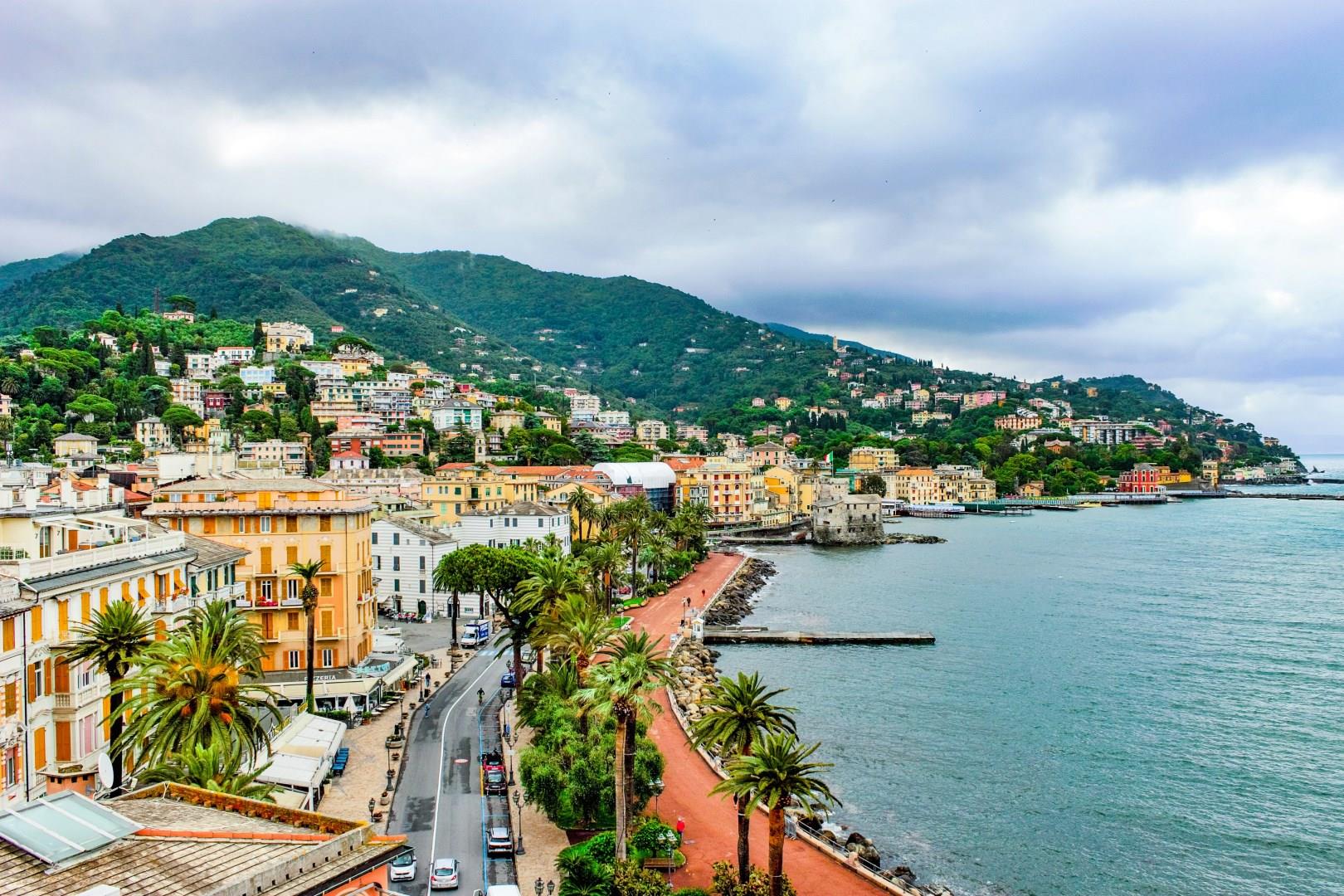
Photo Credit: Photo by Raimond Klavins on Unsplash
Photo Credit: Photo by Dyaa Saleh on Unsplash
Photo Credit: Photo by Bogdan Nanescu on Unsplash
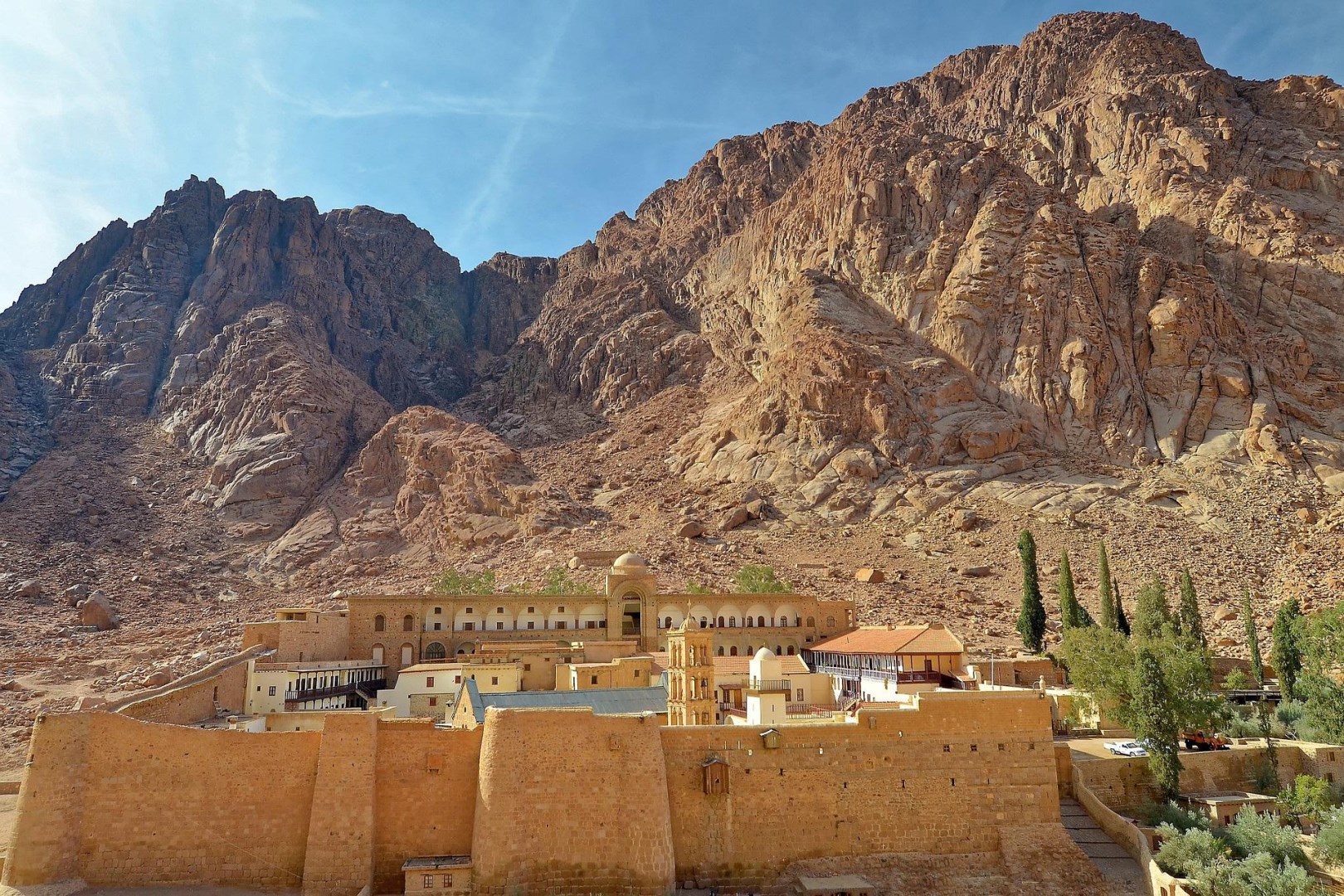
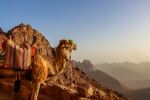
St. Catherine's Monastery, nestled at the foot of Mount Sinai in Egypt, is a beacon of historical and spiritual significance. Founded in the 6th century by Emperor Justinian, this ancient monastery is one of the world's oldest continuously operating Christian monasteries and is a UNESCO World Heritage Site. It houses a remarkable collection of early Christian manuscripts and icons, including the famous Codex Sinaiticus, one of the earliest complete manuscripts of the Bible. Visitors can explore its well-preserved Byzantine architecture, including the stunning Church of the Transfiguration, which holds a rich history in its walls.
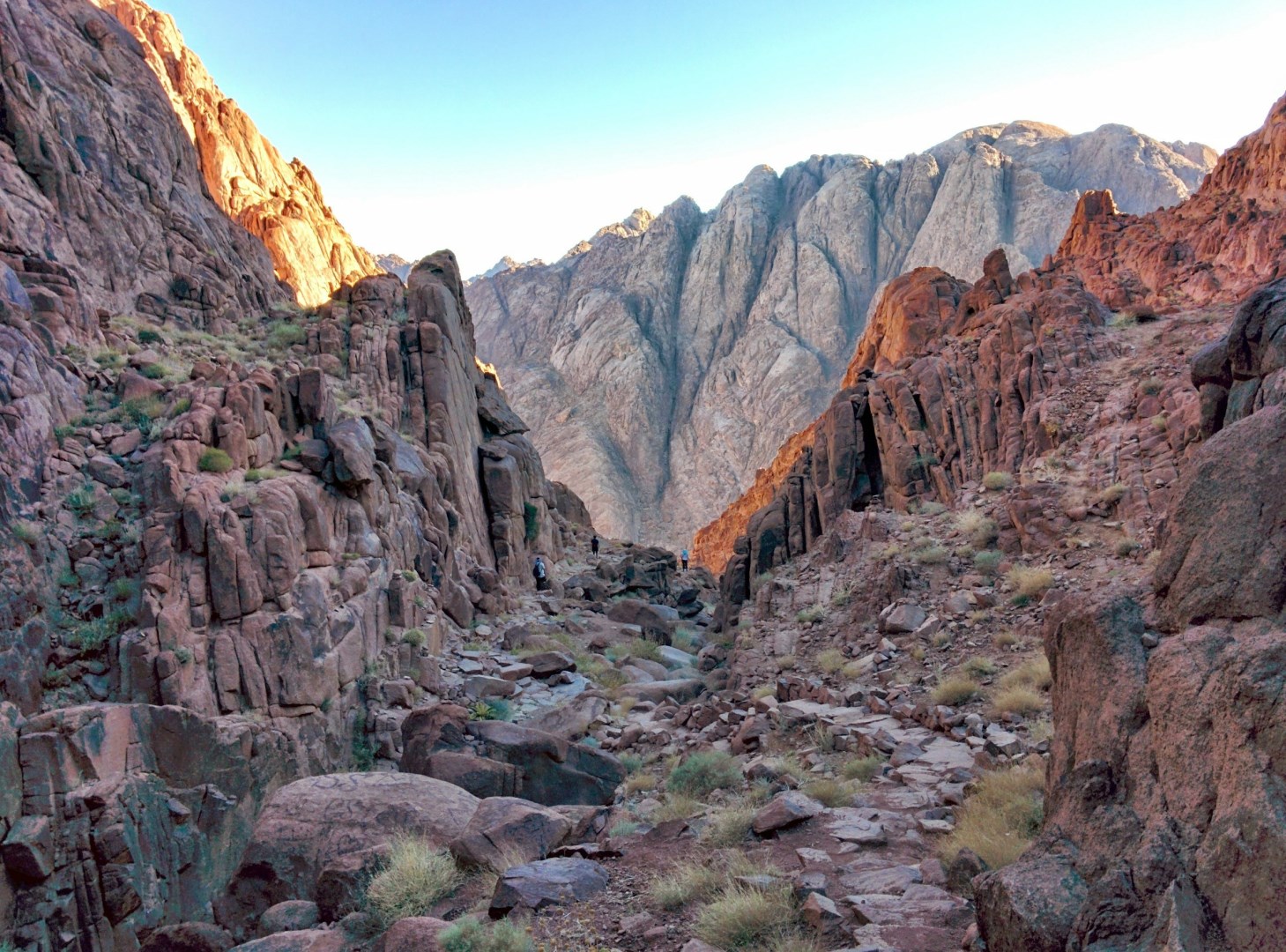
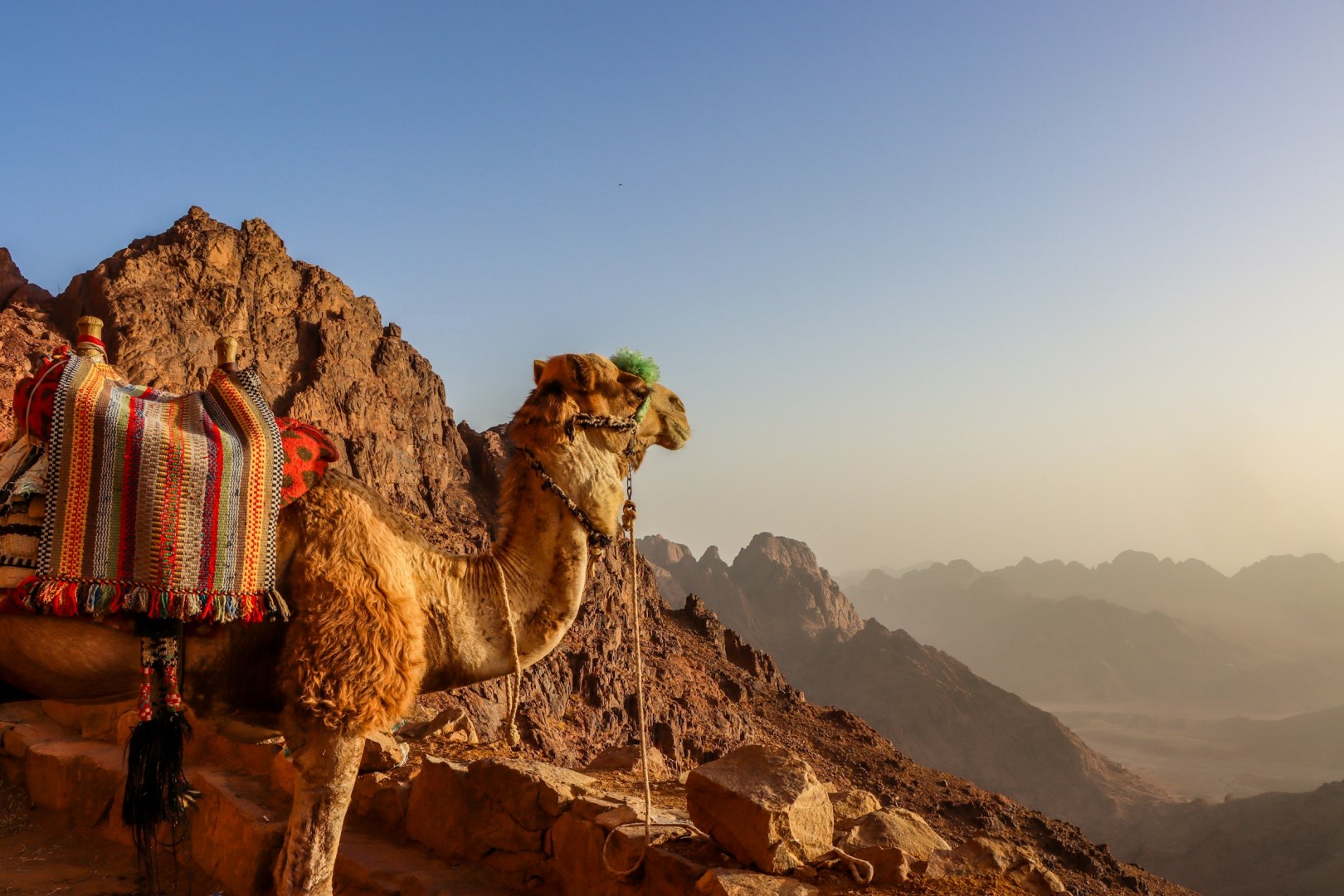
The monastery’s location adds to its allure, surrounded by the rugged, dramatic landscapes of the Sinai Peninsula. The ascent of Mount Sinai, traditionally associated with the biblical account of Moses receiving the Ten Commandments, offers breathtaking views and a profound sense of connection to ancient spiritual traditions. The trek is particularly rewarding at sunrise or sunset, when the desert's colors transform into an awe-inspiring display of nature's palette.
Beyond its religious and historical treasures, the monastery's collection of ancient icons and manuscripts is a treasure trove for scholars and art enthusiasts alike. The Icon Gallery features works of art that span over a millennium, reflecting the rich cultural and religious tapestry of the region.
For the best experience, visit during the cooler months from October to April. This period offers a more comfortable climate for hiking and exploring, and allows you to fully appreciate the serene and spiritual ambiance of this historical sanctuary.
Fun Fact: The monastery’s library, which houses one of the world's oldest surviving Christian manuscripts, is considered one of the most important libraries of early Christian texts and is renowned for its collection of over 3,300 manuscripts
Other Popular Destinations in Egypt
Cairo
Upon the banks of the mighty Nile River, the renowned city of Cairo stands tall as an iconic world capital and a well-preserved relic of antiquity. Immerse yourself in this historically significant city, replete with architectural wonders, mesmerizing artifacts, and sprawling markets humming with energy.
Luxor
Luxor, often referred to as the world’s greatest open-air museum, is a city where ancient history and breathtaking archaeology converge. Nestled along the eastern bank of the Nile River, Luxor is home to some of the most remarkable and well-preserved relics of ancient Egypt. A visit to the Karnak Temple Complex, an expansive and awe-inspiring site dedicated to the Theban triad of gods, reveals the grandeur of ancient Egyptian architecture and religious practices.