Dominica, known as the “Nature Island of the Caribbean,” is a haven for eco-tourists and adventure seekers. Nestled between the French islands of Guadeloupe and Martinique, this lush island boasts a remarkable landscape of volcanic mountains, dense rainforests, and stunning waterfalls. Dominica’s most iconic natural wonder is the Boiling Lake, the second-largest hot spring in the world.
Moldova, a hidden gem nestled in the heart of Eastern Europe, invites travelers to discover a unique blend of history, culture, and nature. Often overlooked by mainstream tourism, this charming country boasts a rich tapestry of traditions that date back over a thousand years. Visitors can explore ancient monasteries and stunning landscapes along the Răut River.
The Dolomites, a spectacular mountain range in northern Italy, offer a captivating blend of dramatic landscapes and outdoor adventure. Renowned for their unique jagged peaks and stunning natural beauty, the Dolomites are part of the Southern Limestone Alps and are a UNESCO World Heritage Site.
Naples, Florida, embodies the essence of coastal charm and luxury on the Gulf of Mexico. Renowned for its stunning beaches and pristine waters, Naples offers visitors a quintessential Florida experience. The city’s Naples Pier is a local landmark and a must-visit spot for panoramic views, fishing, and beautiful sunsets. Whether you’re strolling along the pier or relaxing on the sandy shores, the scenic beauty of Naples is sure to captivate.
Agadir, a vibrant coastal city in southwestern Morocco, is renowned for its beautiful beaches and modern amenities. Located on the Atlantic Ocean, Agadir is famous for its long, sandy coastline which stretches for over 10 kilometers (6 miles). The city's beach is perfect for sunbathing, swimming, and engaging in water sports such as surfing and jet skiing. Agadir's temperate climate, with mild winters and warm summers, makes it a year-round destination for beachgoers.
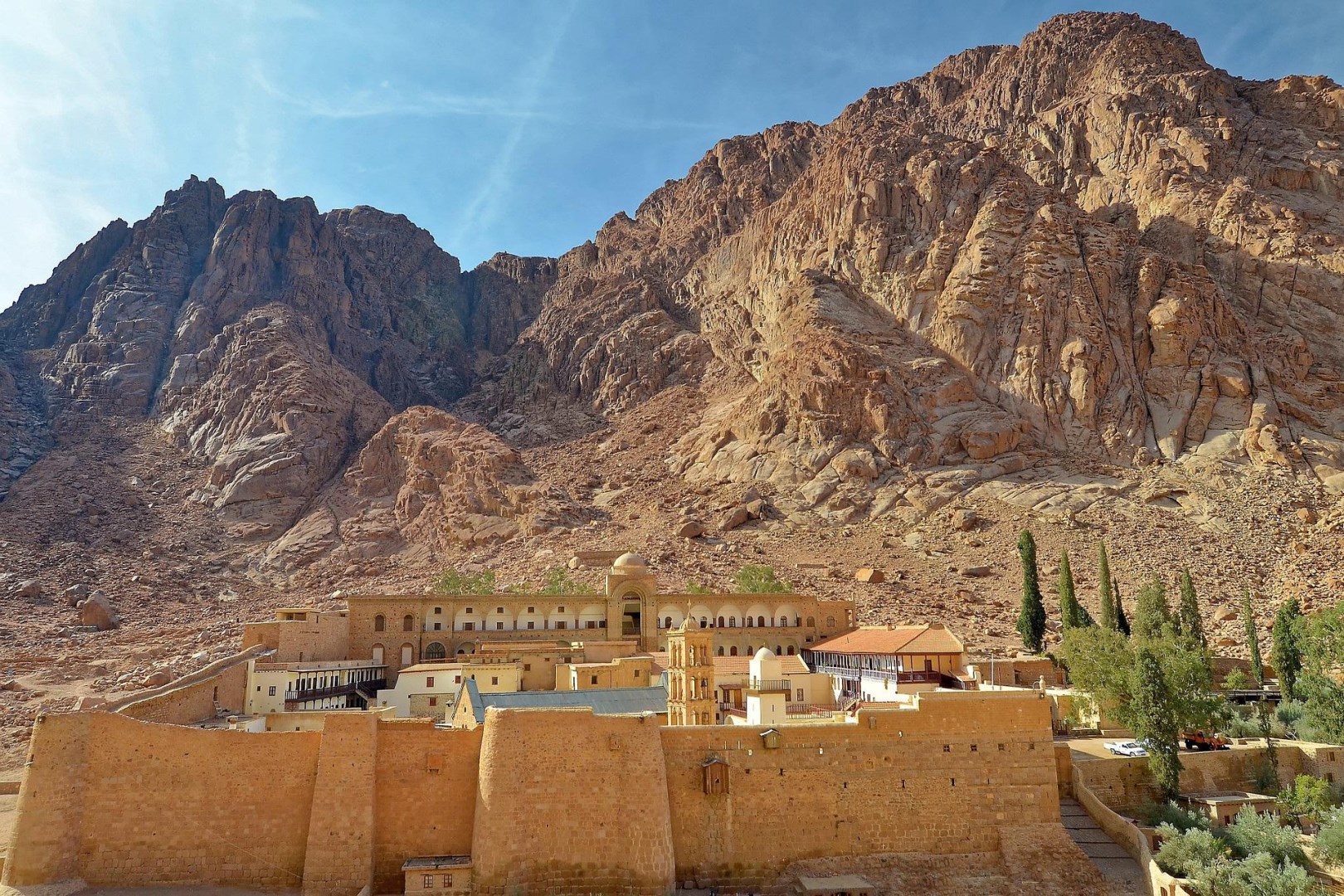
St. Catherine's Monastery, nestled at the foot of Mount Sinai in Egypt, is a beacon of historical and spiritual significance. Founded in the 6th century by Emperor Justinian, this ancient monastery is one of the world's oldest continuously operating Christian monasteries and is a UNESCO World Heritage Site. It houses a remarkable collection of early Christian manuscripts and icons, including the famous Codex Sinaiticus, one of the earliest complete manuscripts of the Bible. Visitors can explore its well-preserved Byzantine architecture, including the stunning Church of the Transfiguration, which holds a rich history in its walls.
The monastery’s location adds to its allure, surrounded by the rugged, dramatic landscapes of the Sinai Peninsula. The ascent of Mount Sinai, traditionally associated with the biblical account of Moses receiving the Ten Commandments, offers breathtaking views and a profound sense of connection to ancient spiritual traditions. The trek is particularly rewarding at sunrise or sunset, when the desert's colors transform into an awe-inspiring display of nature's palette.
Beyond its religious and historical treasures, the monastery's collection of ancient icons and manuscripts is a treasure trove for scholars and art enthusiasts alike. The Icon Gallery features works of art that span over a millennium, reflecting the rich cultural and religious tapestry of the region.
For the best experience, visit during the cooler months from October to April. This period offers a more comfortable climate for hiking and exploring, and allows you to fully appreciate the serene and spiritual ambiance of this historical sanctuary.
Fun Fact: The monastery’s library, which houses one of the world's oldest surviving Christian manuscripts, is considered one of the most important libraries of early Christian texts and is renowned for its collection of over 3,300 manuscripts