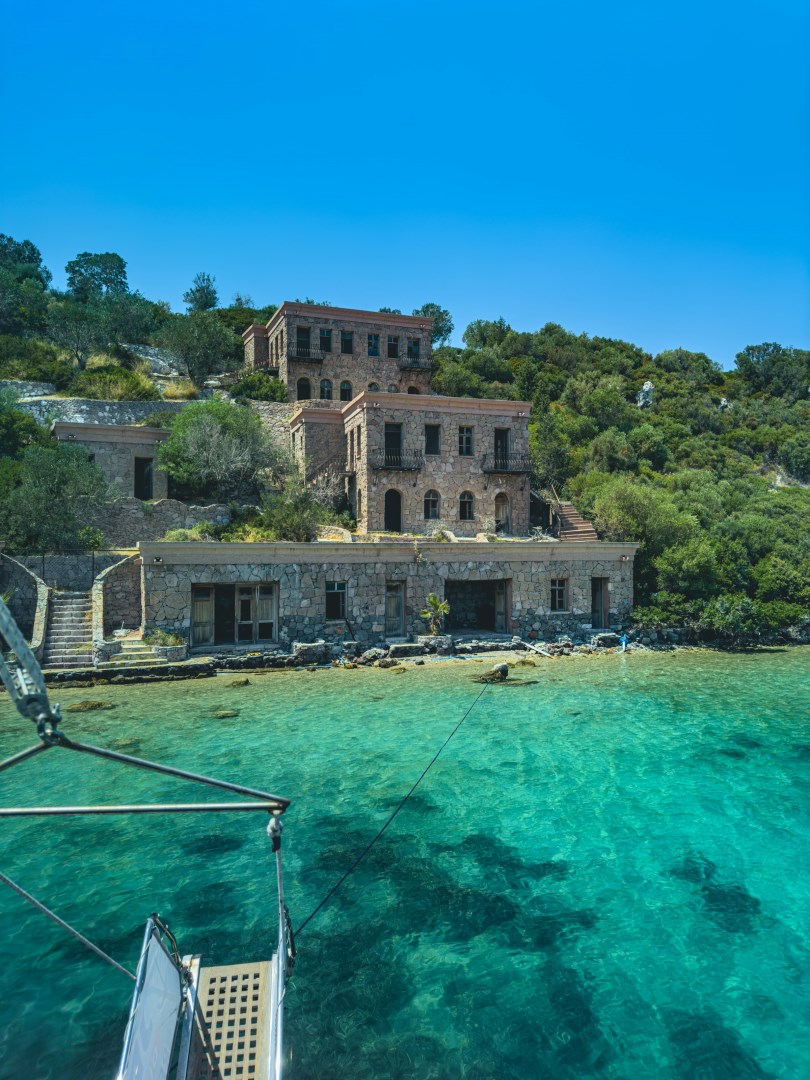
Algarve
The Algarve, Portugal's southernmost region, is a treasure trove of stunning landscapes and rich cultural experiences. Renowned for its breathtaking coastline, the Algarve boasts dramatic cliffs, golden sandy beaches, and crystal-clear waters. The coastline is dotted with picturesque towns like Lagos and Albufeira, which offer a blend of vibrant nightlife and tranquil beaches. The iconic Ponta da Piedade near Lagos is a must-see, with its striking rock formations and secluded caves that can be e

Glasgow
Picturesque Glasgow will instantly charm you with its collection of stunning architecture, historic landmarks, and trendy restaurants and bars. Scotland’s vibrant and eclectic cultural center, Glasgow is an essential destination for travelers to the United Kingdom.

Honduras
Honduras, located in the heart of Central America, is a destination that offers both hidden treasures and well-known wonders. The country’s history is deeply tied to the ancient Maya civilization, with the ruins of Copán, a UNESCO World Heritage Site, standing as one of the most impressive archaeological sites in the region.
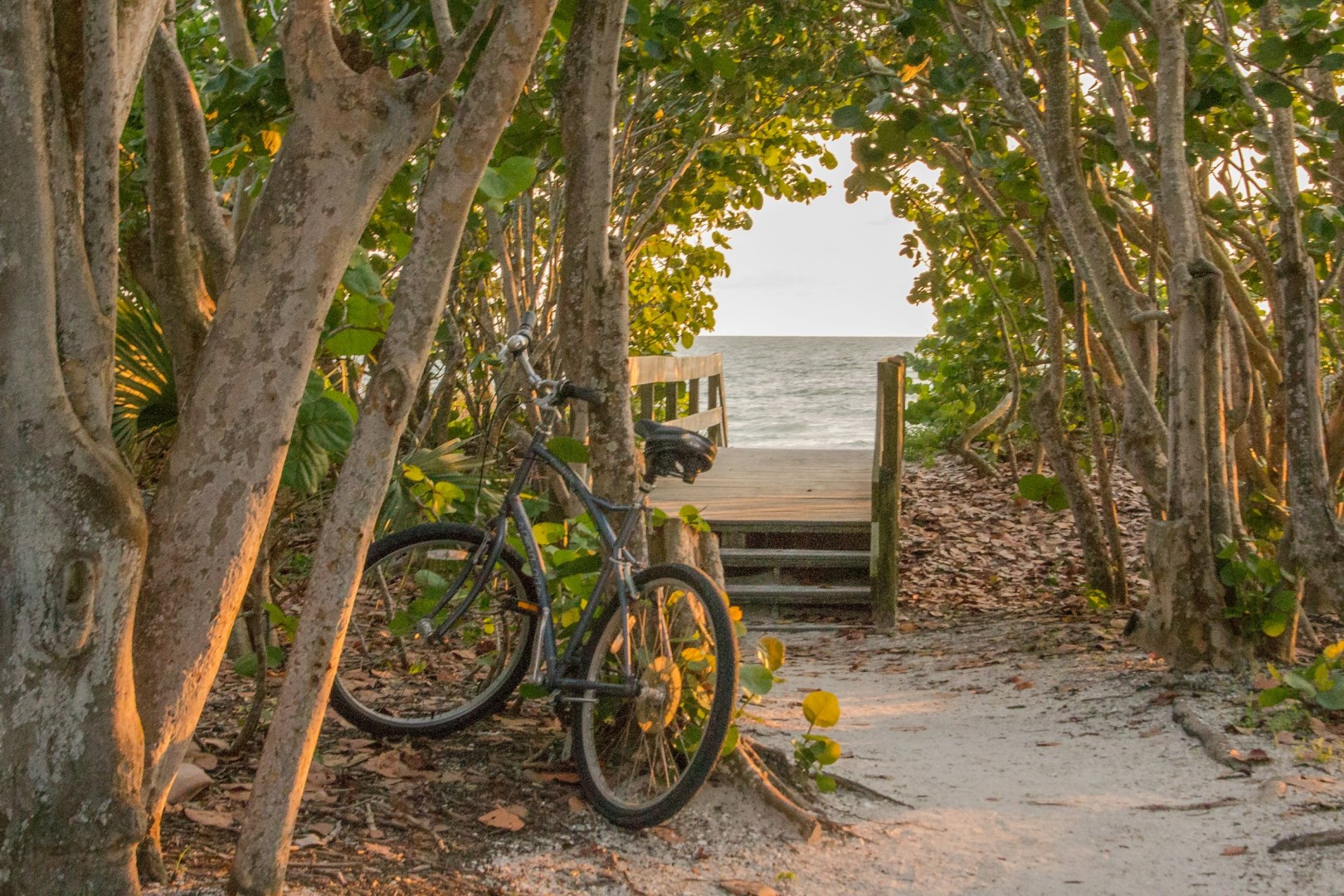
Sanibel Island
Half of the land on Sanibel island is designated as natural areas with two preserves protecting the island ecology and wildlife, while the other half offers resort and glistening beaches.

Rhone River
The Rhône River, flowing through the heart of France and into Switzerland, offers a captivating journey through one of Europe's most scenic and historically rich regions. Originating in the Swiss Alps, this majestic river winds its way southward, carving its path through picturesque landscapes, including the iconic lavender fields of Provence and the lush vineyards of the Rhône Valley.