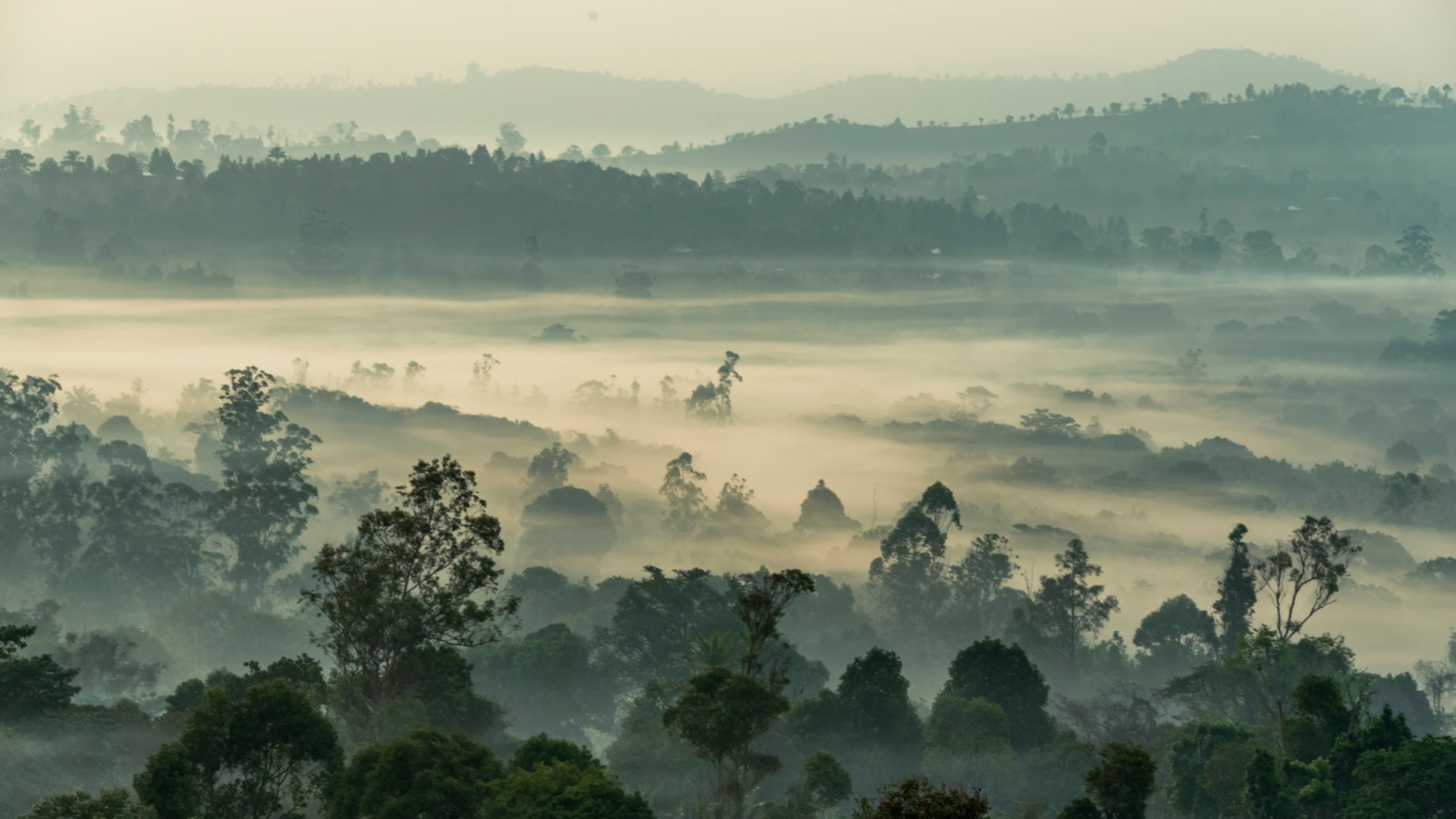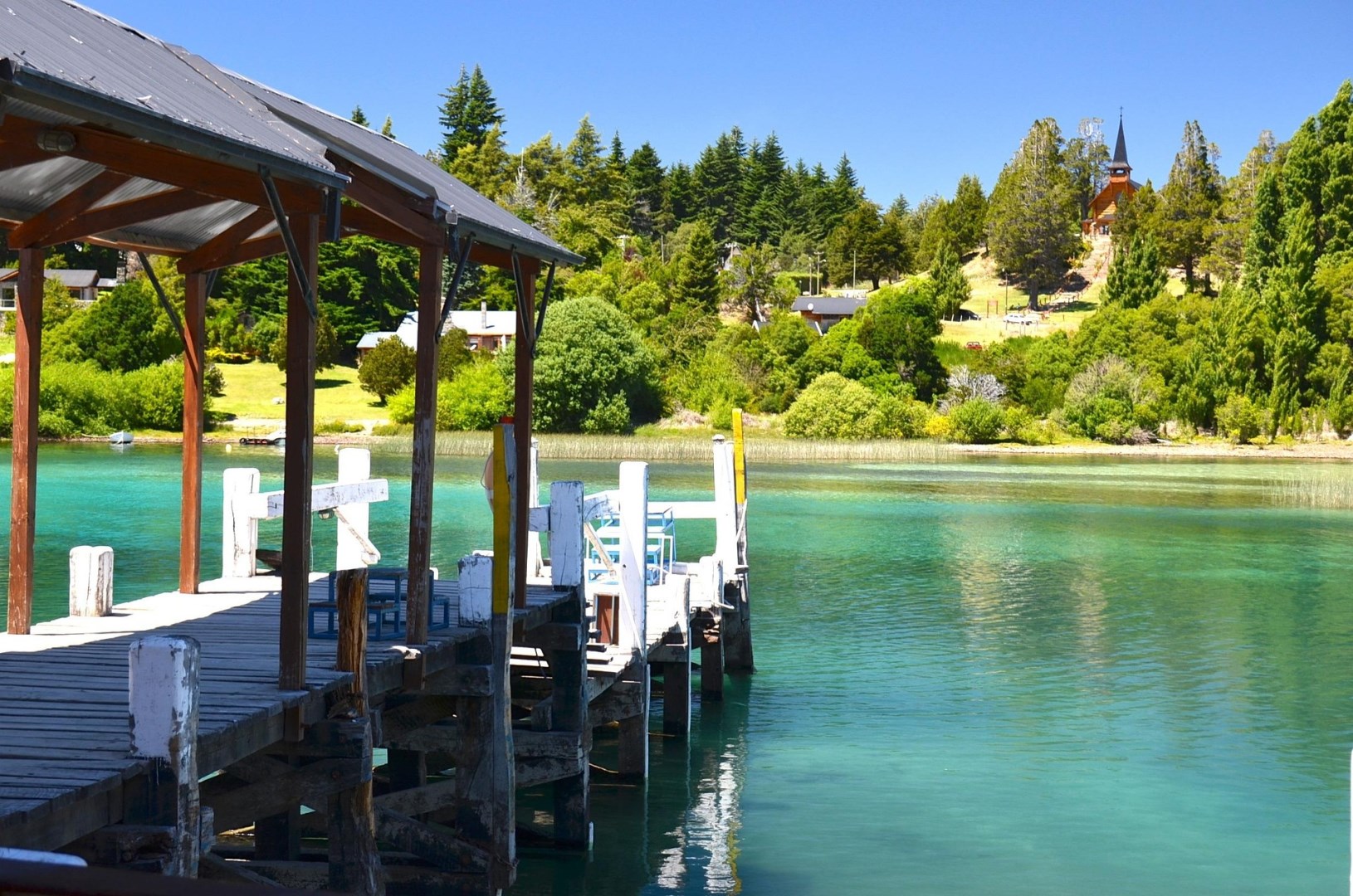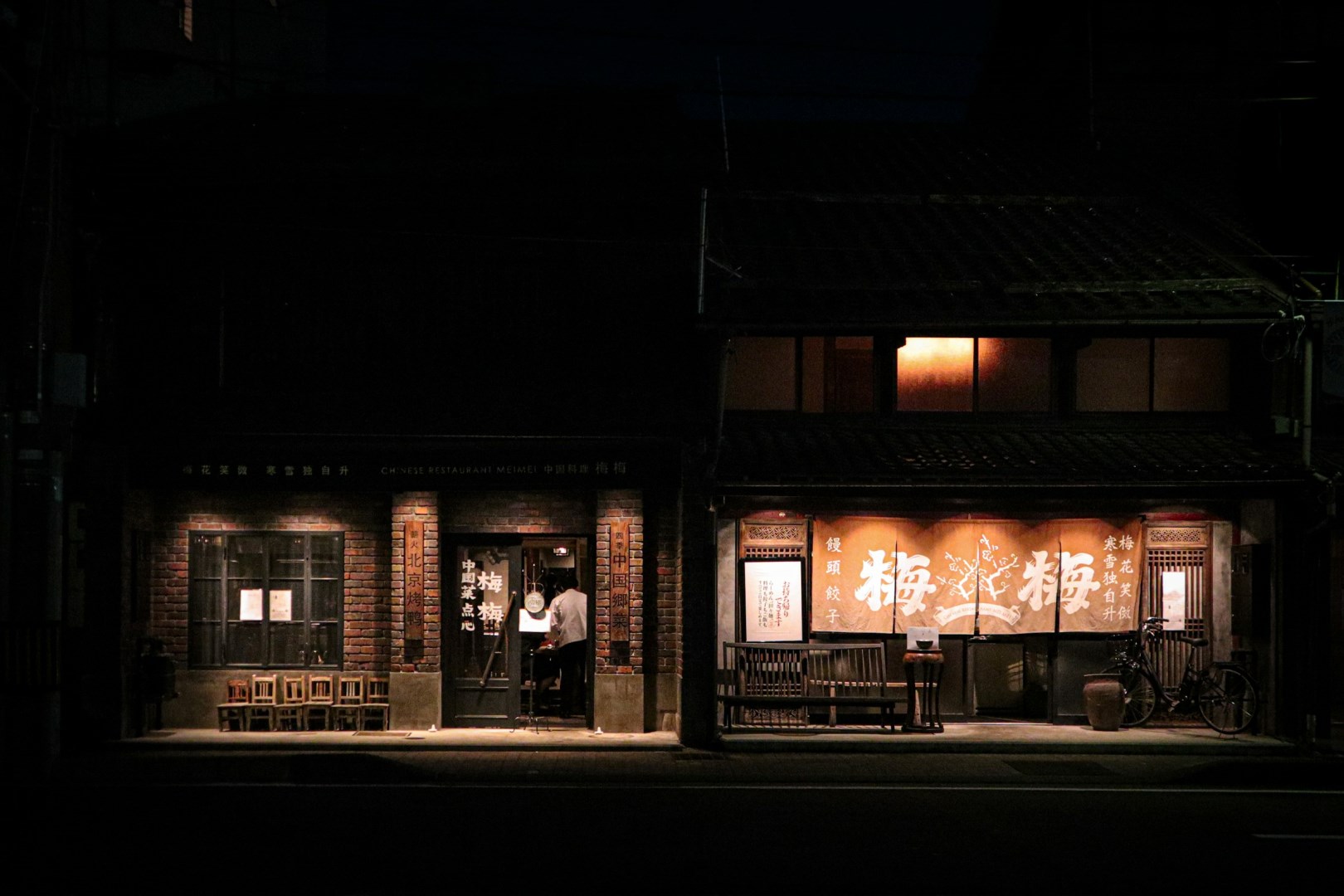
Bogotá, the vibrant capital of Colombia, sits high in the Andes at 2,640 meters above sea level. The city balances historic charm with modern energy, where cobblestone streets meet bold street art and colonial churches stand beside sleek galleries and cafes. At the heart of it all is La Candelaria, Bogotá’s oldest neighborhood, where travelers can visit centuries-old buildings, including the neoclassical Capitol and the richly decorated Gold Museum.
Dominica, known as the “Nature Island of the Caribbean,” is a haven for eco-tourists and adventure seekers. Nestled between the French islands of Guadeloupe and Martinique, this lush island boasts a remarkable landscape of volcanic mountains, dense rainforests, and stunning waterfalls. Dominica’s most iconic natural wonder is the Boiling Lake, the second-largest hot spring in the world.
Suchitoto, located in the Cuscatlán department of El Salvador, is a hilltop town known for its cobblestone streets and scenic views of Lake Suchitlán. Once an important center for indigo production, the town still celebrates its dye-making history through artisan workshops where visitors can learn to create textiles using natural indigo. The name “Suchitoto” comes from the Nahuatl language and means “place of flowers and birds,” a nod to the area’s diverse birdlife and surrounding vegetation.
Nha Trang, located on Vietnam's southern coastline, is a vibrant city renowned for its stunning beaches and dynamic culture. This coastal paradise boasts a 6-kilometer stretch of golden sand along Nha Trang Beach, where turquoise waters meet palm-fringed shores, perfect for sunbathing and swimming.
Plovdiv, one of the oldest continuously inhabited cities in Europe, carries over 8,000 years of history layered into its streets. The Roman Theater, still in use today, was discovered by accident in the 1970s and now hosts operas and concerts overlooking the Rhodope Mountains. Nearby, visitors can walk the remains of a Roman stadium buried beneath the main pedestrian street, where modern shops and cafés stand above ancient foundations.
Photo Credit: Photo by Robby McCullough on Unsplash
Kanazawa, Japan, is a captivating city that offers a unique blend of historical charm and cultural richness. Known for its well-preserved Edo-period districts, Kanazawa is a treasure trove of traditional Japanese experiences. The Kenroku-en Garden, one of Japan’s Three Great Gardens, is a must-visit for any traveler. This beautiful landscape garden features serene ponds, lush greenery, and seasonal flowers, embodying classic Japanese aesthetics.
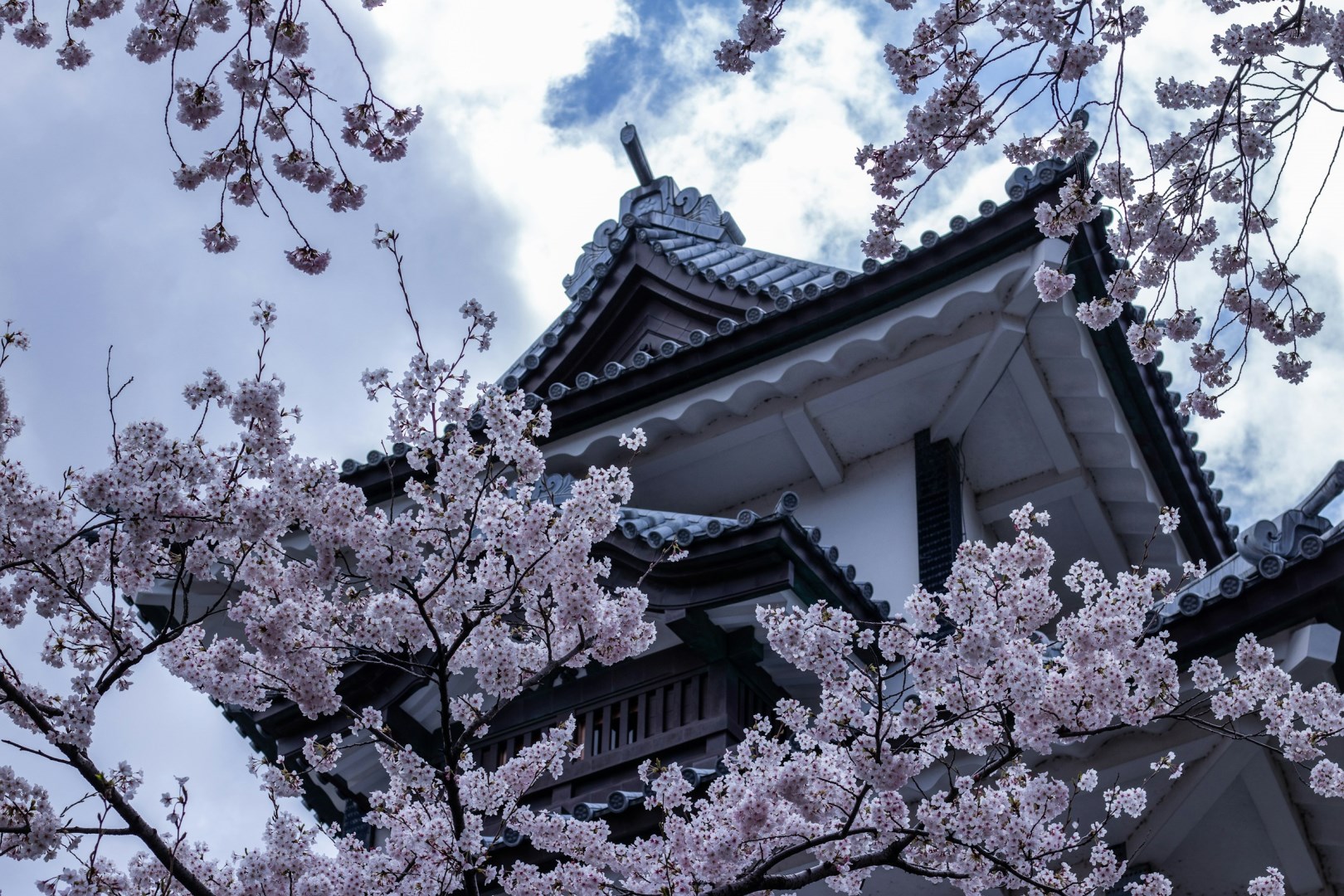
Another gem in Kanazawa is the Kanazawa Castle, which, though rebuilt, retains the grandeur of its original structure. The castle's impressive stone walls and historical exhibits provide a glimpse into the feudal past of the region. Explore the castle grounds and discover the rich history of the Maeda clan, the ruling samurai family of Kanazawa.
For those interested in traditional crafts, Kanazawa is renowned for its gold leaf production, which dates back to the 16th century. The city is home to several workshops where visitors can see artisans at work and even try their hand at creating their own gold leaf art. The Kanazawa Gold Leaf Museum offers a fascinating insight into this craft.
Fun Fact: Kanazawa is also known for its vibrant 21st Century Museum of Contemporary Art, which stands out for its innovative architecture and diverse exhibitions. The museum's round shape and transparent walls make it an architectural marvel in its own right.