Alajuela
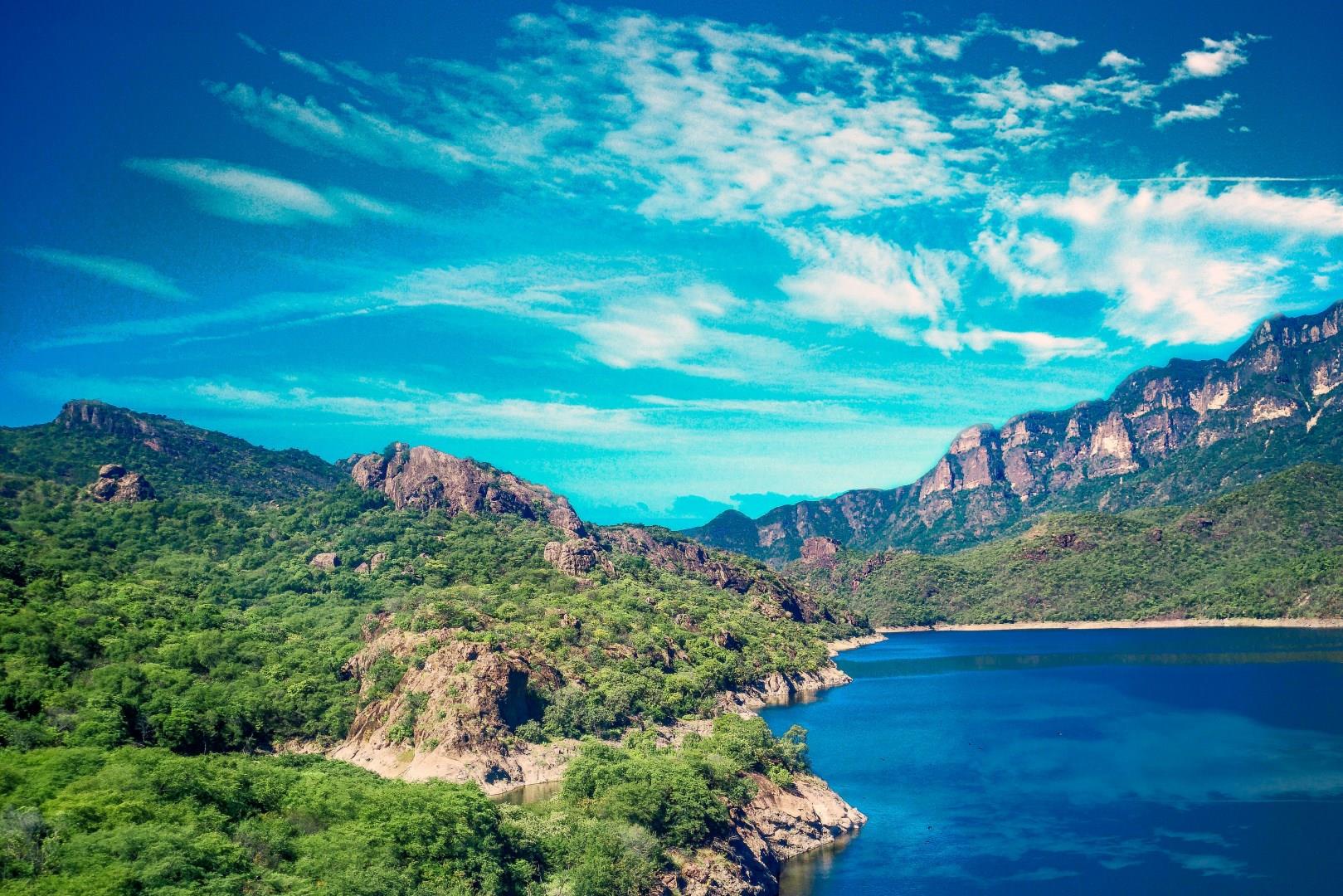
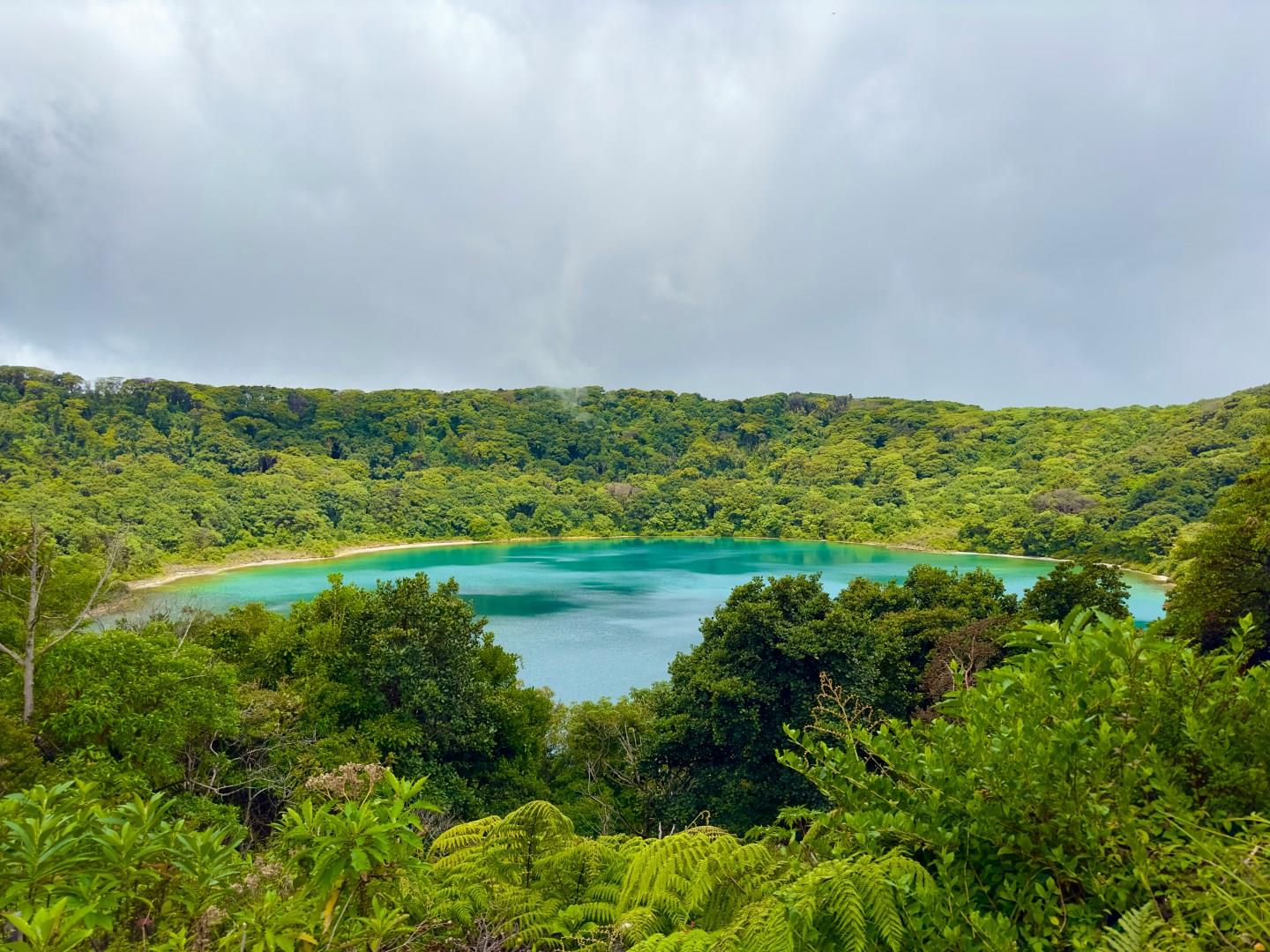
Alajuela, Costa Rica’s second-largest city, offers a mix of history, culture, and natural wonders that make it more than just the gateway to Juan Santamaría International Airport. The city’s central park, cathedral, and museums create a lively hub where local life unfolds, from weekend markets filled with fresh produce to festivals celebrating music and tradition.
Suchitoto
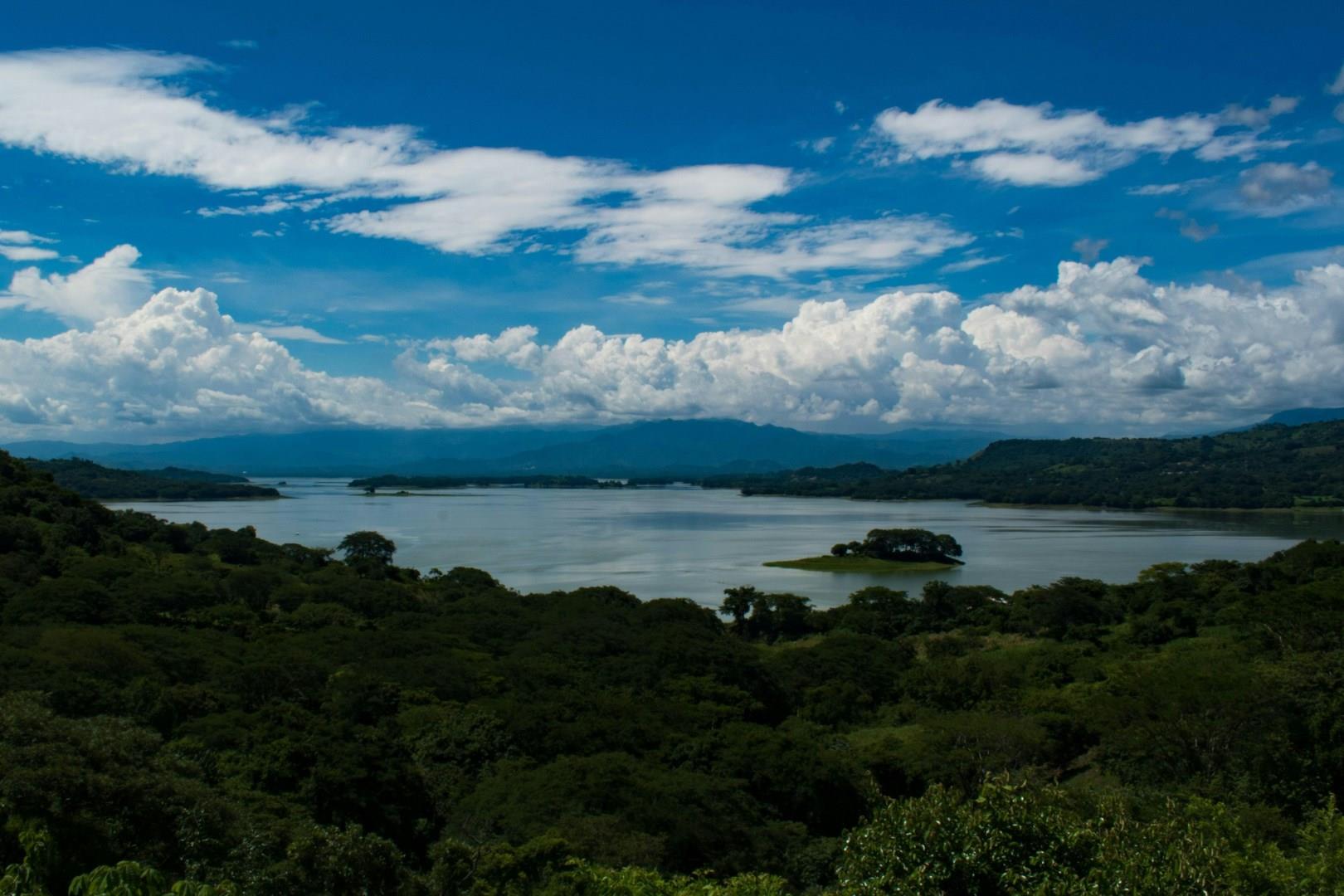
Suchitoto, located in the Cuscatlán department of El Salvador, is a hilltop town known for its cobblestone streets and scenic views of Lake Suchitlán. Once an important center for indigo production, the town still celebrates its dye-making history through artisan workshops where visitors can learn to create textiles using natural indigo. The name “Suchitoto” comes from the Nahuatl language and means “place of flowers and birds,” a nod to the area’s diverse birdlife and surrounding vegetation.

Ulm
Ulm, Germany, a picturesque city on the banks of the Danube River, offers a rich tapestry of history and modern charm. Dominating its skyline is the Ulm Minster, home to the tallest church steeple in the world at 161.5 meters (530 feet). This Gothic masterpiece invites visitors to climb its 768 steps for a breathtaking panoramic view of the city and the surrounding countryside.

Zululand
Zululand, located in South Africa's KwaZulu-Natal province, is a region steeped in history and natural beauty. Known as the heartland of the Zulu nation, Zululand offers visitors a chance to explore the rich cultural heritage of the Zulu people.
Puerto Viejo de Talamanca
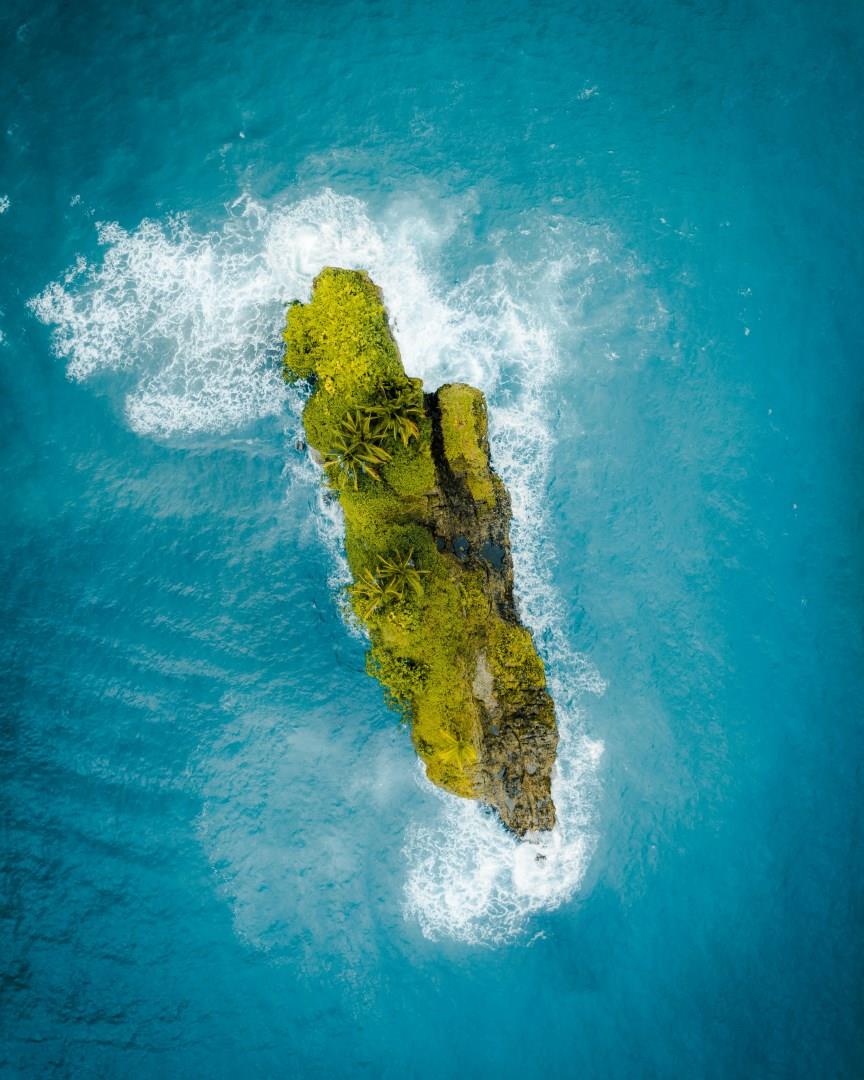
Puerto Viejo de Talamanca, on Costa Rica’s southern Caribbean coast, is a lively seaside town where Afro-Caribbean culture, indigenous traditions, and tropical landscapes come together. Once a quiet fishing village, it is now known for its reggae rhythms, colorful wooden houses, and a laid-back atmosphere.