Panama
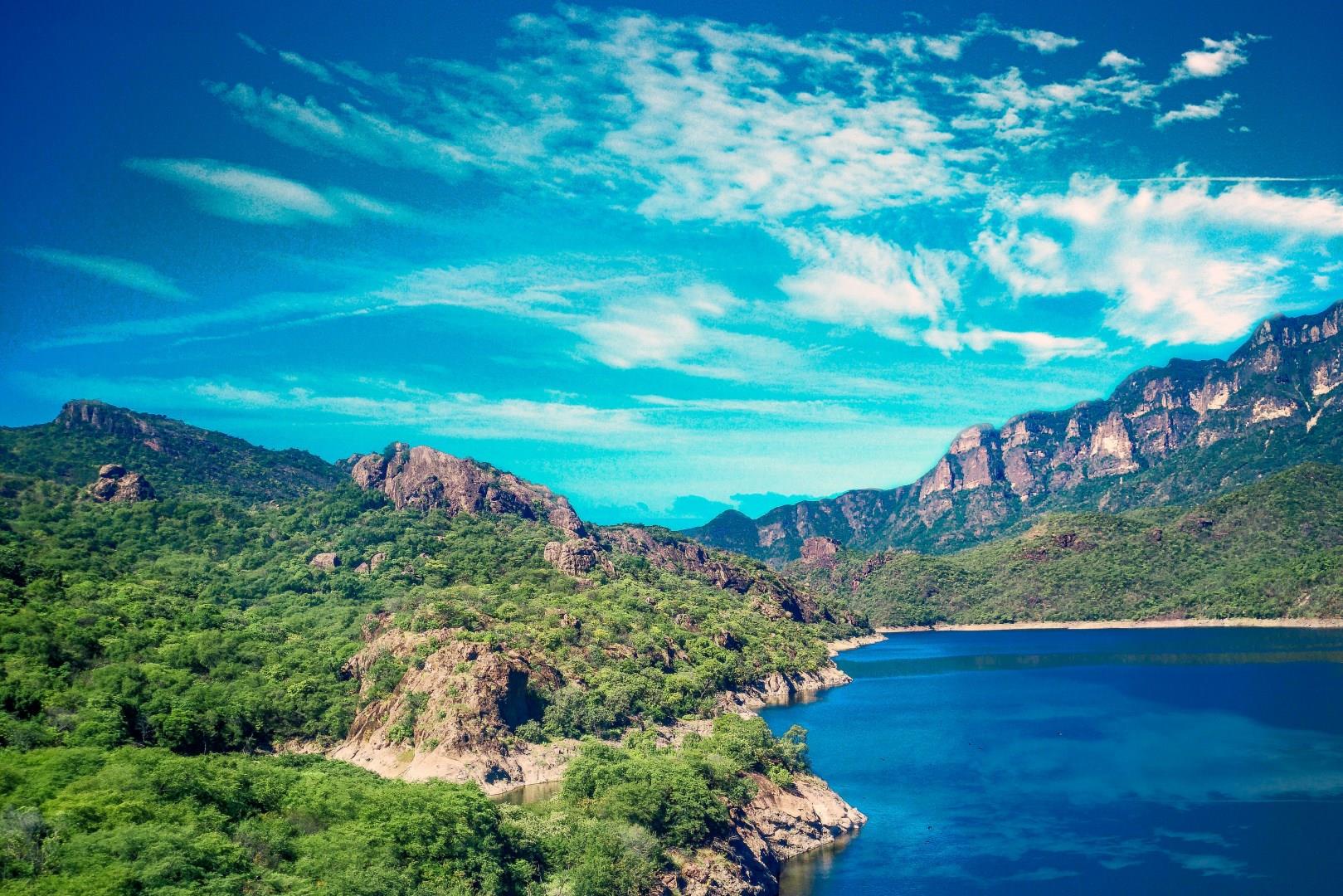
Panama is a country shaped by its geography and defined by its role in global history. The Panama Canal remains its most iconic feature as a 50-mile engineering marvel that connects the Atlantic and Pacific Oceans. Visitors can watch ships pass through the Miraflores Locks from a dedicated observation deck or explore the interactive museum that explains how the canal changed international trade forever.

Torres Del Paine
This is a wild and beautiful area unlike anywhere else in the world. Torres del Paine lies between the central spine of the Andes, nearly buried under a massive ice cap and the steppes of Southern Patagonia.

Iles des Saintes
Framed by an array of tropical flowers, "miniature" houses painted in a pastel palette will enchant you. But, a splash of watercolors is all you'll see as you zip by on a moped. It won't be long before you find the perfect spot for a beach picnic and afternoon of snorkeling.
Fortaleza
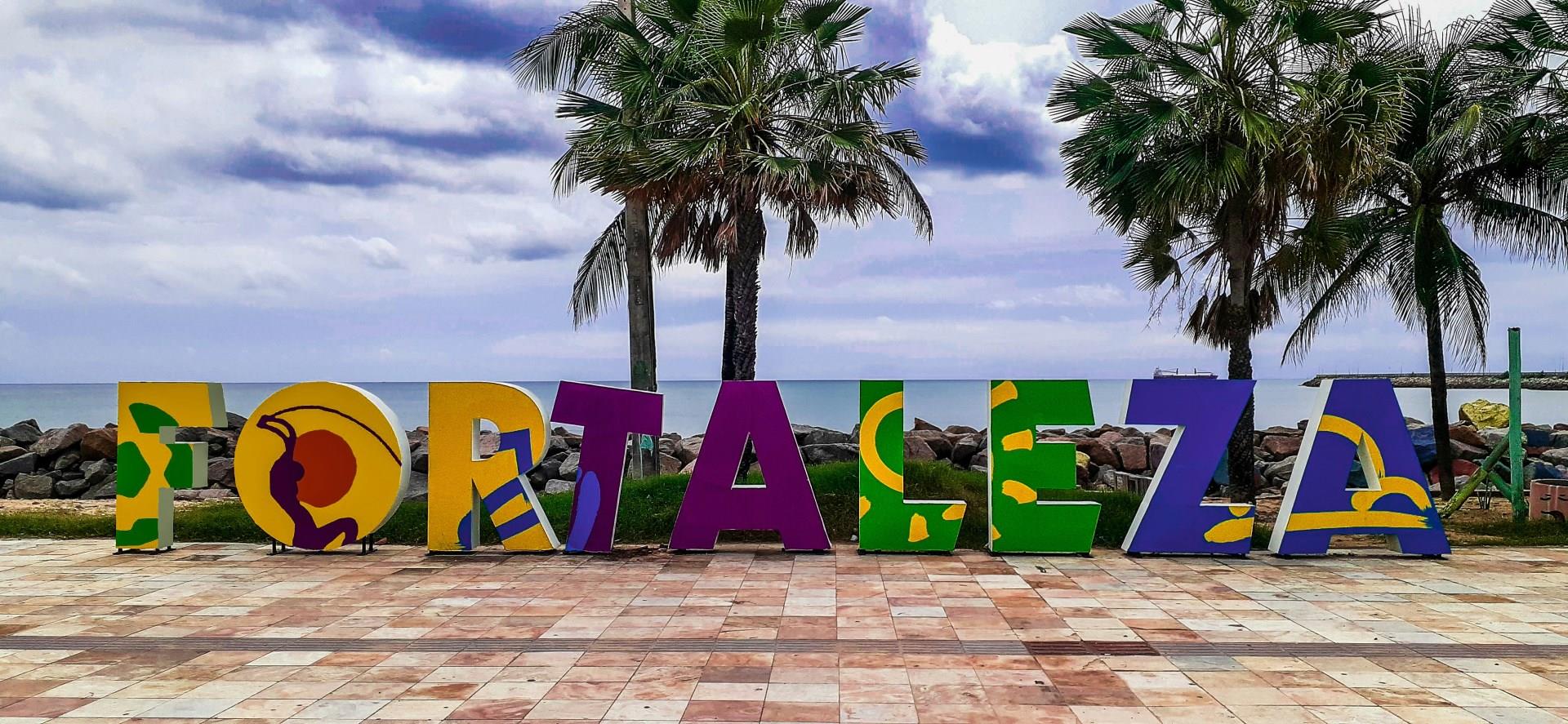
Fortaleza, on Brazil’s northeastern Atlantic coast, greets visitors with wide sandy beaches that stretch for miles along warm, blue water. Beyond the city’s shoreline, dramatic dunes and inviting waters make Fortaleza an ideal base for exploring nearby beach towns like Cumbuco and Canoa Quebrada, each with its own rhythms and landscapes.
South Shetland Islands
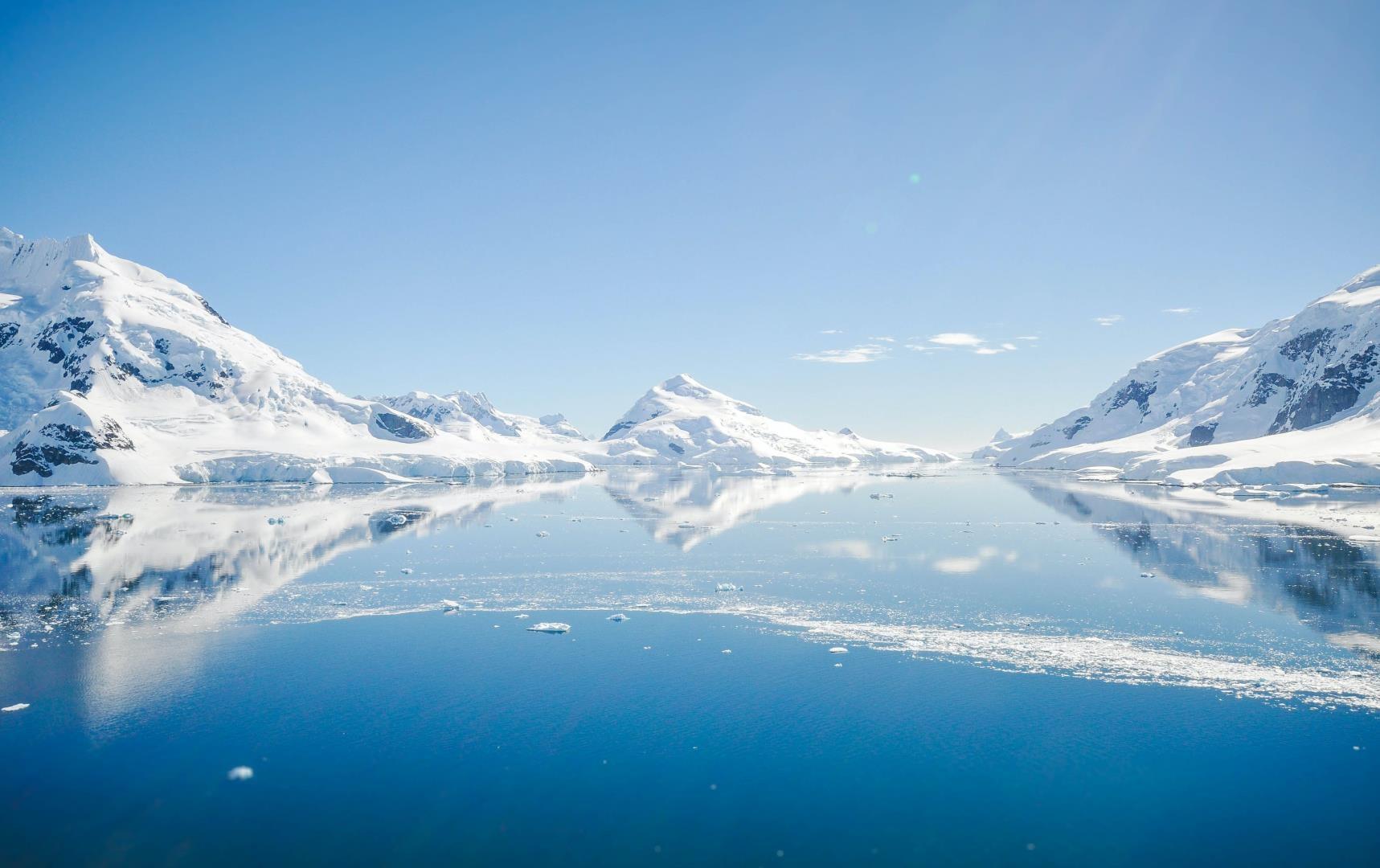
Mist, research stations, and penguins are just a few of the things that define the South Shetland Islands, an archipelago off the coast of Antarctica. These 11 Antarctic islands, most notably King George Island, have served as a base for researchers from Chile, Argentina, and a variety of other countries. The archipelago has also become a popular cruise destination for tourists to the Antarctic region.