Borneo
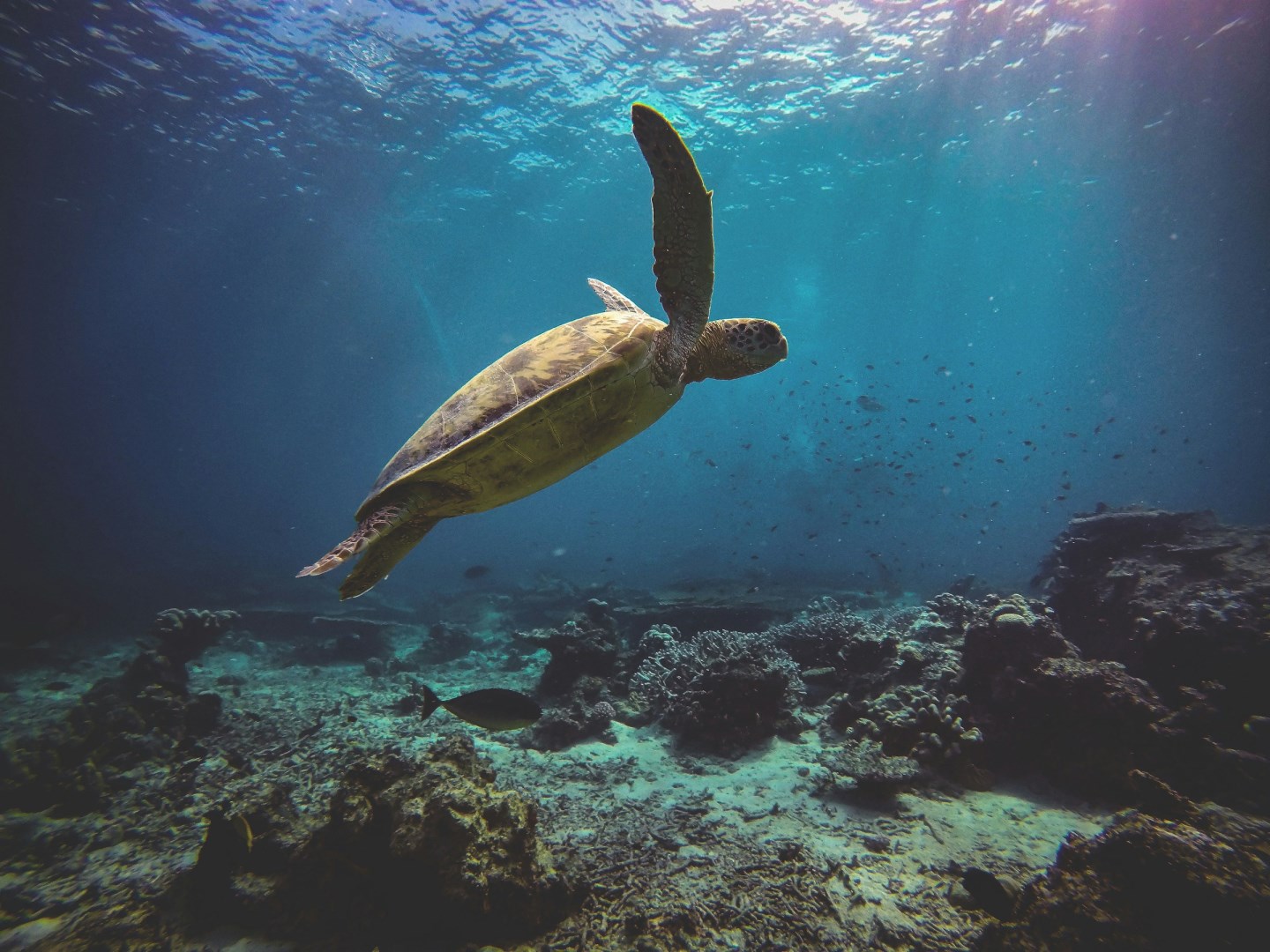
Malaysian Borneo occupies the northern part of Borneo, the world's third-largest island, and consists of the states of Sabah and Sarawak together with the federal territory of Labuan. The region is marked by extensive rainforests, rivers, mountains, limestone formations, and a long coastline along the South China, Sulu, and Celebes seas. Kota Kinabalu and Kuching are the principal urban centers, while smaller communities extend into forest and river regions.
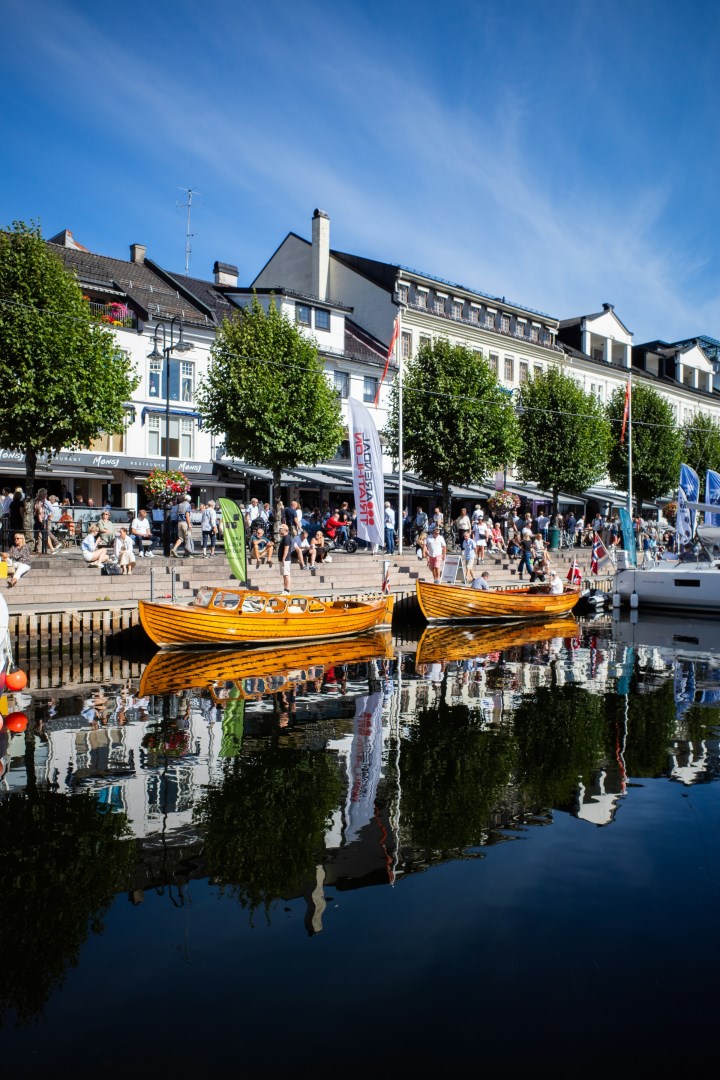
Arendal
Arendal is a coastal city in Agder, southern Norway, set around a sheltered harbor and a chain of islands and skerries along the Skagerrak. The city center combines maritime activity with historic wooden buildings, waterfront streets, and the inner harbor of Pollen. Arendal’s location has long influenced its economy and character, with shipping, forestry, and mining playing important roles in its development.

Cinque Terre
Cinque Terre, a UNESCO World Heritage Site, is a slice of Italian paradise nestled along the rugged Ligurian coast. This collection of five fishing villages—Monterosso, Vernazza, Corniglia, Manarola, and Riomaggiore—offers visitors a breathtaking landscape of pastel-colored homes perched on cliffs overlooking the Mediterranean.

Lithuania
Lithuania offers visitors a chance to explore a country where medieval traditions and modern culture meet. Vilnius, the capital, is known for its well-preserved Old Town, a UNESCO World Heritage site filled with winding streets, baroque churches, and cozy squares. Visitors can climb the hill to Gediminas’ Tower for a sweeping view of the city, or visit the Gates of Dawn, an important religious and historical monument that has welcomed travelers for centuries.

Kamloops
Kamloops, located in the interior of British Columbia, sits at the meeting point of the North and South Thompson Rivers. The name comes from the Secwépemc word “Tk’emlúps,” meaning "where the rivers meet," and the area has been a gathering place for Indigenous communities for thousands of years. Today, visitors can explore this rich cultural heritage at the Secwépemc Museum and Heritage Park, where trails lead through archaeological sites and reconstructed pit houses.