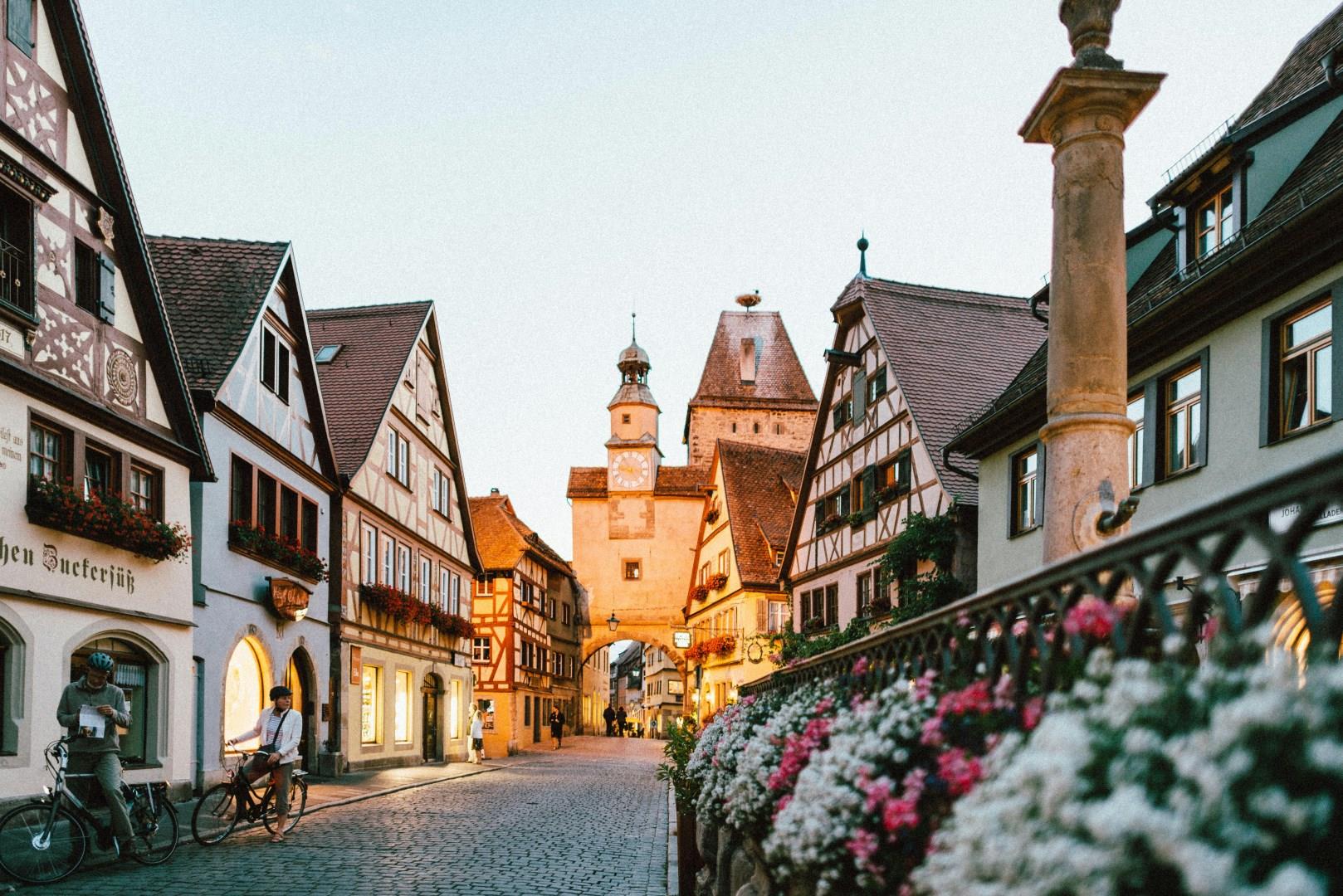
Rothenburg
Rothenburg ob der Tauber rises above the Tauber River in Bavaria, where its medieval town center has stood largely unchanged for centuries, making it one of Germany’s most vivid windows into the past. This old walled city stretches along cobblestone streets where half-timbered houses, ancient towers, and narrow alleys invite visitors to wander and imagine life in the Middle Ages.
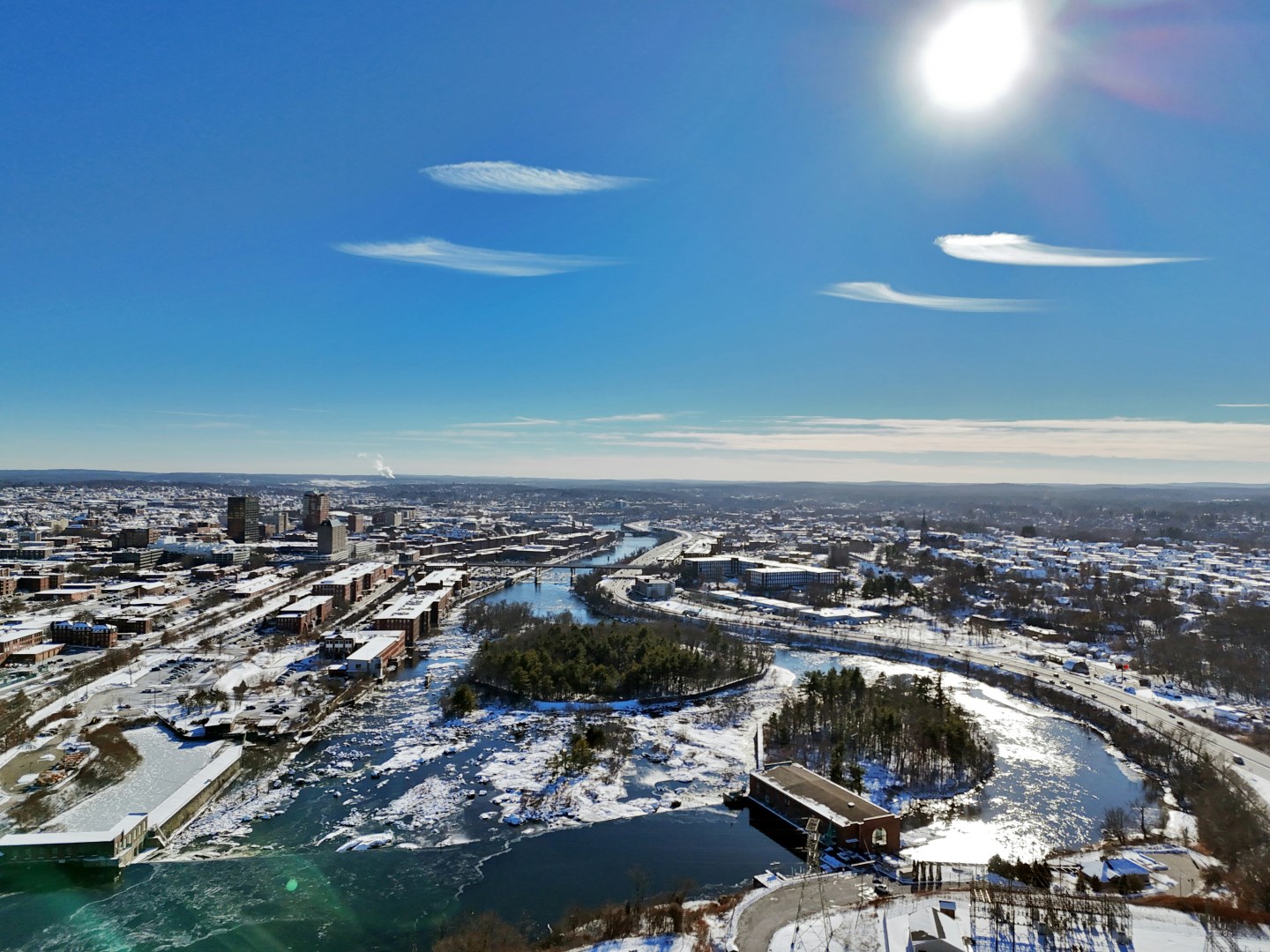
Manchester
Manchester, New Hampshire, is a city where history and modern life intersect along the banks of the Merrimack River. Once a hub for textile mills, the city’s industrial roots are still visible in renovated brick buildings and restored warehouses that now house shops, offices, and restaurants. The riverfront provides scenic walks and public spaces that highlight both the city’s industrial past and its present-day urban life.
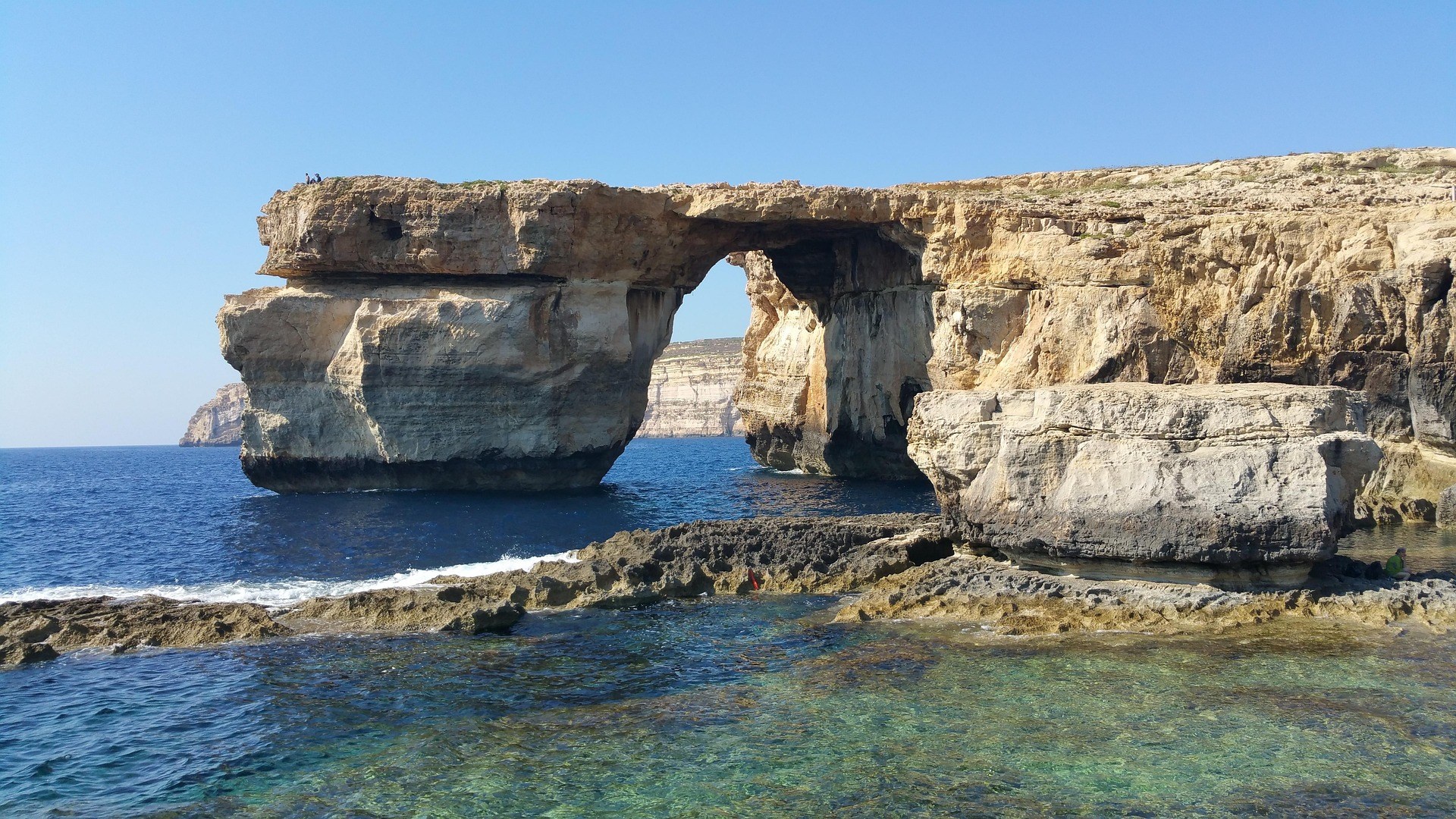
Gozo Island
Gozo, the smaller sister island of Malta, offers a tranquil contrast to the busier main island, blending rich history, rugged landscapes, and a slower pace of life. Known for its rolling hills, picturesque villages, and dramatic coastline, Gozo has preserved much of its rural charm, allowing visitors to step back into centuries of Mediterranean culture and tradition.
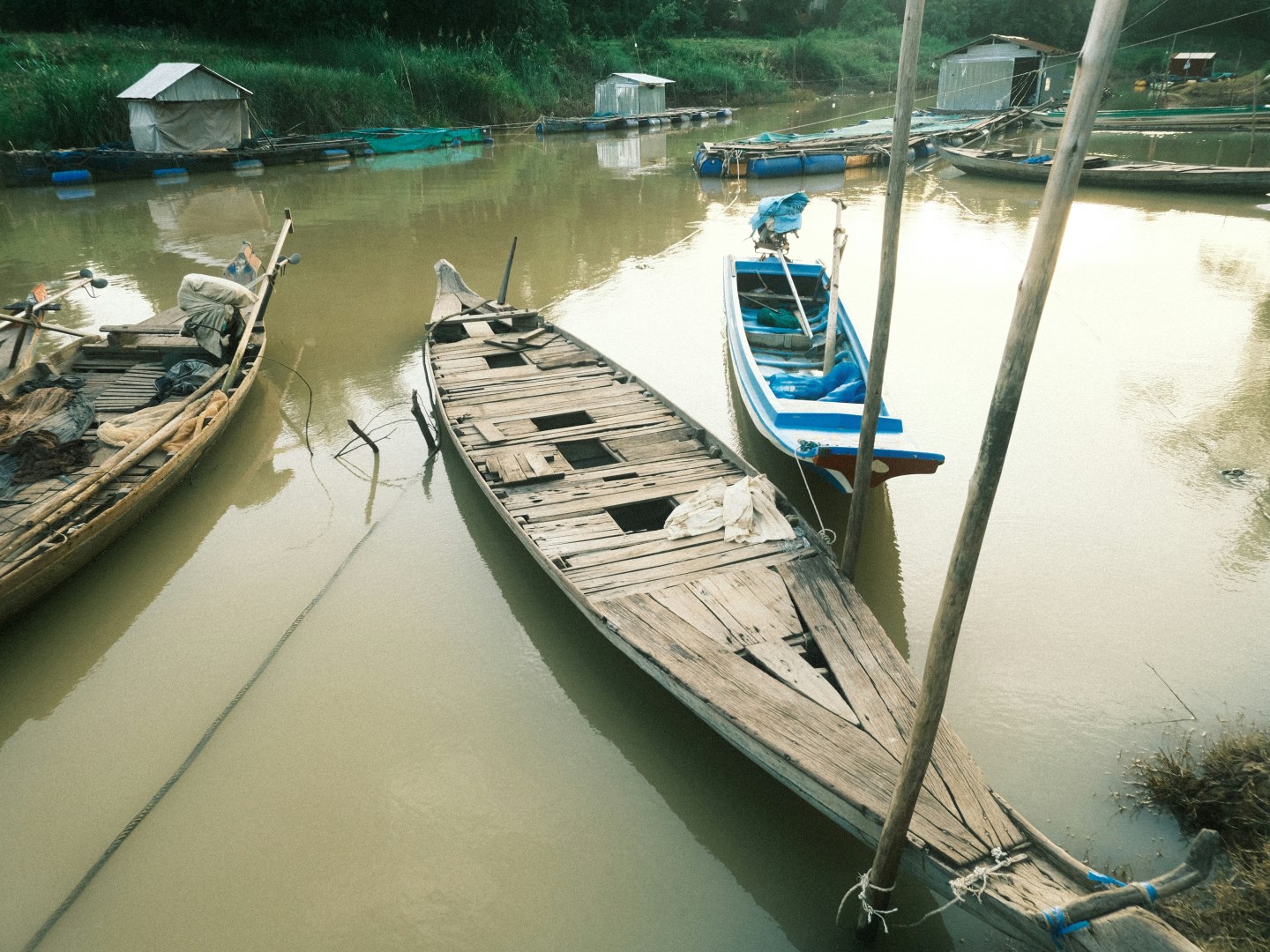
Krong Battambang
Krong Battambang is a riverside city in northwestern Cambodia, known for its preserved colonial-era architecture, rice-growing countryside, and long connection to Cambodian arts and education.
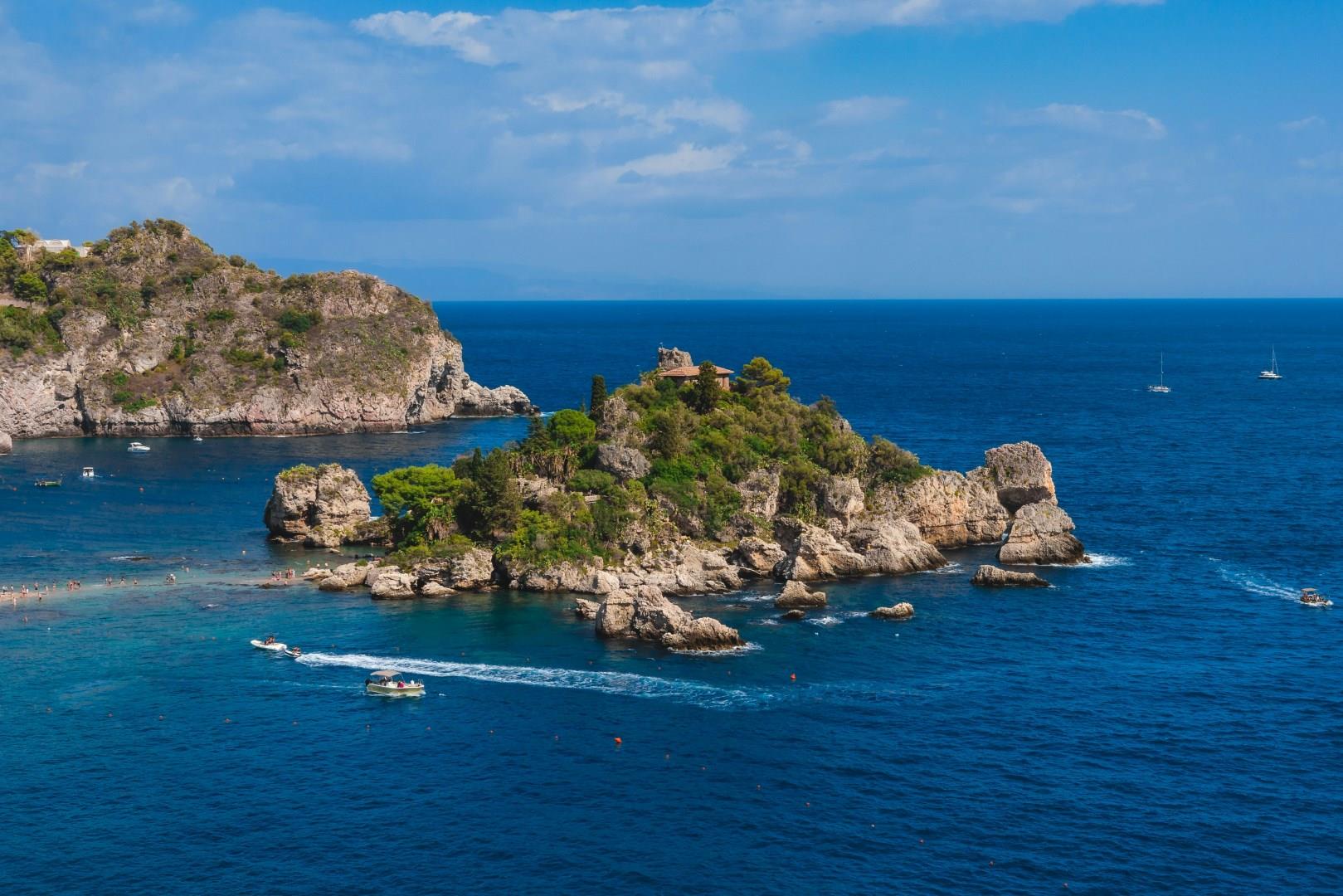
Isola Bella
Isola Bella sits on Lake Maggiore as part of the Borromean Islands, closely tied to the ambitions of the Borromeo family who reshaped the rocky outcrop in the 17th century.