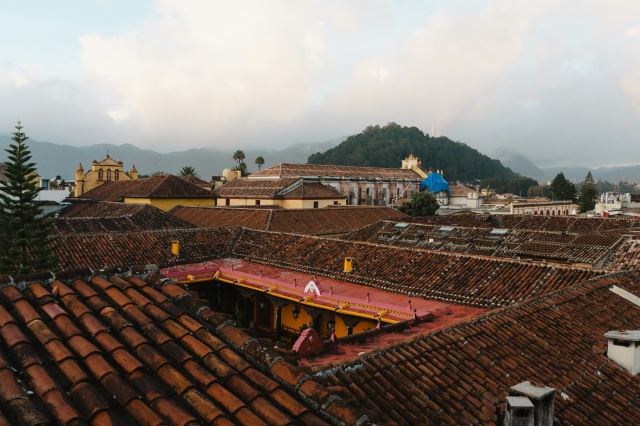
Las Vegas
Las Vegas, Nevada, is an electrifying city where glitz and glamour meet entertainment and excitement. Known as "The Entertainment Capital of the World," Las Vegas offers an unparalleled array of attractions, from its iconic casinos and luxurious hotels to its world-class dining and live shows. The city's entertainment scene is second to none, featuring legendary headliners, cutting-edge performances, and an array of themed attractions.
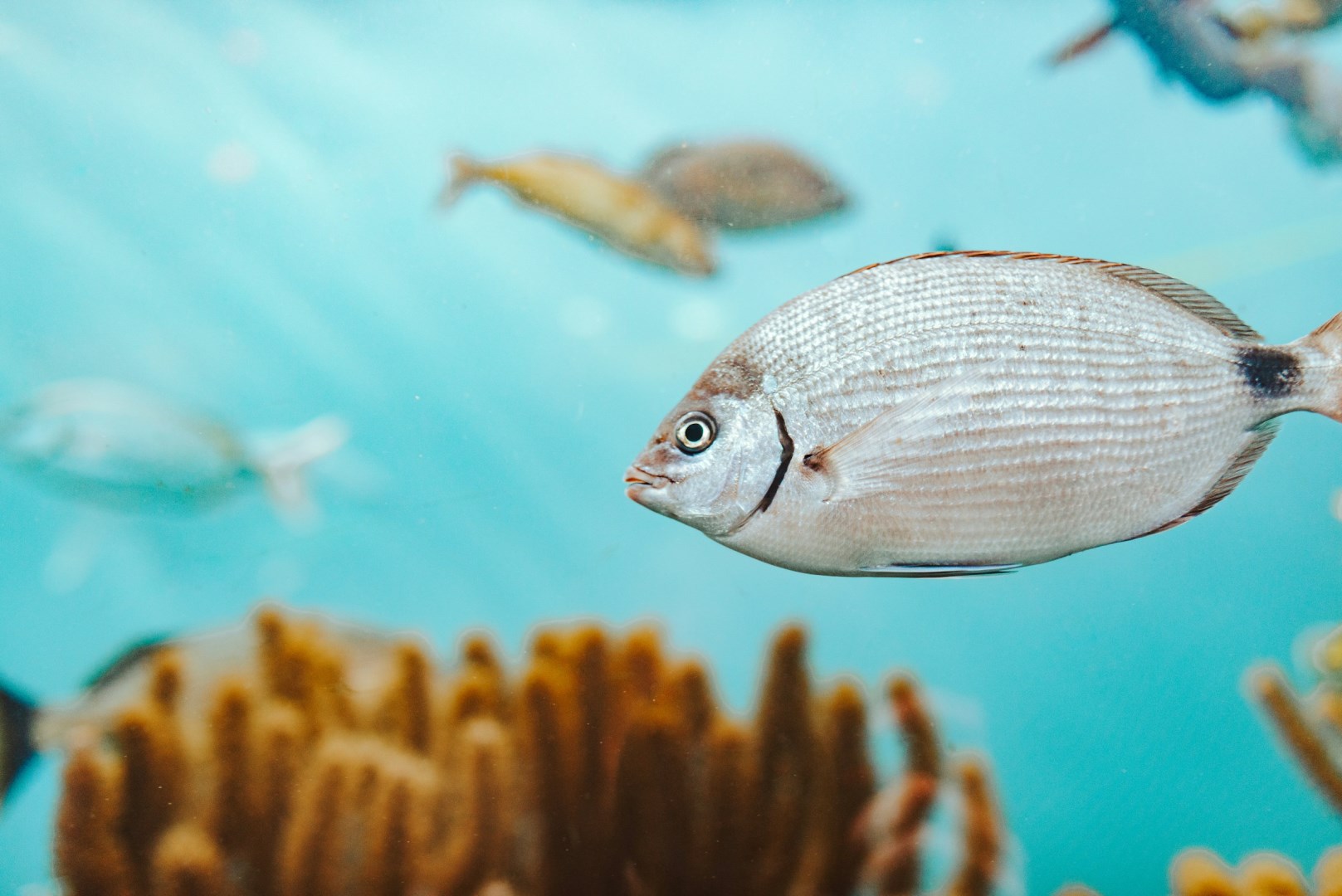
Flatts
Flatts is a small historic village on Bermuda’s North Shore, centered around Flatt’s Inlet, a narrow waterway connecting Harrington Sound with the Atlantic Ocean. The village is known for its colourful houses, waterfront setting, small docks, and views across the sheltered inlet. Its compact layout gives it a distinctly maritime character, with boats moving through the channel and restaurants and shops gathered close to the water.
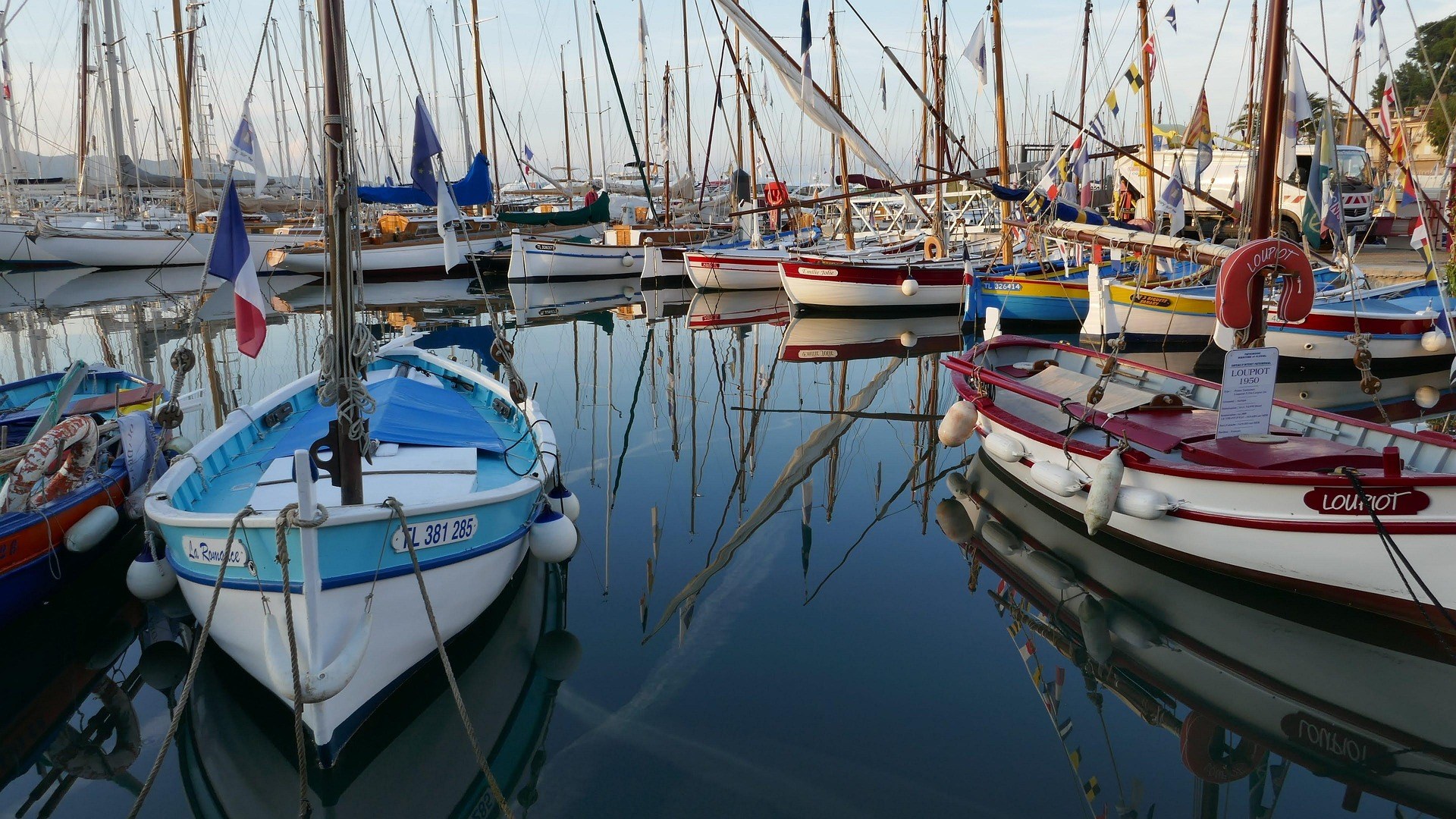
Sanary-Sur-Mer
Sanary-sur-Mer is a Mediterranean town on the Var coast of Provence, set around a sheltered bay between Toulon and Bandol. Its identity is closely tied to its fishing harbor, where traditional Provençal boats known as pointus remain an important feature. The waterfront is surrounded by narrow streets, small squares, cafés, and colorful façades, while beaches and wooded hills extend beyond the town center.
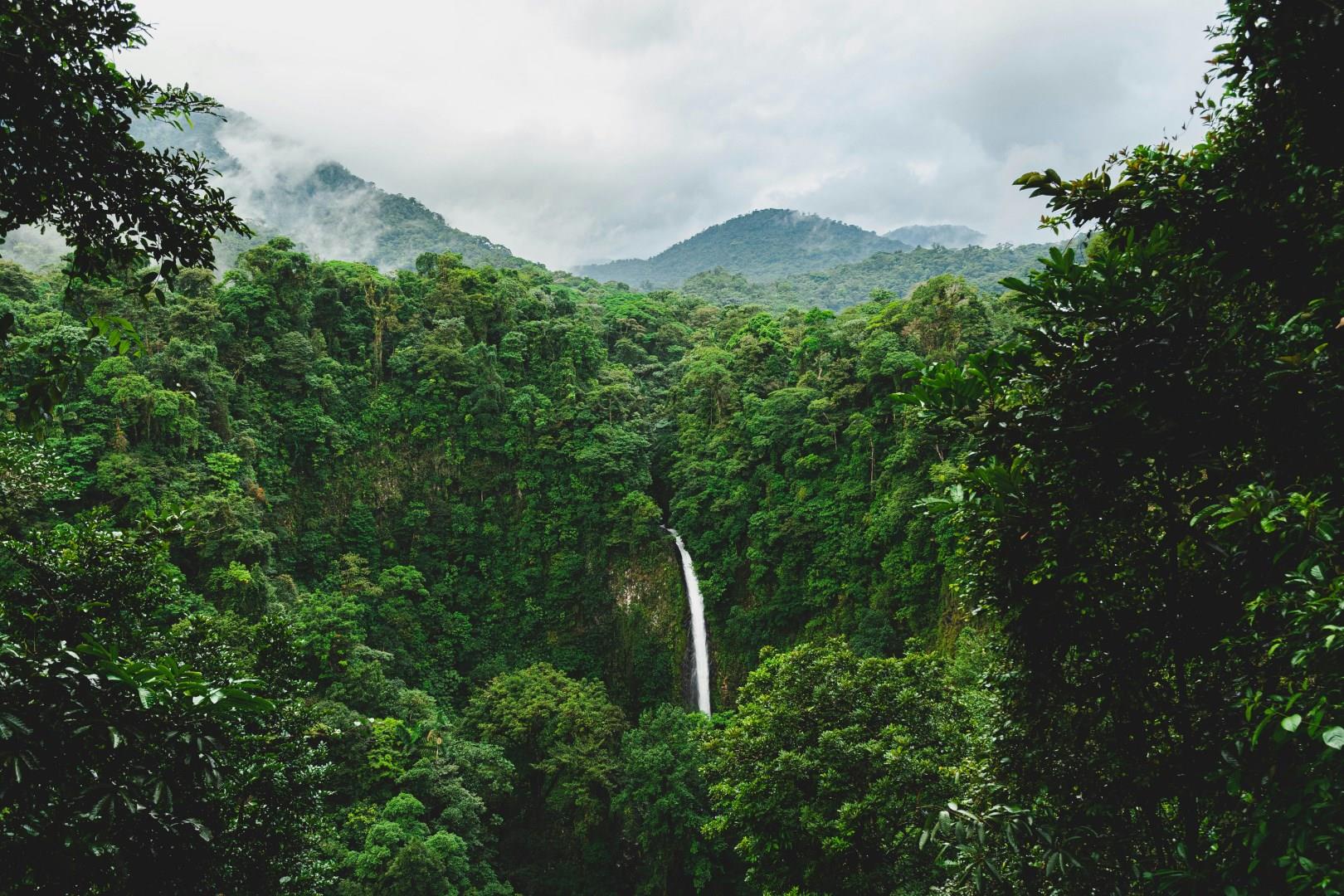
La Fortuna
La Fortuna is a town in northern Costa Rica, located in the San Carlos region at the base of Arenal Volcano. It is known for rainforest landscapes, geothermal hot springs, and outdoor activities connected to the surrounding mountains and rivers.
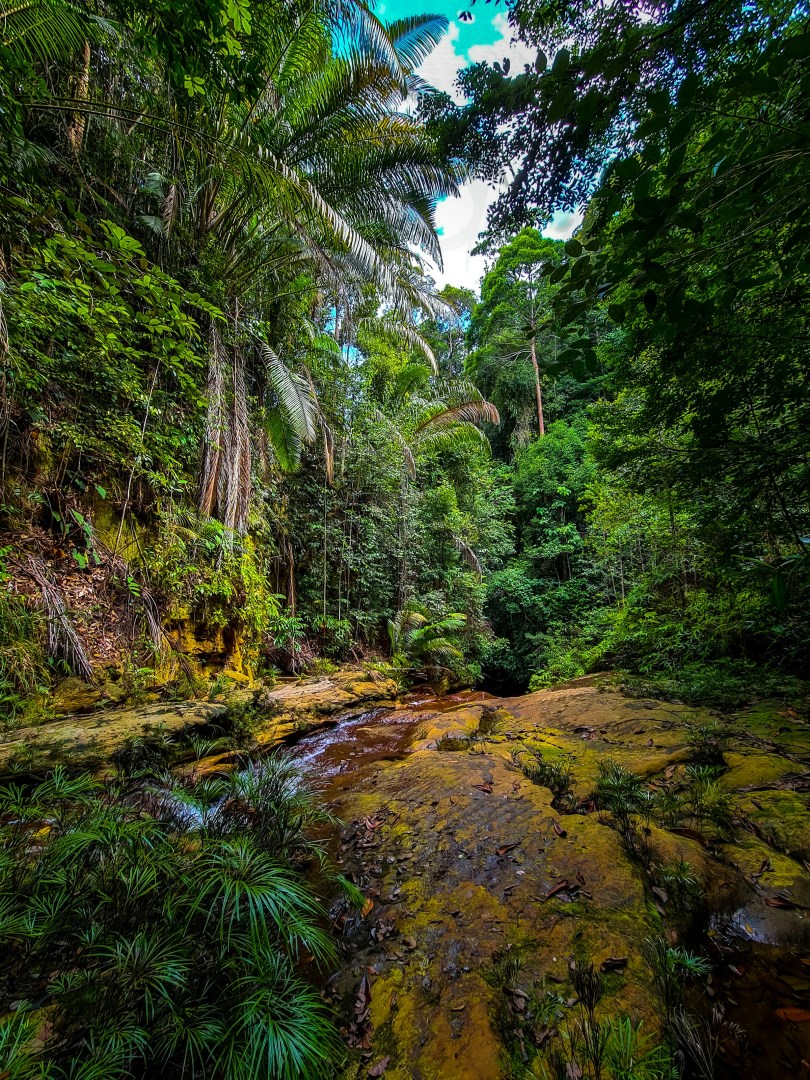
Miri
Sarawak is home to the world's oldest rainforest. Situated on the coast, Miri, is an ideal starting point on your adventure. Between its network of National Parks, wildlife sanctuaries, ethnic diversity and cultural heritage, Sarawak is the perfect destination for anyone interested in nature, adventure and culture.