Kimmirut
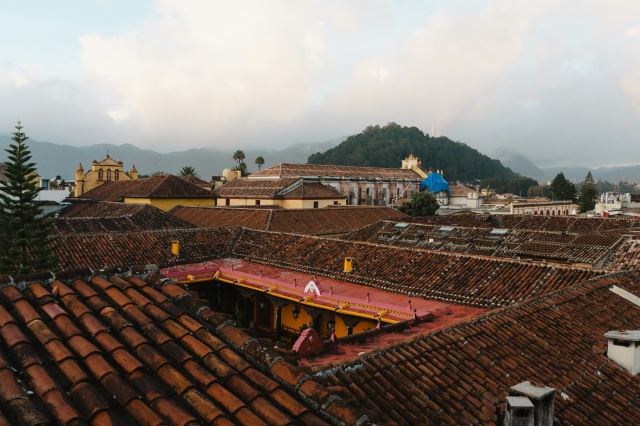
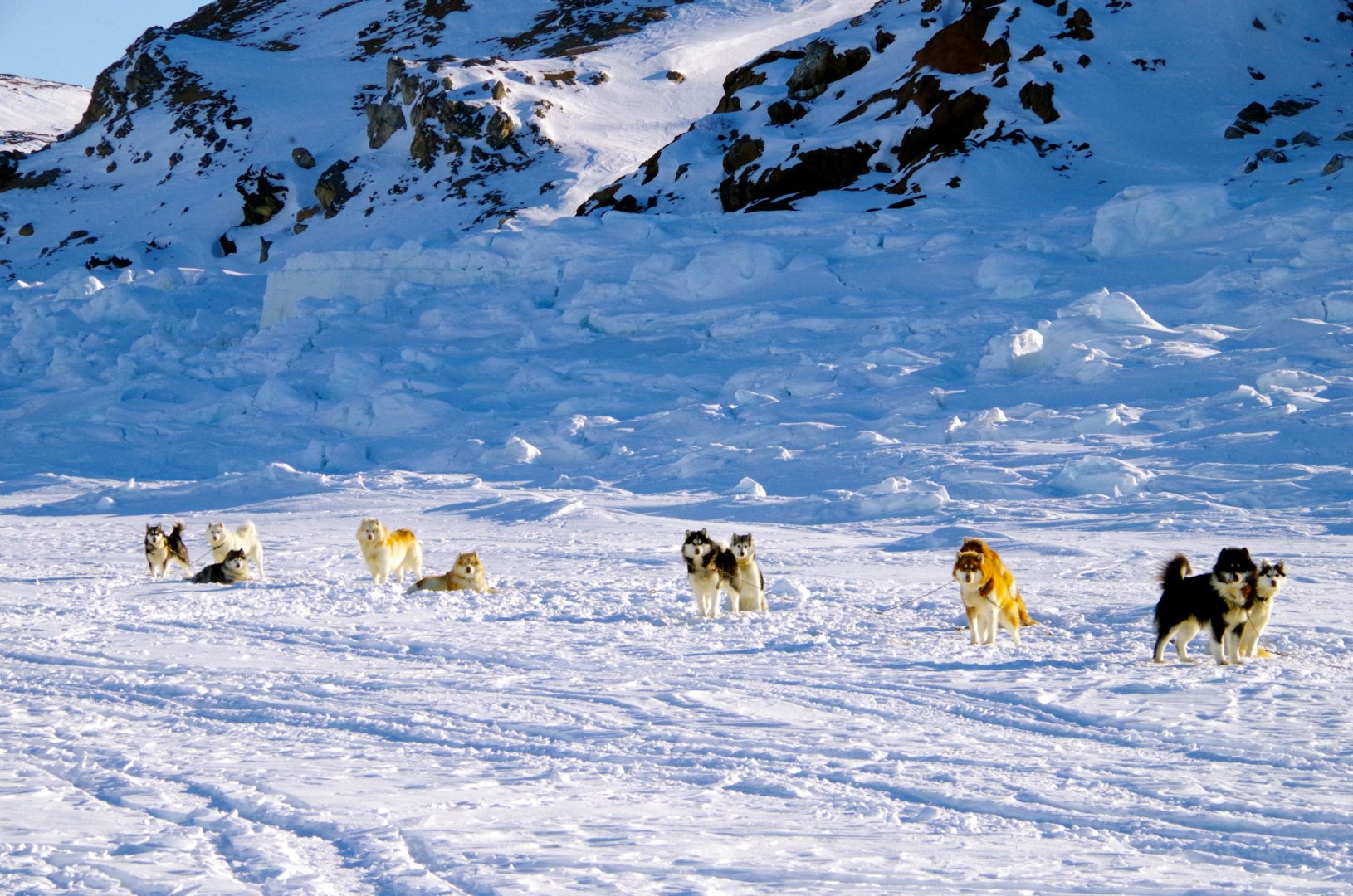
Kimmirut is a small Inuit community on the southern coast of Baffin Island in Nunavut, located beside the waters of Hudson Strait. Formerly known as Lake Harbour, the settlement sits among rocky hills, freshwater lakes, coastal inlets, and tundra. Its sheltered location gives it a close relationship with the surrounding sea, while the wider landscape contains exposed rock and low Arctic vegetation shaped by a cold, windy climate.
Constable Point
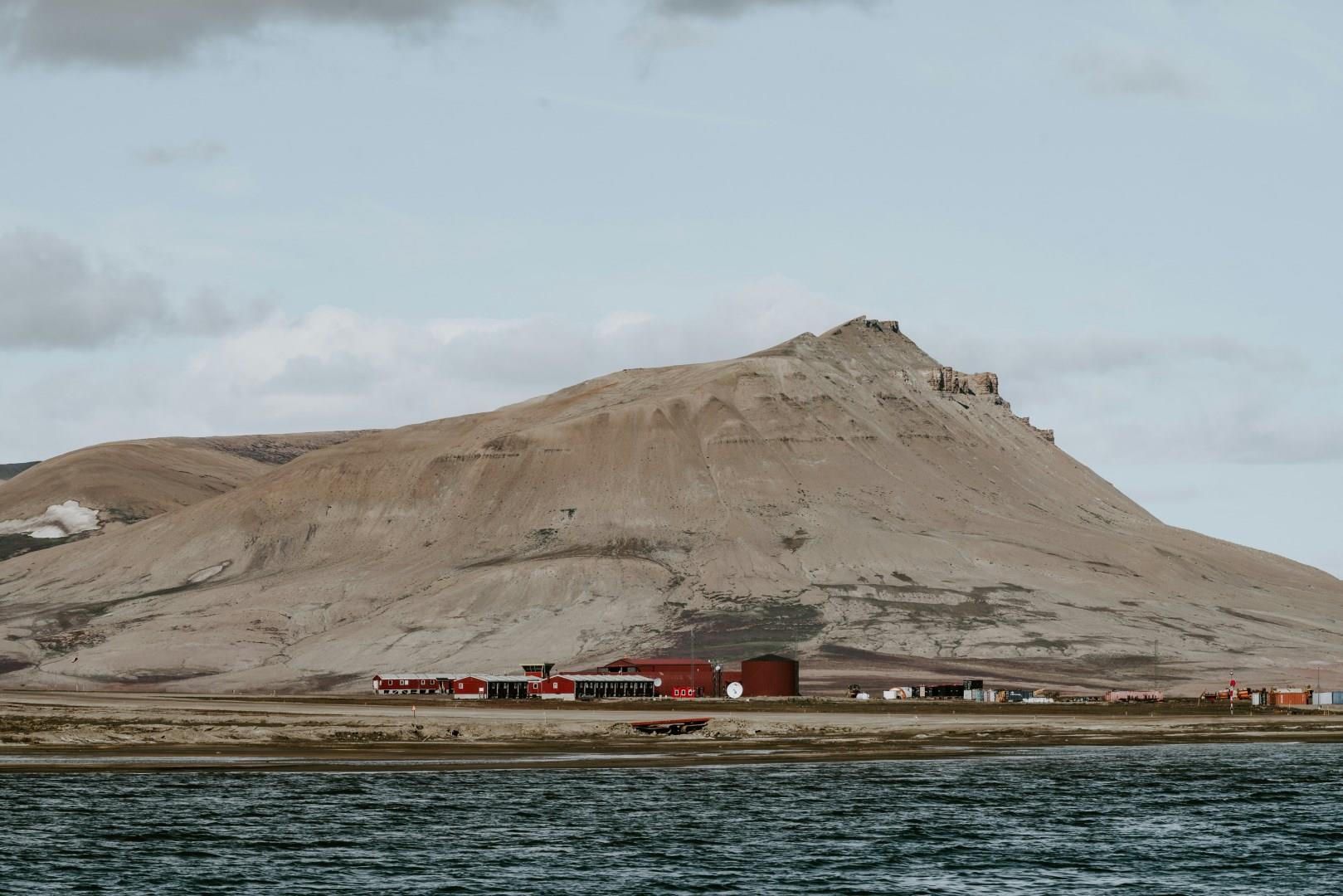
Constable Point, known locally as Nerlerit Inaat, is a small but fascinating gateway to Greenland’s remote east coast. Originally established in the 1980s to support mineral exploration and later functioning as a crucial supply base, Constable Point now serves as the main air access hub for visitors headed to the isolated communities of Ittoqqortoormiit and Scoresby Sound.
Moncton
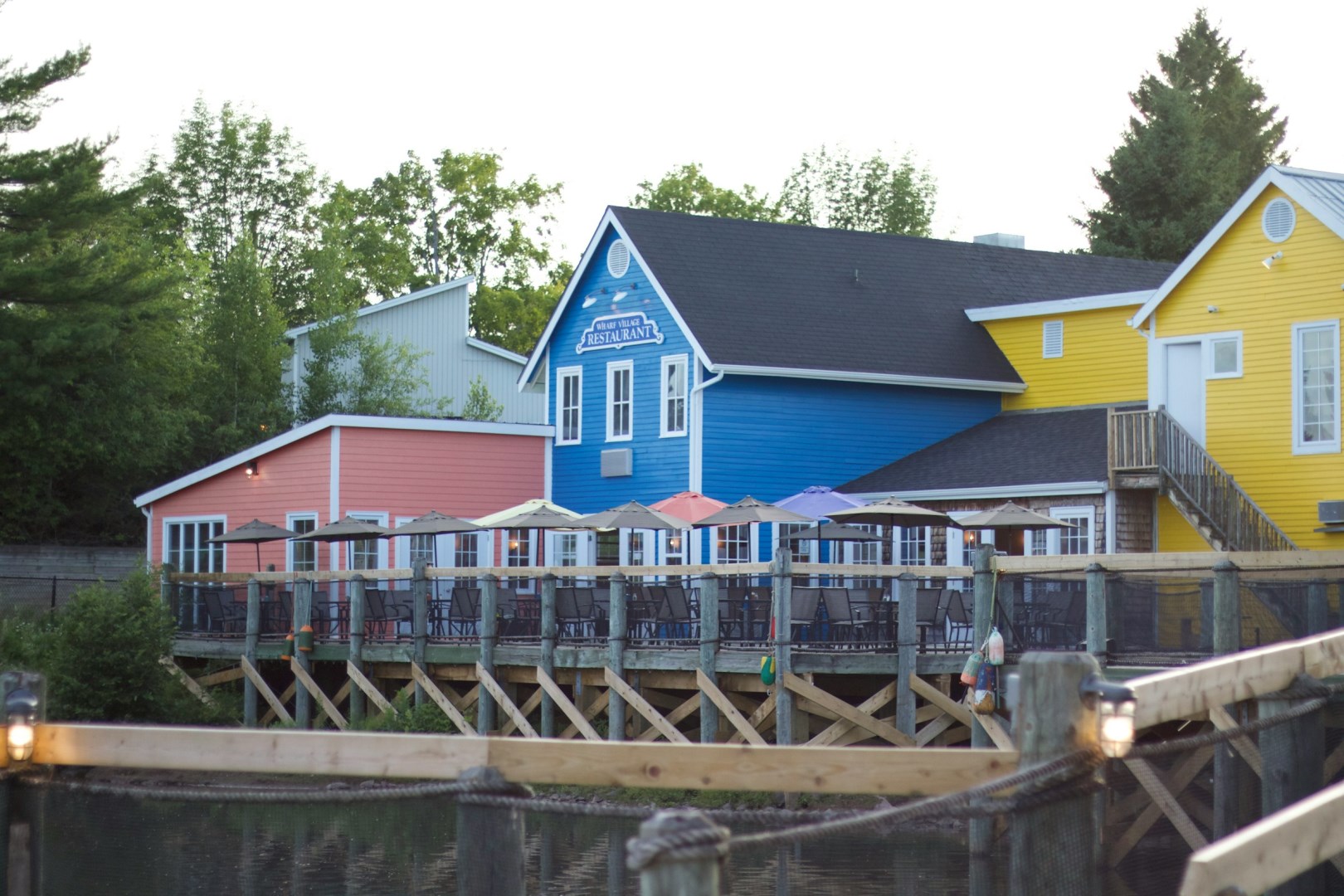
Moncton is a city in southeastern New Brunswick, situated along the Petitcodiac River near the head of the Bay of Fundy. It serves as a major centre for transportation, commerce, education, and culture in Atlantic Canada. The city is officially bilingual and has strong English-speaking and Acadian influences. Its location beside the tidal river gives Moncton a distinctive natural feature within an urban setting, while downtown streets contain shops, restaurants, public art, and heritage building
Ballybunion
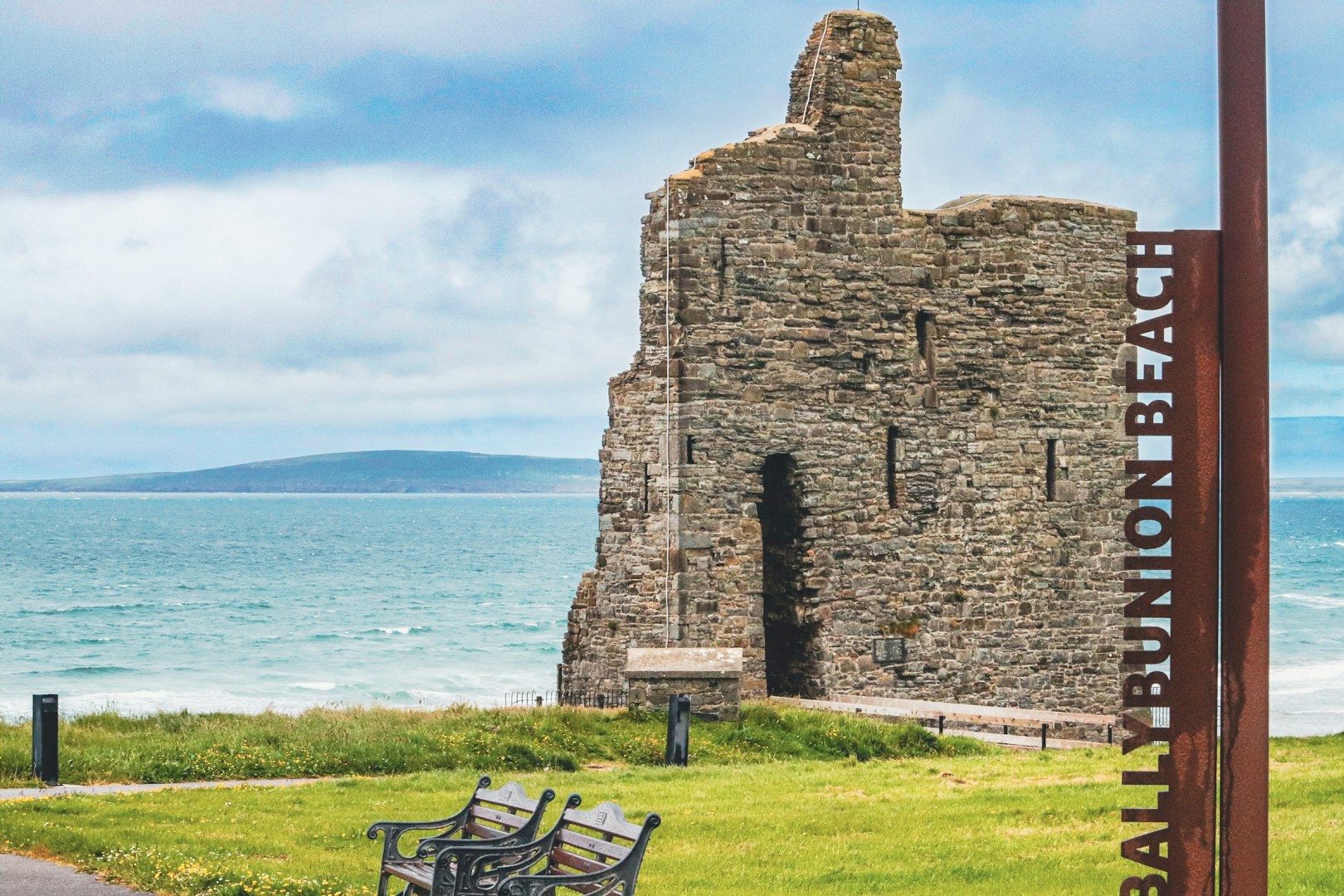
Ballybunion is a coastal town in County Kerry on Ireland’s southwest coast, overlooking the Atlantic Ocean. It is known for broad sandy beaches, high cliffs, sea caves, and a rocky shoreline shaped by the Atlantic. The town sits beside Ballybunion Beach, with the ruins of Ballybunion Castle standing on a headland above the coast.
Blue Bay
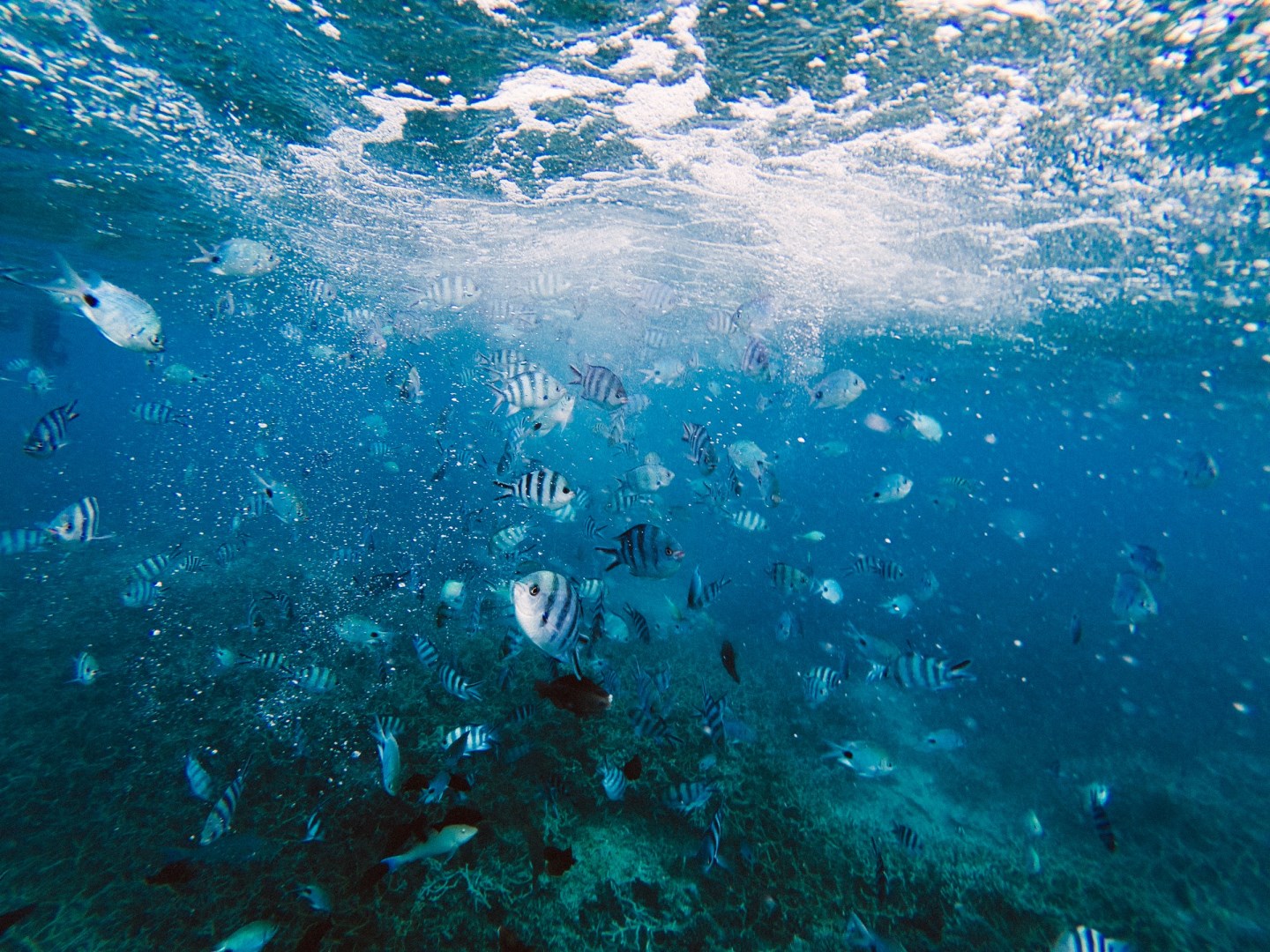
Blue Bay is a coastal village in southeastern Mauritius, within the district of Grand Port and close to Sir Seewoosagur Ramgoolam International Airport. It is best known for Blue Bay Marine Park, a protected lagoon where coral reefs and clear shallow waters support a rich variety of marine life. The village sits beside a curved sandy beach and sheltered bay, with views across the lagoon toward small offshore islets.