Hakone
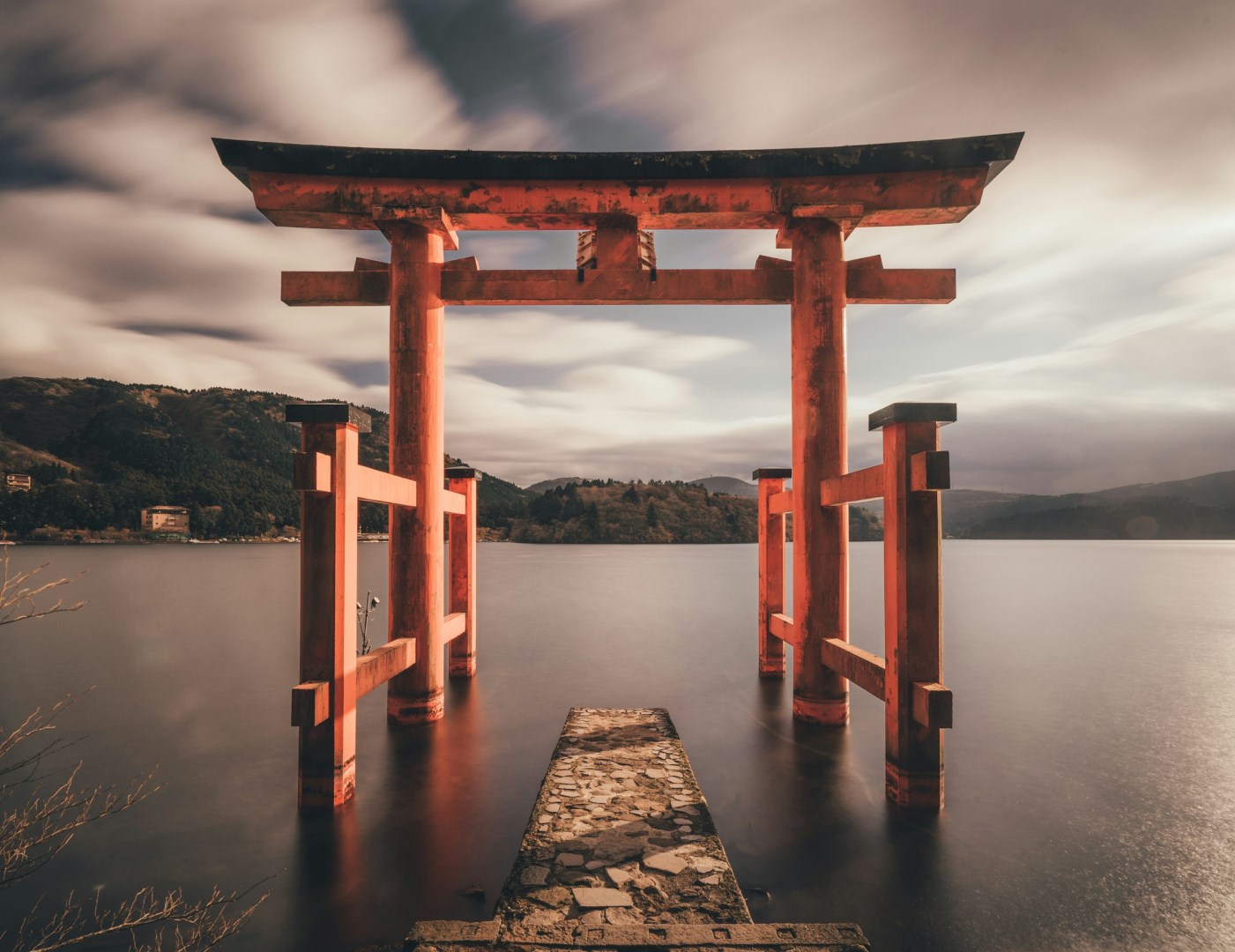
Nestled in the mountains just 90 minutes from Tokyo, Hakone has long been a retreat for travelers seeking both quiet and culture. Once a crucial checkpoint on the historic Tōkaidō road between Edo and Kyoto, Hakone is still shaped by centuries of history. The reconstructed Hakone Sekisho (Hakone Checkpoint) offers a glimpse into the Edo Period, when travelers were inspected by samurai guards before continuing on their journey.
Timaru
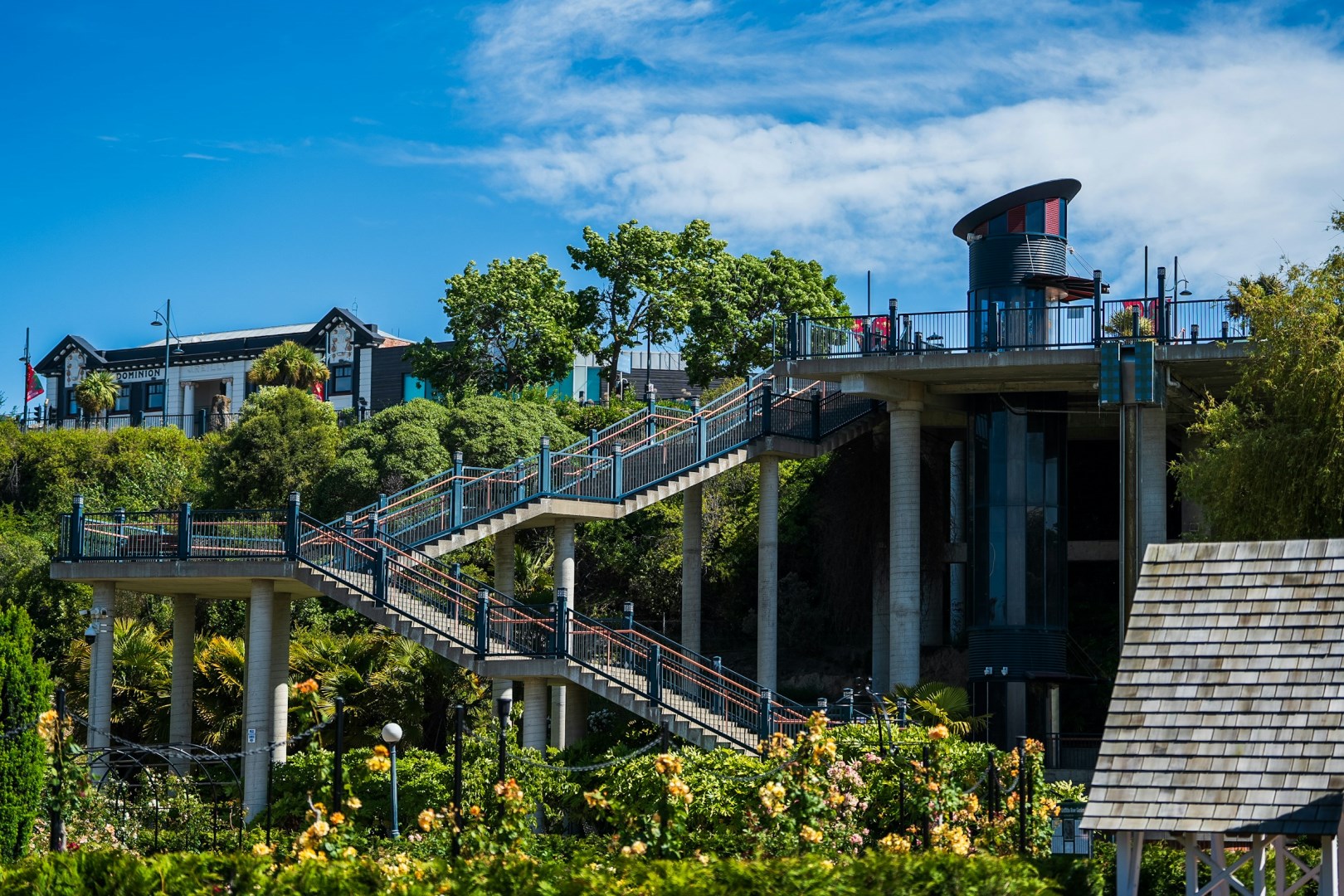
Timaru is located on an island off the east coast of New Zealand, between Christchurch and Dunedin. It is a main sea port for industry and farming, as well as a popular port of call, especially around the Christmas Holidays. Originally named "Te Maru - The Place of Shelter", this port town was built as a whaling station until immigrants from England arrived in 1859, and the town was finally declared a city in 1948.

Idaho
Idaho, known for its rugged landscapes and outdoor adventures, offers visitors a blend of natural beauty and cultural charm. Boise, the state capital, is a vibrant city that boasts a thriving arts scene and a rich history. Explore the Boise Art Museum, which features contemporary and modern works, or take a stroll along the Boise River Greenbelt for scenic views and recreational opportunities.
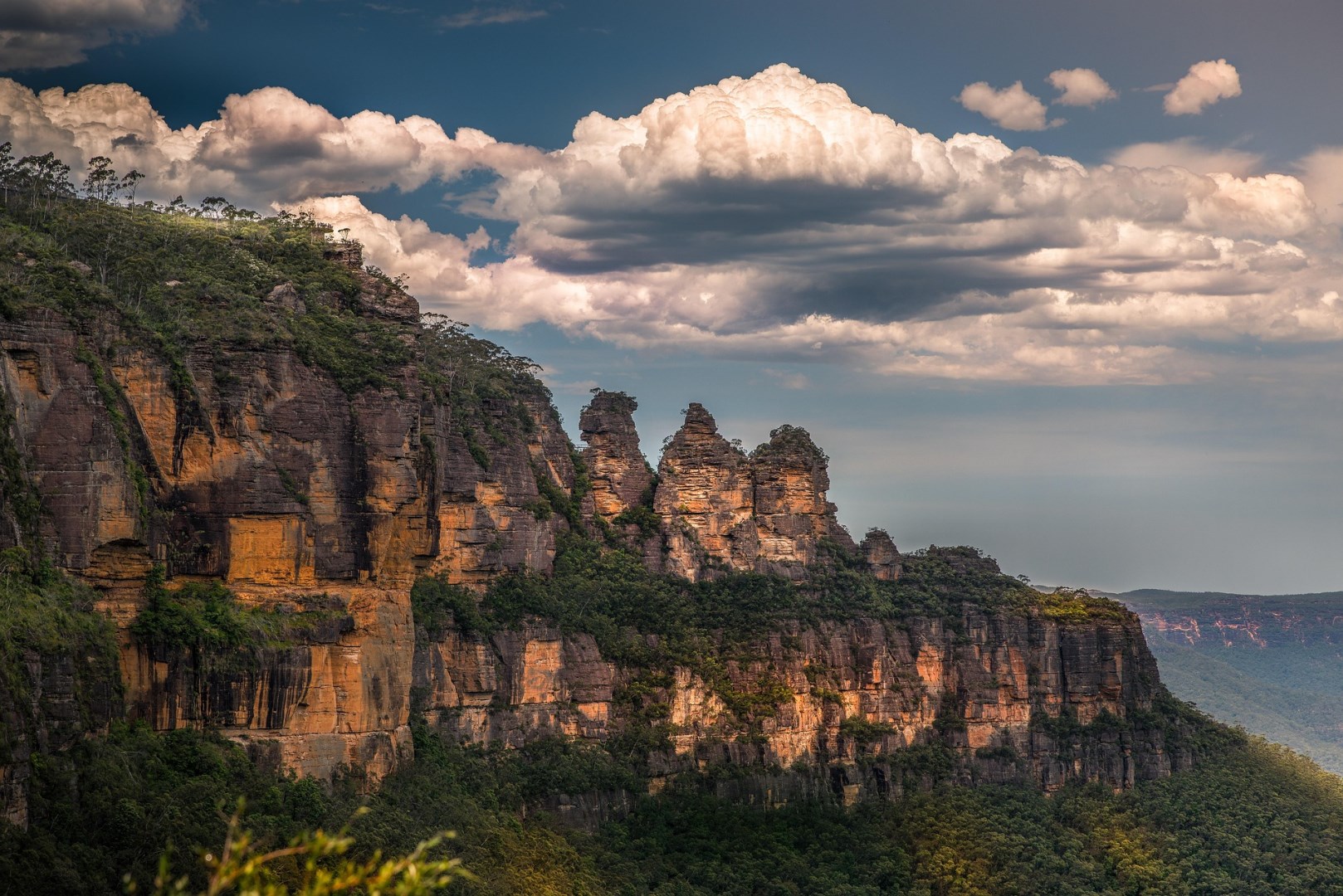
Blue Mountains
Indulge your taste for romance, drink in the clear mountain air, walk through the world-famous bushland or just relax in front of a roaring log fire. Located less than two hour's drive from Sydney, the Blue Mountains offer a natural wonderland of untamed bush, spectacular rock formations and native wildlife.
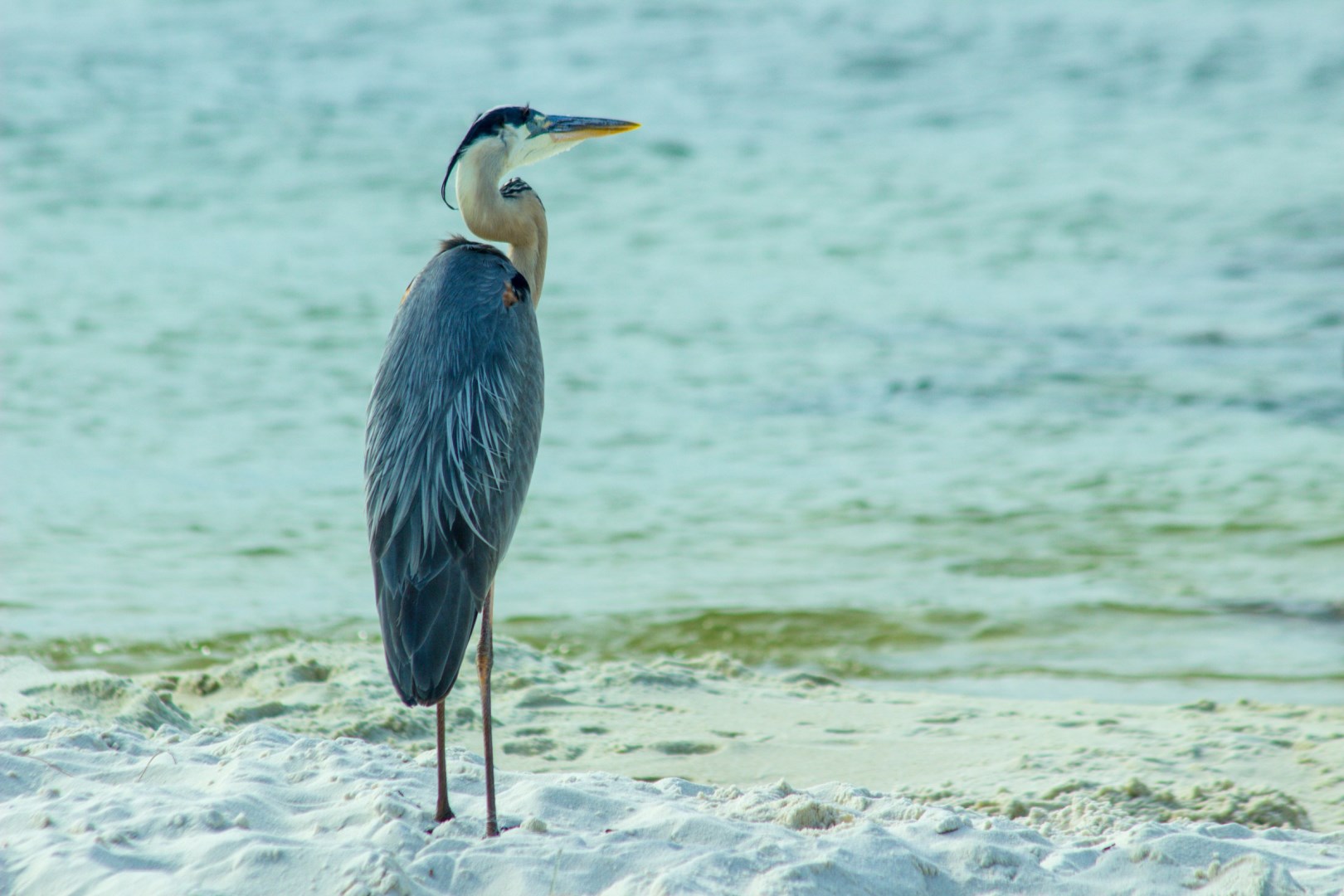
Pensacola
Pensacola is a coastal city in Florida’s western Panhandle, situated around Pensacola Bay near the Gulf of Mexico. Its deep natural harbor has shaped the city’s identity as a port, naval centre, and coastal community. Downtown Pensacola contains historic streets, museums, restaurants, and public squares, while Pensacola Beach lies across the bay on Santa Rosa Island. The city is also closely associated with naval aviation, earning recognition as the “Cradle of Naval Aviation.”