
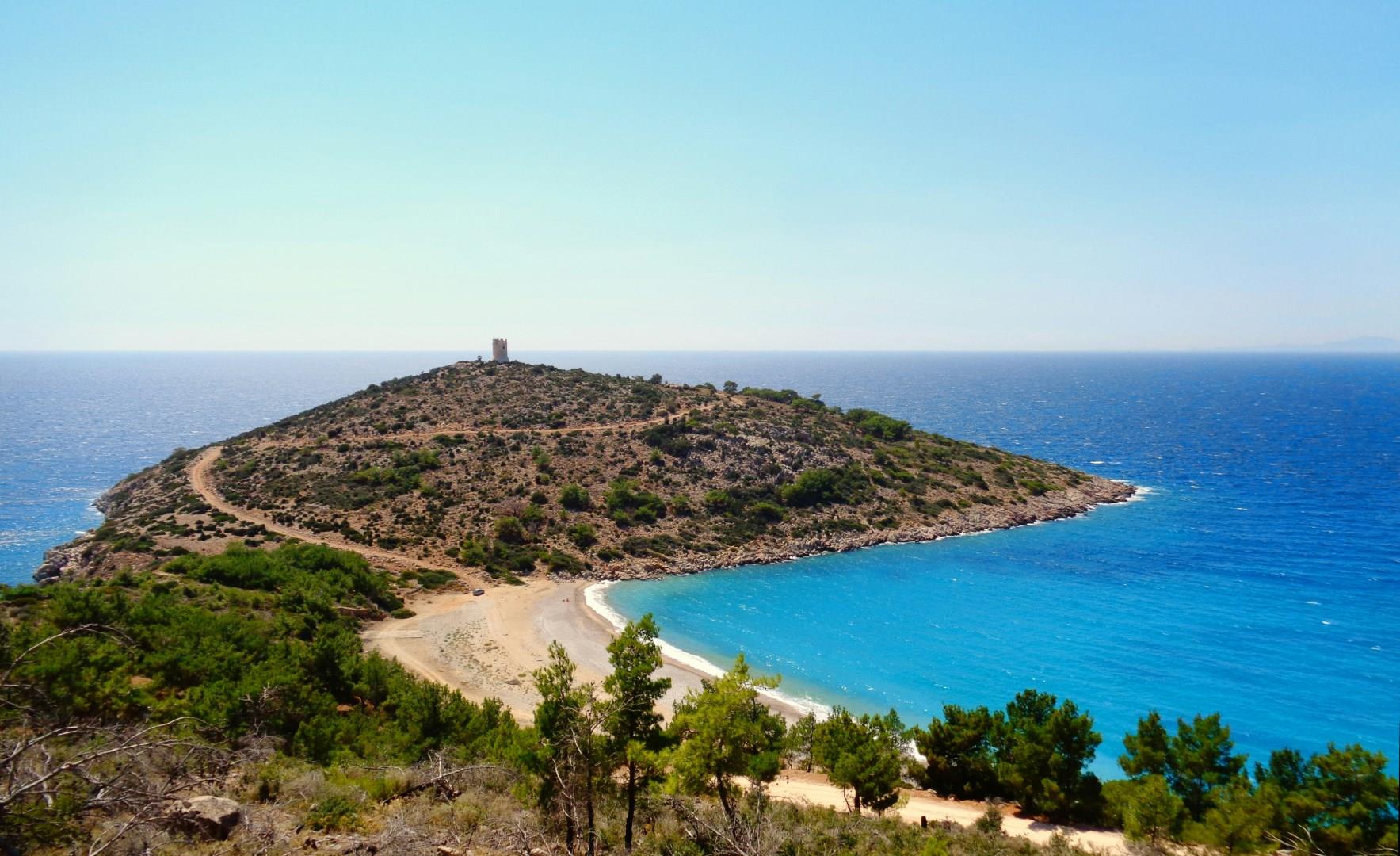
Chios
Chios lies in the northeastern Aegean, close enough to the Turkish coast that the mainland feels present in daily life.
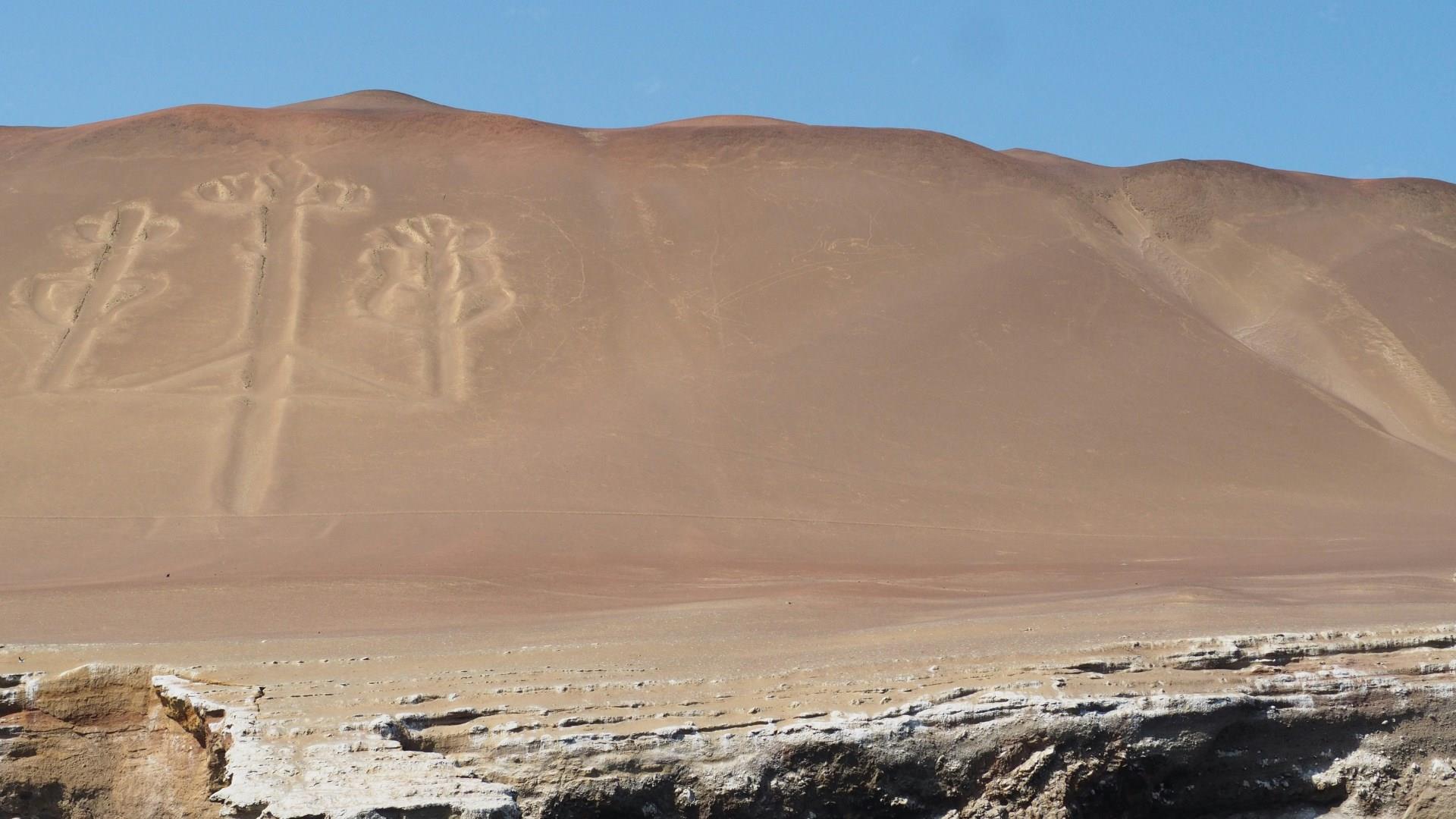
Paracas
Paracas, a small coastal town in southern Peru, offers a mix of desert landscapes, marine wildlife, and ancient history. Just three hours from Lima, it’s the gateway to the Paracas National Reserve, one of the country’s most important protected areas. This reserve includes both land and sea, making it home to dramatic cliffs, wind-carved rock formations, and waters where dolphins, sea lions, and Humboldt penguins are frequently seen.

Baku
Baku, the capital of Azerbaijan, rises on the shores of the Caspian Sea as a city of striking contrasts. Its futuristic skyline, defined by the Flame Towers, glows each evening in waves of light, while the UNESCO-listed Old City preserves centuries of history within its fortified walls.

Nepal
Nepal, nestled in the heart of the Himalayas, is a land of dramatic landscapes, rich traditions, and spiritual depth. Known as the gateway to the world’s tallest peaks, including Mount Everest, it offers both breathtaking natural beauty and profound cultural heritage.
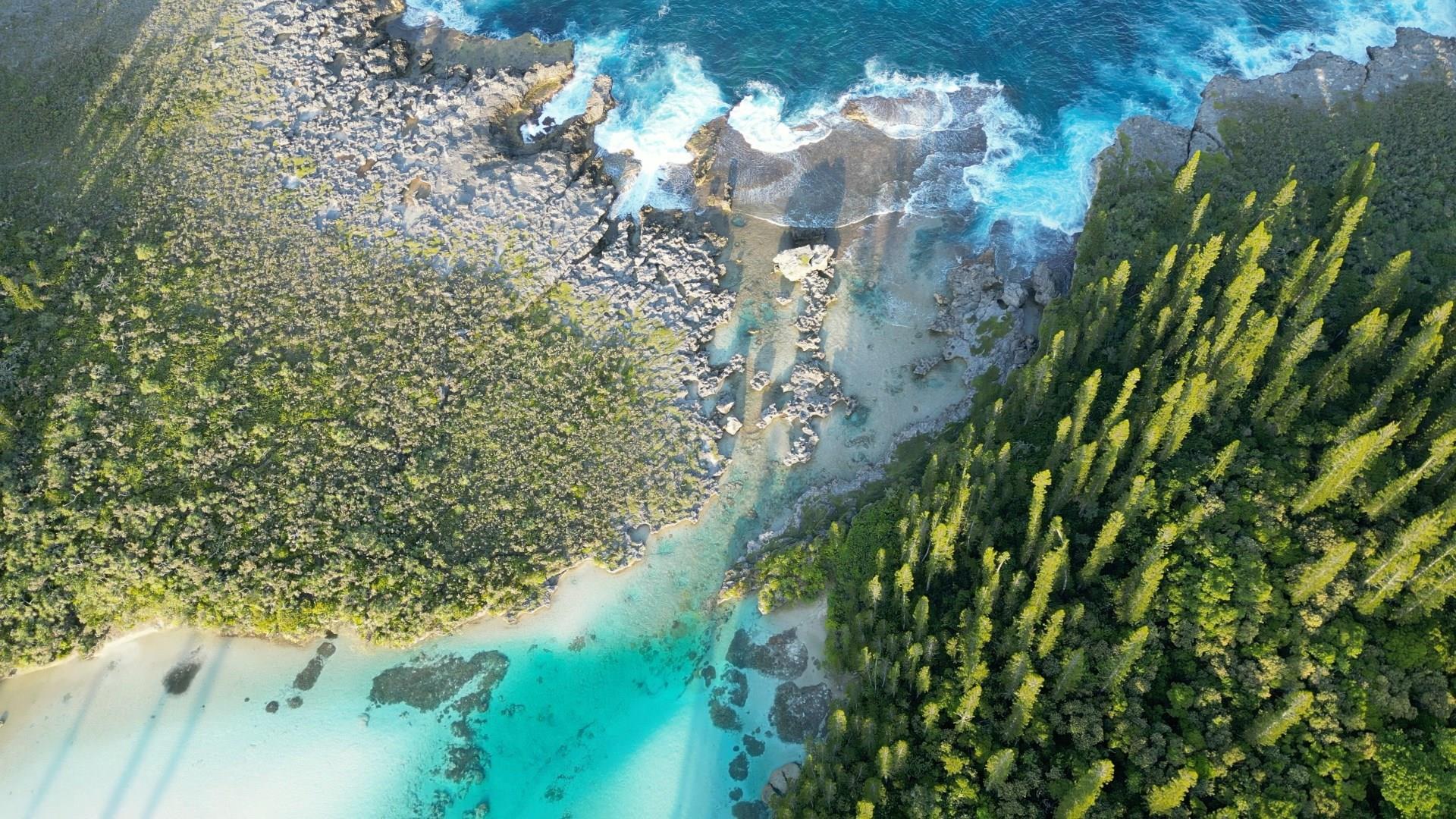
Ile Des Pins
Île des Pins, often referred to as the "Island of Pines," is a serene paradise located in New Caledonia. This tropical haven is renowned for its pristine beaches, turquoise lagoons, and lush pine forests, offering visitors an idyllic escape from the everyday. The island's charm extends beyond its beaches. The Pic N'Ga peak offers panoramic views of the island's lush landscape, accessible via a scenic hike through dense forest.


