
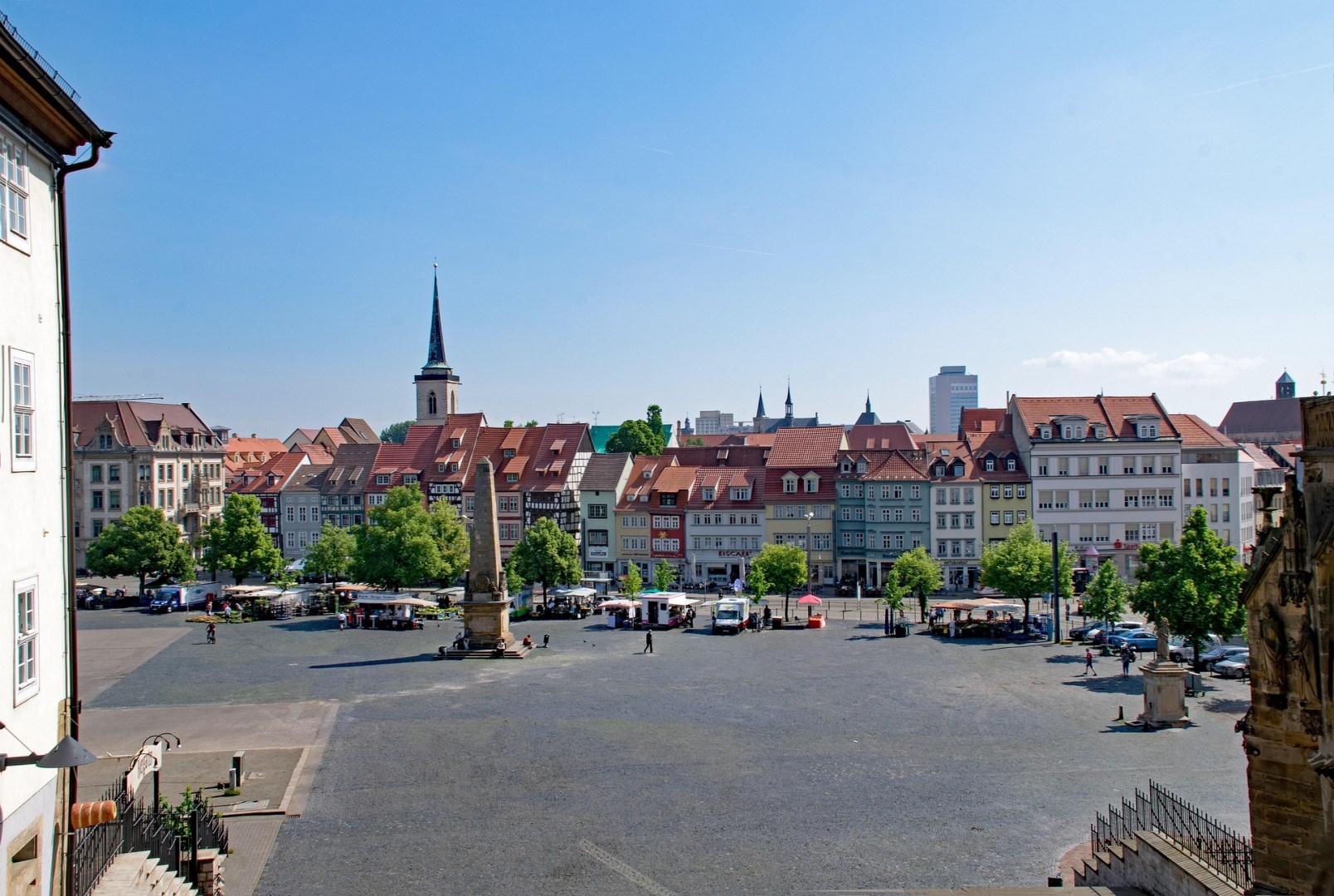
Erfurt
The skyline of Erfurt is shaped by dozens of churches, monasteries, and convents thrusting their pointed steeples upward to the sky. In the Middle Ages, Erfurt was known as "Thuringian Rome" because of its religious orders. The impressive twin churches on the Domberg (Cathedral Hill), the Roman Catholic St. Mary's Cathedral (14th century) and the Roman Catholic Parish church St. Severus with a flight of 70 outdoor steps leading from the Cathedral Square up the hill to the churches.

Amazon Jungle
Exploring the Amazon Jungle in Brazil is like venturing into the heart of a living, breathing world. The Amazon Rainforest, often referred to as the "lungs of the Earth," is a lush, sprawling expanse that teems with extraordinary biodiversity.

Osaka
Osaka is a city that thrives on contrasts with centuries-old castles sit just blocks from neon-lit arcades and high-speed trains. Once known as “Japan’s kitchen” during the Edo period, Osaka played a key role in rice trading and food distribution across the country. Today, visitors can walk the grounds of Osaka Castle, originally built in the 16th century by Toyotomi Hideyoshi, and take in panoramic city views from the top floor of its museum.

Middle East
The Middle East offers an extraordinary mix of history, culture, and natural beauty. Whether uncovering its ancient mysteries, indulging in its delicious cuisine, or experiencing its warm hospitality, travelers are sure to create lasting memories in this remarkable part of the world.
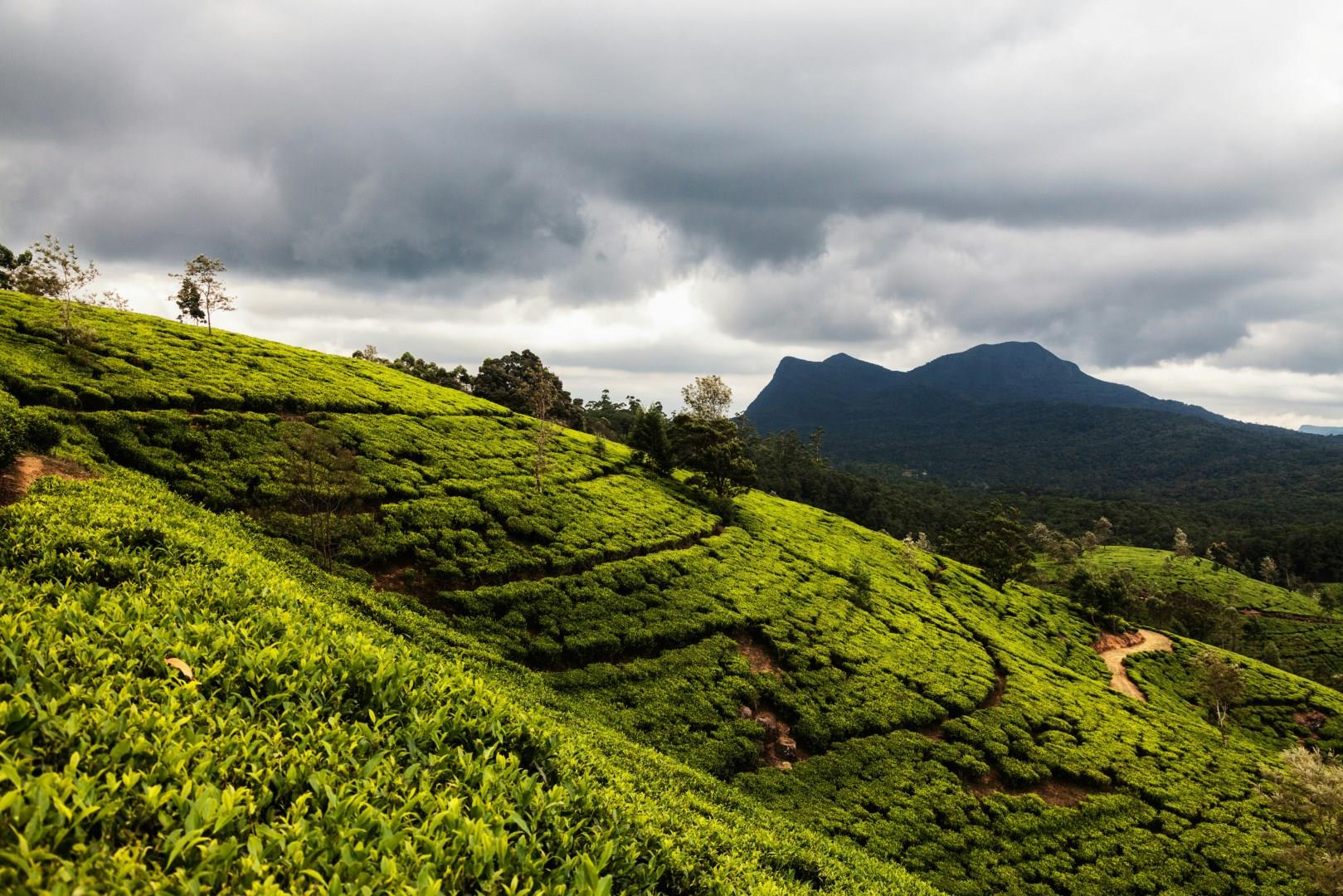
Nuwara Eliya
Nuwara Eliya sits high in Sri Lanka’s central highlands, above the plains at nearly 1,900 meters, with a climate that remains refreshingly mild year-round, which is a sharp contrast to the tropical warmth found elsewhere on the island. For those looking to explore the outdoors, Lake Gregory has long been a place for boating, walking, and watching the mist drift across the water at dawn.


