Burgos
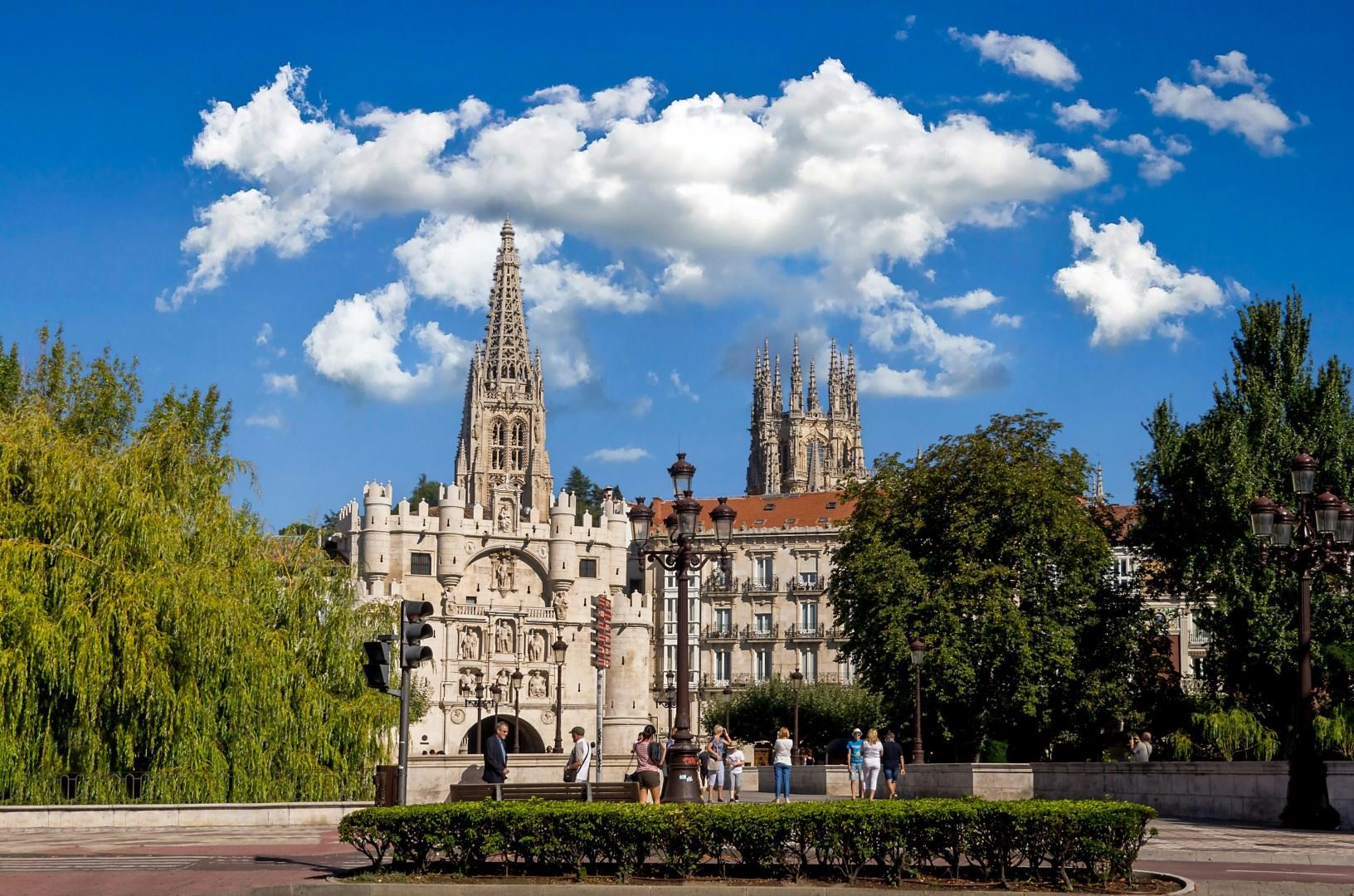
Burgos, located in northern Spain, is a city where medieval heritage is still part of daily life. At its heart stands the Burgos Cathedral, a UNESCO World Heritage Site and one of the most striking examples of Gothic architecture in Europe. Construction began in 1221 and continued for over 300 years, resulting in a cathedral that features elaborate spires, stained glass, and the tomb of El Cid, Spain’s legendary military leader.
Bajos del Toro
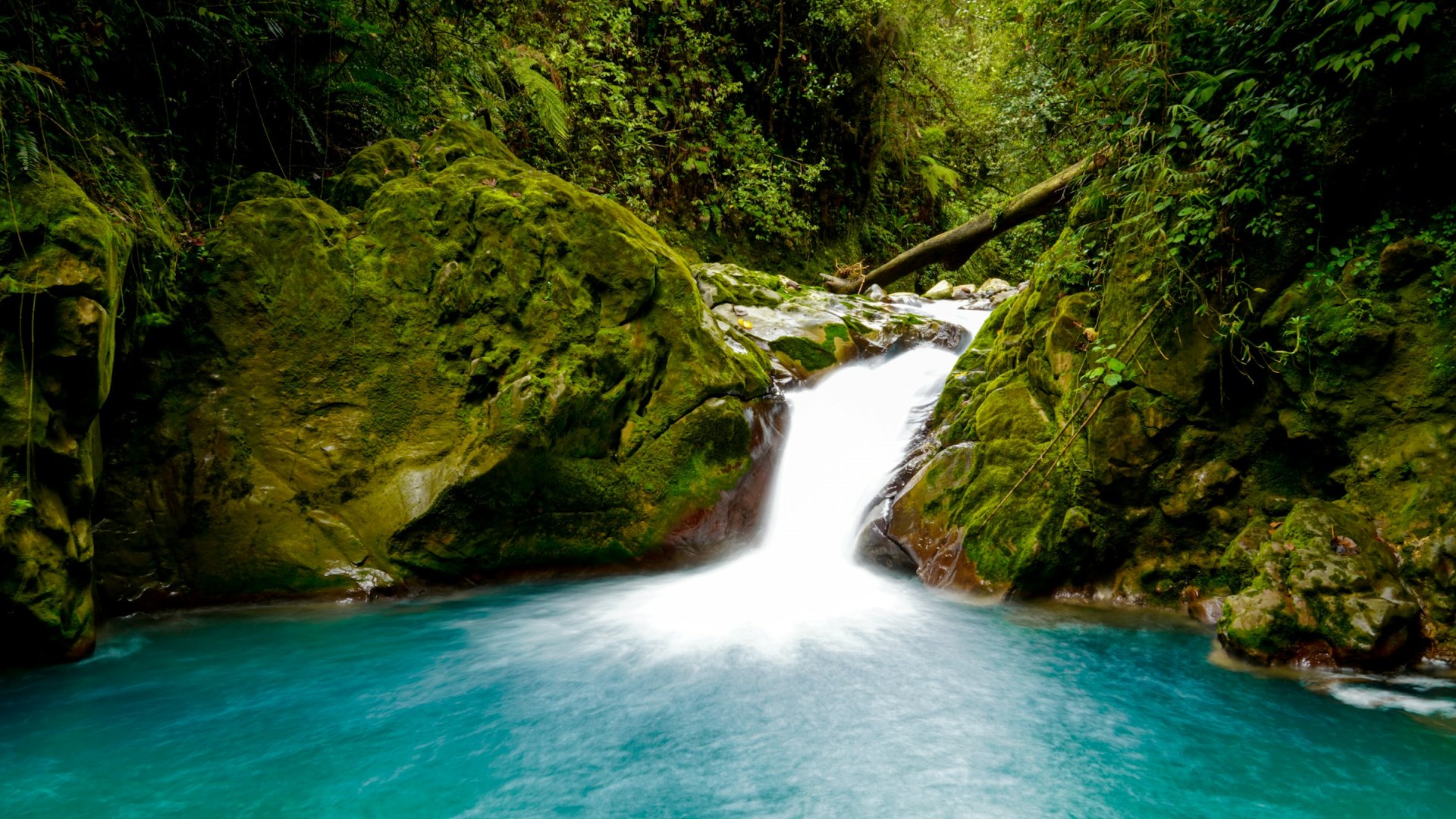
Bajos del Toro is a small mountain community in Alajuela Province, set in a highland valley between Poás Volcano and the Juan Castro Blanco National Park area. The region is known for its cool climate, forested slopes, rivers, and concentration of waterfalls. Its rural landscape includes farms, pastures, wooded hills, and small settlements connected by winding roads.

Manta
Located on Ecuador's central coast, Manta is a port city frequented by many South American cruises. Manta is known for its delectable seafood and variety of pleasant beaches.
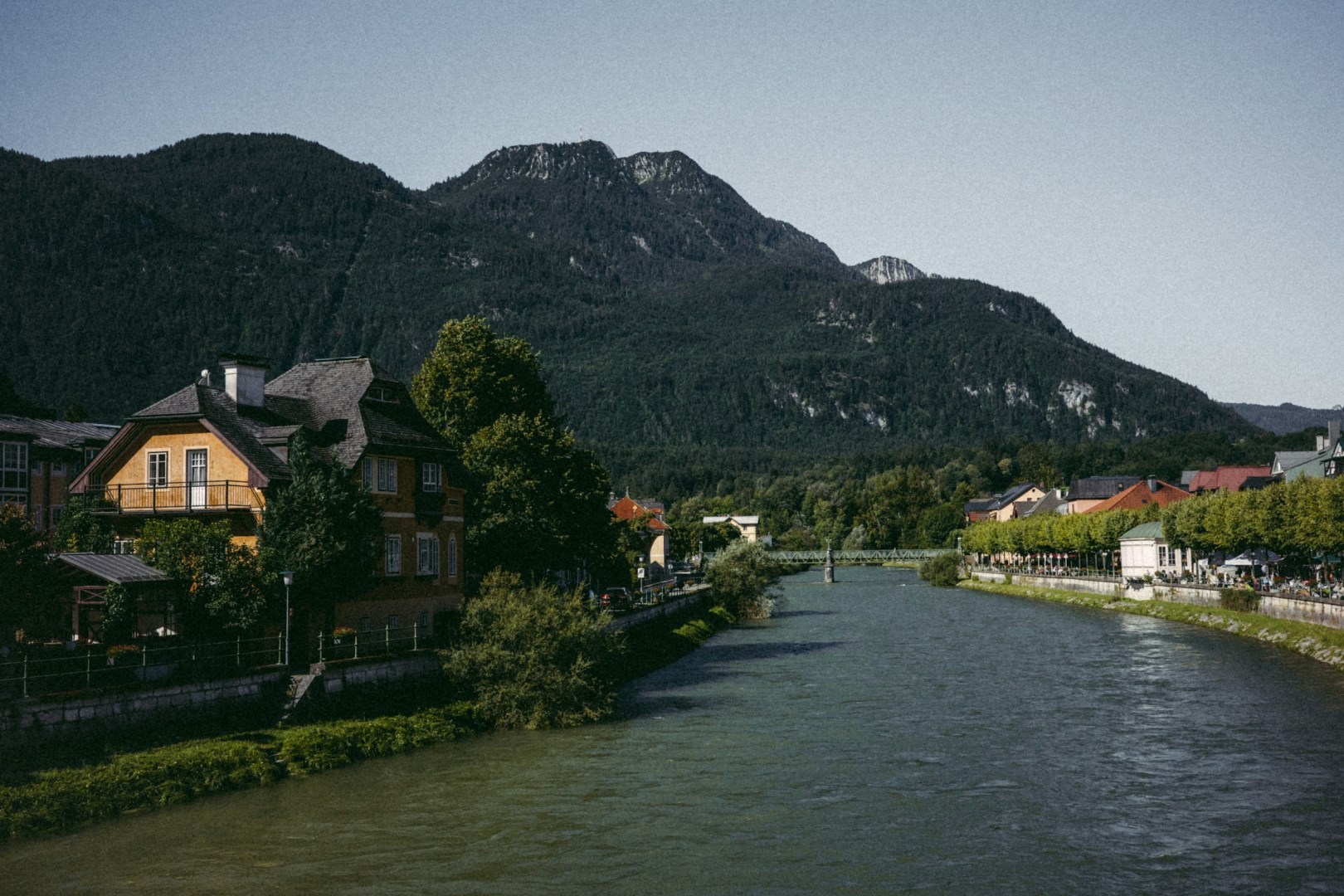
Bad Ischl
Bad Ischl is a spa town in Upper Austria's Salzkammergut region, set along the Traun River and surrounded by wooded mountains and alpine valleys. The town is known for its historic spa tradition, elegant villas, parks, and strong connections with the Habsburg imperial family.

Hamburg
Located in northern Germany, Hamburg is an important commercial hub on the Elbe River and unique for the expansive system of canals which divide the city in two. Replete with fascinating architecture and scenic waterfront promenades, Hamburg offers plenty to see and explore!