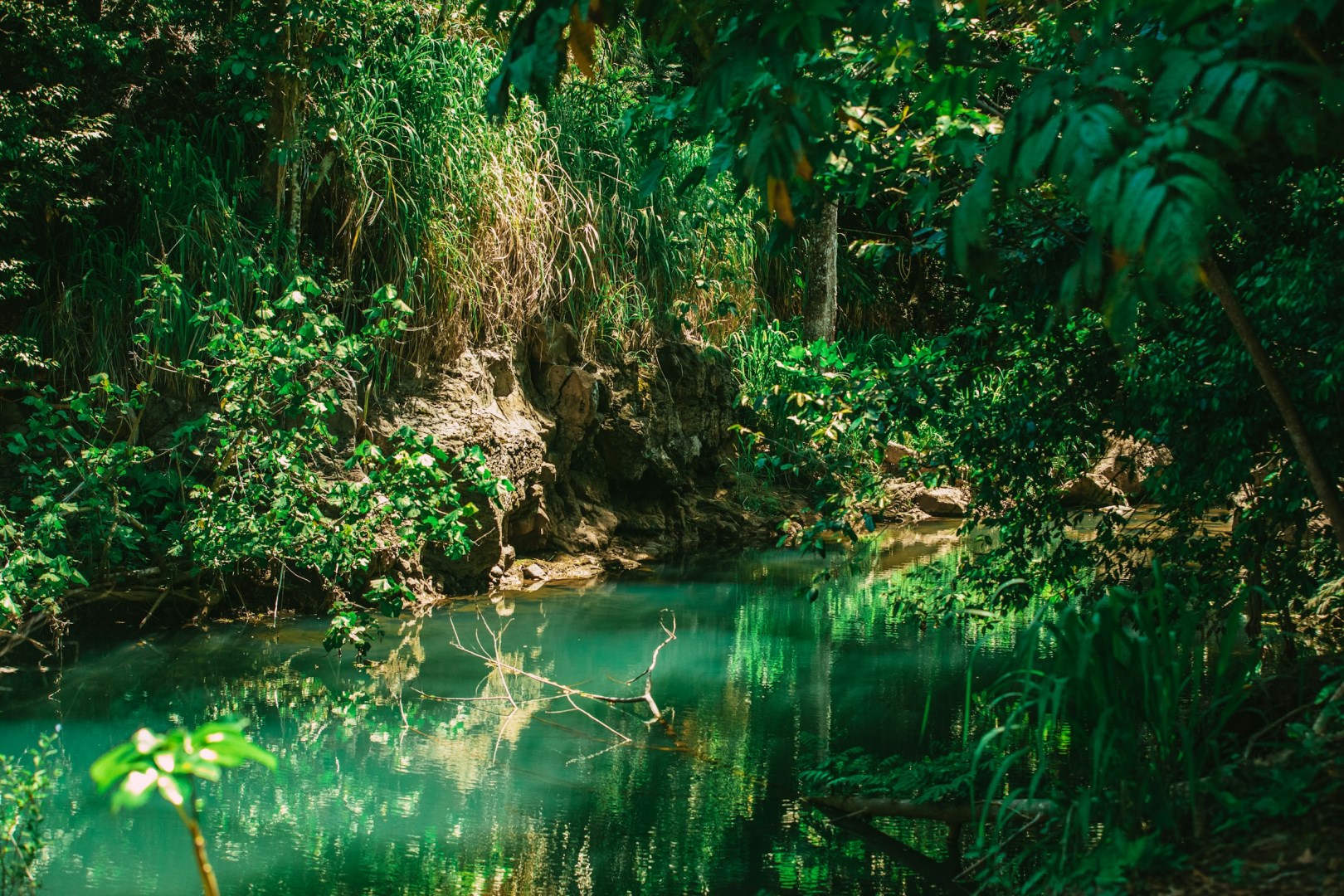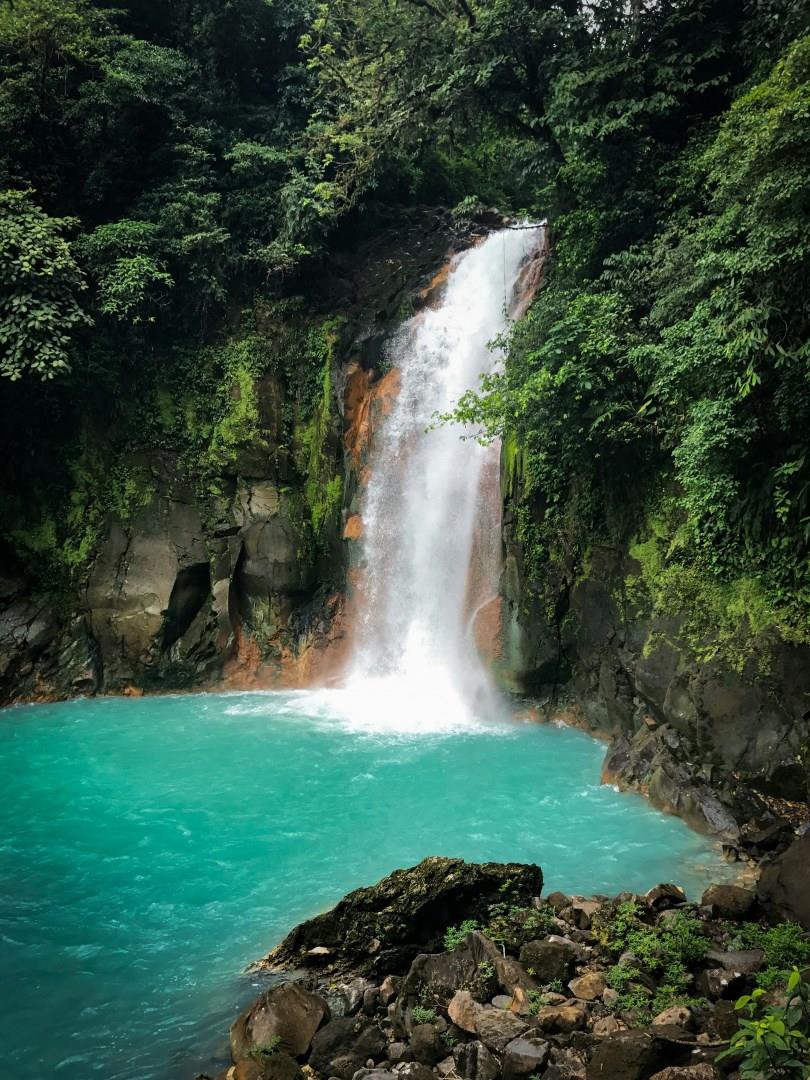
Hidden in the northern region of Costa Rica, the Celeste River (Río Celeste) winds through Tenorio Volcano National Park with a color so vivid it seems unreal. The river’s striking turquoise hue is caused by a natural chemical reaction between two mineral-rich streams, Quebrada Agria and Río Buena Vista, which merge at a point known as "El Teñidero." This one-of-a-kind phenomenon creates the illusion that the water has been dyed blue, even though no pigments are present.
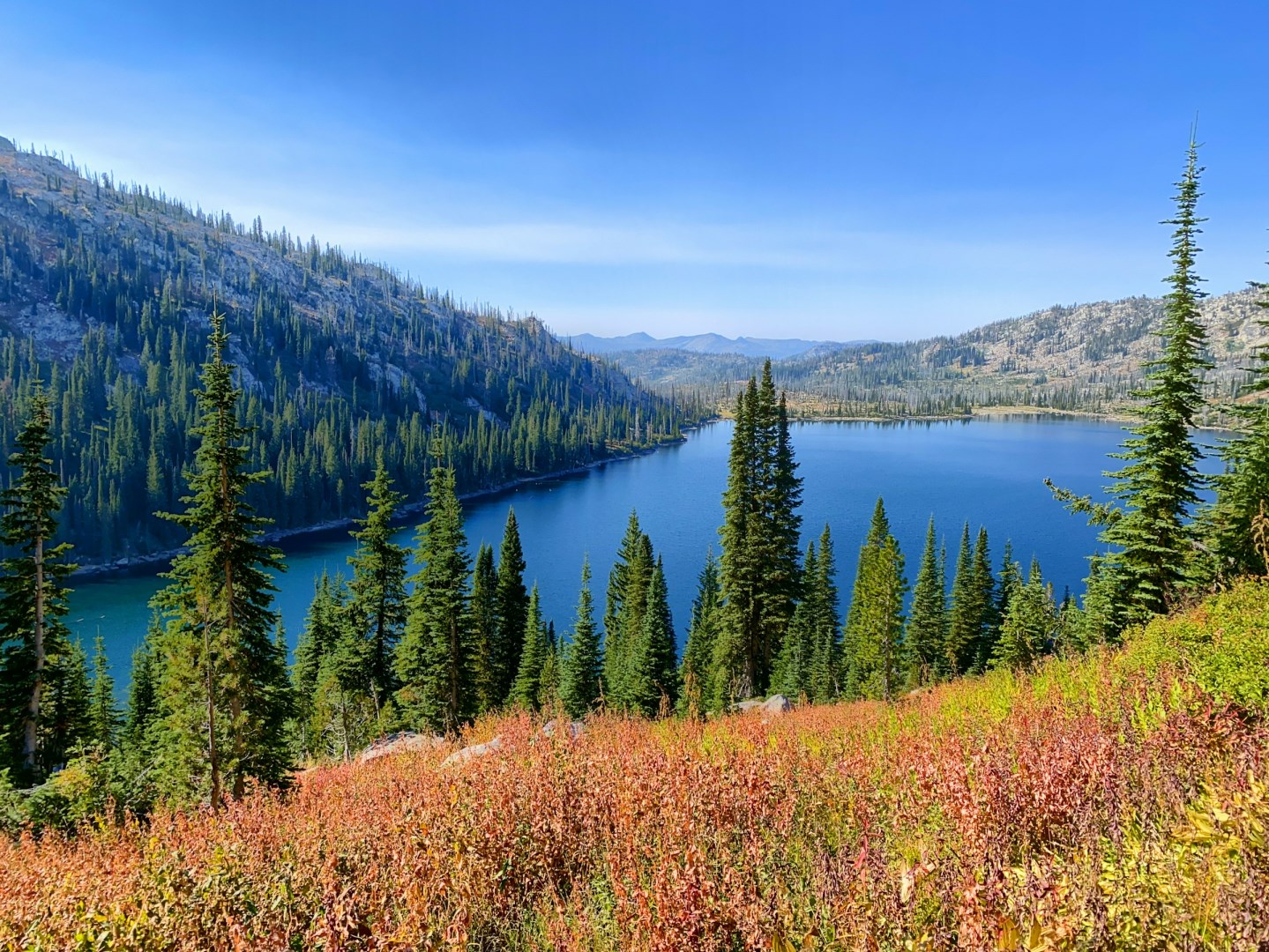
Payette National Forest covers a large area of west-central Idaho, extending across the rugged Salmon River Mountains and the western side of the state’s central mountain country. The forest includes alpine ridges, deep river valleys, conifer forests, meadows, and high mountain lakes.
One of the Caribbean's most lively islands, Guadeloupe will charm you with its impressive dormant volcano, stunning tropical forests, and French ambience. Actually composed of two islands, Grand Terre and Basse Terre, Guadeloupe has the honor of hosting one of France's seven Parcs National. Don't miss a chance to try Guadeloupe's famous Creole cuisine.
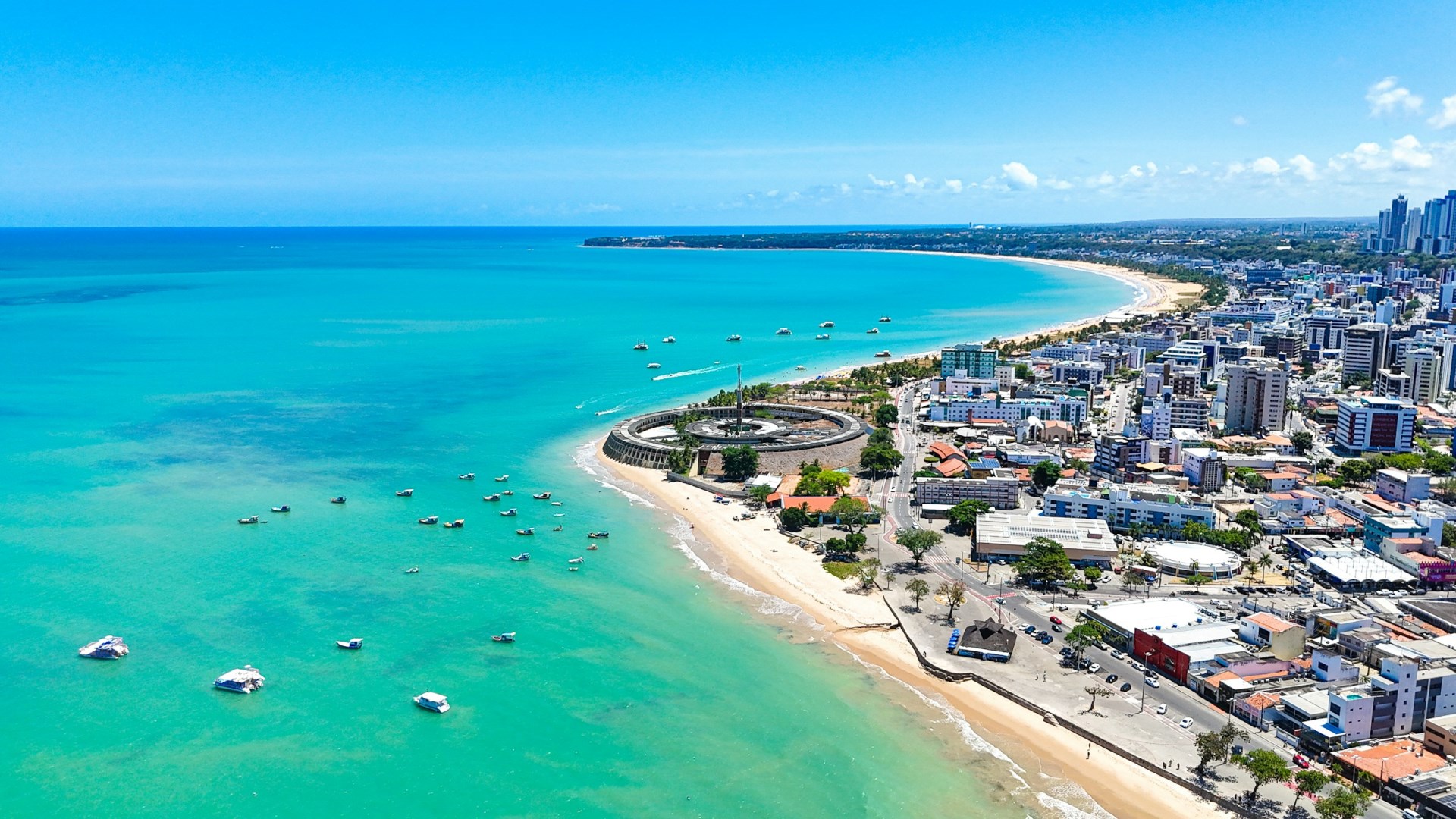
João Pessoa is the capital of Paraíba on Brazil’s northeastern coast, with an urban landscape that extends from the historic center to a long Atlantic waterfront. Its beaches include Tambaú, Manaíra, Cabo Branco, and Bessa, while the Sanhauá River borders the older part of the city. João Pessoa is also known for its abundant public greenery, including parks, tree-lined areas, and the Jardim Botânico Benjamim Maranhão.
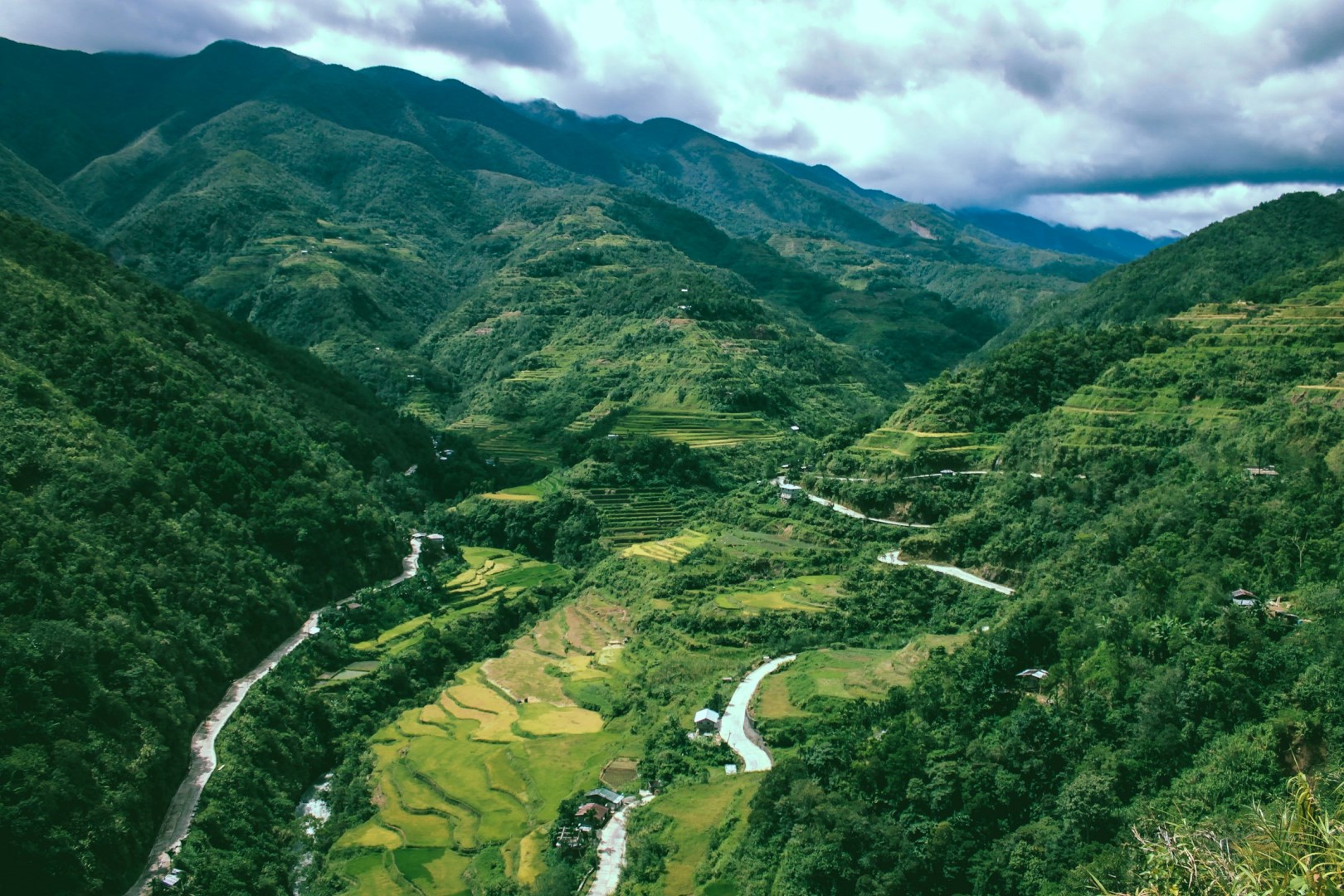
Luzon is the 15th largest island in the world, and the most populous island in the Philippines, home to 53 million people and the country’s capital, Manila. Luzon boasts a unique and eye-catching topography, with a variety of terrains and distinct geographical features. The north’s flat coastline and tropical pine forests meet at the site of Mount Pulag, Luzon’s tallest mountain peak.
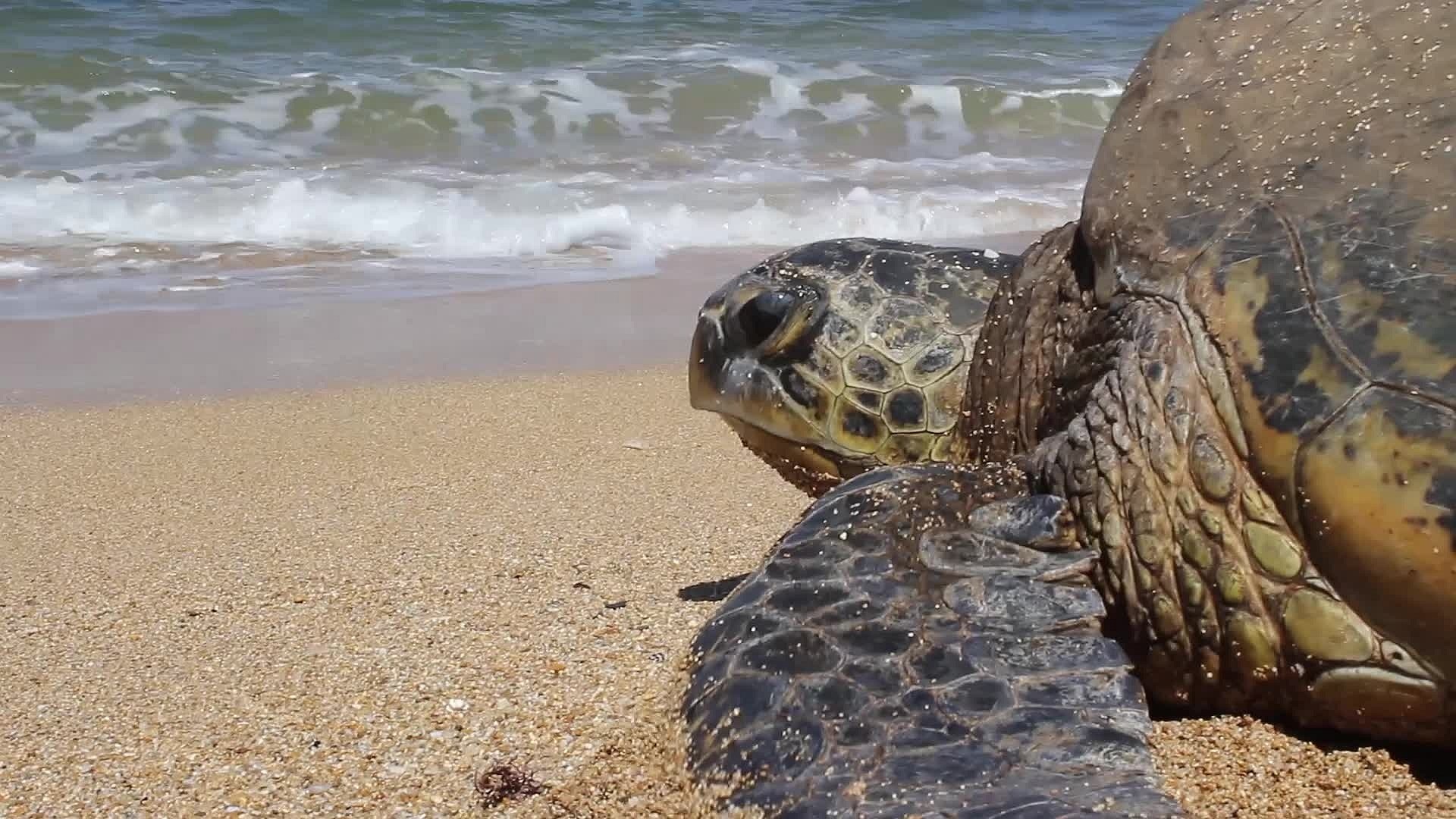
Photo Credit: Photo by Christian Joudrey on Unsplash
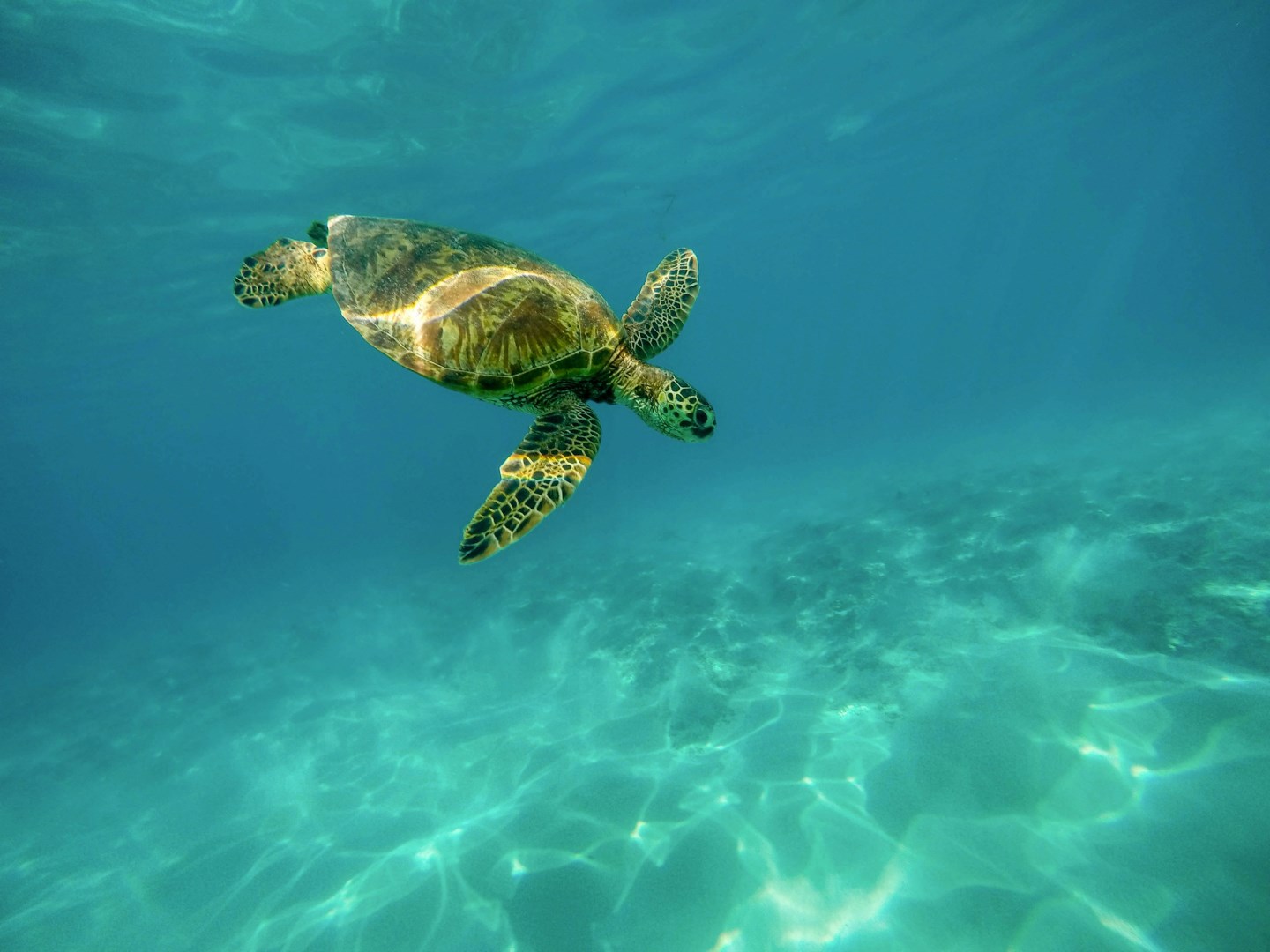
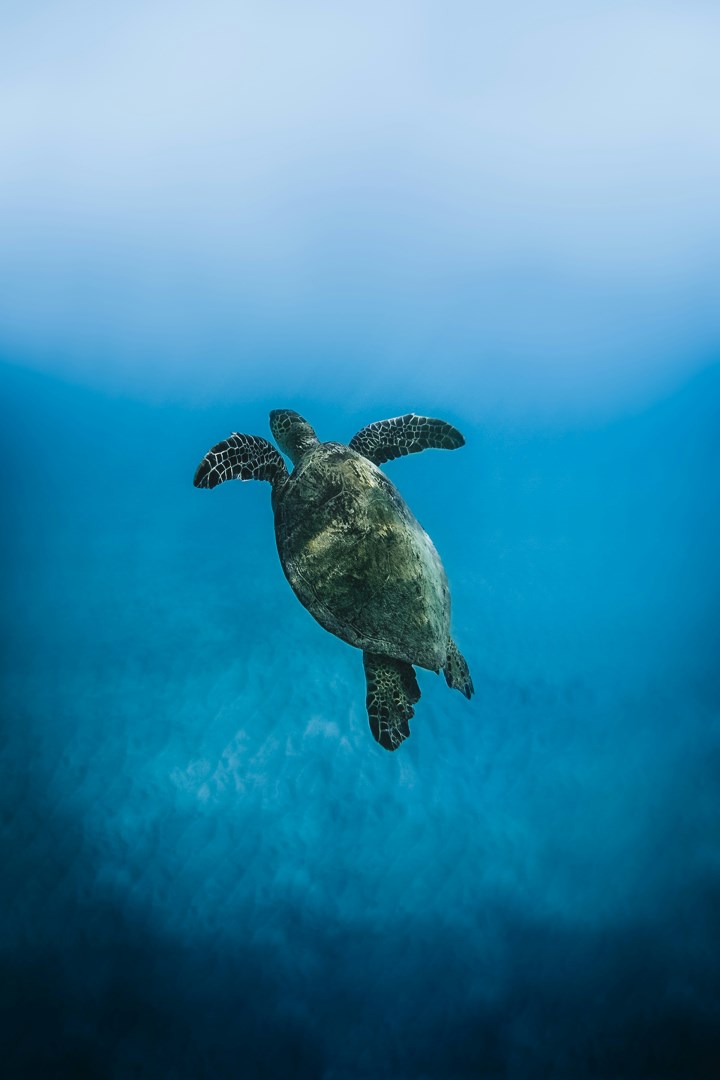
Turtle
Photo Credit: Photo by Jeremy Bishop on Unsplash
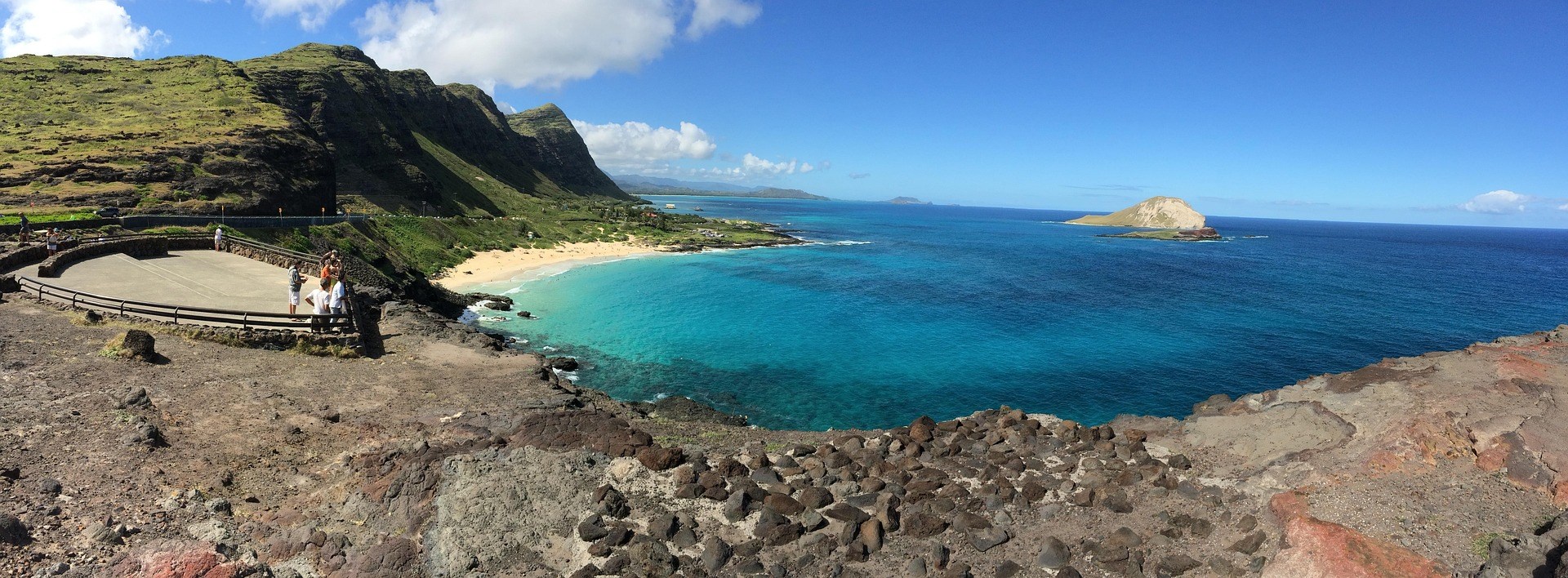
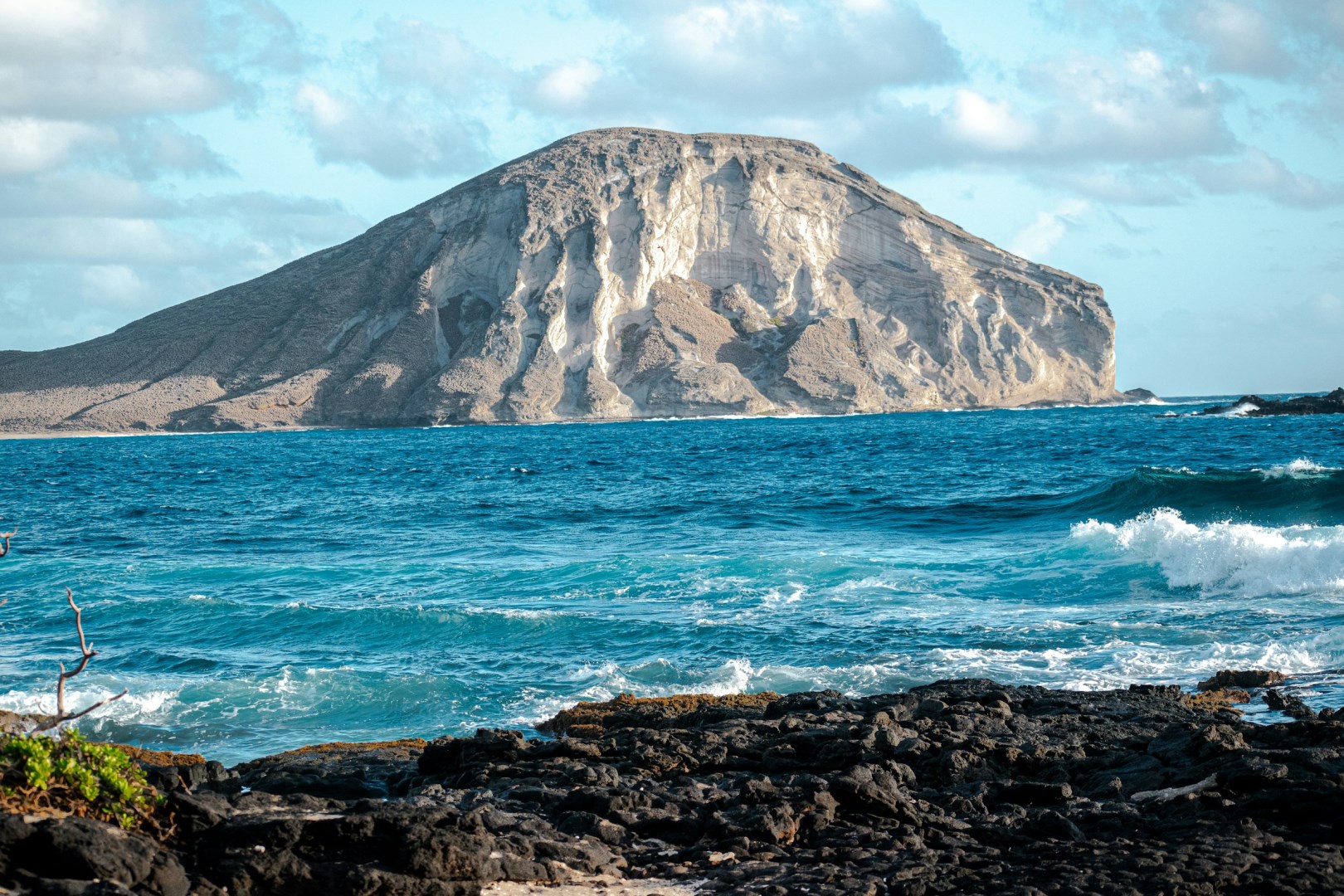
Waimanalo Beach
Photo Credit: Photo by Skye on Unsplash
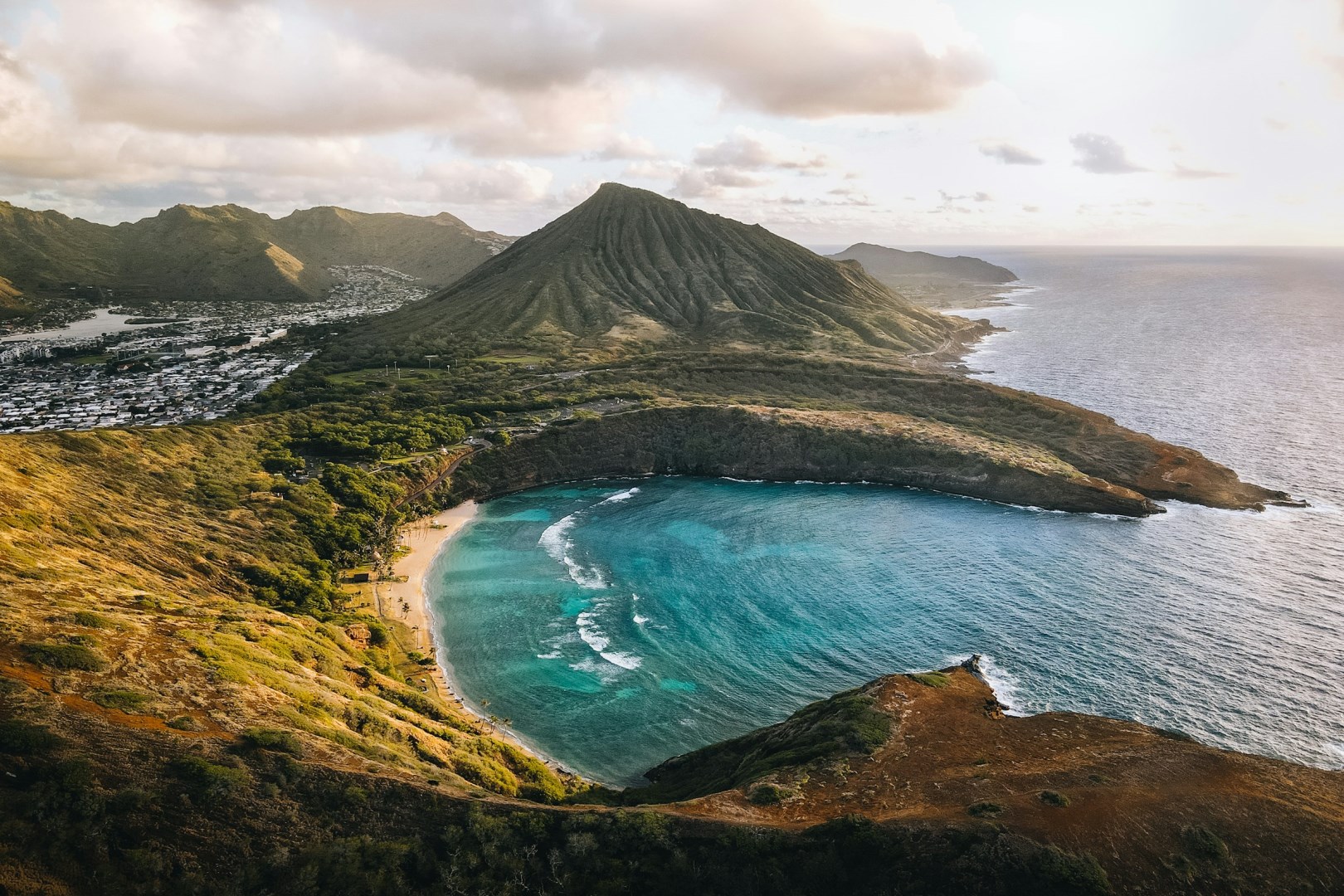
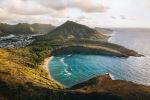
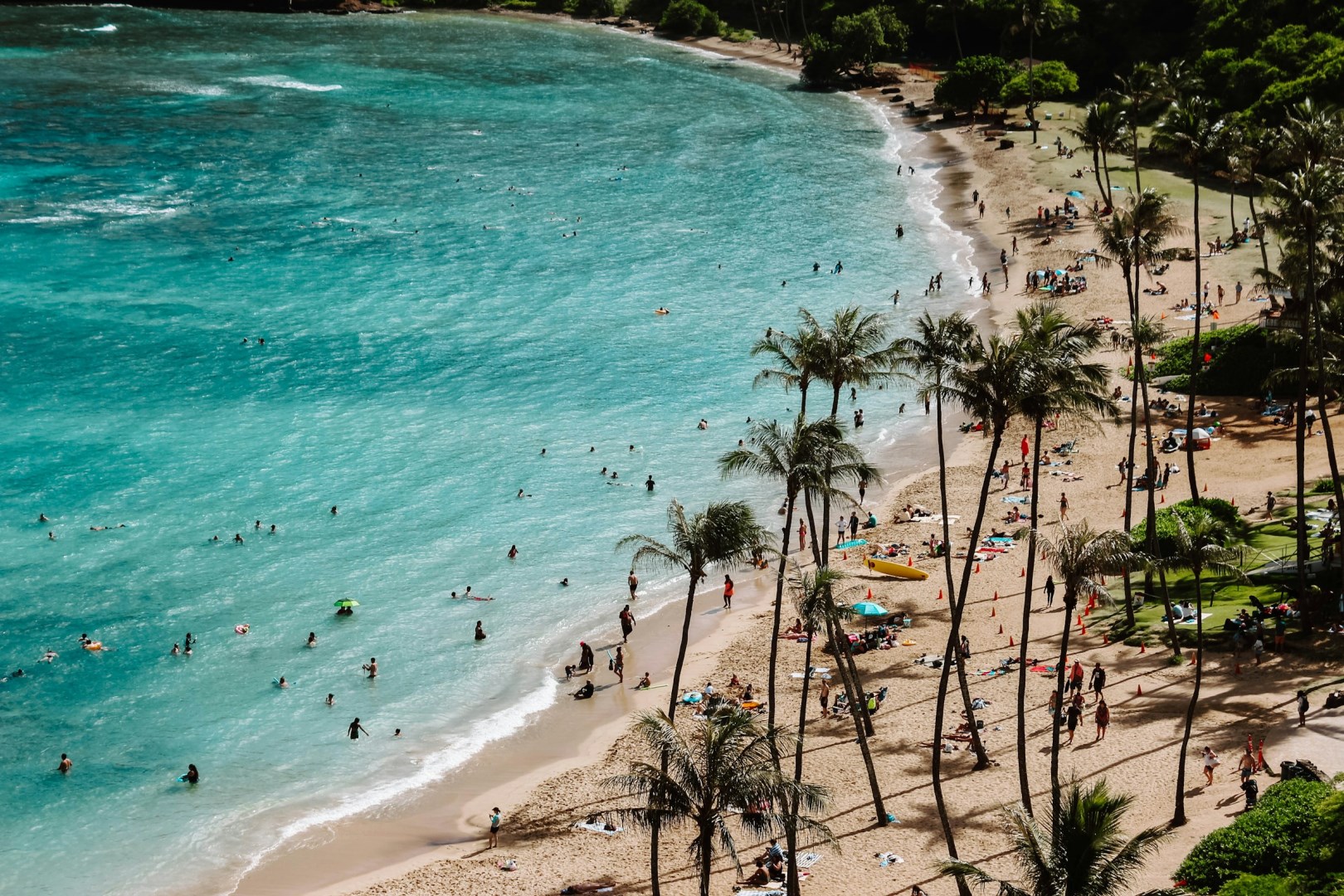
Hanauma Bay
Photo Credit: Photo by Samantha Sophia on Unsplash
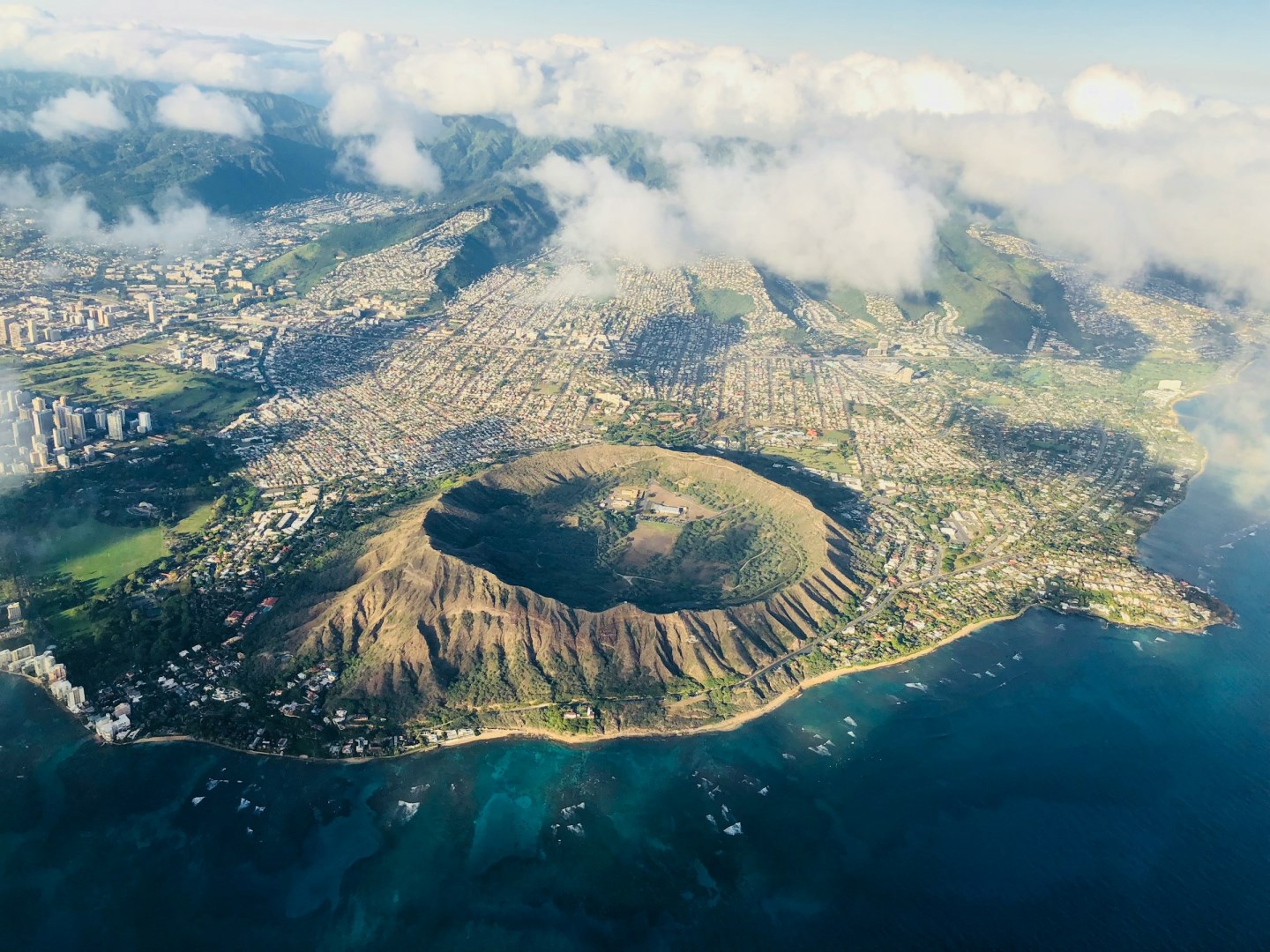
Diamond Head Crater
Photo Credit: Photo by Chase O on Unsplash
Haleiwa
Photo Credit: Photo by Matt Paul Catalano on Unsplash
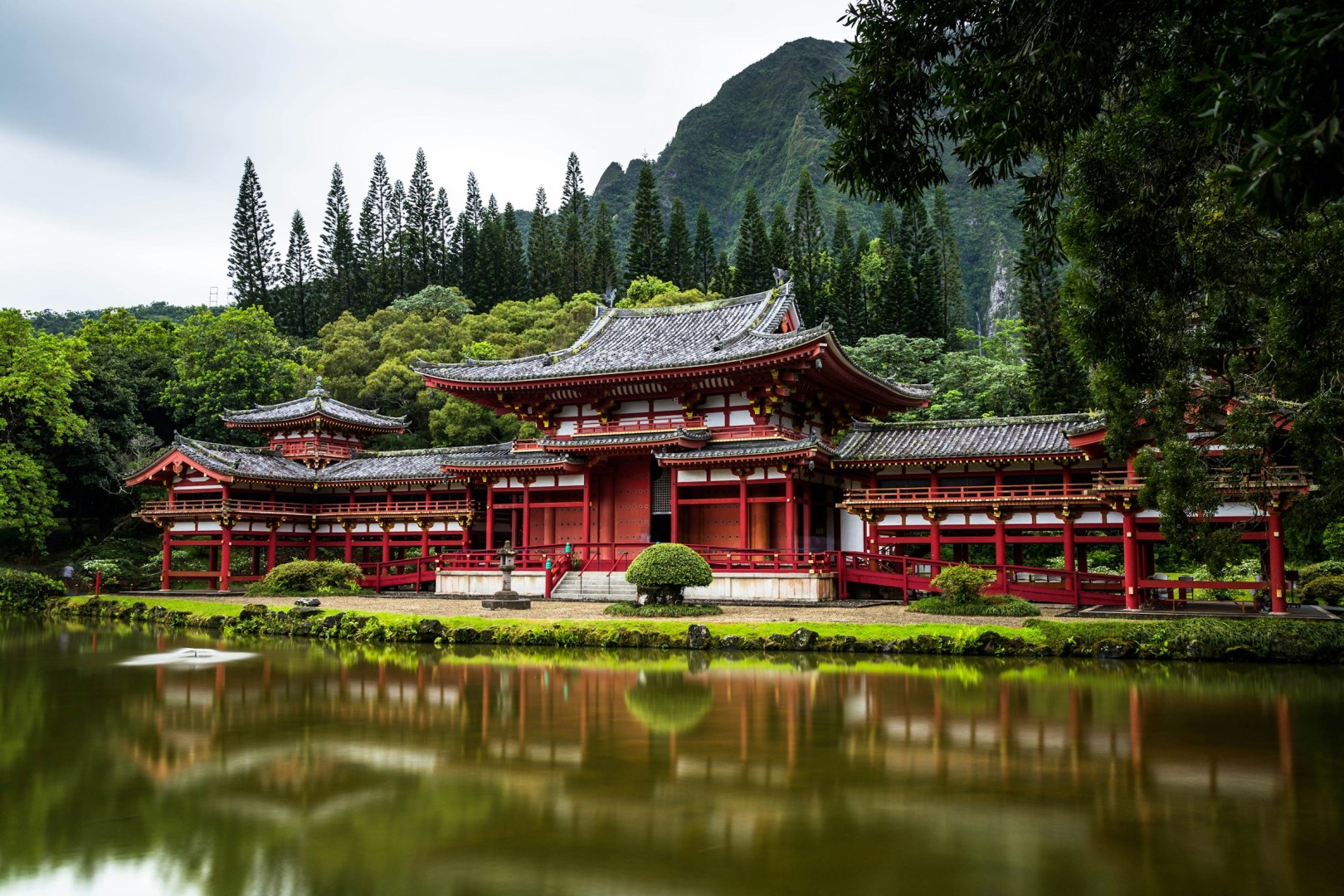
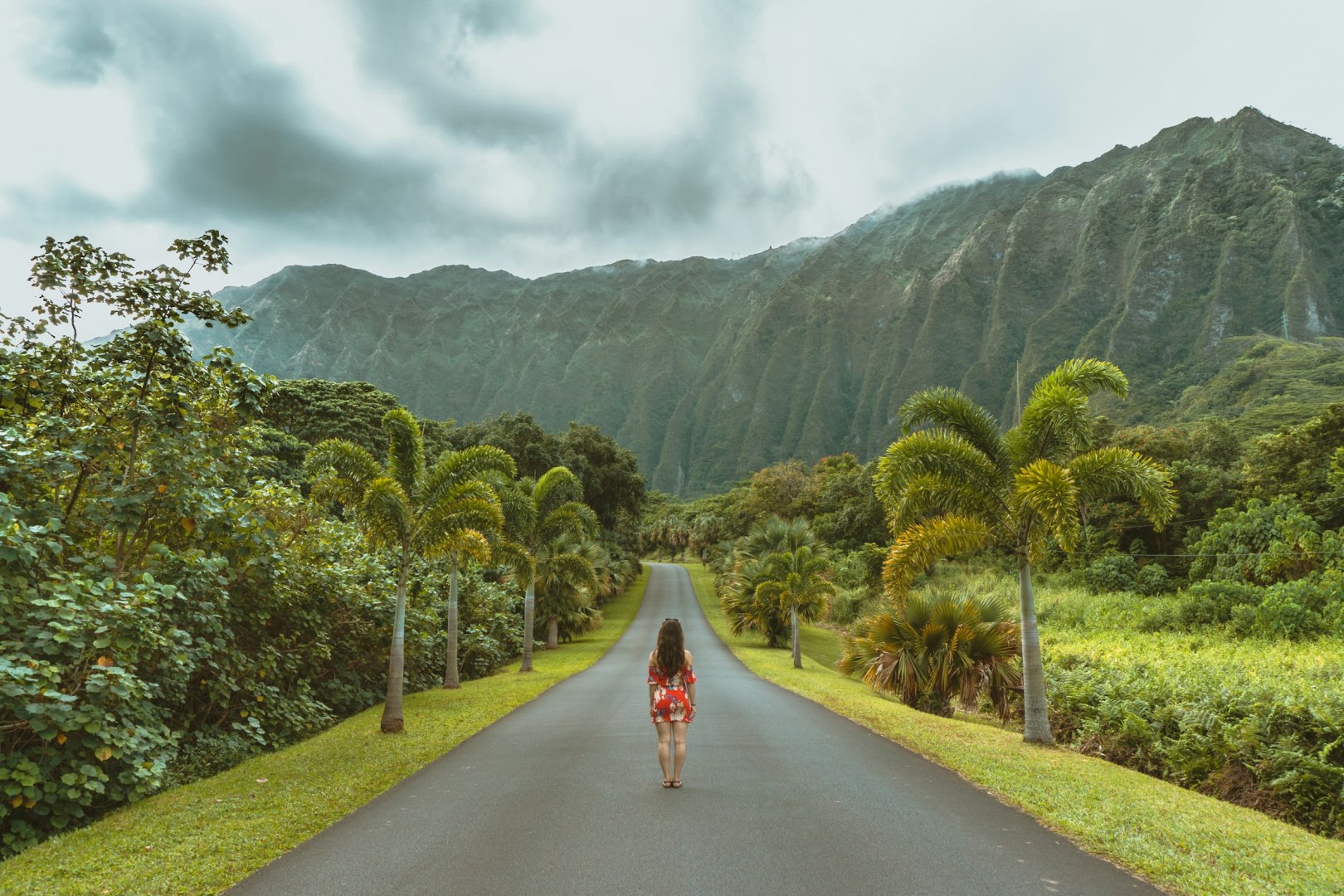
Ho'omaluhia Botanical Garden, Kaneohe
Photo Credit: Photo by Darren Lawrence on Unsplash
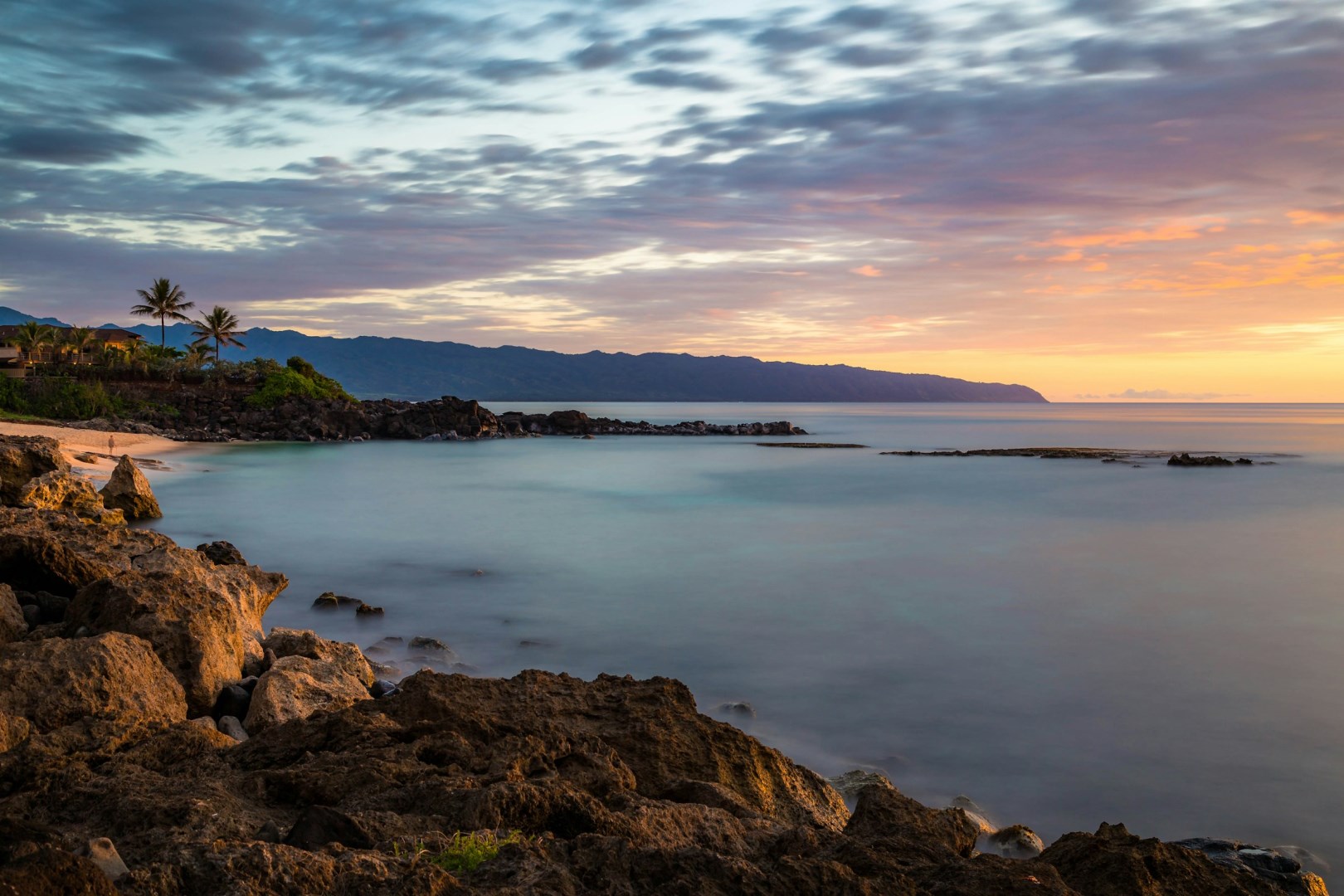
Three Tables Beach, Haleiwa
Photo Credit: Photo by Christian Joudrey on Unsplash
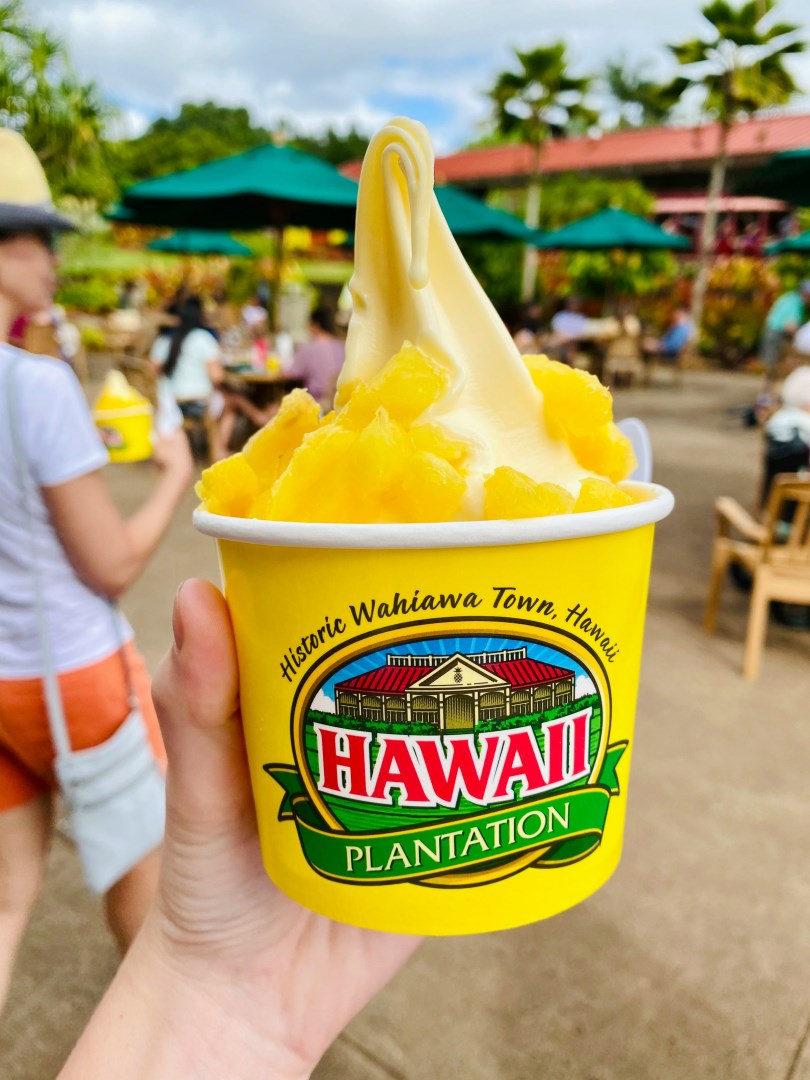
Dole Plantation, Wahiawa
Photo Credit: Photo by Ava W. on Unsplash
Photo Credit: Photo by Kvnga on Unsplash
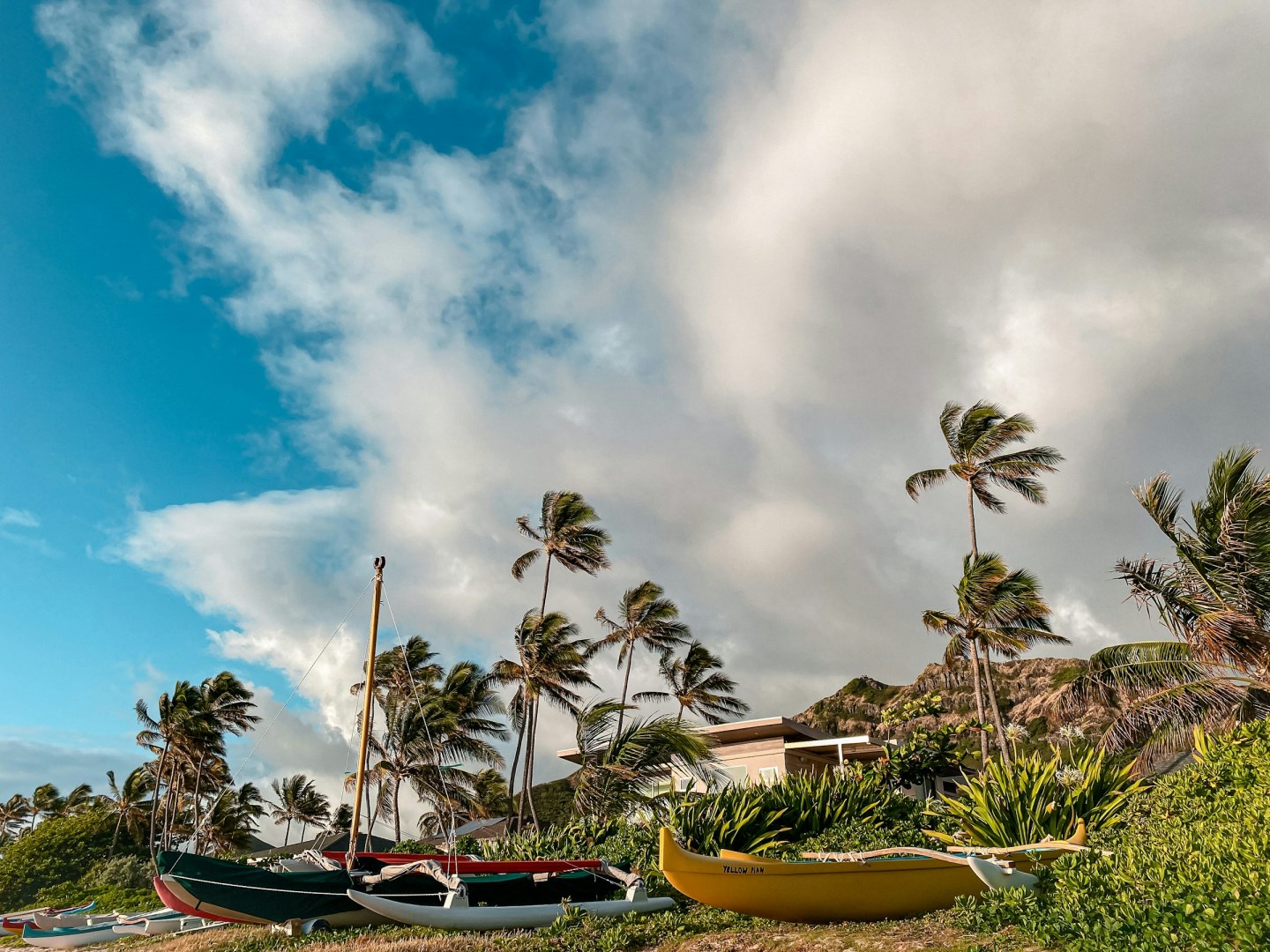
Lanikai Shore
Photo Credit: Photo by Julian Armstrong on Unsplash
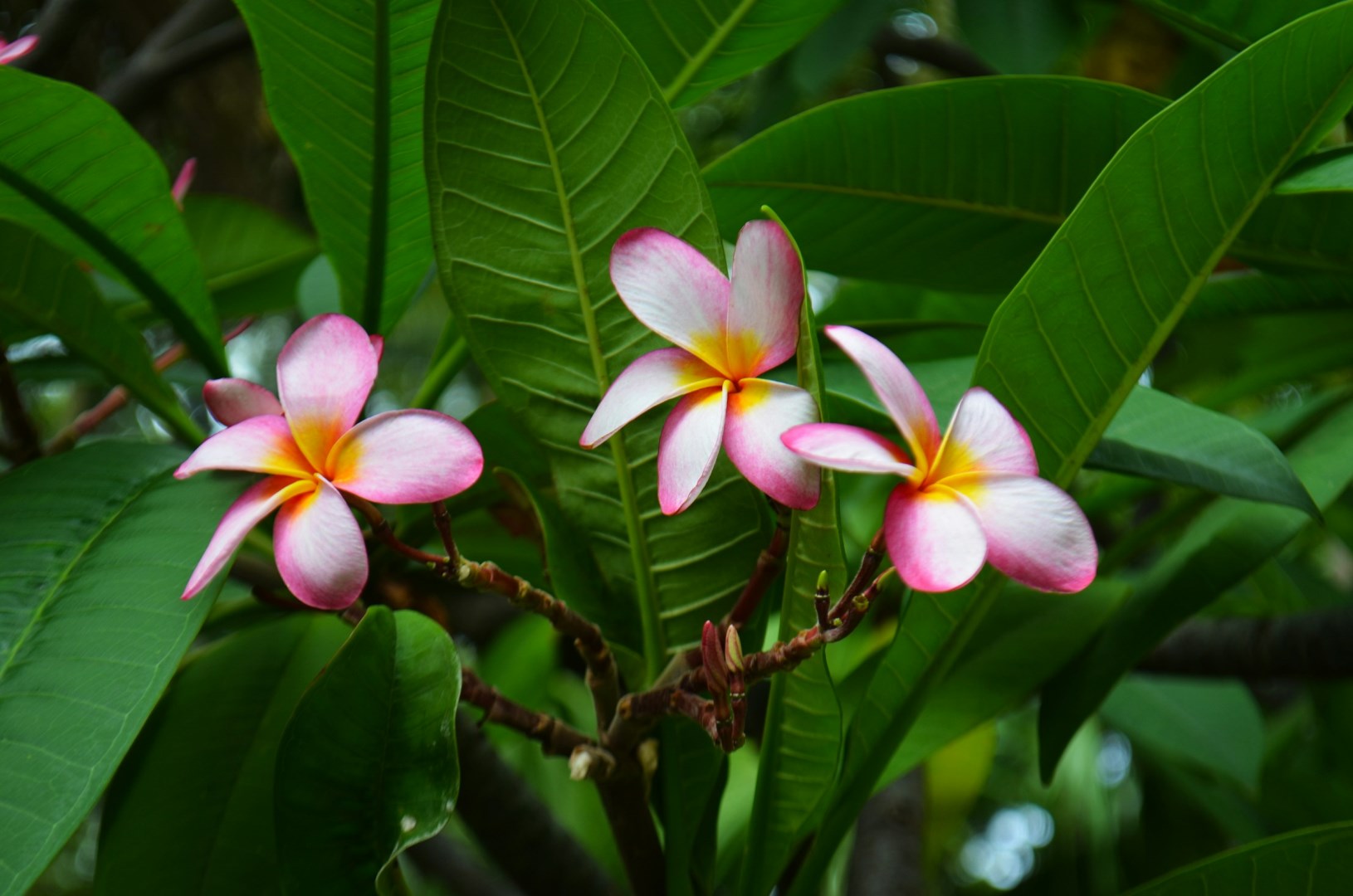
Plumeria
Photo Credit: Photo by Ariana Kaminski on Unsplash
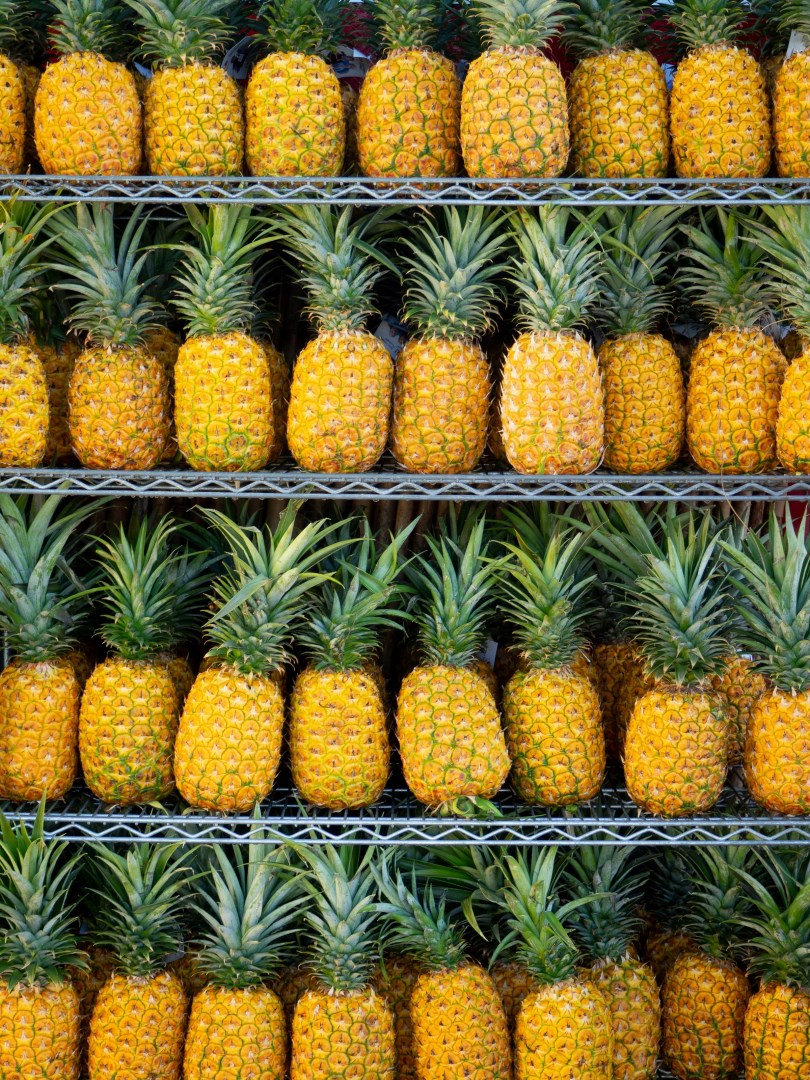
Pineapple
Photo Credit: Photo by Fiona Smallwood on Unsplash
Photo Credit: Photo by Peter Thomas on Unsplash
Photo Credit: Photo by Jakob Owens on Unsplash
Photo Credit: Photo by Keith Champaco on Unsplash
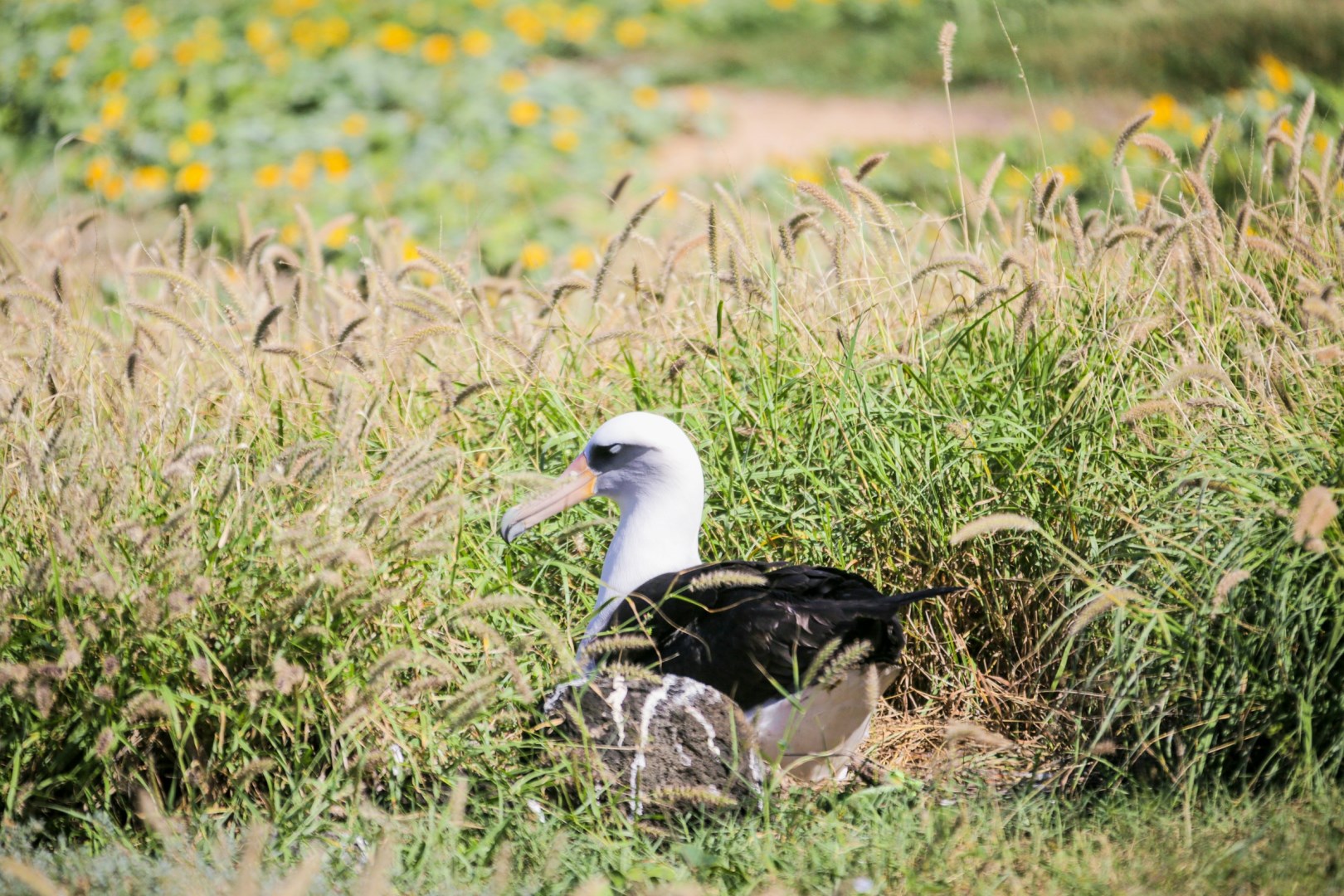
Laysan Albatross nesting
Photo Credit: Photo by Jake Bergen on Unsplash
Oahu, island in central Hawaii, between Kauai and Molokai islands, in Honolulu County; it is the third largest island in the state, after Hawaii and Maui. The most heavily populated of the Hawaiian islands, Oahu is known as the Gathering Place. It is about 64 km (about 40 mi) long and 42 km (26 mi) wide. Oahu is the commercial center of Hawaii and is important to United States defense in the Pacific. Pearl Harbor naval base is situated here. Two parallel mountain ranges, the Koolau Range and the Waianae Range, cross Oahu from northwest to southeast. A wide fertile plateau separates the two ranges. The chief agricultural industries in Oahu are the growing and processing of pineapples and sugarcane; tourism also is very important to the economy. Among the many popular beaches is the renowned Waikiki, backed by the famous Diamond Head, an extinct volcano. The largest community, Honolulu, is the state capital.
Other Popular Destinations in Hawaii
Honolulu, Oahu
Honolulu, the capital of Hawaiʻi and the largest city in the Pacific, blends the energy of a major urban center with the deep roots of Native Hawaiian culture. Set on the island of Oʻahu, it’s home to iconic beaches, royal history, and a rhythm all its own. This sunny capital city is the main portal to the larger Hawaiian archipelago, and the perfect base for exploring Oahu.
Kona, Hawaii
Kona started as King Kamehameha I's government seat, and is now a popular tourist destination with key landmarks like Hulihee Palace, as well as coffee farms, shopping and dining.