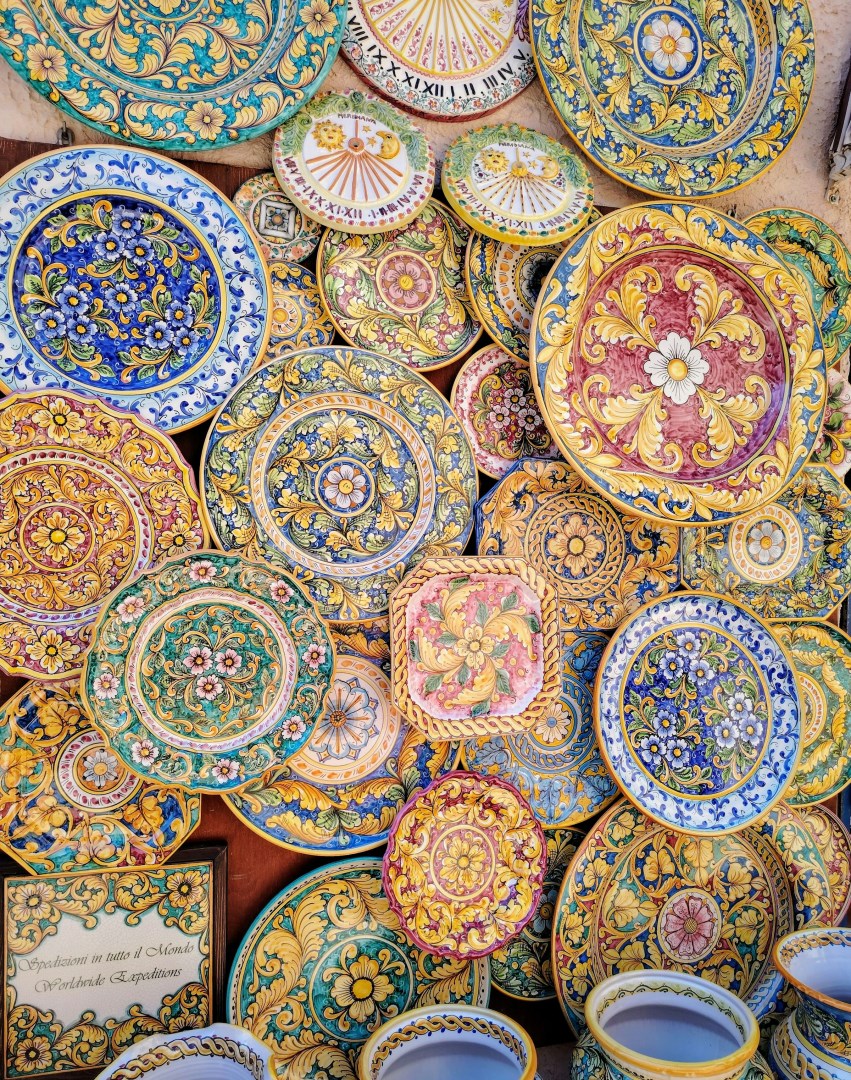
Across Africa, countless treasures wait to be discovered with the continent's unique diversity offering a wealth of experiences for all types of travelers. One of the most captivating regions is East Africa, home to Kenya, Tanzania, Uganda, and Rwanda—countries that serve as gateways to Africa’s most iconic wildlife and landscapes.
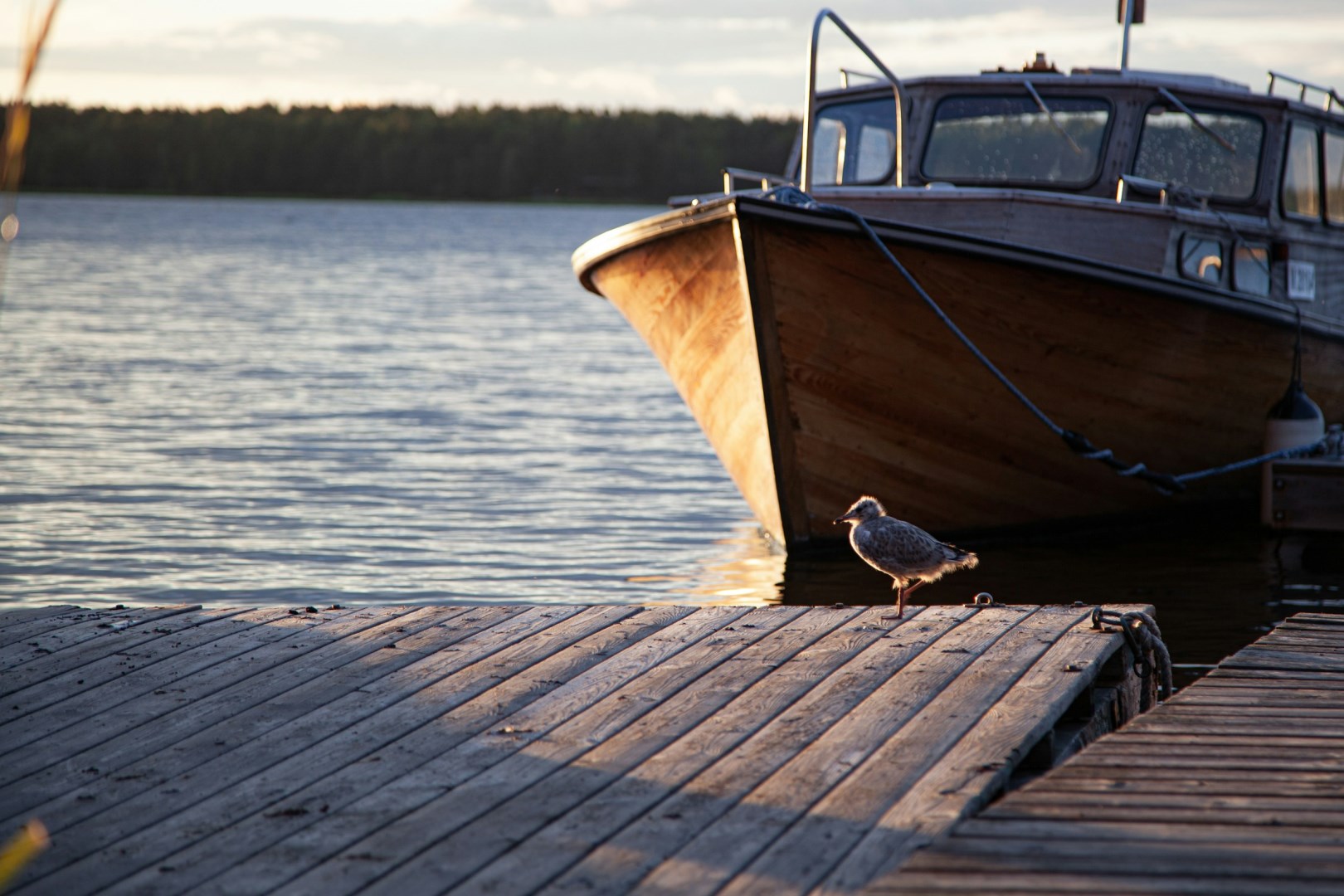
Located on the southern coast of Finland at the delta of the Kymi river, the city of Kotka is a major Finnish sea port. Perhaps the best-known attraction of this multicultural and creative city is the country's largest urban maritime festival, an annual celebration that includes boating events, dance and music performances, and Finland's largest parade which marks the beginning of the city-wide event.
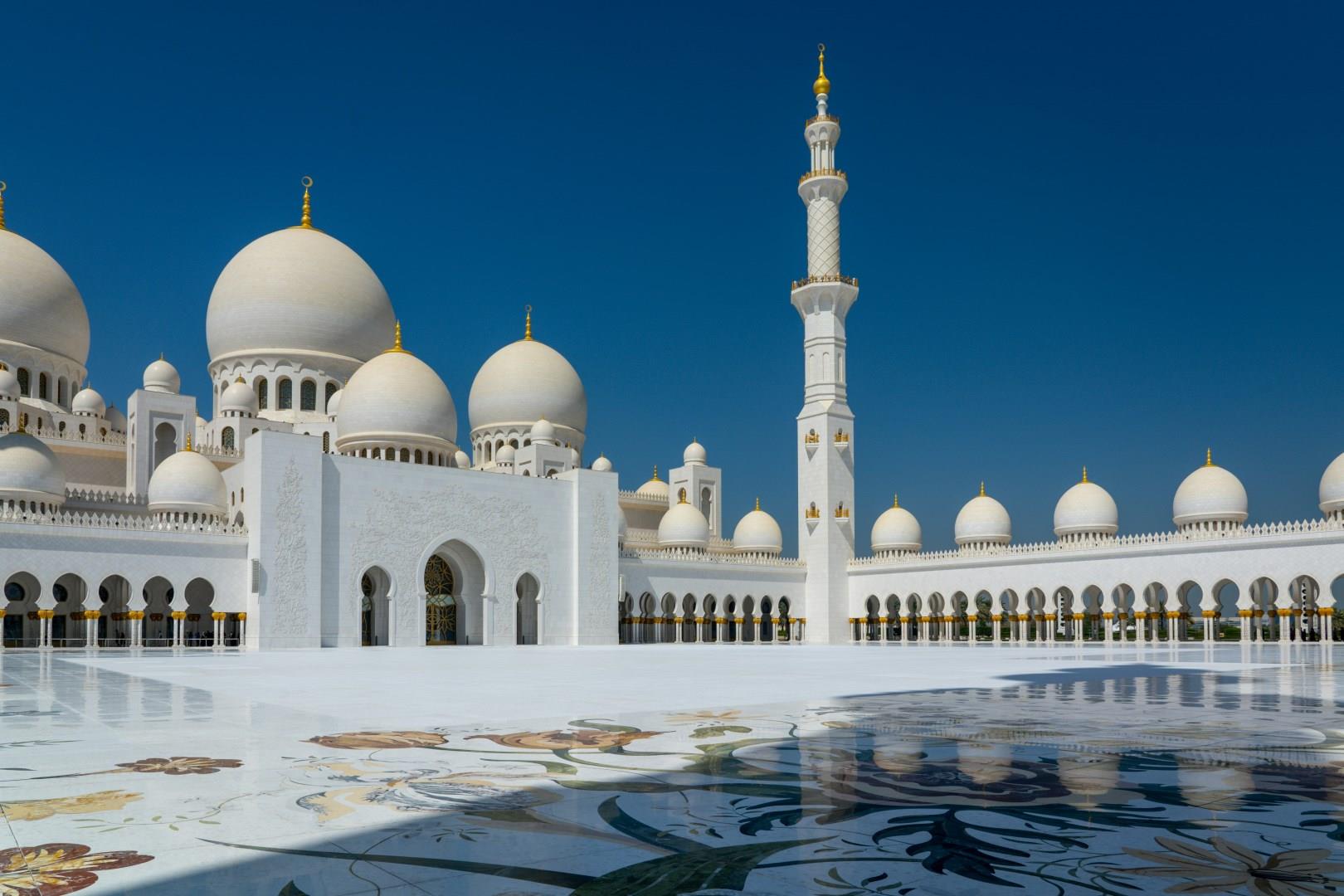
Fujairah stands apart among the emirates as the only one on the UAE’s eastern shore, where waves roll in from the Gulf of Oman and the Hajar Mountains rise sharply behind the city. Life here moves between sea and mountain, where coastal breeze meets rugged terrain, and echoes of ancient trade routes still shape the rhythm of settlements.
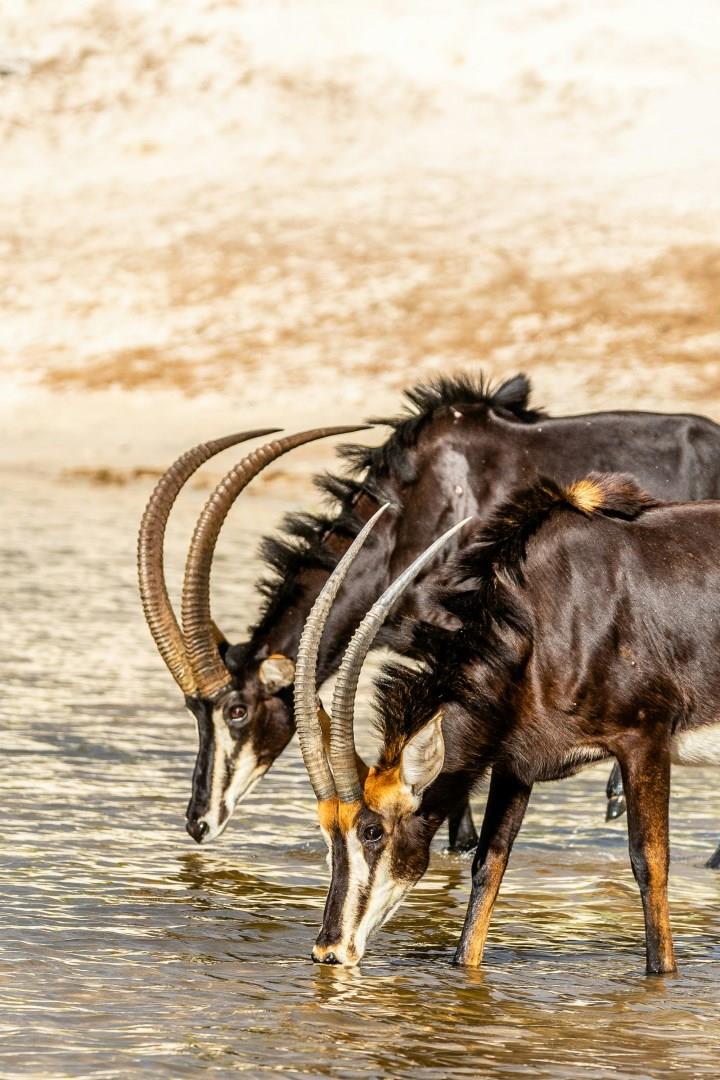
Linyanti Wildlife Reserve, tucked into the northern reaches of Botswana near the Chobe River, is a remote and pristine safari destination known for its rich biodiversity and exclusivity. Covering more than 275,000 acres of wilderness, the reserve is defined by floodplains, lagoons, woodlands, and savannah, creating a mosaic of habitats that sustain an impressive array of wildlife.
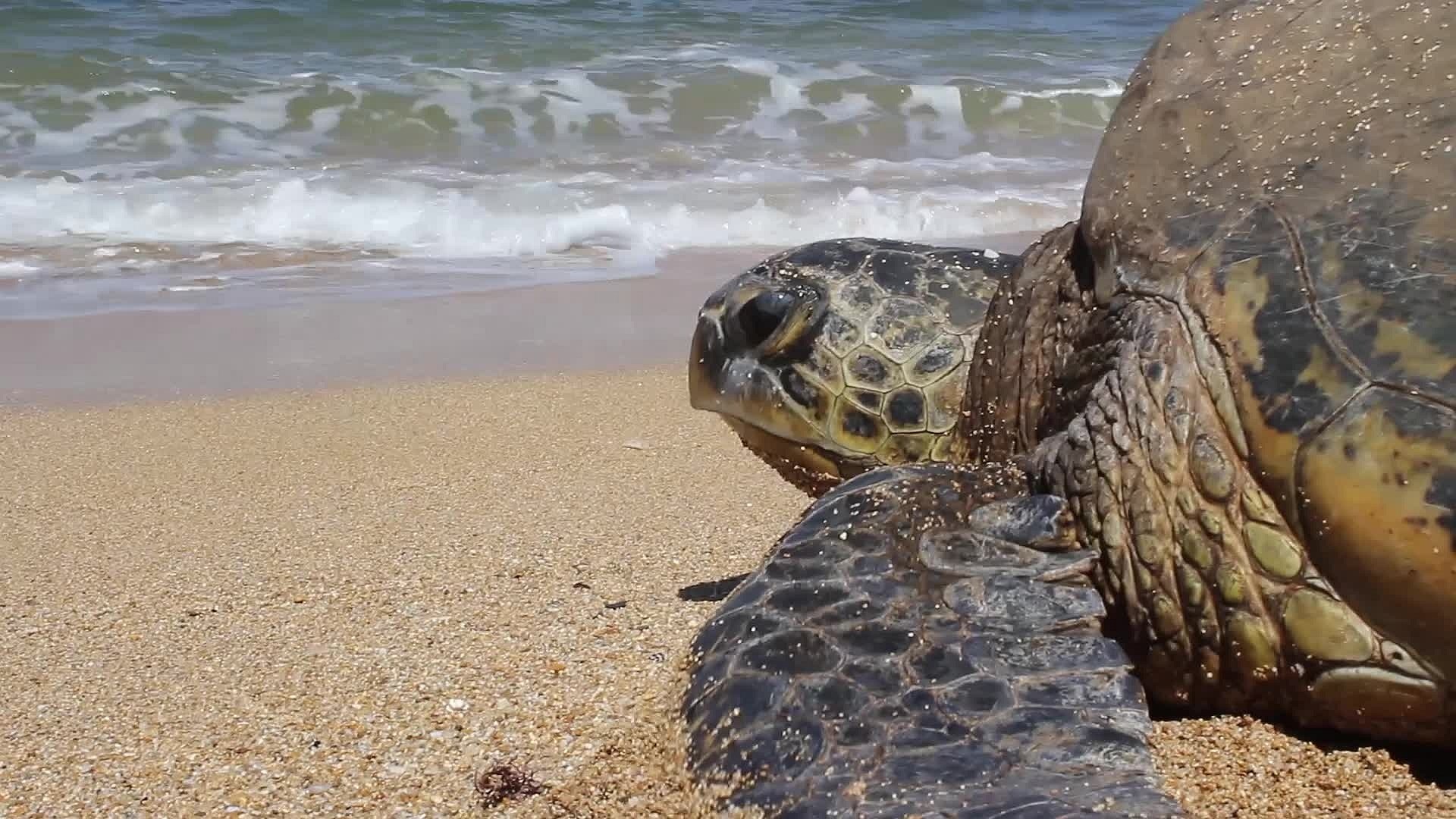
Photo Credit: Photo by Christian Joudrey on Unsplash
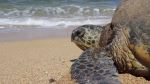
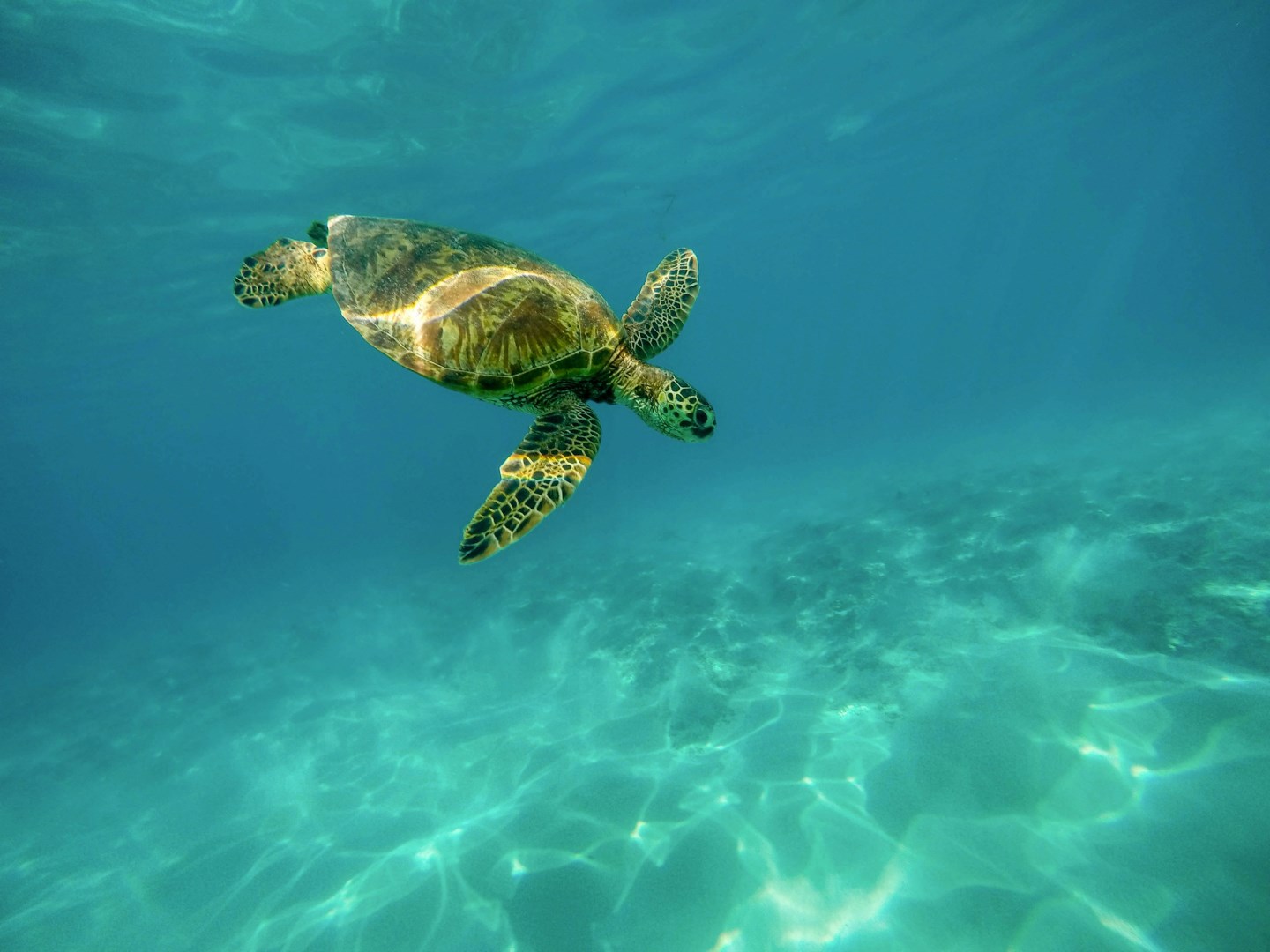
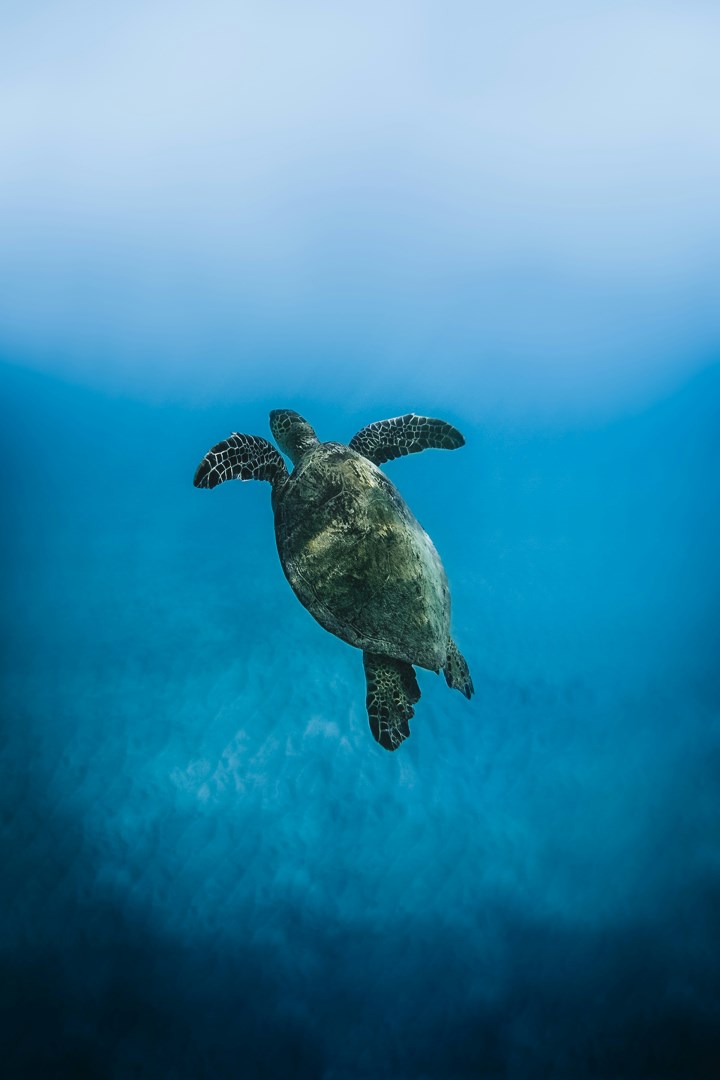
Turtle
Photo Credit: Photo by Jeremy Bishop on Unsplash
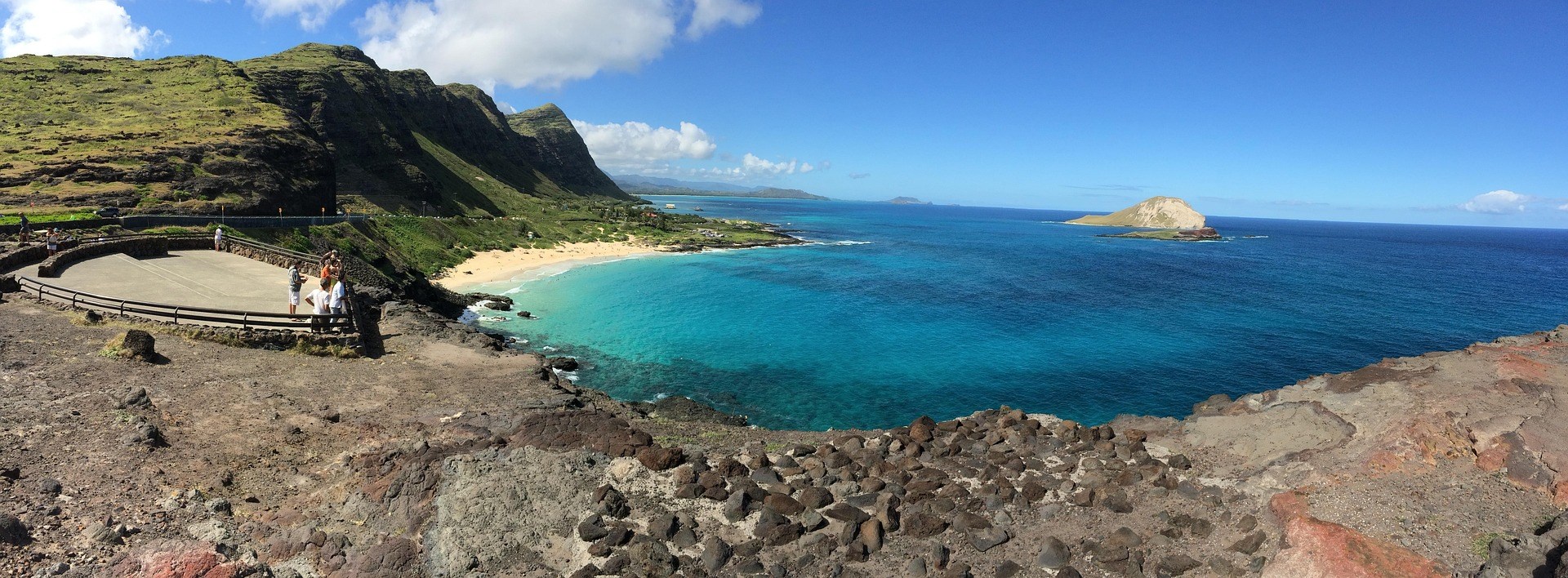
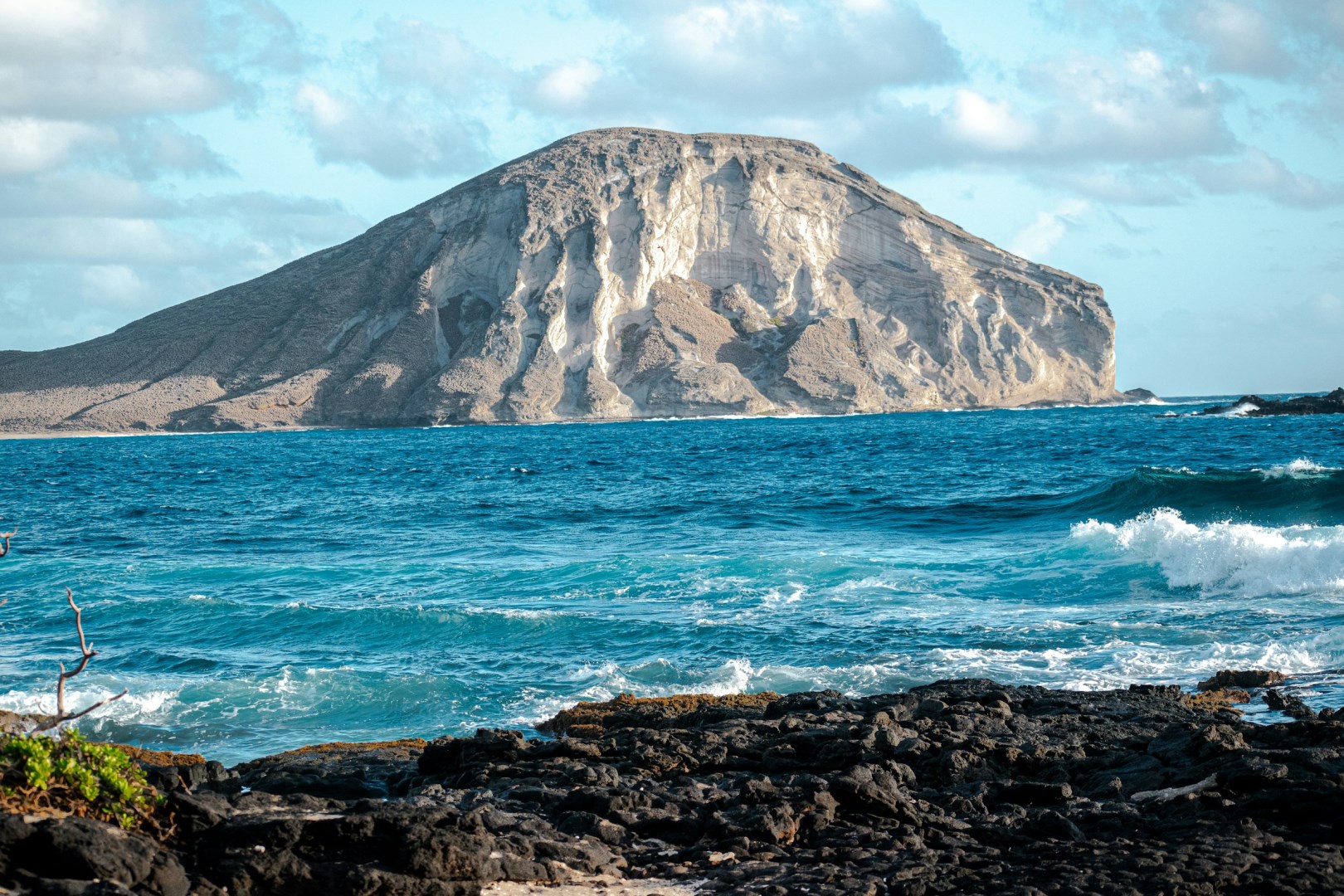
Waimanalo Beach
Photo Credit: Photo by Skye on Unsplash
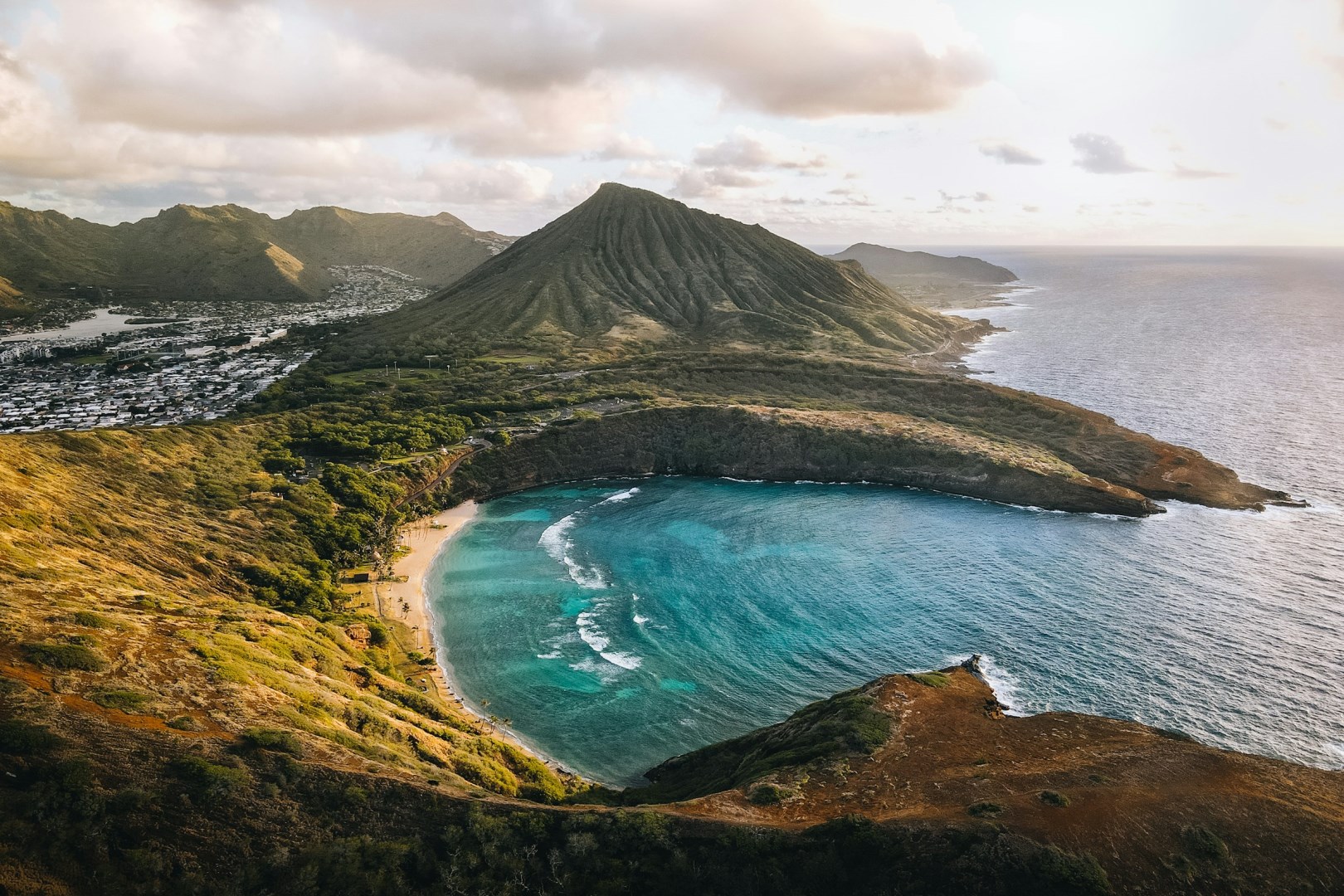
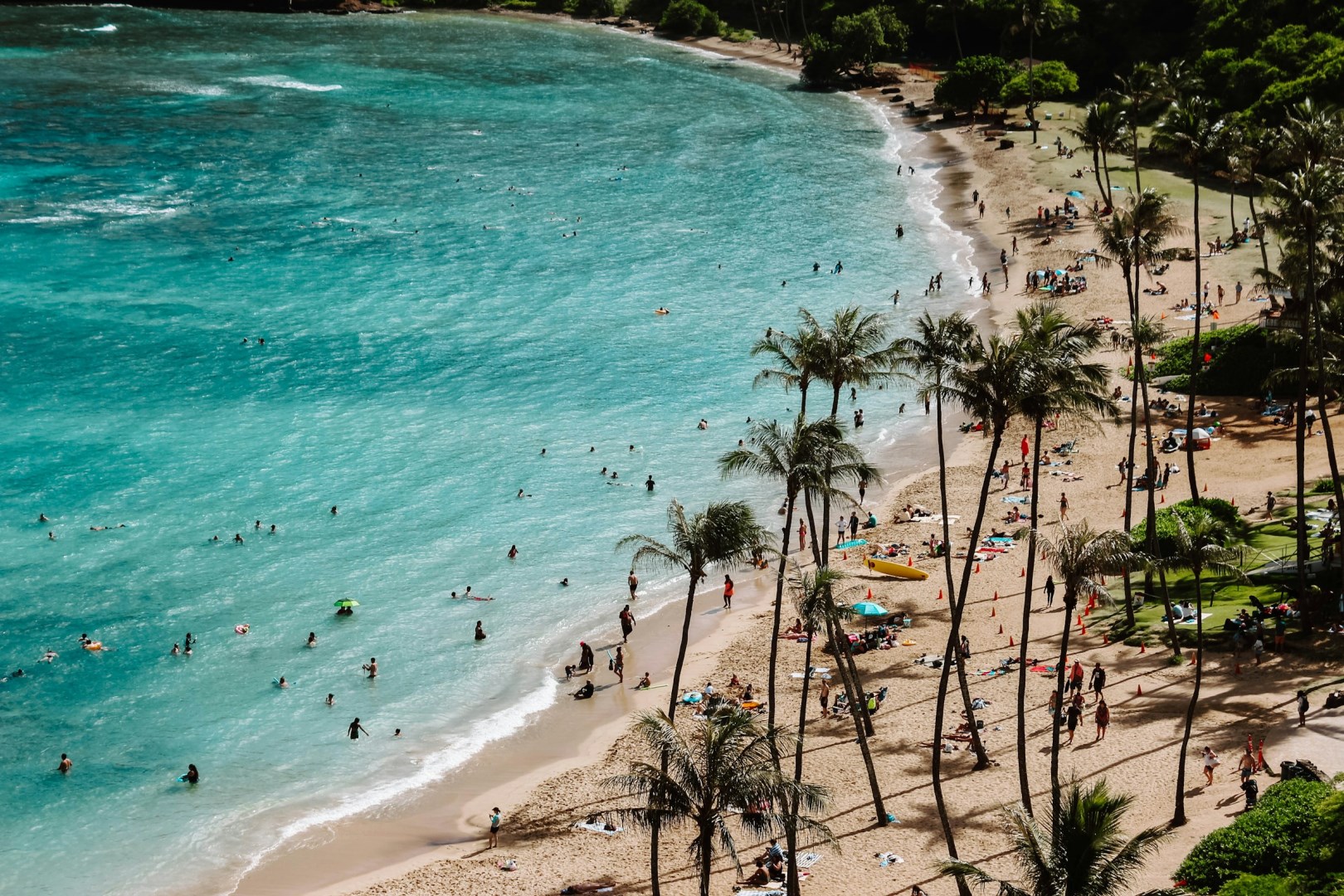
Hanauma Bay
Photo Credit: Photo by Samantha Sophia on Unsplash
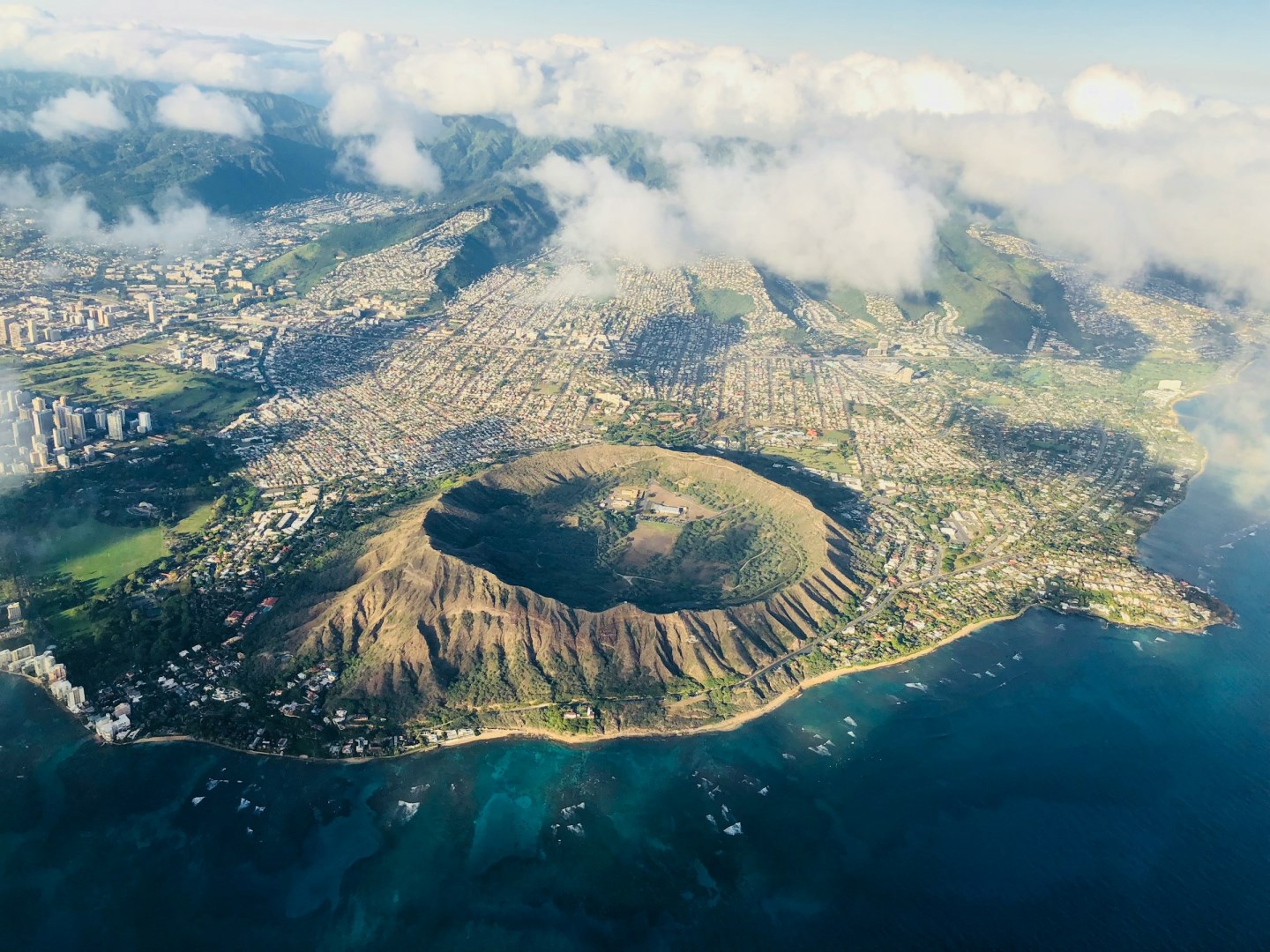
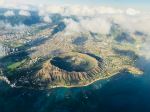
Diamond Head Crater
Photo Credit: Photo by Chase O on Unsplash
Haleiwa
Photo Credit: Photo by Matt Paul Catalano on Unsplash
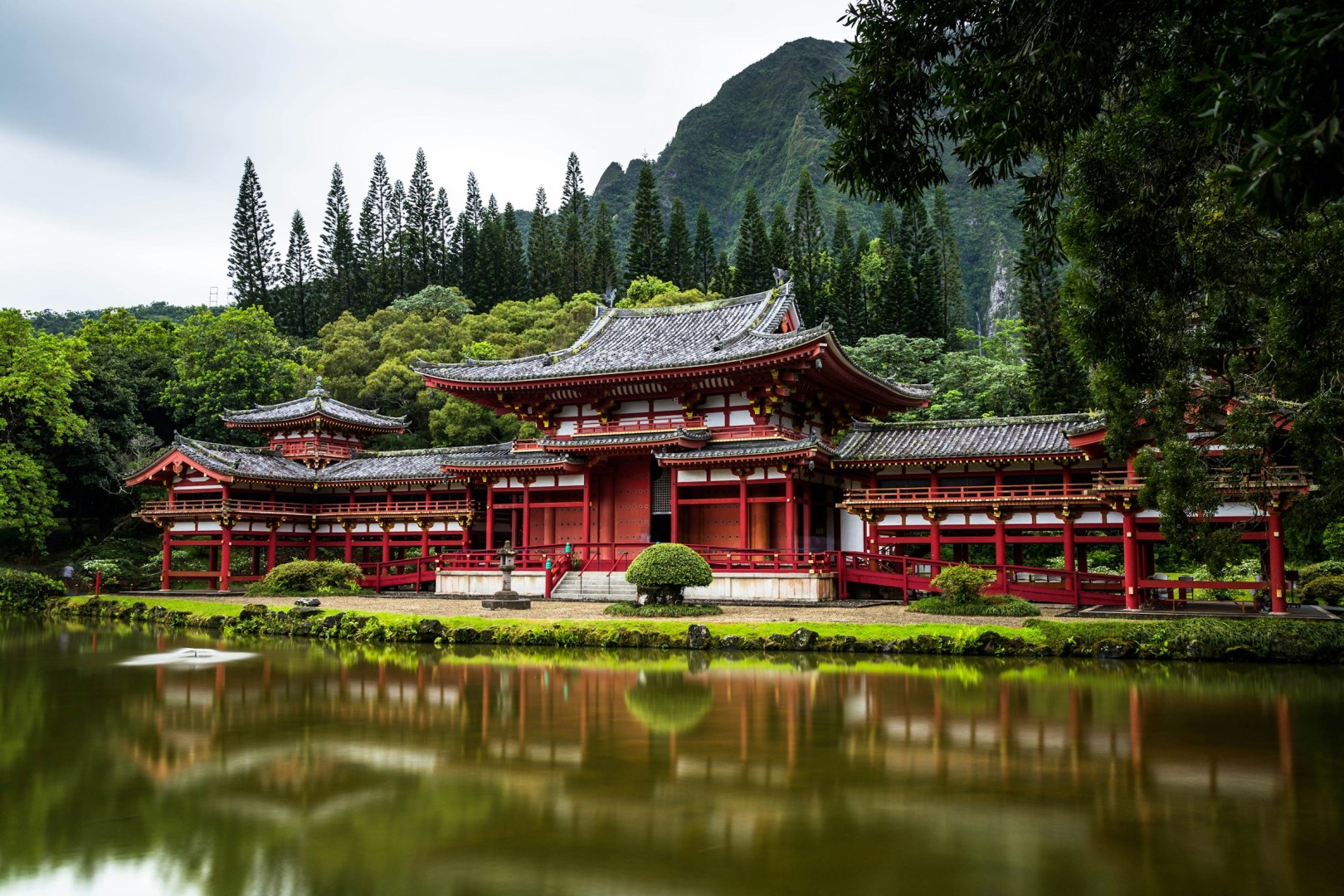
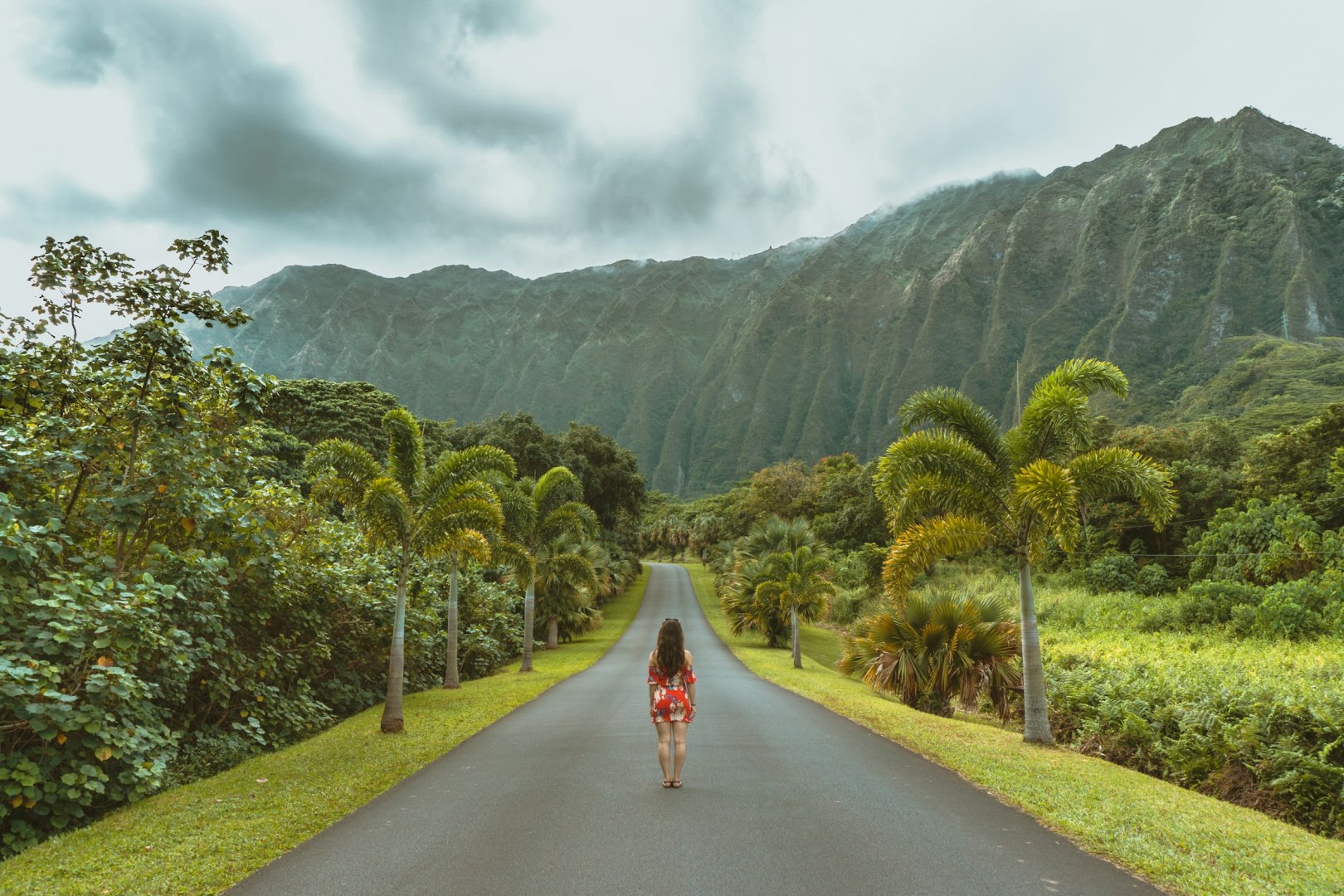
Ho'omaluhia Botanical Garden, Kaneohe
Photo Credit: Photo by Darren Lawrence on Unsplash
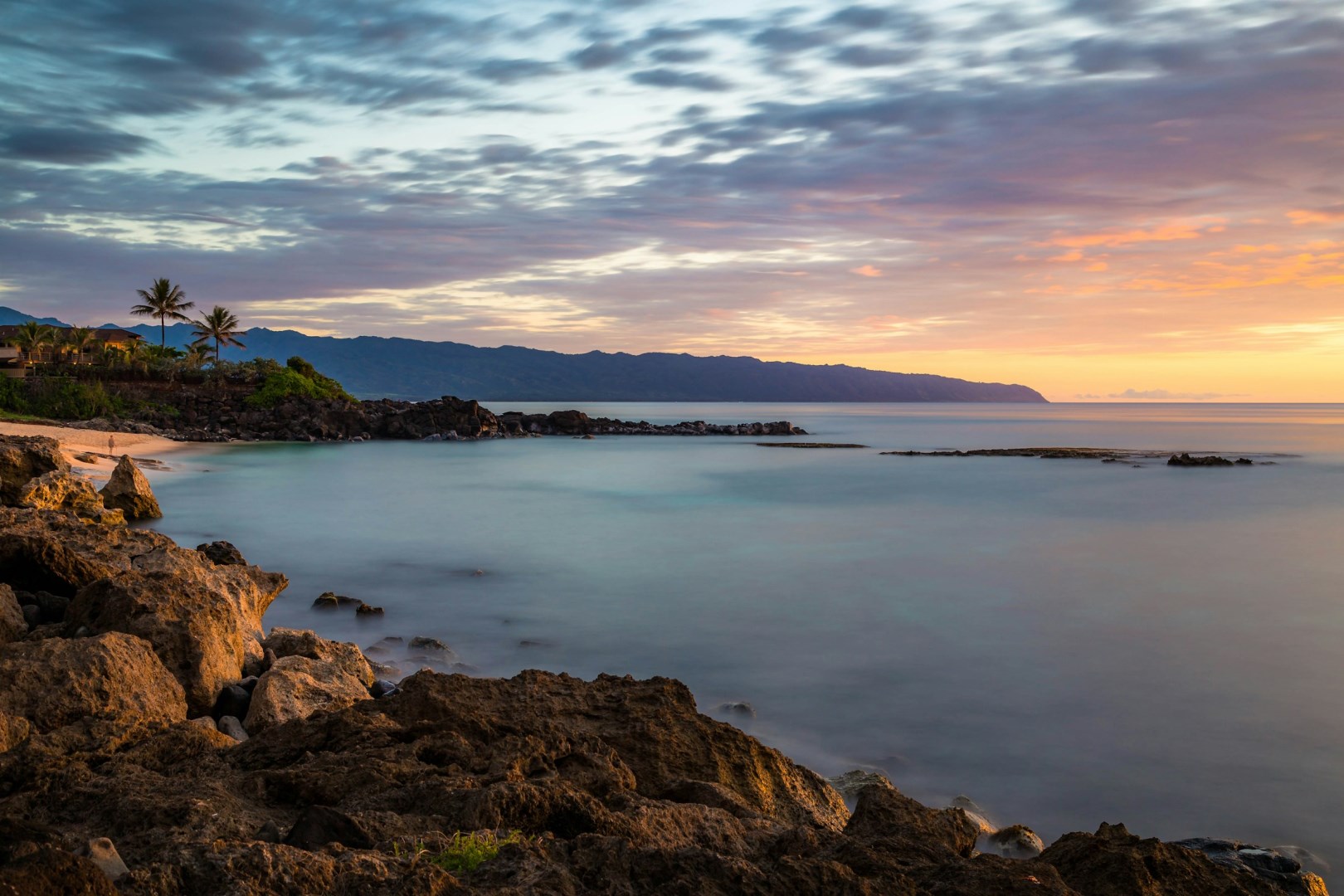
Three Tables Beach, Haleiwa
Photo Credit: Photo by Christian Joudrey on Unsplash
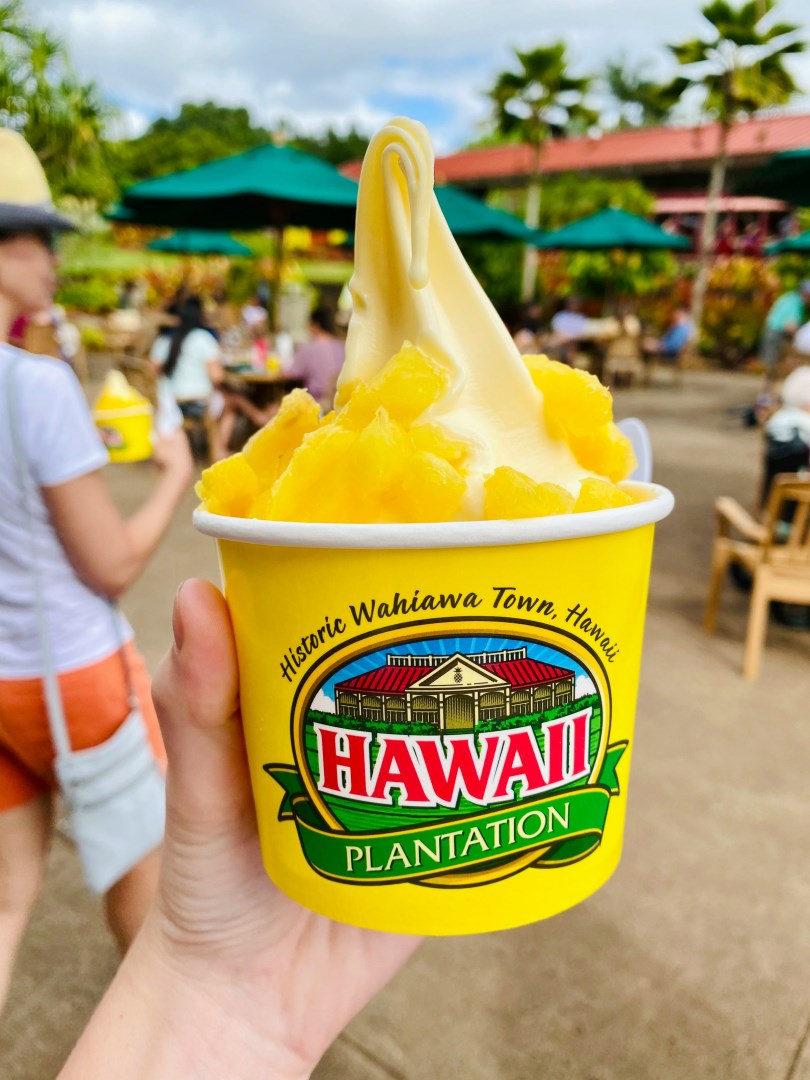
Dole Plantation, Wahiawa
Photo Credit: Photo by Ava W. on Unsplash
Photo Credit: Photo by Kvnga on Unsplash
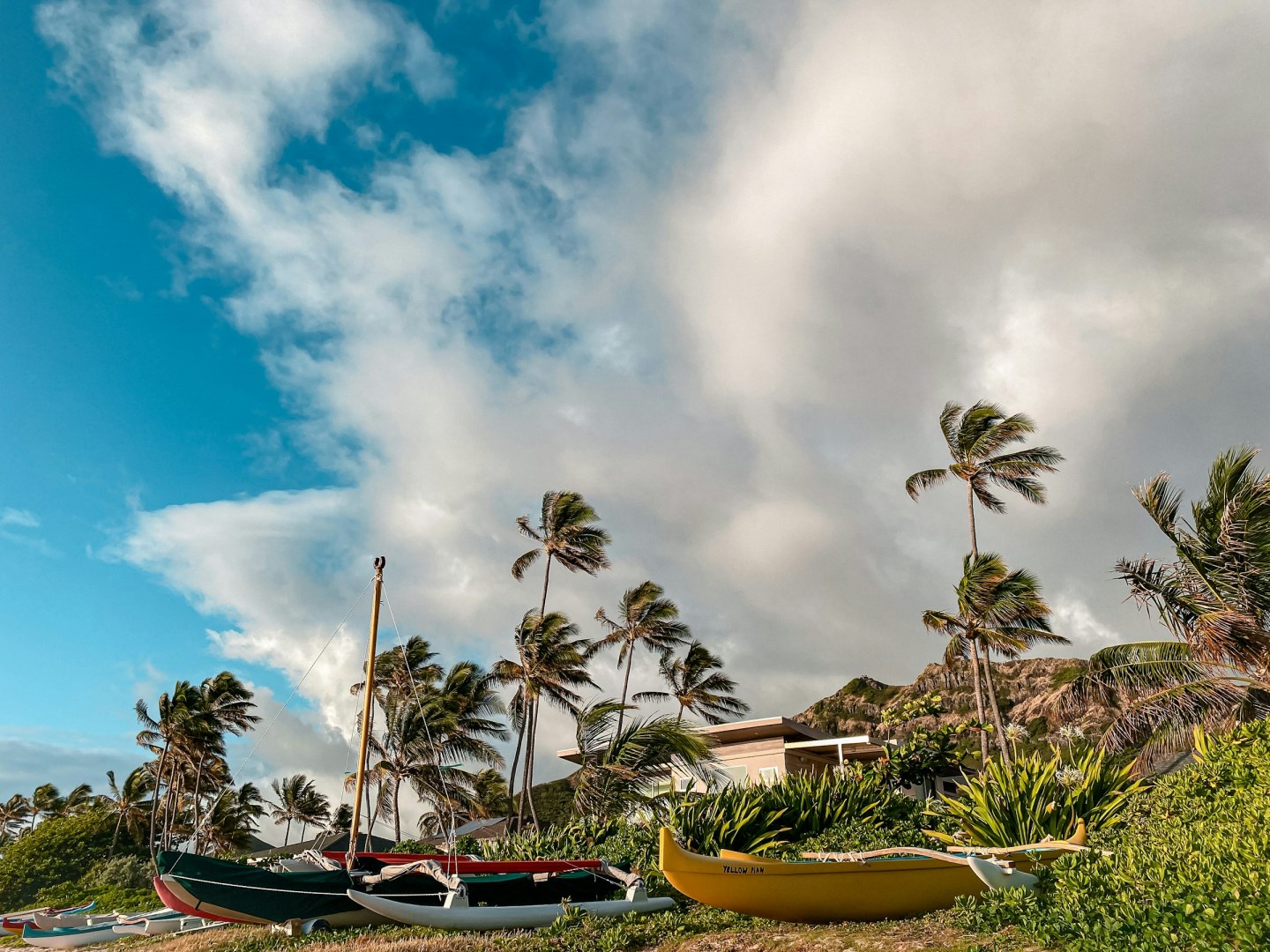
Lanikai Shore
Photo Credit: Photo by Julian Armstrong on Unsplash
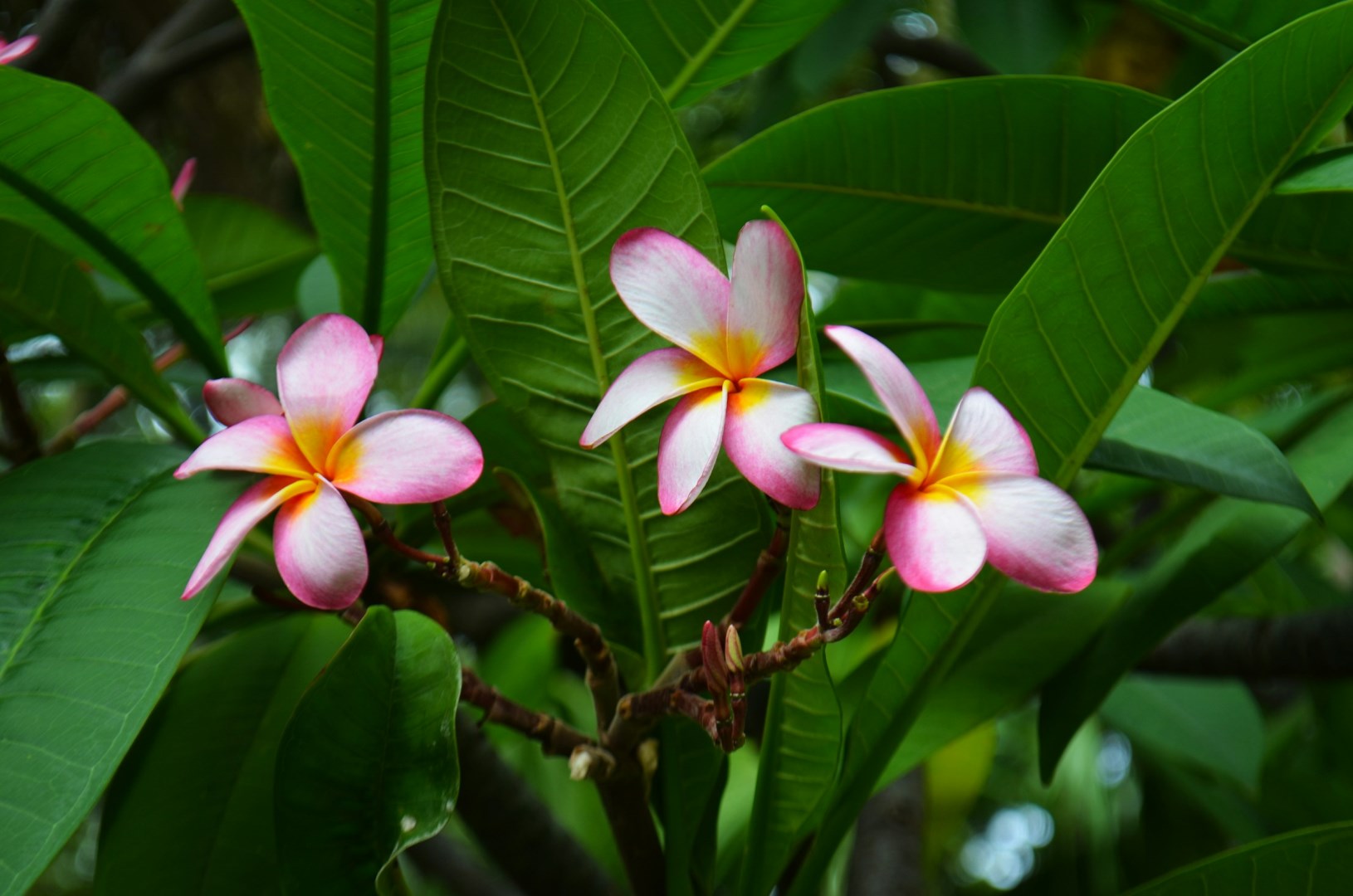
Plumeria
Photo Credit: Photo by Ariana Kaminski on Unsplash
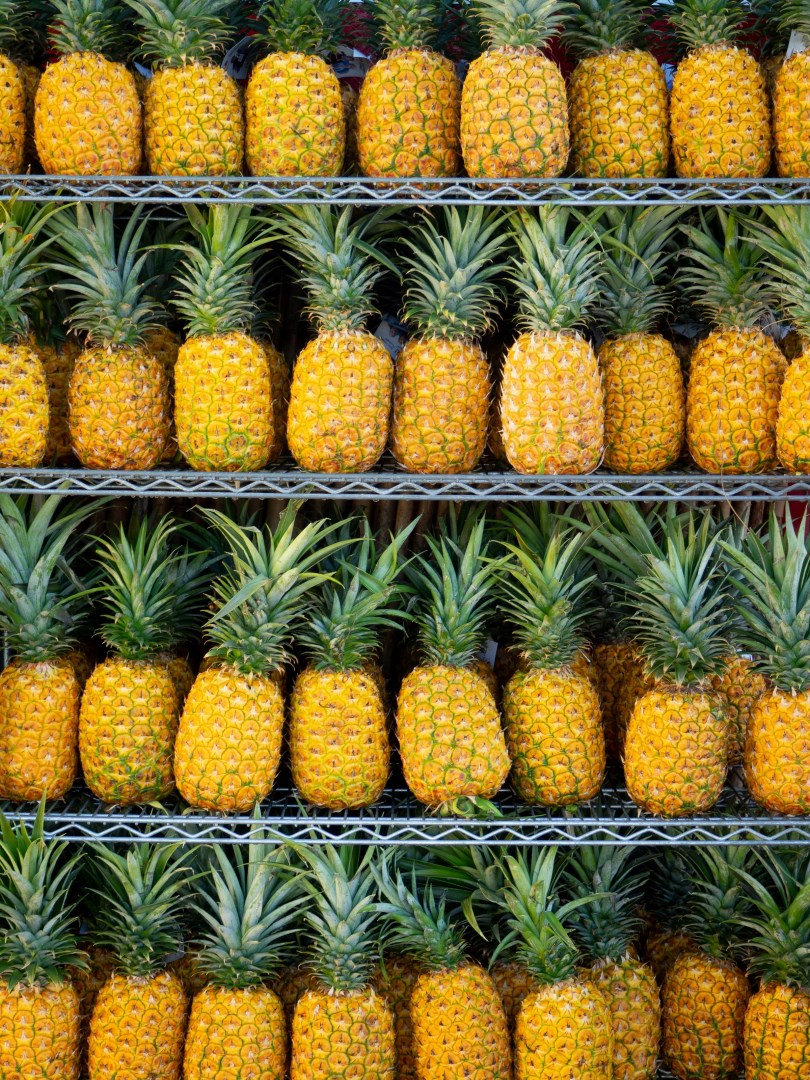
Pineapple
Photo Credit: Photo by Fiona Smallwood on Unsplash
Photo Credit: Photo by Peter Thomas on Unsplash
Photo Credit: Photo by Jakob Owens on Unsplash
Photo Credit: Photo by Keith Champaco on Unsplash
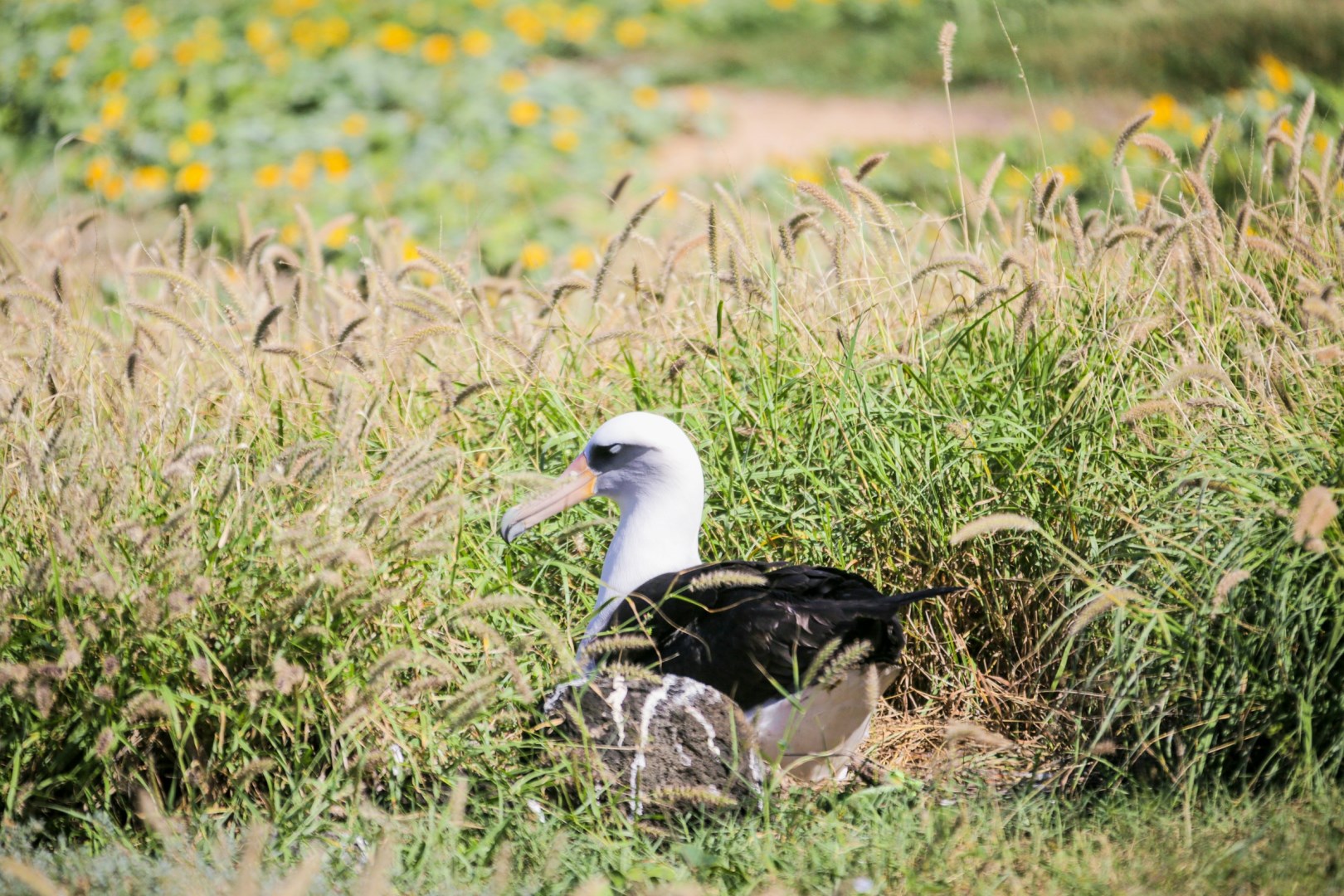
Laysan Albatross nesting
Photo Credit: Photo by Jake Bergen on Unsplash
Oahu, island in central Hawaii, between Kauai and Molokai islands, in Honolulu County; it is the third largest island in the state, after Hawaii and Maui. The most heavily populated of the Hawaiian islands, Oahu is known as the Gathering Place. It is about 64 km (about 40 mi) long and 42 km (26 mi) wide. Oahu is the commercial center of Hawaii and is important to United States defense in the Pacific. Pearl Harbor naval base is situated here. Two parallel mountain ranges, the Koolau Range and the Waianae Range, cross Oahu from northwest to southeast. A wide fertile plateau separates the two ranges. The chief agricultural industries in Oahu are the growing and processing of pineapples and sugarcane; tourism also is very important to the economy. Among the many popular beaches is the renowned Waikiki, backed by the famous Diamond Head, an extinct volcano. The largest community, Honolulu, is the state capital.
Other Popular Destinations in Hawaii
Honolulu, Oahu
Honolulu, the capital of Hawaiʻi and the largest city in the Pacific, blends the energy of a major urban center with the deep roots of Native Hawaiian culture. Set on the island of Oʻahu, it’s home to iconic beaches, royal history, and a rhythm all its own. This sunny capital city is the main portal to the larger Hawaiian archipelago, and the perfect base for exploring Oahu.
Kona, Hawaii
Kona started as King Kamehameha I's government seat, and is now a popular tourist destination with key landmarks like Hulihee Palace, as well as coffee farms, shopping and dining.