Penrith
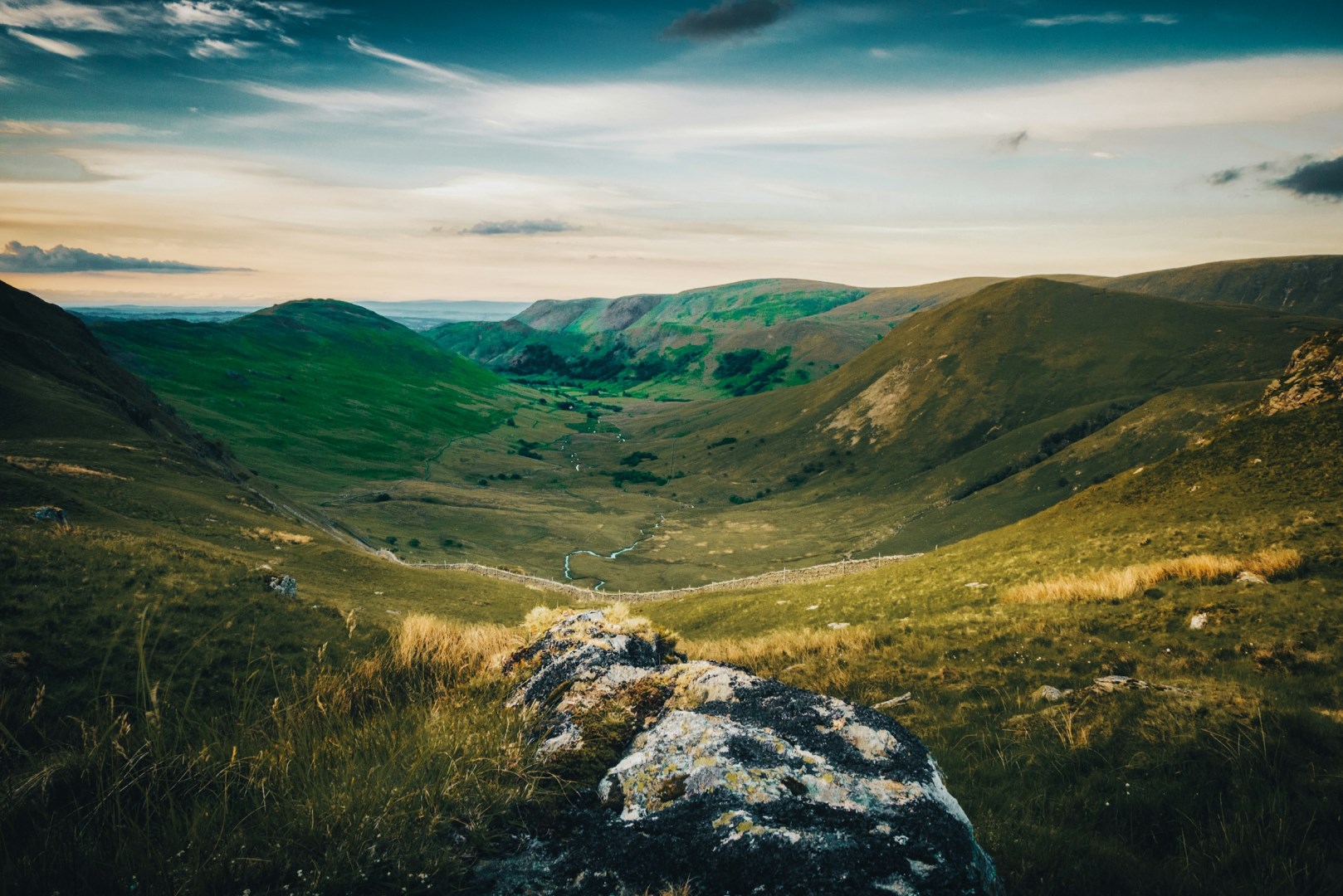
Penrith is a market town in Cumbria, northern England, situated between the Lake District and the northern Pennines. Its location has long made it a useful stopping point for journeys across the region, while its town centre retains a traditional market-town character with stone buildings, independent shops, cafés, and a central market square.
Ulleri
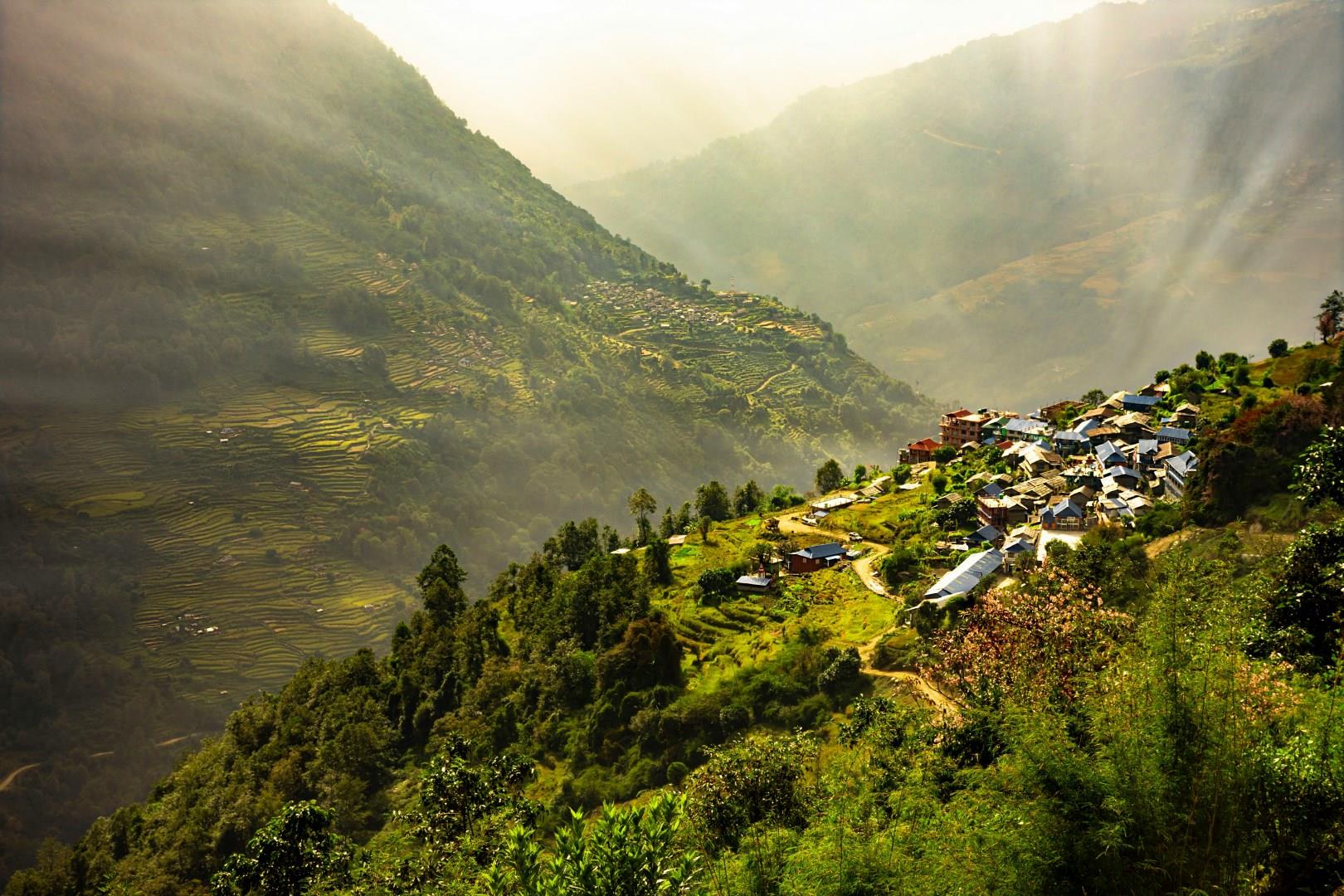
Ulleri is a small village in Nepal, located in the Annapurna region along the popular trekking route to Ghorepani and Poon Hill. It has traditionally served as a resting point for trekkers and local traders, with stone-paved streets and terraced fields reflecting centuries of Himalayan agricultural life.
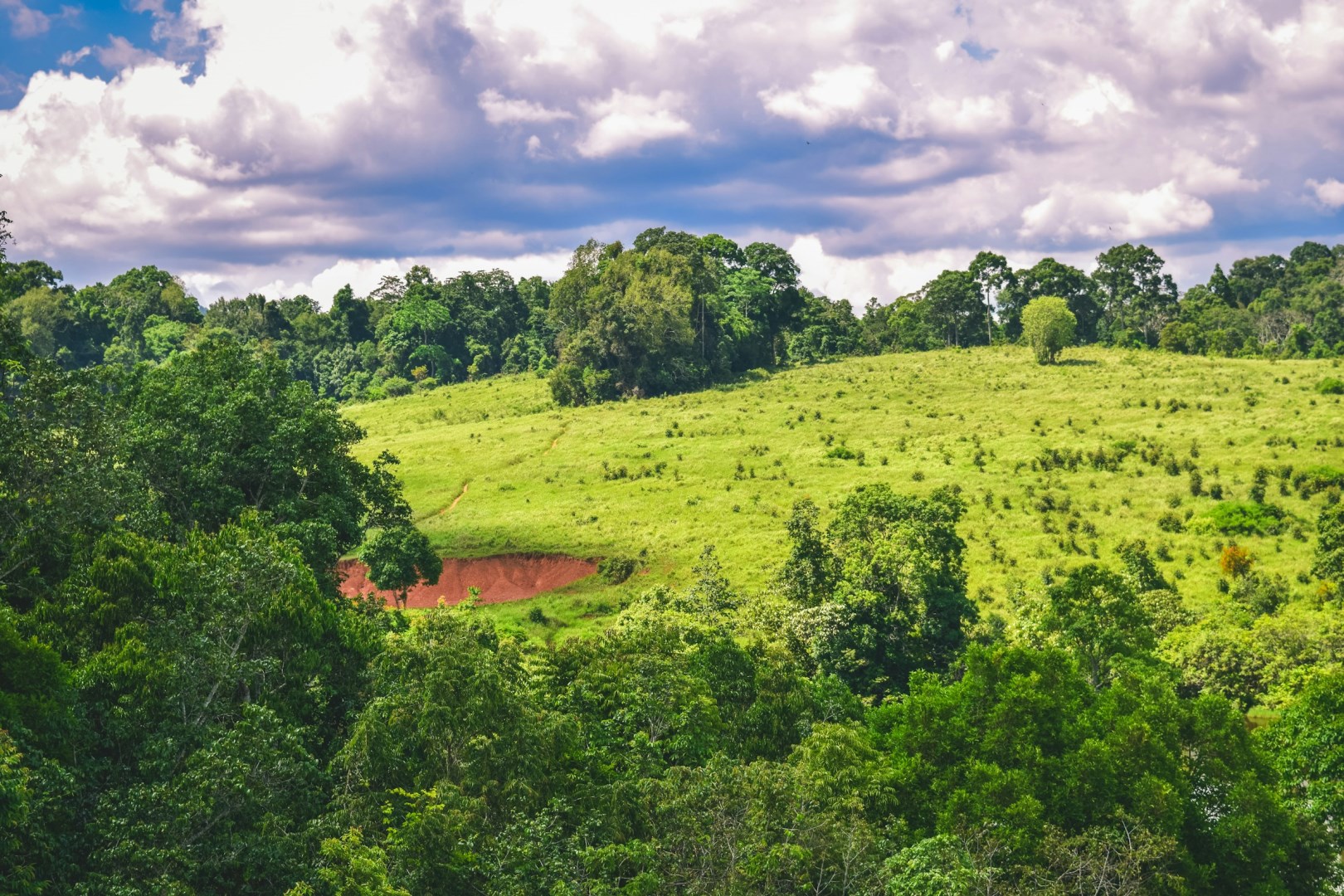
Khao Yai National Park
Khao Yai National Park is one of the most interesting and oldest park in Thailand. It is northeast of the central plain of Thailand, on the rim of the Korat Plateau. There are many species of plants and animals. Large animals such as wild elephants and tigers prowl the jungles freely. More than 800 species of orchids grow there and over 200 species of day moths have been catalogued.
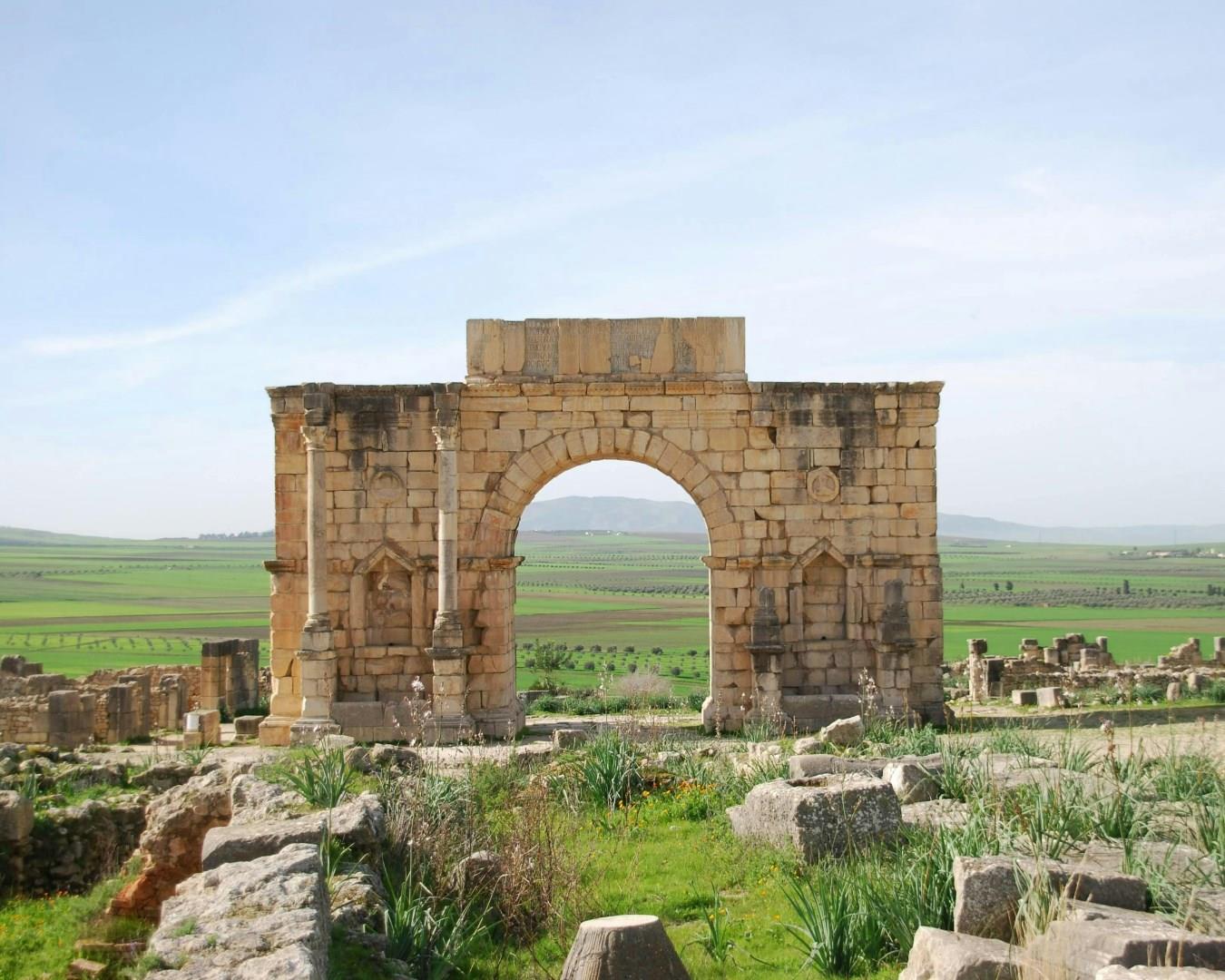
Meknes
Meknes, one of Morocco’s four imperial cities, is a historic jewel known for its blend of grandeur and tradition. Once the capital under Sultan Moulay Ismail in the 17th century, the city was envisioned as the “Versailles of Morocco,” filled with monumental gates, sprawling walls, and lavish palaces.
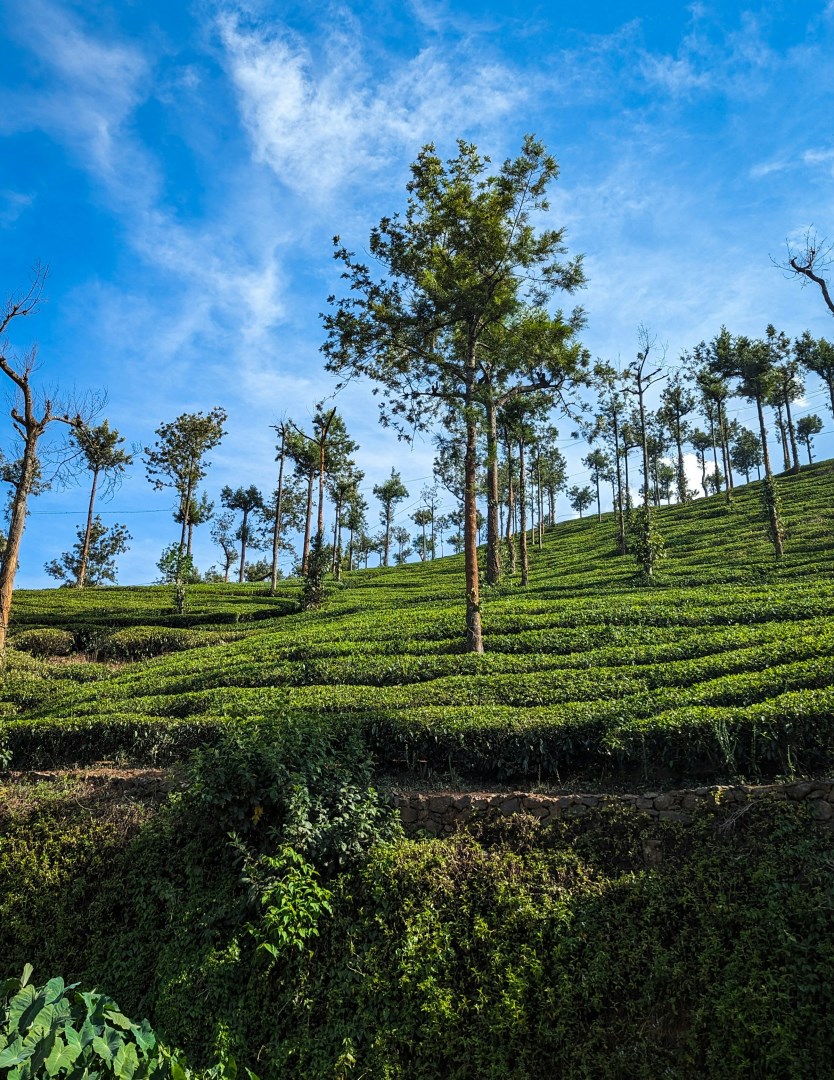
Thekkady
Thekkady is a town in India, located in the Idukki district of Kerala near the Periyar Wildlife Sanctuary in the Western Ghats. It serves as a key entry point to one of the country’s well-known protected forest areas, where hills, dense vegetation, and a large artificial lake define the landscape. The town itself is modest, with roads lined by spice shops, small lodges, and tour offices. Its setting within a highland region gives it a cooler climate compared to the plains, while its proximity to