Matobo National Park
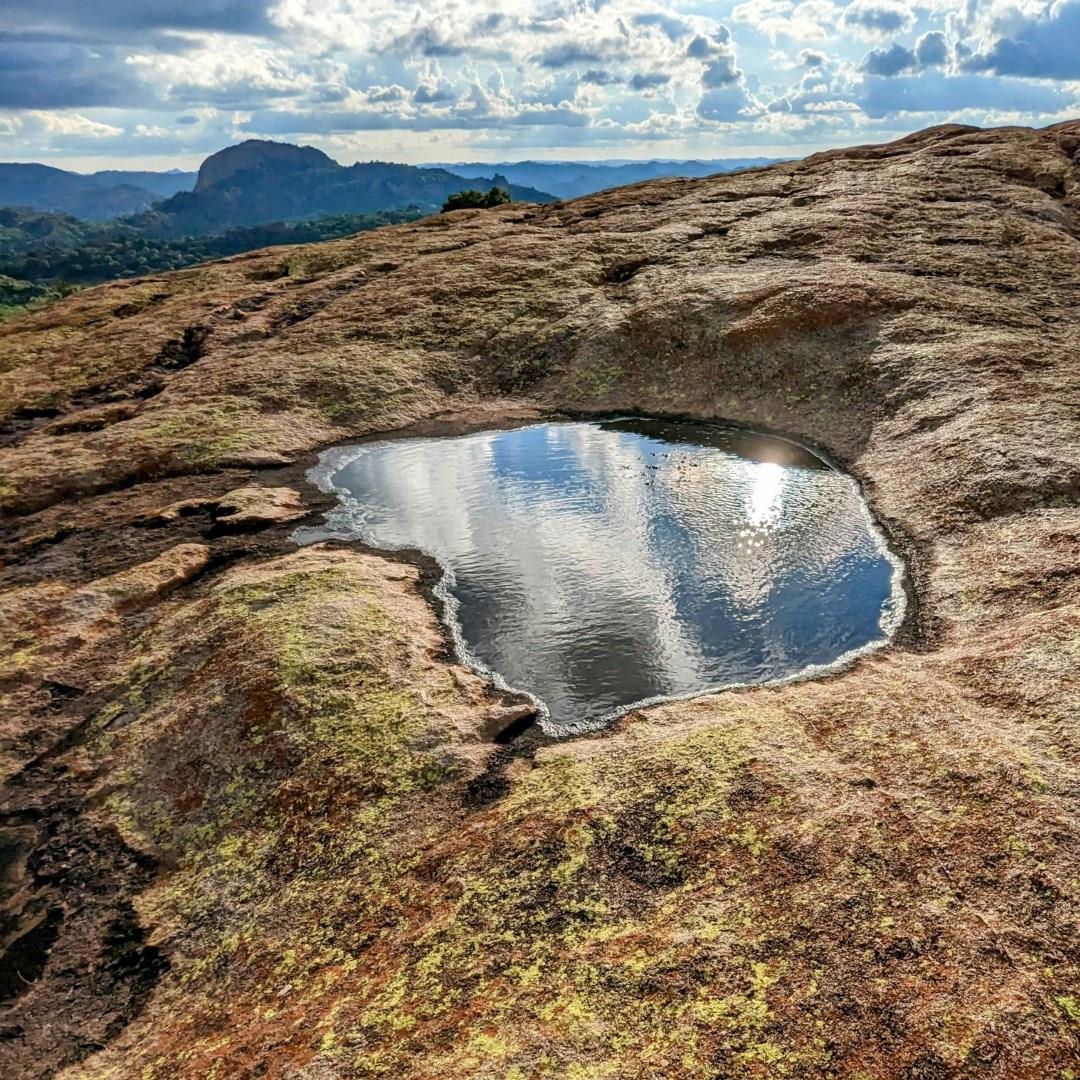
Matobo National Park sits in the rolling hills of southern Zimbabwe stands as one of the country’s most remarkable landscapes. Its granite domes, balancing rocks and wooded valleys have formed over more than two billion years, creating a setting that feels both ancient and alive. As a UNESCO World Heritage cultural site, the park preserves a landscape that has shaped human life here for millennia, drawing travelers to explore its unusual terrain and storied past.
Deadvlei
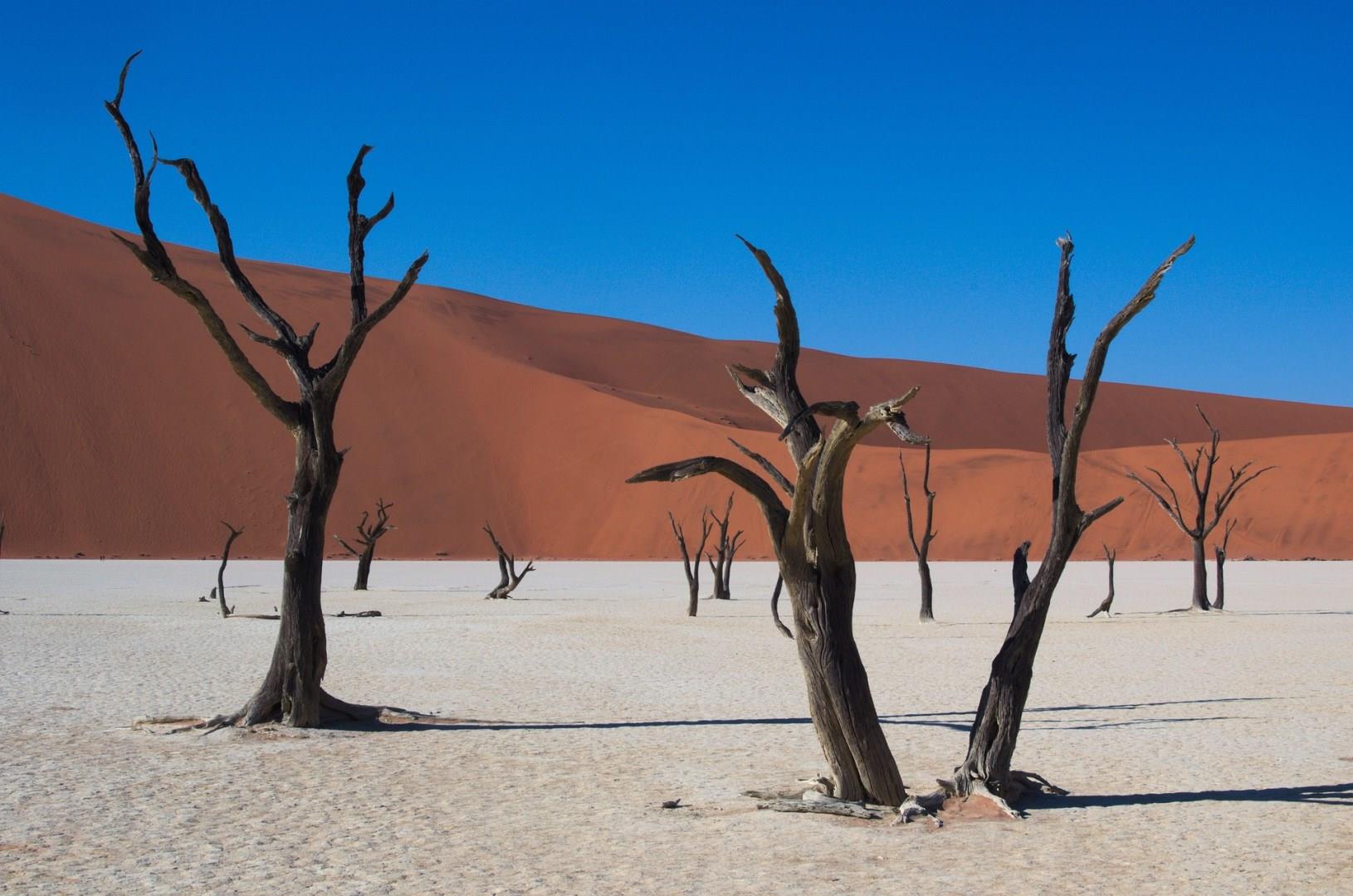
Dramatic and otherworldly, Deadvlei in Namibia is one of the most surreal landscapes on the planet. Located within the Namib-Naukluft National Park, Deadvlei is a white clay pan that was once an oasis filled with acacia trees. Over 900 years ago, a shift in climate and the encroachment of the towering red sand dunes cut off the river that fed the pan, leaving behind a hauntingly beautiful scene of dead trees that have been perfectly preserved in the arid environment.
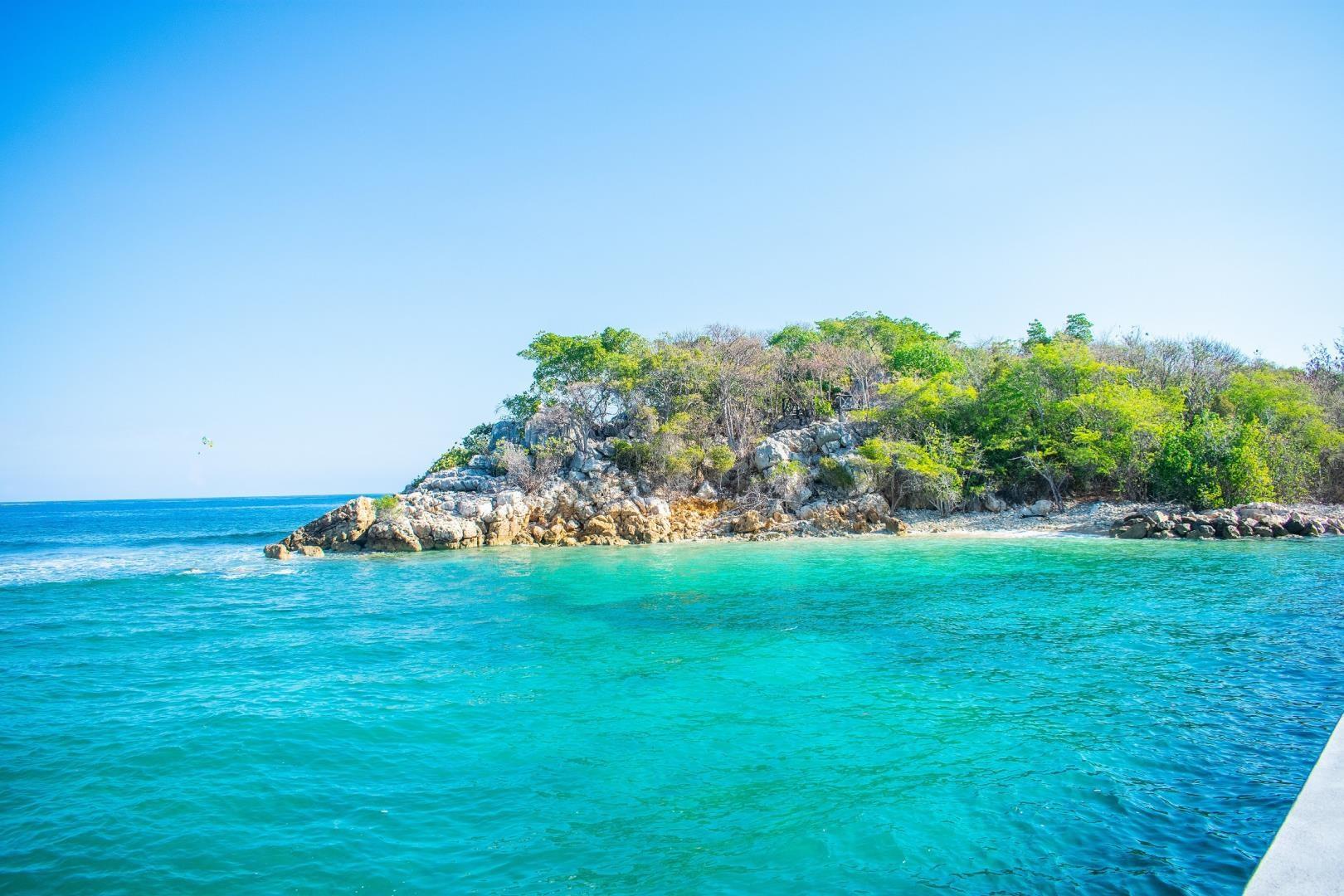
Labadee
Labadee, a private peninsula on Haiti’s northern coast, is an exclusive destination for Royal Caribbean cruise guests. Surrounded by dramatic green mountains and the sparkling waters of the Caribbean Sea, it offers a mix of natural beauty and curated resort-style amenities.
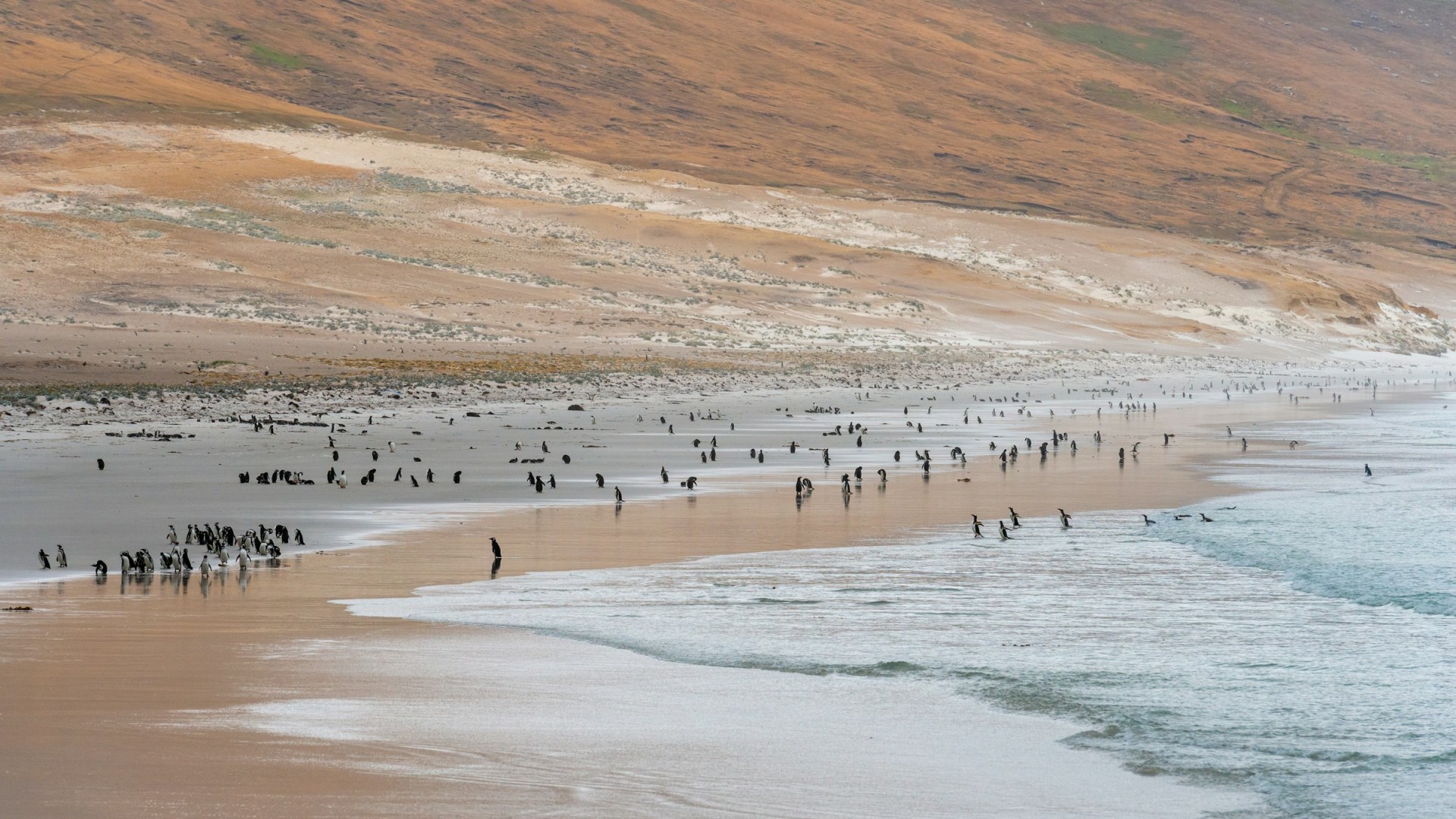
Saunders Island
Saunders Island, located in the northwestern part of the Falkland Islands, is a haven for wildlife enthusiasts and history buffs alike. This remote and rugged island, covering over 49 square miles, offers visitors the chance to experience nature at its most pristine. Saunders Island is one of the few places in the world where you can observe five species of penguins, Gentoo, King, Magellanic, Rockhopper, and the occasional Macaroni, all in one location.

Veere
Once a big, bustling sea port for the Scottish wool trade and known as Kampvere, Veere is now a small village whose economy mainly relies on tourism. A major point of interest for visitors is the Campveerse Toren (Campvere Tower), built as part of the city defenses around 1500 and now serving as one of the oldest inns in the Netherlands