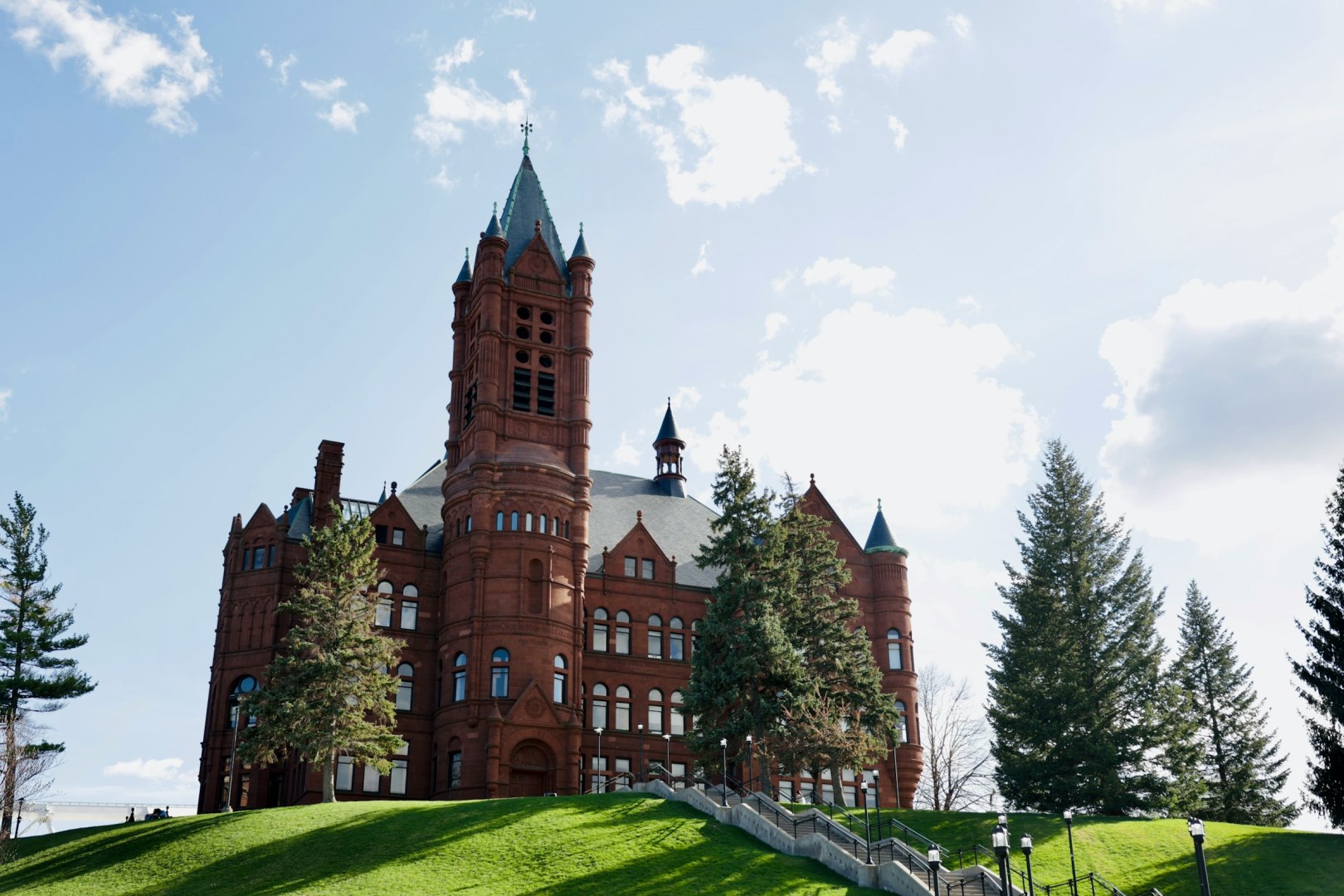
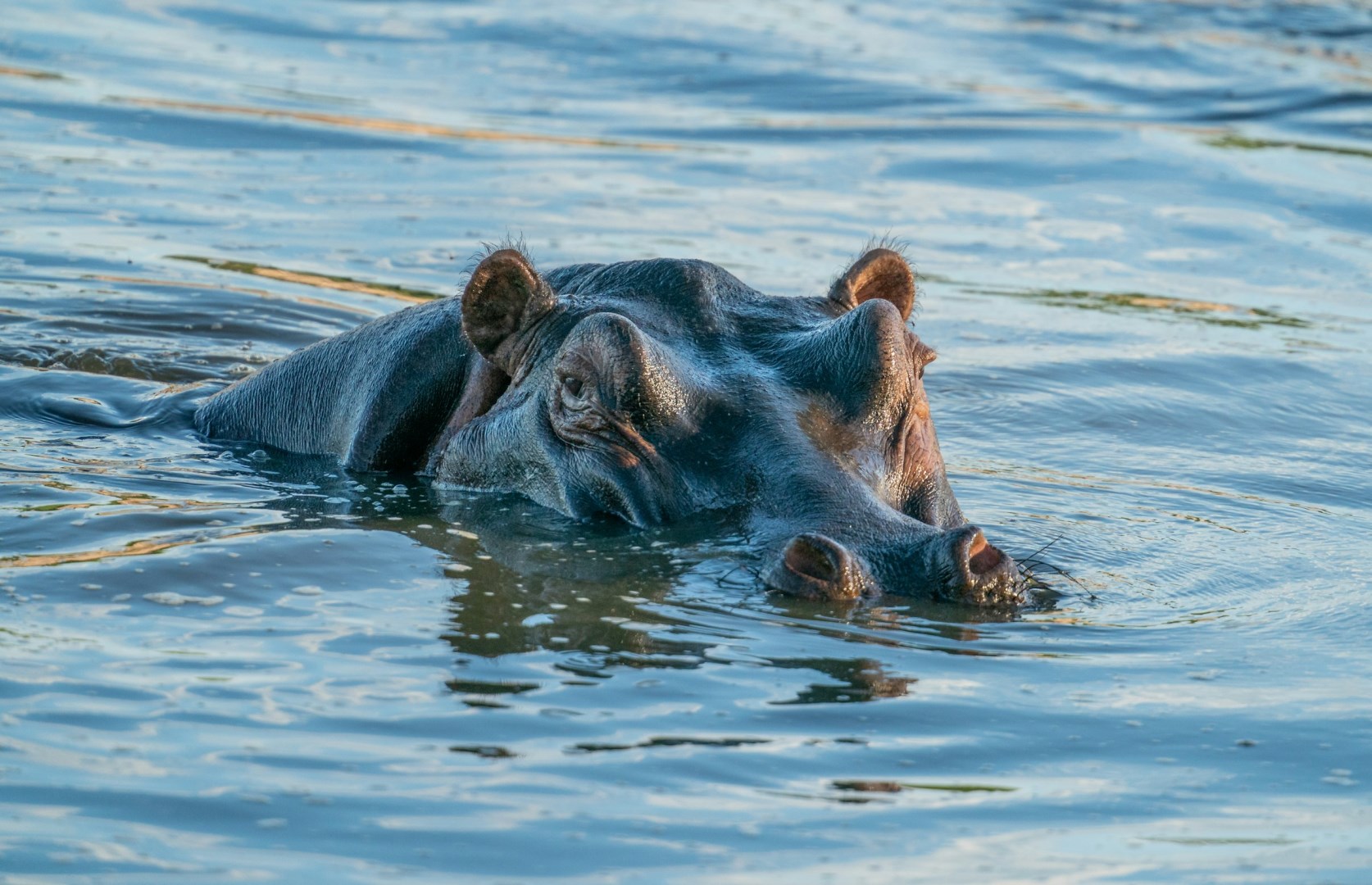
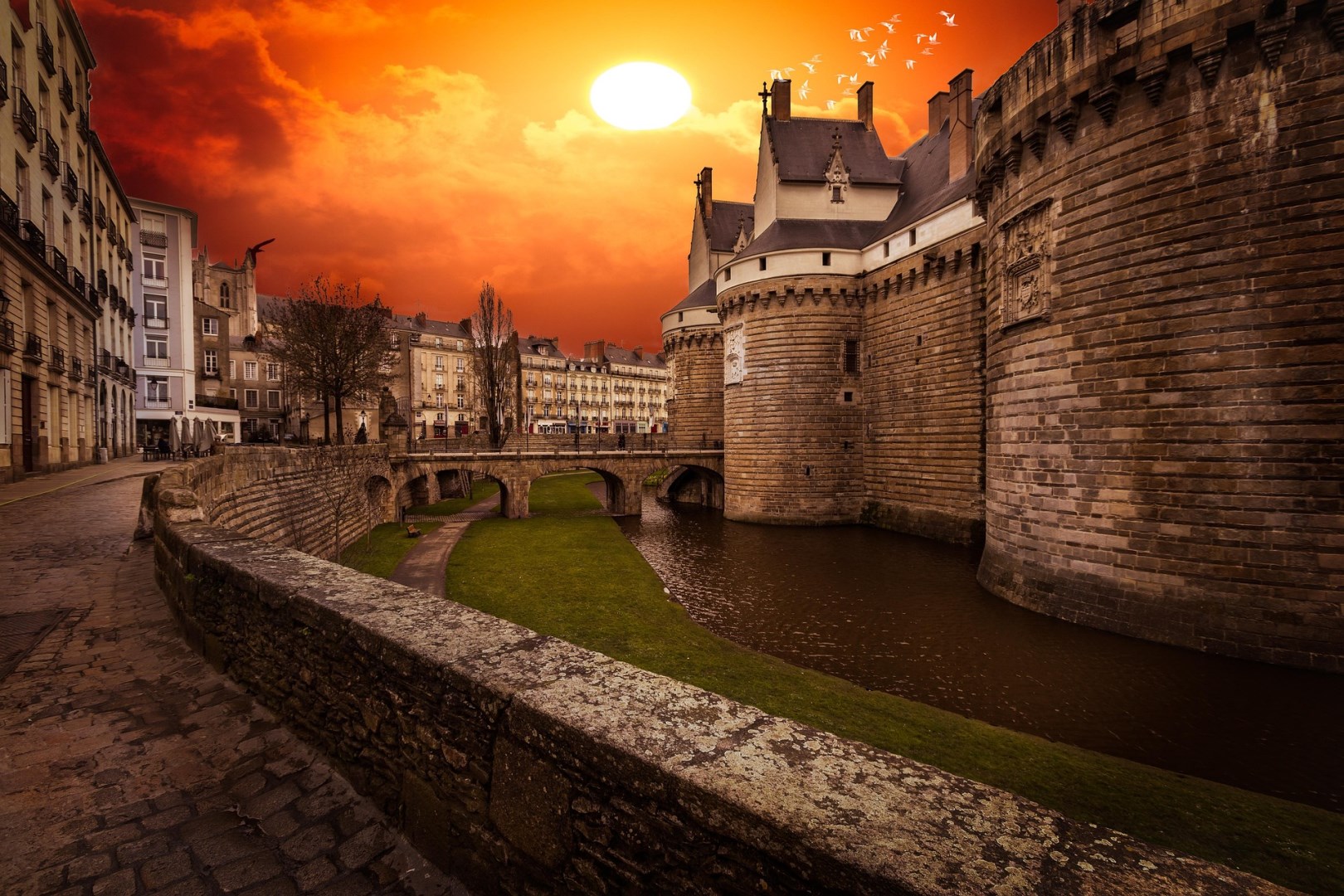
Arkansas is often called “The Natural State,” and for good reason as it’s home to more than 600,000 acres of lakes and 9,700 miles of rivers and streams. From the Ozark Mountains in the north to the Delta plains in the east, the state’s landscapes offer a wide range of backdrops for hiking, paddling, or simply taking in the view.
Nadi, a vibrant city on Fiji's western coast, offers a gateway to some of the South Pacific's most enchanting experiences. Known for its bustling markets and lively atmosphere, Nadi is a hub of culture and activity. A must-see is the Sri Siva Subramaniya Temple, the largest Hindu temple in the Southern Hemisphere, renowned for its intricate Dravidian architecture and colorful frescoes. The temple’s vibrant and spiritual ambiance provides a glimpse into Fiji's rich Indian heritage.
Regina is the provincial capital of Saskatchewan. Covering an area of 251,699 sq. miles, this Canadian heartland is ripe with sprawling farmlands and fertile soil producing almost one-third of North America's wheat supply. The Metis people populate a sparse area of the territory's northern wilderness of lakes, swamps and forest.
Pondicherry is a coastal town in southern India that still carries traces of its French colonial past. The French Quarter, or White Town, is filled with mustard-yellow buildings, iron-laced balconies, and streets with French names. Visitors can explore this area on foot or by bicycle, stopping at spots like the 18th-century Eglise de Notre Dame des Anges, built in Greco-Roman style, or the French Consulate, which continues to operate from a colonial-era building.
Iceland, a land of extraordinary contrasts and natural wonders, offers an experience unlike any other. Its dramatic landscapes are defined by active volcanoes, geysers, and sprawling glaciers, all set against a backdrop of ethereal Northern Lights. A must-see is the Golden Circle, a popular route encompassing the Thingvellir National Park, the geothermal area of Geysir, and the majestic Gullfoss waterfall.
Photo Credit: Image by Eliza June Sapphire from Pixabay
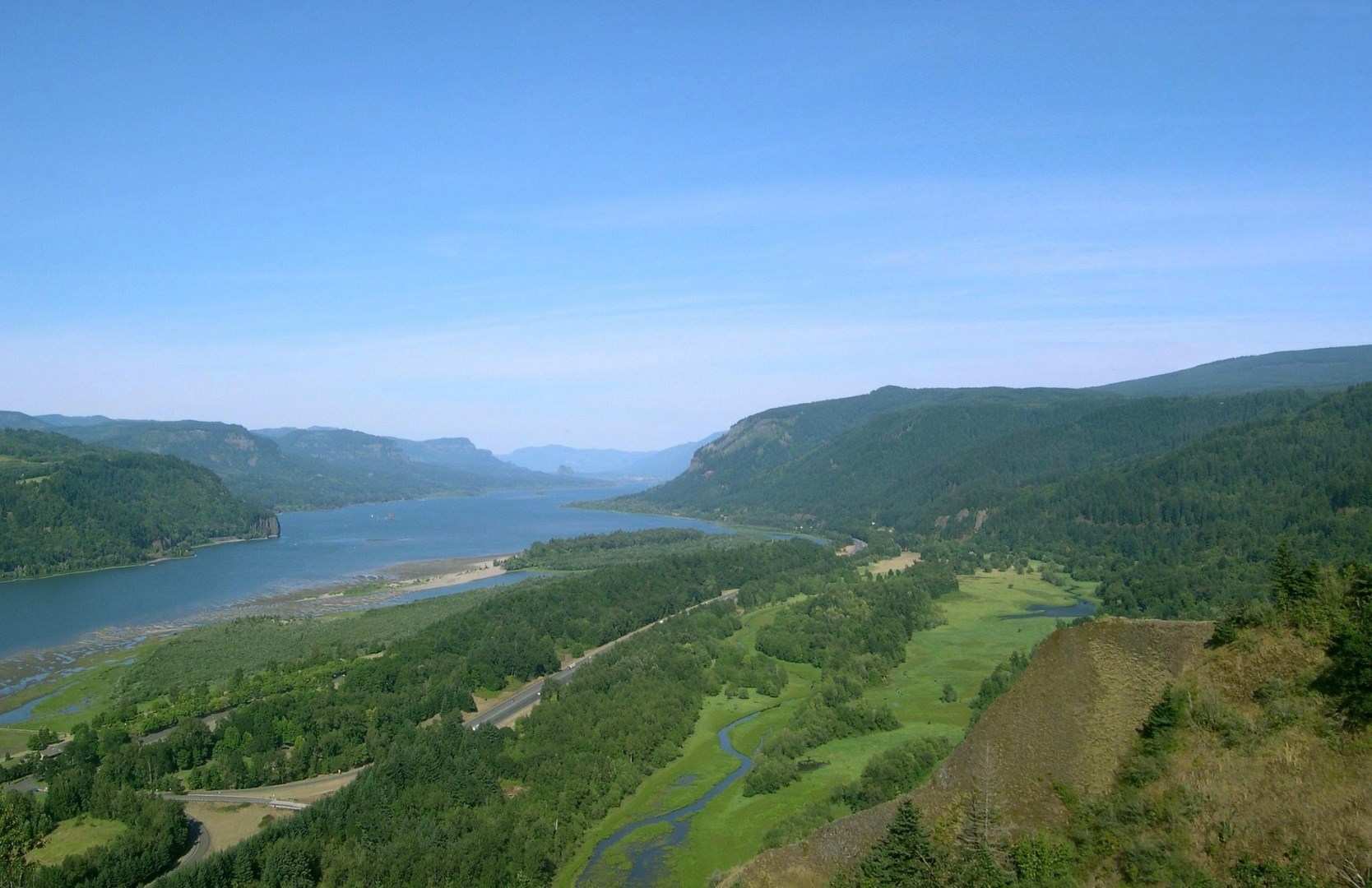
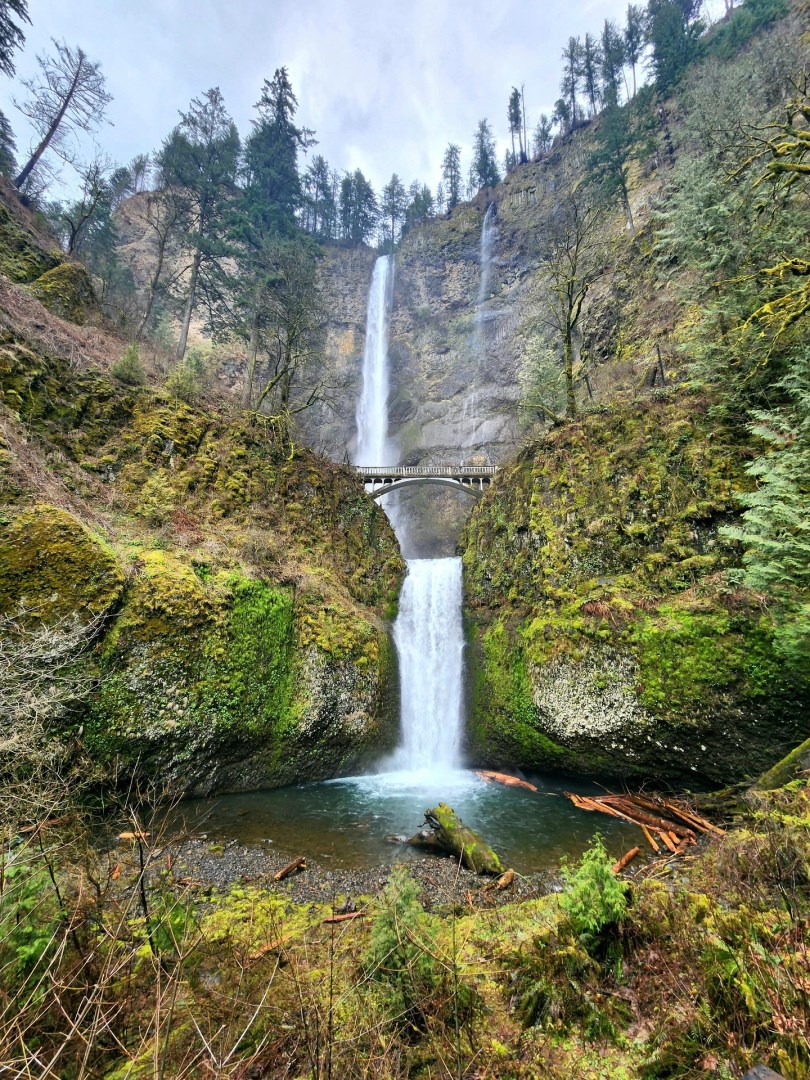
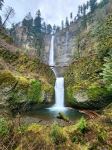
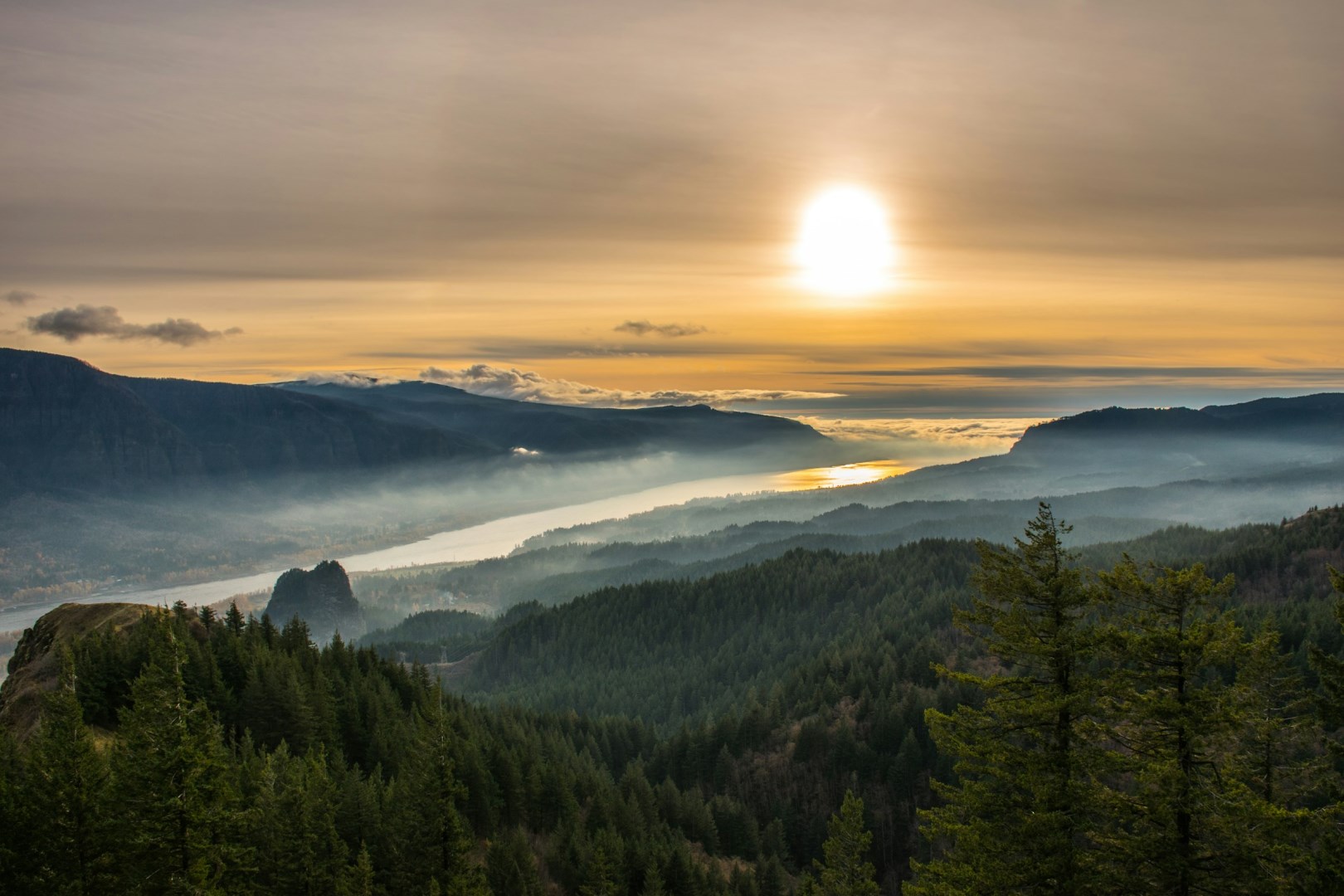
The Columbia River Gorge, straddling the border between Oregon and Washington, is a stunning natural wonder renowned for its breathtaking landscapes and outdoor adventures. This dramatic canyon, carved by the Columbia River, is flanked by towering cliffs and lush forests. One of the highlights is the Multnomah Falls, the tallest waterfall in Oregon, cascading 620 feet into a serene pool below. The falls are accessible via a scenic trail that offers panoramic views of the surrounding gorge.
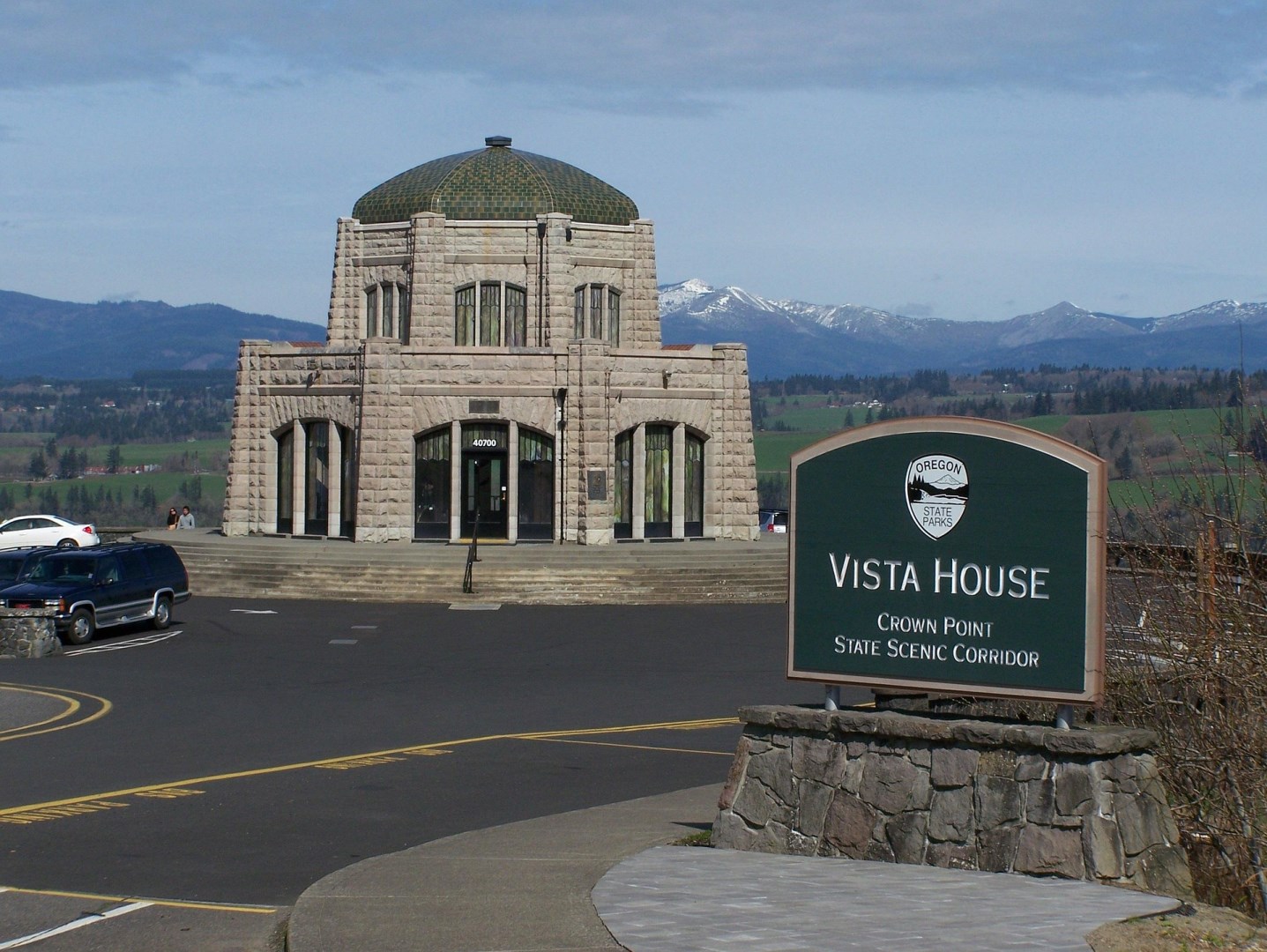
Nature enthusiasts will find a plethora of activities in the Columbia River Gorge. The Gorge's Scenic Highway offers a picturesque drive with numerous viewpoints, including the historic Vista House. For hiking, the Eagle Creek Trail is a must-visit, leading through lush forests to scenic viewpoints and waterfalls. In addition to its natural beauty, the area is renowned for its excellent wind and water sports on the Columbia River, such as windsurfing and kayaking.
The Columbia River Gorge is also home to charming towns like Hood River and White Salmon, where visitors can enjoy local cuisine and explore vibrant arts scenes. Hood River is known for its fruit orchards, especially apples and pears, which you can sample at local farmers' markets and cideries. White Salmon offers a more laid-back vibe with access to mountain biking trails and cozy cafes.
A fun fact about the Columbia River Gorge is that it serves as a natural boundary between the Cascade Range and the high desert of eastern Oregon. This unique geography creates diverse microclimates and ecosystems within a relatively small area. For the best experience, visit during spring or fall when the weather is mild and the natural beauty is at its peak.