Tarangire National Park
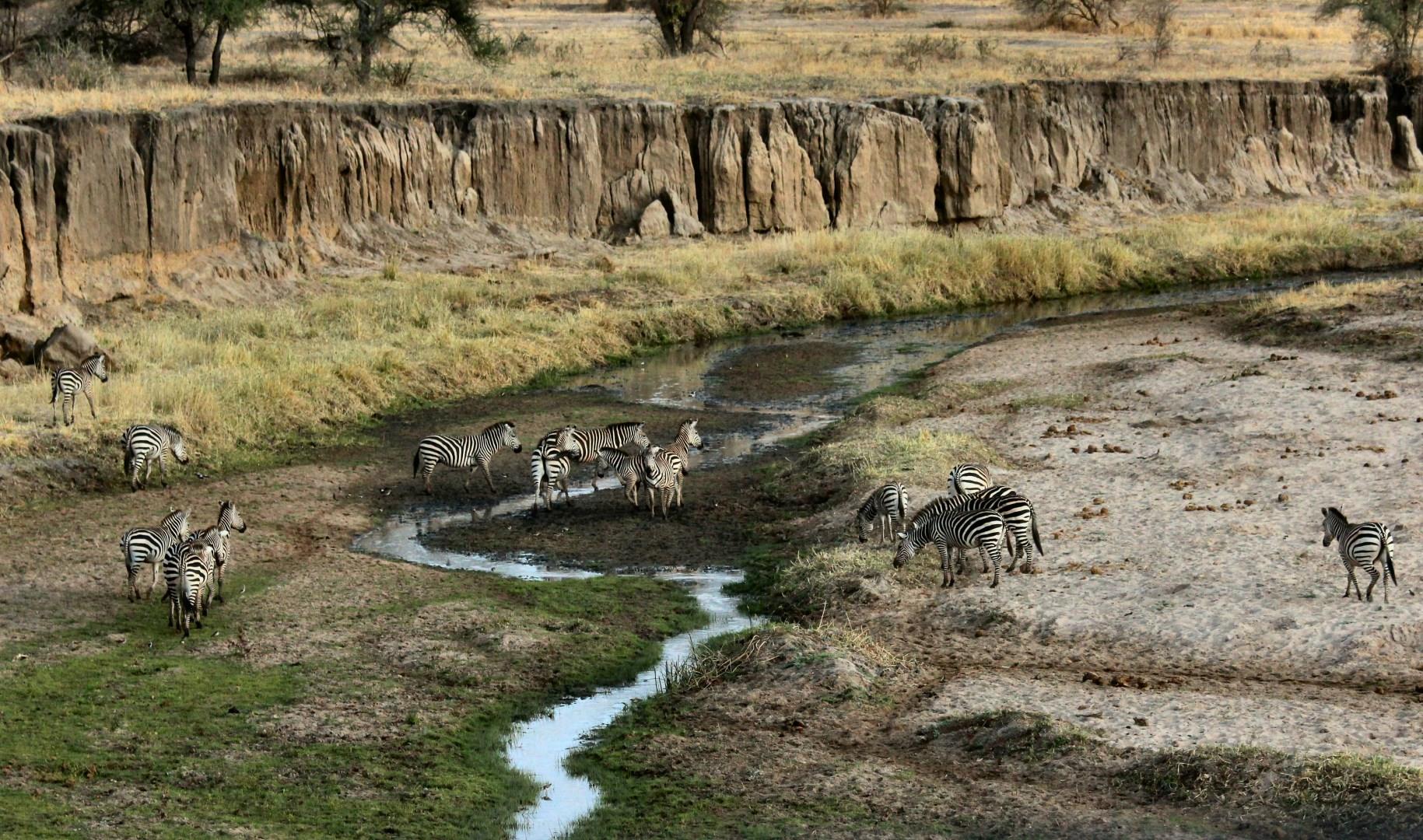
Tarangire National Park, a stunning gem in northern Tanzania, offers an unparalleled safari experience amid its diverse landscapes and wildlife. Renowned for its dense population of elephants, the park's vast baobab-studded plains and swamps create a dramatic setting that brings you face-to-face with these magnificent creatures. The park is home to over 300 bird species, including the strikingly beautiful Lilac-breasted Roller and the majestic Secretary Bird.

Dominica
Dominica, known as the “Nature Island of the Caribbean,” is a haven for eco-tourists and adventure seekers. Nestled between the French islands of Guadeloupe and Martinique, this lush island boasts a remarkable landscape of volcanic mountains, dense rainforests, and stunning waterfalls. Dominica’s most iconic natural wonder is the Boiling Lake, the second-largest hot spring in the world.
Trier
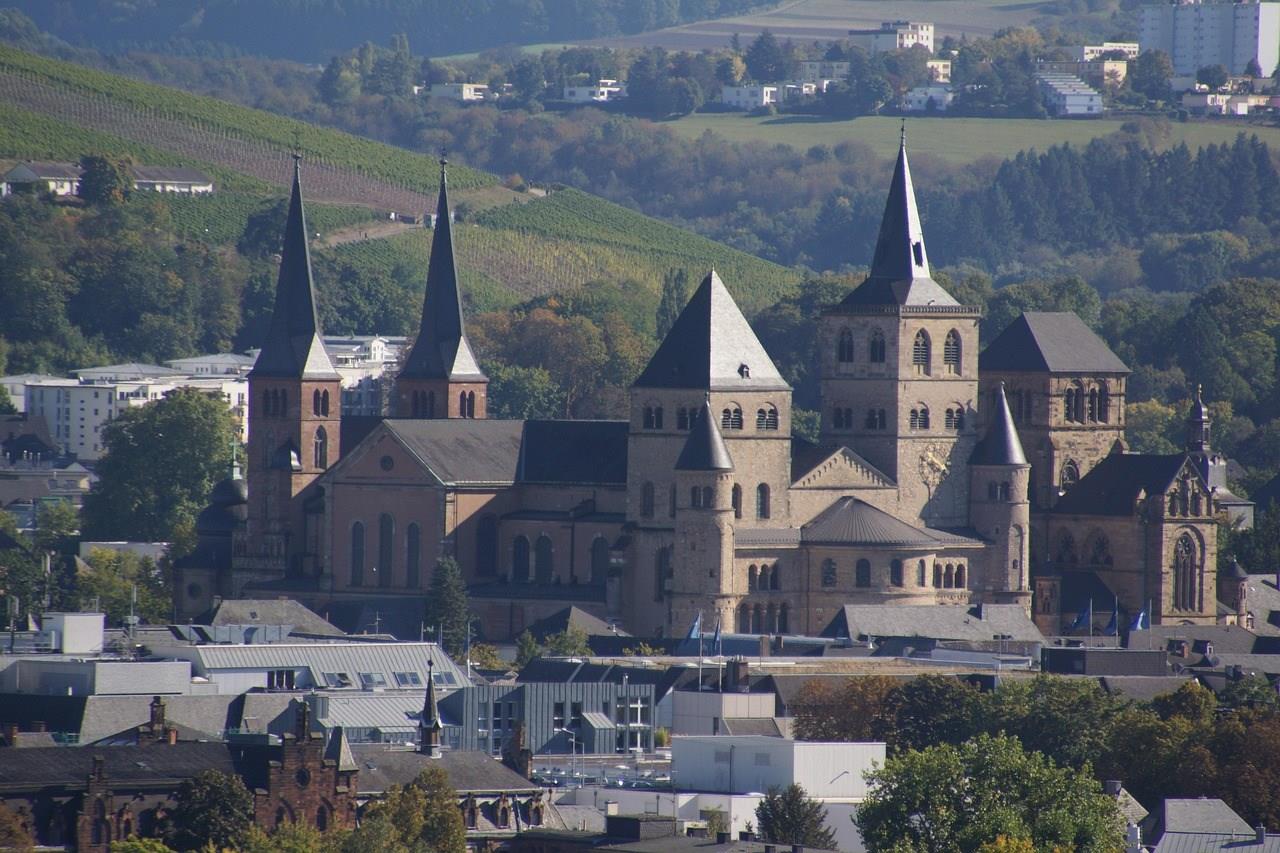
Trier, Germany’s oldest city, is a living museum nestled in the Moselle Valley, where Roman ruins rise beside medieval churches and bustling market squares. Founded by the Romans in 16 BCE, Trier was once known as “Roma Secunda,” the second Rome, and still boasts the largest collection of Roman architecture north of the Alps. The Trier Cathedral (Dom St. Peter), which is a UNESCO World Heritage Site, is the oldest church in Germany and houses a relic said to be the Holy Robe of Christ.

Rousse
Rousse, Bulgaria, often referred to as "Little Vienna," sits gracefully on the banks of the Danube River. Known for its rich history, stunning architecture, and vibrant culture, Rousse offers a glimpse into Bulgaria's past while embracing the future. The city's central square, Svoboda (Freedom) Square, is a great starting point for exploring.

Trieste
Trieste, located in the northeastern corner of Italy, is a city that beautifully blends Italian, Slavic, and Central European influences, making it one of the most culturally rich destinations in the country. Situated along the Adriatic Sea, the city boasts a stunning waterfront, with the iconic Piazza Unità d'Italia, one of the largest European squares facing the sea, at its heart.