Lesbos
Lesbos, an enchanting island in the northern Aegean Sea, is a destination that seamlessly blends rich history with natural beauty. Known for its picturesque landscapes, Lesbos is also famous for its ancient sites and vibrant cultural scene. One of its key historical attractions is the ancient city of Mithymna, also known as Molivos, where you can explore the ruins of a Byzantine castle and enjoy stunning views of the surrounding sea and hills.
Jambiani
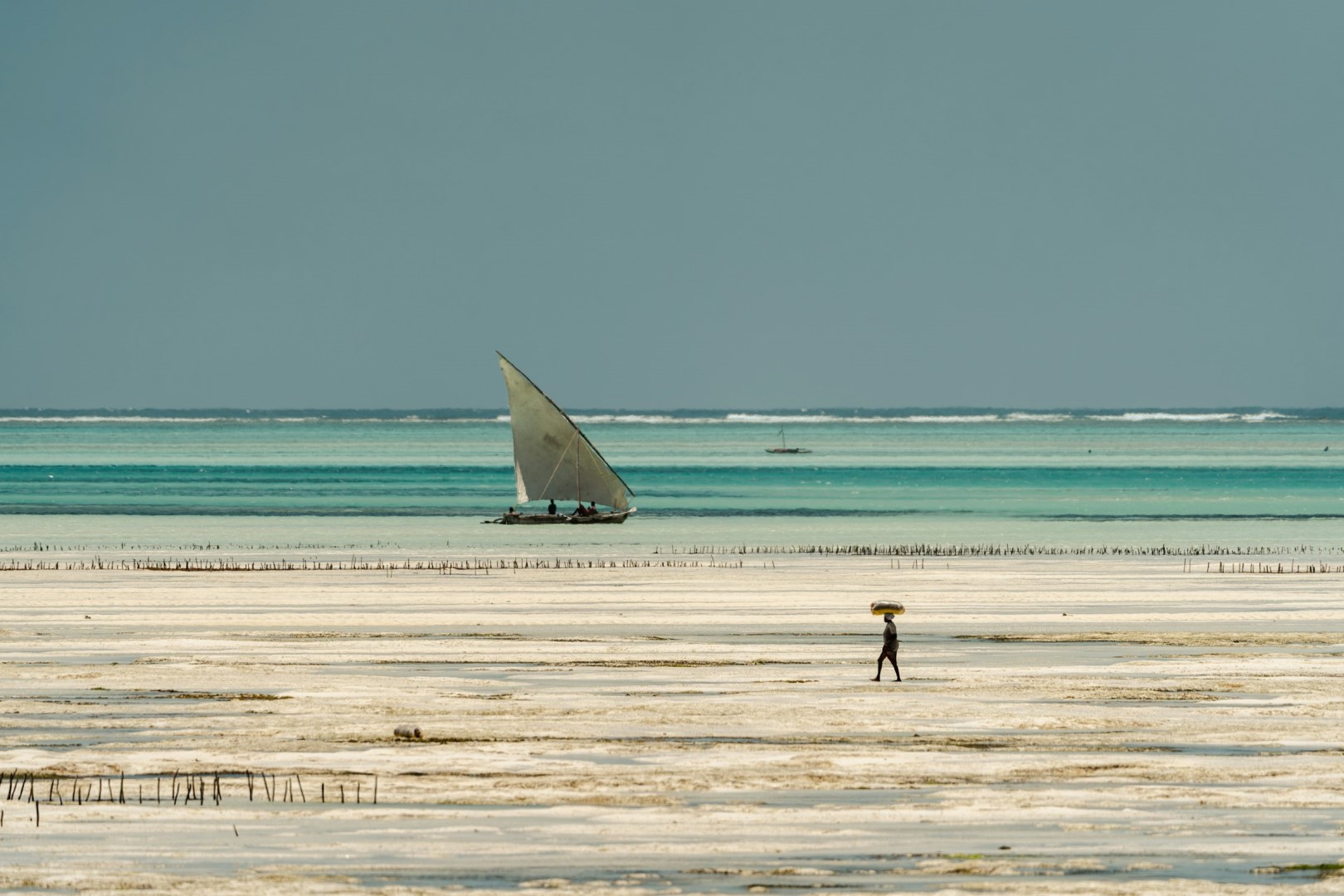
Jambiani is a coastal village on Zanzibar’s southeastern shore, facing the Indian Ocean along a long stretch of white sand and shallow turquoise water. The village extends along the coast between Paje and Makunduchi, with traditional homes, small guesthouses, fishing areas, and local businesses spread between the beach and inland fields.

Puerto Madryn
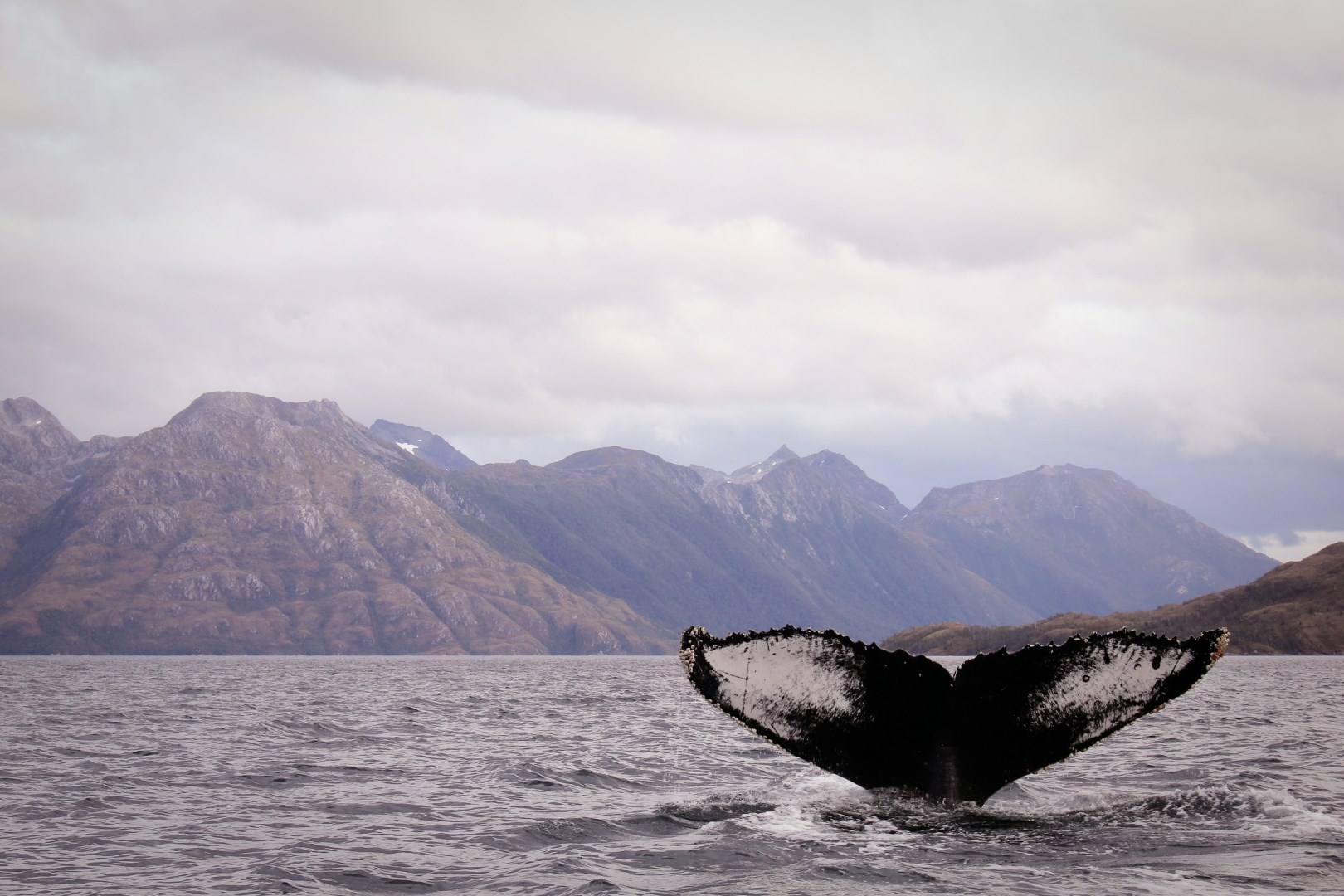
Puerto Madryn is a seaside city on the eastern coast of Argentina. Facing Golfo Nuevo and the South Atlantic Ocean, this coastal destination is popular for its beaches, marine life, nature preserves, and Patagonian museums.

Brooklyn
Brooklyn is New York City’s largest borough by population and occupies the western end of Long Island, with a long waterfront facing Manhattan, New York Harbor, and the East River. Its neighborhoods range from the historic streets of Brooklyn Heights and Cobble Hill to the row houses of Park Slope, the industrial waterfront of Red Hook, and the busy commercial districts of Flatbush and Sunset Park. Brooklyn is also known for its parks, beaches, cultural institutions, and independent businesses.
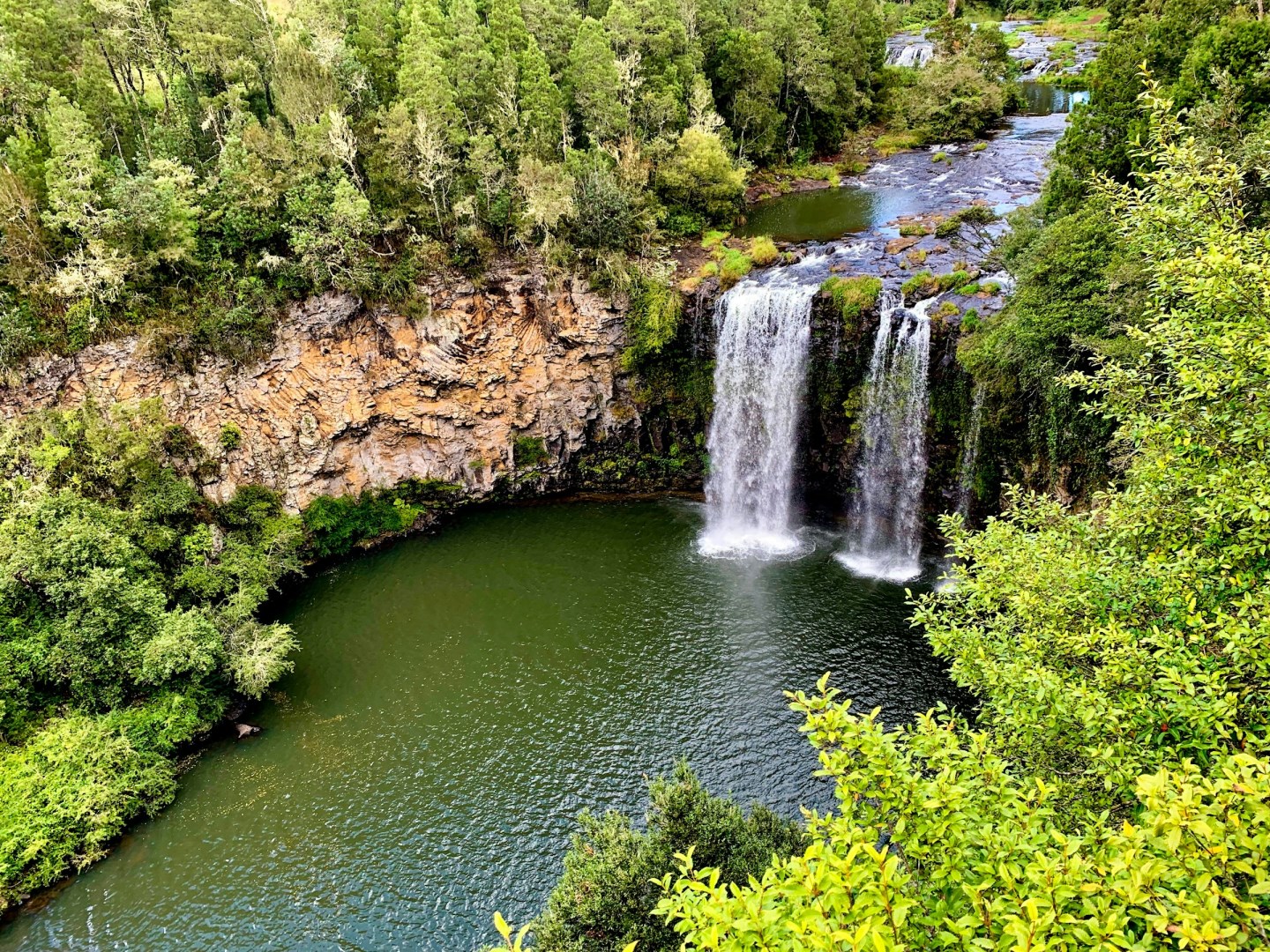
Dorrigo National Park
Dorrigo National Park lies on the escarpment of northern New South Wales, about an hour from Coffs Harbour, where subtropical rainforest covers steep valleys and high country. The park forms part of the Gondwana Rainforests of Australia World Heritage Area, protecting plant communities that preserve links to ancient forests. Its elevated position creates broad views toward the Bellinger Valley and the coast, while dense forest keeps many walking tracks cool and shaded.