Denmark is a country shaped by water, wind, and centuries of human ingenuity. In places like Roskilde, visitors can see five original Viking ships at the Viking Ship Museum and even try rowing a replica longboat across the fjord. In Copenhagen, the harbor once used by merchants and sailors now welcomes swimmers, kayakers, and ferries, with historic warehouses repurposed into restaurants and museums.
Nestled between Canyonlands National Park and Arches National Park, Moab is the perfect entryway to some of Utah’s most iconic scenery. Dotted with gorgeous sandstone formations, mesas, and buttes, Moab epitomizes the rugged beauty of the American Southwest.
Krk, the largest island in the Adriatic Sea, offers a captivating blend of historical charm and natural beauty. The city of Krk, located on the island's southwestern coast, is renowned for its rich cultural heritage and stunning coastal scenery. The city's historical heart is its Old Town, where ancient walls and charming narrow streets lead visitors through centuries of history.
Some of the most spectacular scenery is found on a trip to the San Juan Islands. No wonder. This 100-million-year-old mountain range turned archipelago, located a few miles northwest of Seattle, changes dramatically with the tide. There are 743 islands at low tide--and 428 at high tide.
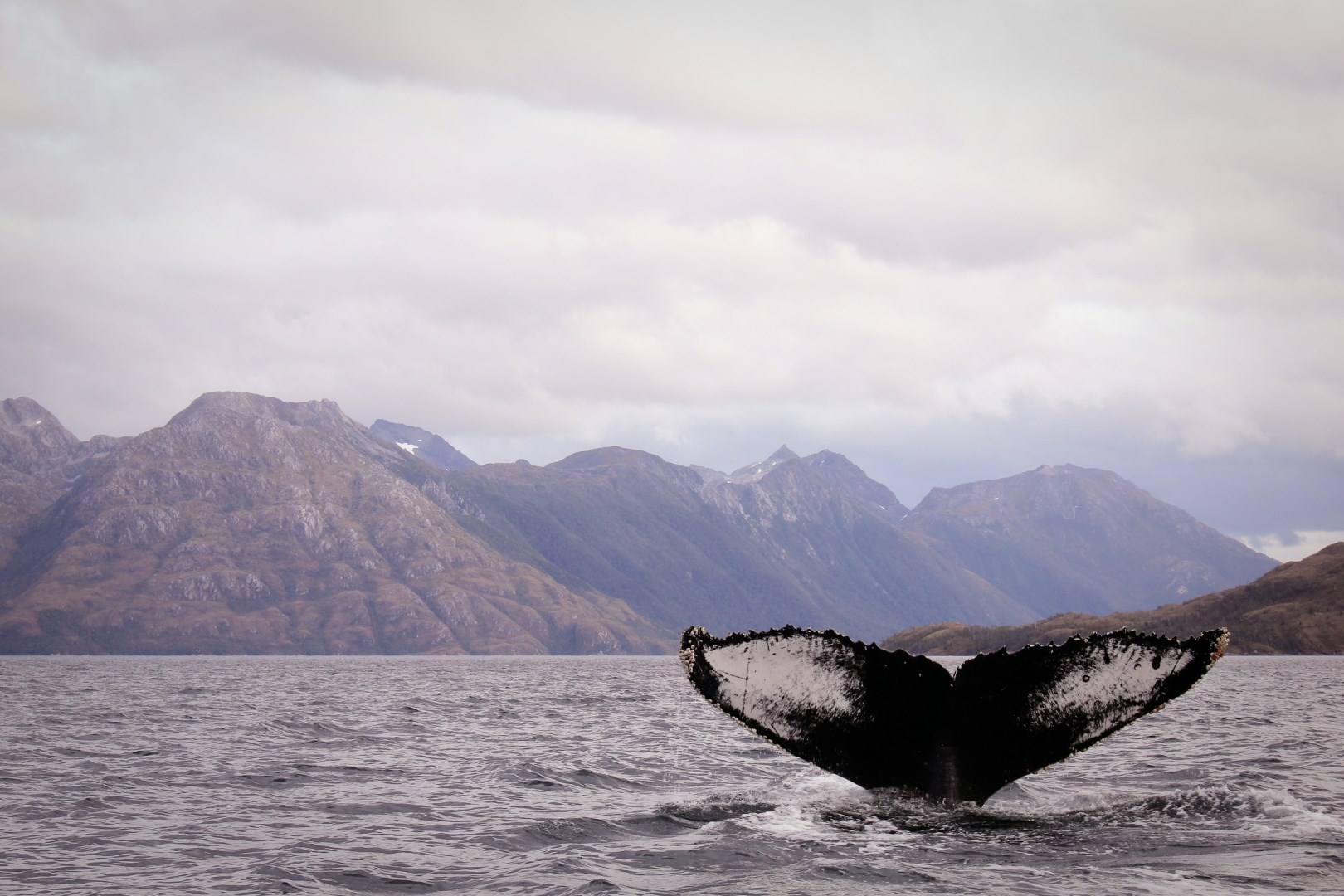
The Strait of Magellan, a pivotal waterway connecting the Atlantic and Pacific Oceans, offers an extraordinary experience for travelers seeking both natural wonder and historical significance. This legendary strait, named after the Portuguese explorer Ferdinand Magellan who navigated it in 1520, is a gateway to the rugged beauty of southern Chile. Visitors can embark on unforgettable cruises to explore the strait's dramatic landscapes, including its towering cliffs, glacial fjords, and the awe-inspiring Tierra del Fuego archipelago.
One of the most captivating features of the Strait of Magellan is its rich history. The region has been a critical maritime route for centuries, and its strategic importance is highlighted by the historic Port of Punta Arenas. This city, the largest settlement near the strait, has a fascinating maritime heritage that can be explored at the Nausicaa Museum and the Magellan Strait Museum (Visit Chile). For those interested in indigenous cultures, the nearby Yaghan Museum offers insights into the life and traditions of the indigenous Yaghan people who have lived in this challenging environment for millennia,
Nature lovers will be enthralled by the diverse wildlife that inhabits the strait. The waters are home to a variety of marine life, including penguins, sea lions, and even the occasional orca. A visit to Isla Magdalena allows for close encounters with large colonies of Magellanic penguins, which nest on the island from September to April. Additionally, the region’s glaciers and national parks offer breathtaking scenery and ample opportunities for hiking and outdoor adventure.
Fun Fact: The Strait of Magellan was once considered the only feasible route for ships traveling from the Atlantic to the Pacific until the construction of the Panama Canal. This historical significance makes it not only a natural marvel but also a key piece of maritime history.