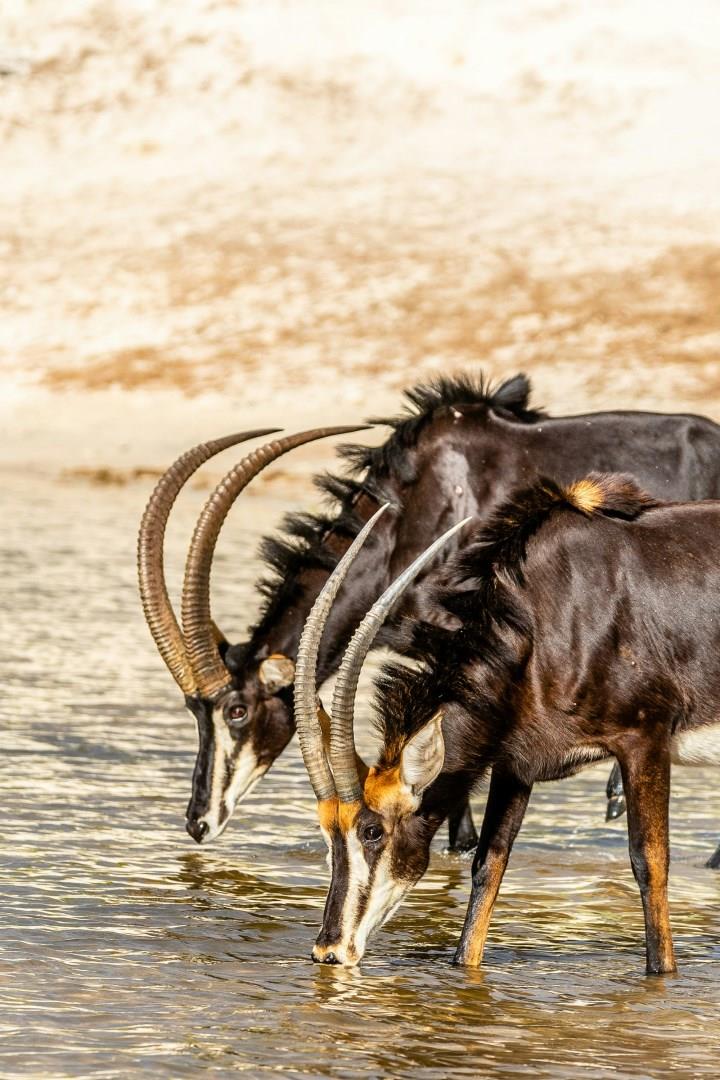
Linyanti Wildlife Reserve, tucked into the northern reaches of Botswana near the Chobe River, is a remote and pristine safari destination known for its rich biodiversity and exclusivity. Covering more than 275,000 acres of wilderness, the reserve is defined by floodplains, lagoons, woodlands, and savannah, creating a mosaic of habitats that sustain an impressive array of wildlife.
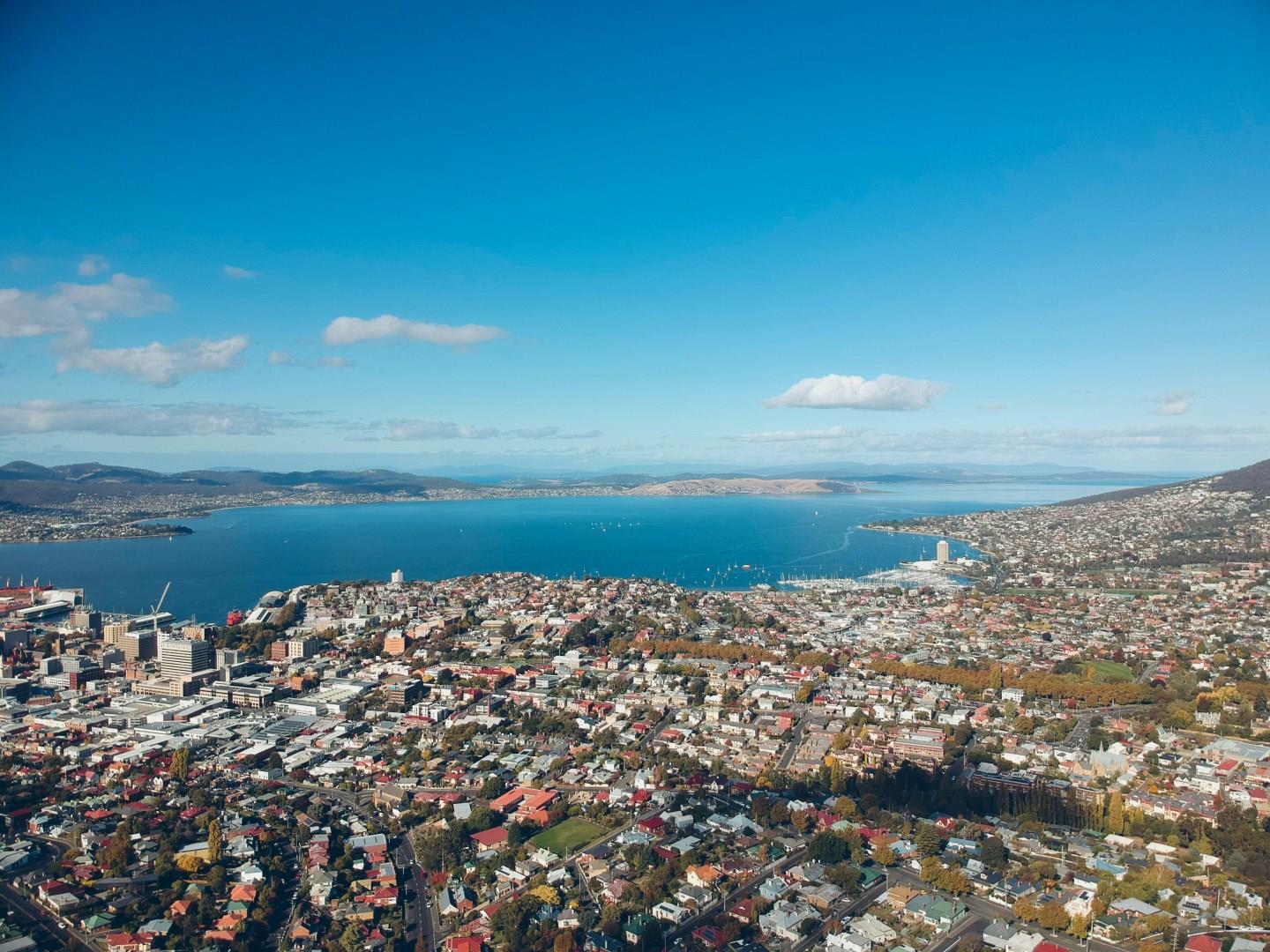
Hobart, the vibrant capital of Tasmania, Australia, is a city where history and natural beauty intertwine seamlessly. Nestled on the banks of the Derwent River and framed by the rugged peaks of Mount Wellington, Hobart is a captivating destination for those seeking both cultural richness and stunning landscapes.
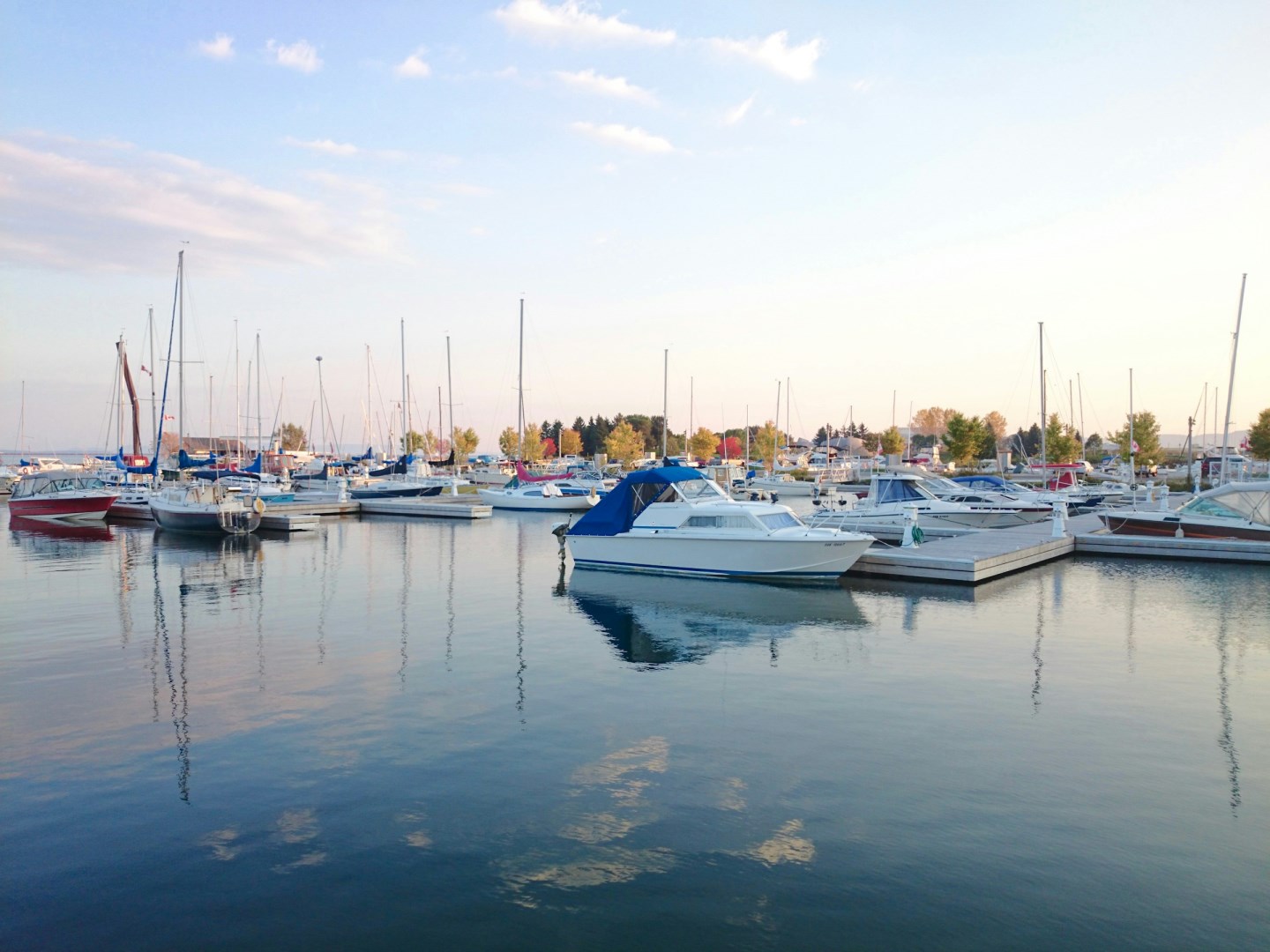
Thunder Bay is a city on the northwestern shore of Lake Superior, where the Kaministiquia River reaches one of the world's largest freshwater lakes. Surrounded by forests, rocky hills, and broad water views, it serves as a regional centre for transportation, education, industry, and services across Northwestern Ontario.
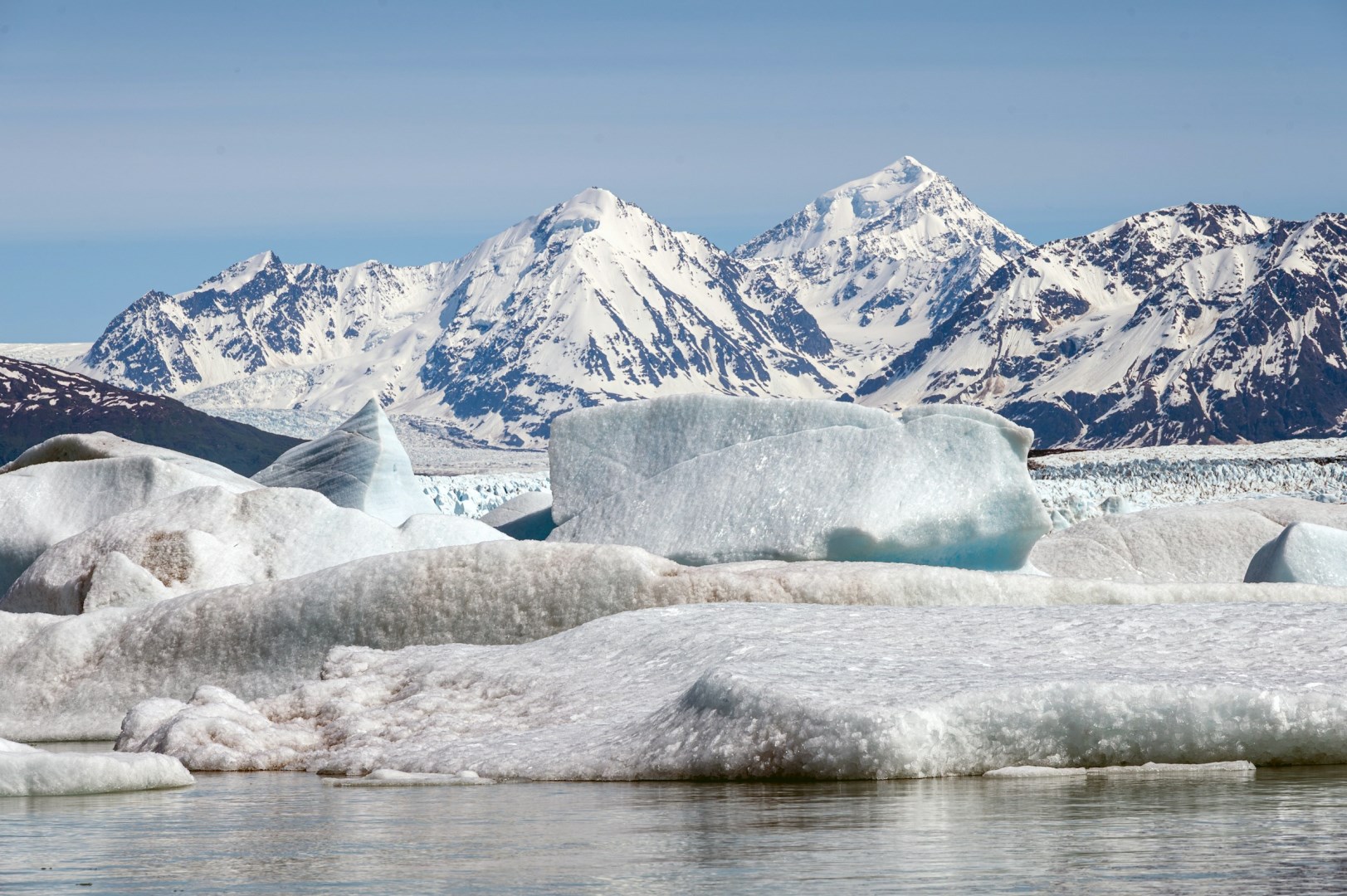
Chugach National Forest covers a vast area of south-central Alaska, stretching from the Kenai Peninsula across Prince William Sound and into the Copper River region. It is one of the largest national forests in the United States and contains a varied landscape of mountains, glaciers, coastal fjords, rivers, wetlands, and dense spruce and hemlock forests.
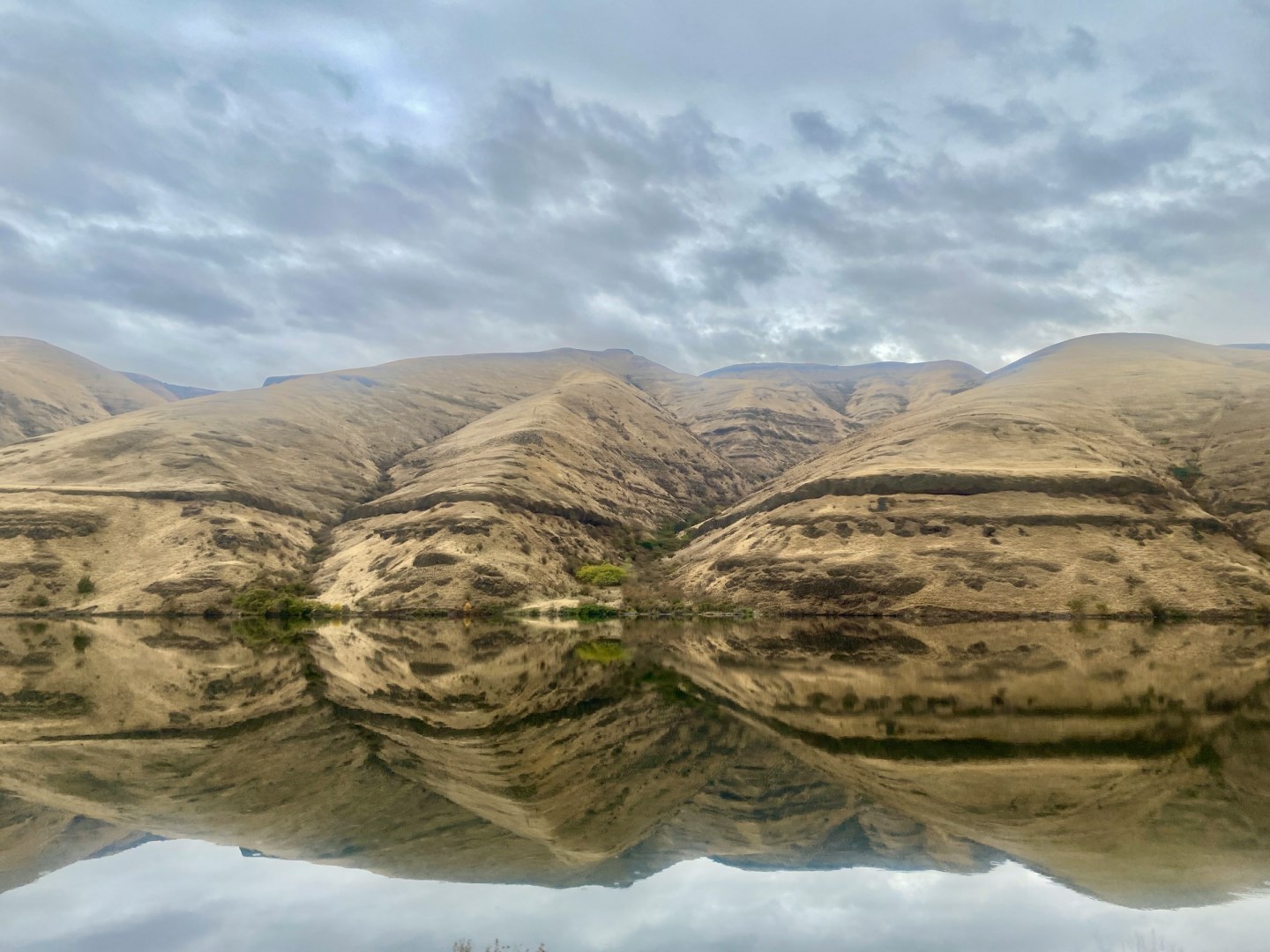
Lewiston and Clarkston are located at the confluence of the Snake and Clearwater Rivers at an elevation of 738 feet above sea level. The valley is rather narrow with a range of hills to the North sloping abruptly to about 2,000 feet above the valley floor.
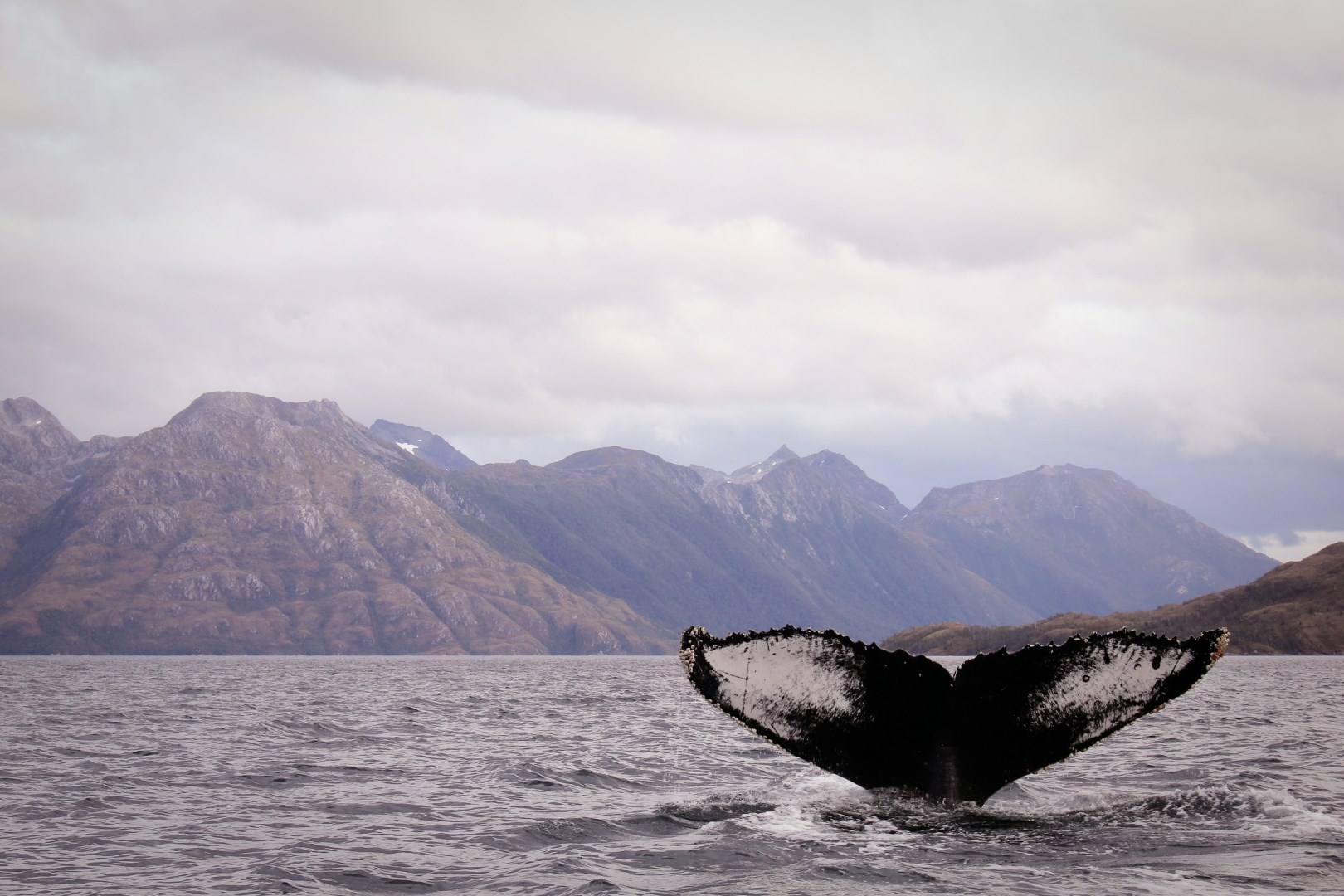
The Strait of Magellan, a pivotal waterway connecting the Atlantic and Pacific Oceans, offers an extraordinary experience for travelers seeking both natural wonder and historical significance. This legendary strait, named after the Portuguese explorer Ferdinand Magellan who navigated it in 1520, is a gateway to the rugged beauty of southern Chile. Visitors can embark on unforgettable cruises to explore the strait's dramatic landscapes, including its towering cliffs, glacial fjords, and the awe-inspiring Tierra del Fuego archipelago.
One of the most captivating features of the Strait of Magellan is its rich history. The region has been a critical maritime route for centuries, and its strategic importance is highlighted by the historic Port of Punta Arenas. This city, the largest settlement near the strait, has a fascinating maritime heritage that can be explored at the Nausicaa Museum and the Magellan Strait Museum (Visit Chile). For those interested in indigenous cultures, the nearby Yaghan Museum offers insights into the life and traditions of the indigenous Yaghan people who have lived in this challenging environment for millennia,
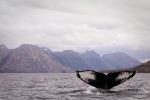
Nature lovers will be enthralled by the diverse wildlife that inhabits the strait. The waters are home to a variety of marine life, including penguins, sea lions, and even the occasional orca. A visit to Isla Magdalena allows for close encounters with large colonies of Magellanic penguins, which nest on the island from September to April. Additionally, the region’s glaciers and national parks offer breathtaking scenery and ample opportunities for hiking and outdoor adventure.
Fun Fact: The Strait of Magellan was once considered the only feasible route for ships traveling from the Atlantic to the Pacific until the construction of the Panama Canal. This historical significance makes it not only a natural marvel but also a key piece of maritime history.
Other Popular Destinations in Chile
Santiago
Flanked by the Chilean Coast Range and the snowy Andes, Chile's largest metropolis offers a dazzling array of sights and attractions for visitors to pursue. Mirrored skyscrapers, 16th-century churches, hip cafes, dance clubs... and did we mention the delicious Chilean cuisine?
Puerto Natales
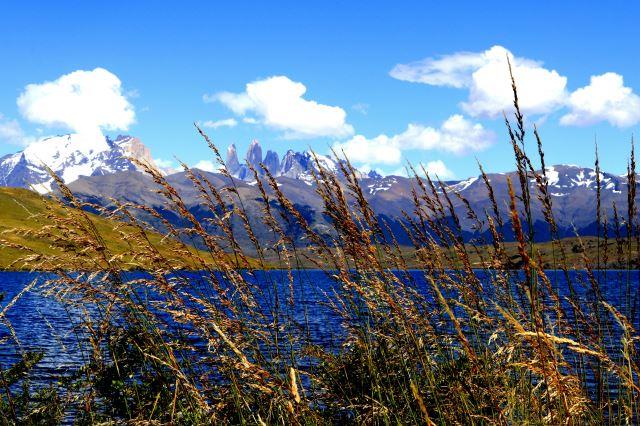
Puerto Natales sits at the head of the Ultima Esperanza Sound in southern Chile, serving as the gateway to Patagonia’s dramatic landscapes.