Felicite Island
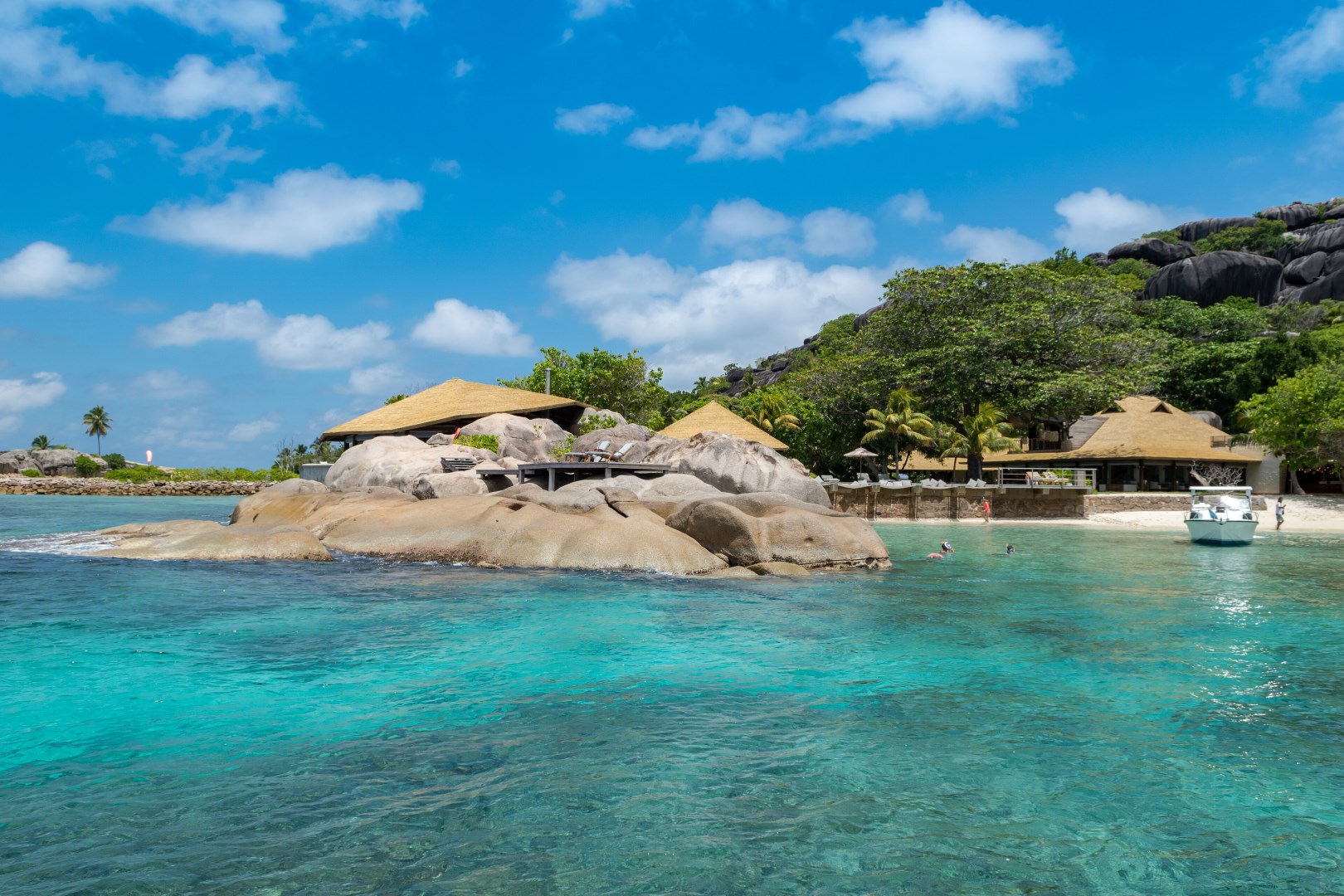
Félicité Island, a pristine jewel of the Seychelles, promises an idyllic escape for travelers seeking natural beauty and tranquility. Located about 4 kilometers northeast of La Digue, Félicité is part of the Seychelles’ inner islands and is renowned for its stunning granite boulders, powdery white sands, and turquoise waters.

Saudi Arabia
Saudi Arabia is revealing chapters long unseen by tourists. Al-Ula is home to Hegra, the first UNESCO World Heritage Site in the kingdom and hosts to ancient Nabatean tombs carved in sandstone cliffs. Nearby, the mirrored Maraya Concert Hall reflects the desert sky, its design both unexpected and elegant amid the sands. Visitors can wander through narrow canyons, step inside rock-hewn facades, and feel the weight of ancient civilizations still echoing across the dunes.
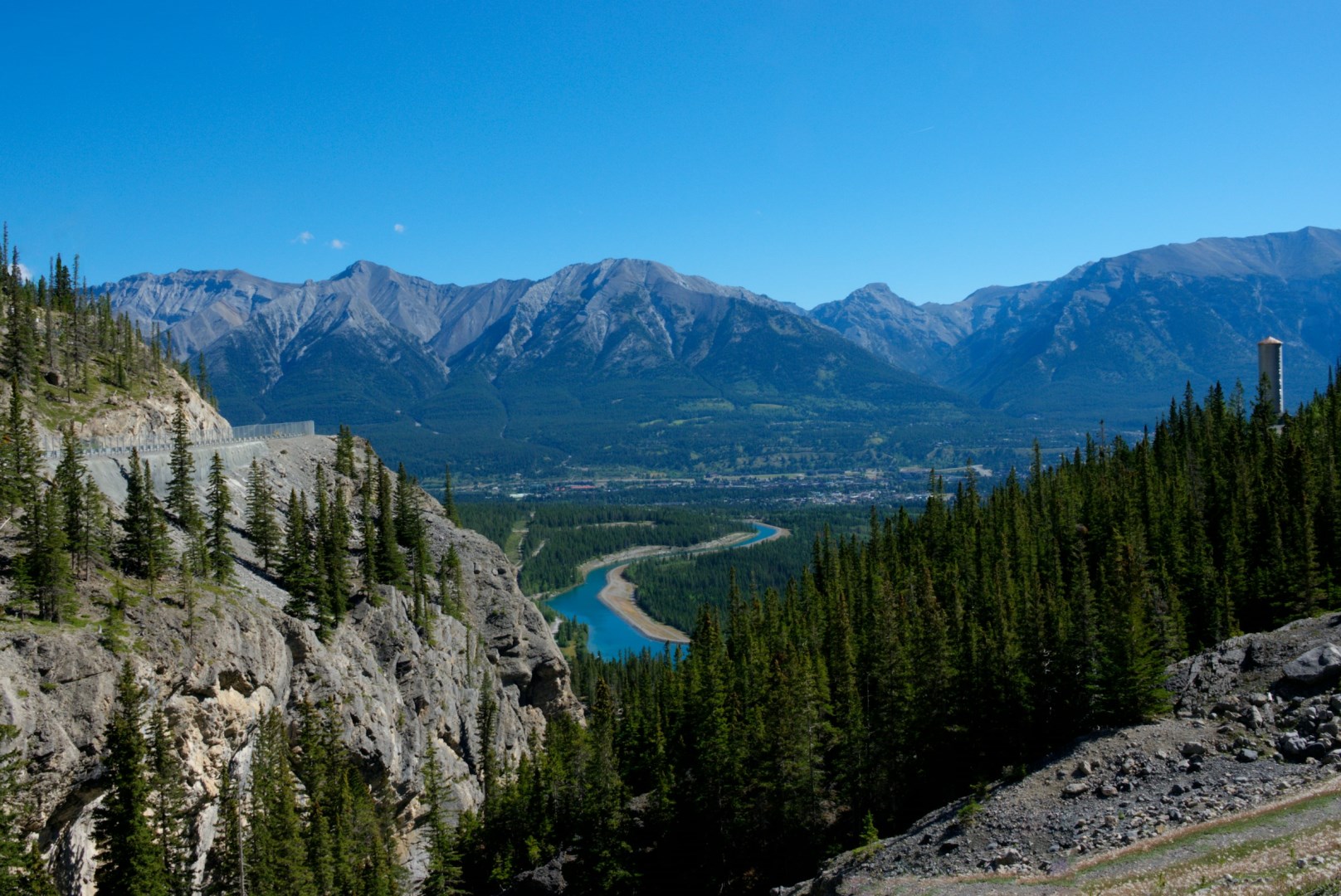
Canmore
Canmore is a mountain town in Alberta’s Bow Valley, surrounded by the peaks of the Canadian Rockies and located just outside Banff National Park. The town sits beside the Bow River, with the Three Sisters, Ha Ling Peak, and Mount Lawrence Grassi forming prominent landmarks around the valley. Canmore developed from a coal-mining and railway community into a center for outdoor recreation, arts, and local business.
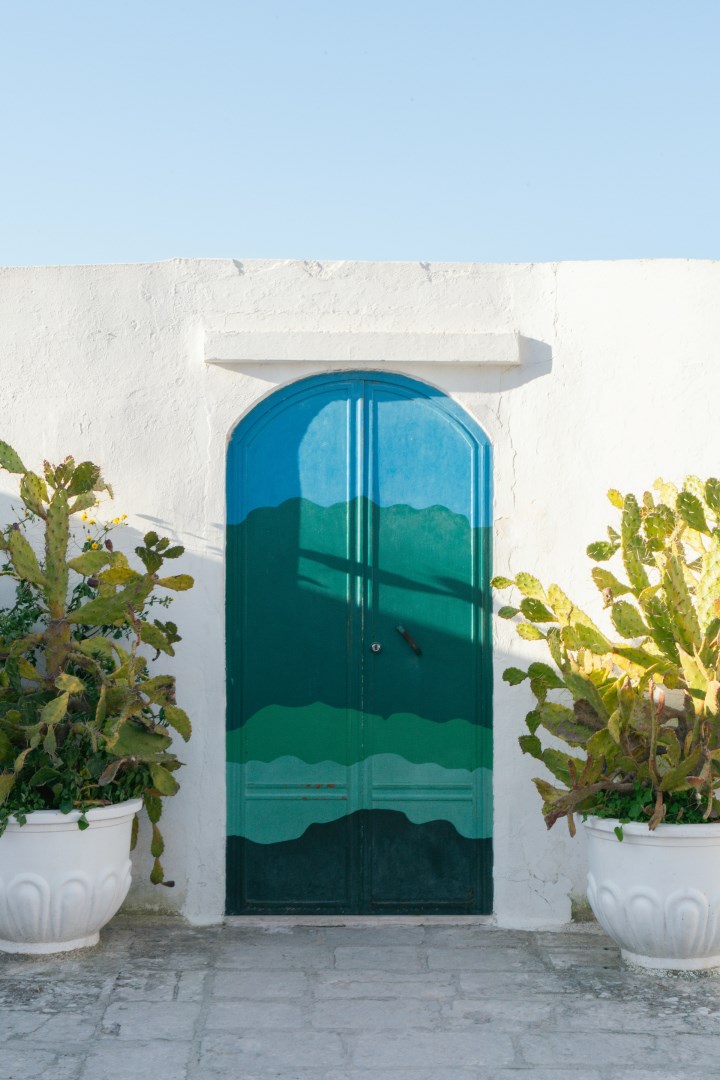
Ostuni
Ostuni is a hilltop town in Puglia, in southern Italy, known for the whitewashed buildings of its historic center and the olive groves that surround it. The town occupies the final slopes of the Murge plateau, with the old quarter, known as La Terra, rising above the surrounding countryside. Narrow lanes, stairways, arched passages, and small squares wind between lime-covered houses, while the higher streets provide views across the olive plain toward the Adriatic Sea.
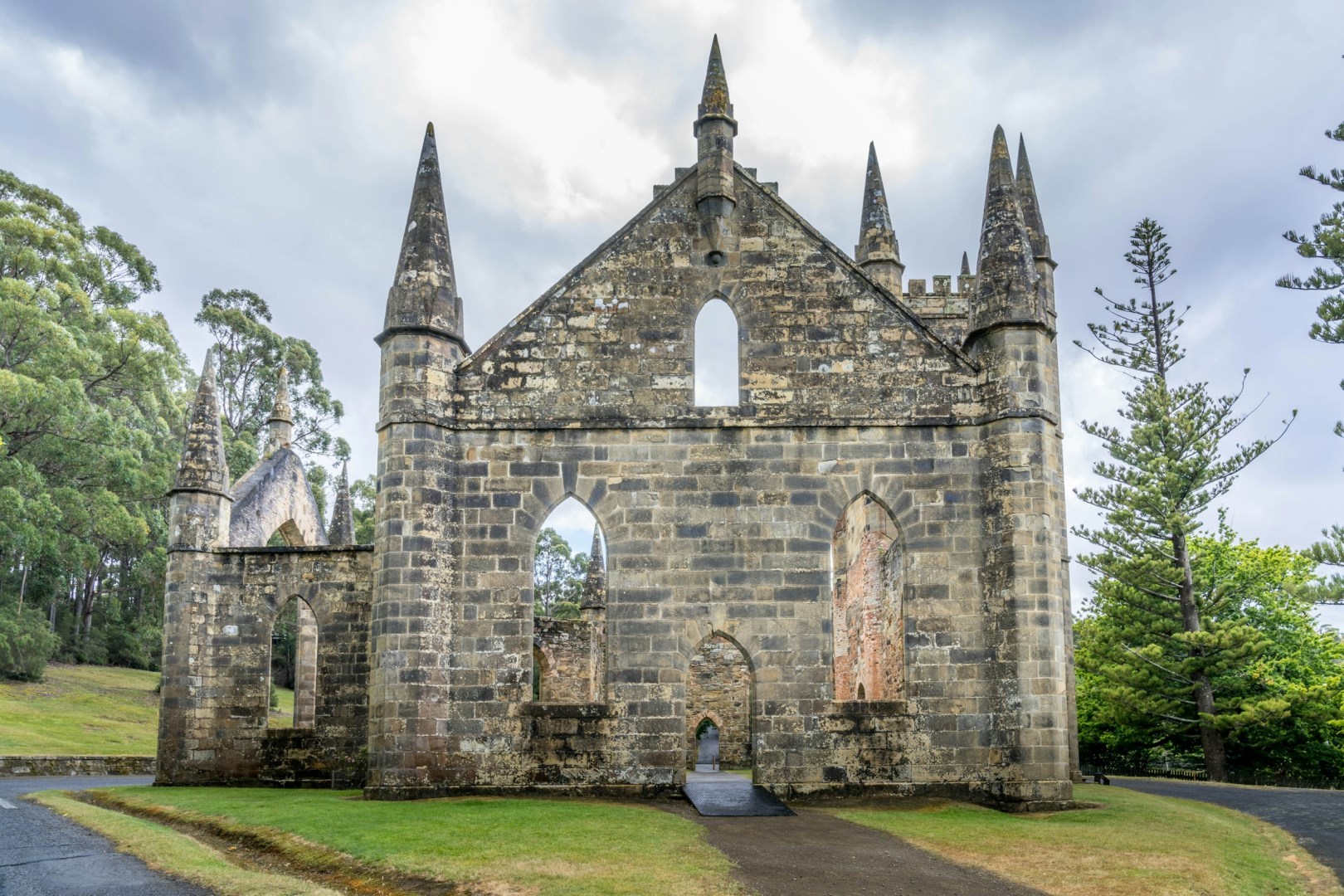
Port Arthur Tasmania
Port Arthur is a historic penal settlement from the brutal days of the convict settlement. It is located on the southeastern shores of Tasmania.