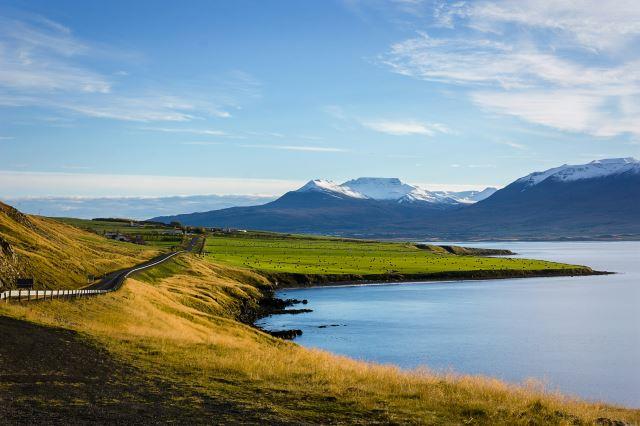
Norway offers a landscape shaped by glaciers, framed by fjords, and steeped in Viking history. The country's coastline stretches for over 100,000 kilometers if you count every inlet and island, which makes it one of the longest in the world. Travelers can take a ferry through the Geirangerfjord or cruise along the Lofoten Islands, where steep mountain peaks rise dramatically from the sea. These routes aren’t just scenic; they’ve been lifelines for coastal communities for centuries.
Missouri, nestled in the heart of the United States, offers a rich tapestry of history, culture, and natural beauty. Begin your exploration in St. Louis, where the iconic Gateway Arch stands as a testament to westward expansion and American ambition. This architectural marvel not only offers breathtaking views of the Mississippi River but also houses the Museum of Westward Expansion, delving into the stories of pioneers and explorers who shaped the nation.
Bora Bora, often referred to as the "Jewel of the South Seas," is the epitome of tropical luxury. Nestled in the Society Islands of French Polynesia, this idyllic island is famed for its stunning turquoise lagoon, ringed by a barrier reef and dotted with overwater bungalows.
Situated at the confluence of the rivers Merwede and Noord, Dordrecht is one of the Netherlands' oldest cities, rich in history and character from its charming medieval center and picturesque canals to its beautiful historic buildings. With its intricate network of canals and waterways, the city once played a key role in the Dutch Golden Age and is home to the Biesbosch National Park, one of the largest national parks in the Netherlands.
Stonehenge, one of the world's most iconic prehistoric monuments, stands proudly on the Salisbury Plain in Wiltshire, England. This enigmatic stone circle, believed to have been constructed between 3000 BC and 2000 BC, has captivated archaeologists, historians, and travelers alike for centuries.
Heimaey, the largest island in Iceland’s Vestmannaeyjar archipelago, is a captivating destination renowned for its dramatic landscapes and volcanic history. A visit to Heimaey offers a unique blend of natural beauty and cultural heritage. The island is famous for its stunning Volcanic Landscape, particularly the aftermath of the 1973 eruption of Eldfell, which dramatically reshaped the island and had a significant impact on its residents (Iceland Travel). The Eldheimar Museum, housed in a former fish factory, provides a fascinating look into the eruption’s effects and the subsequent volcanic excavation.
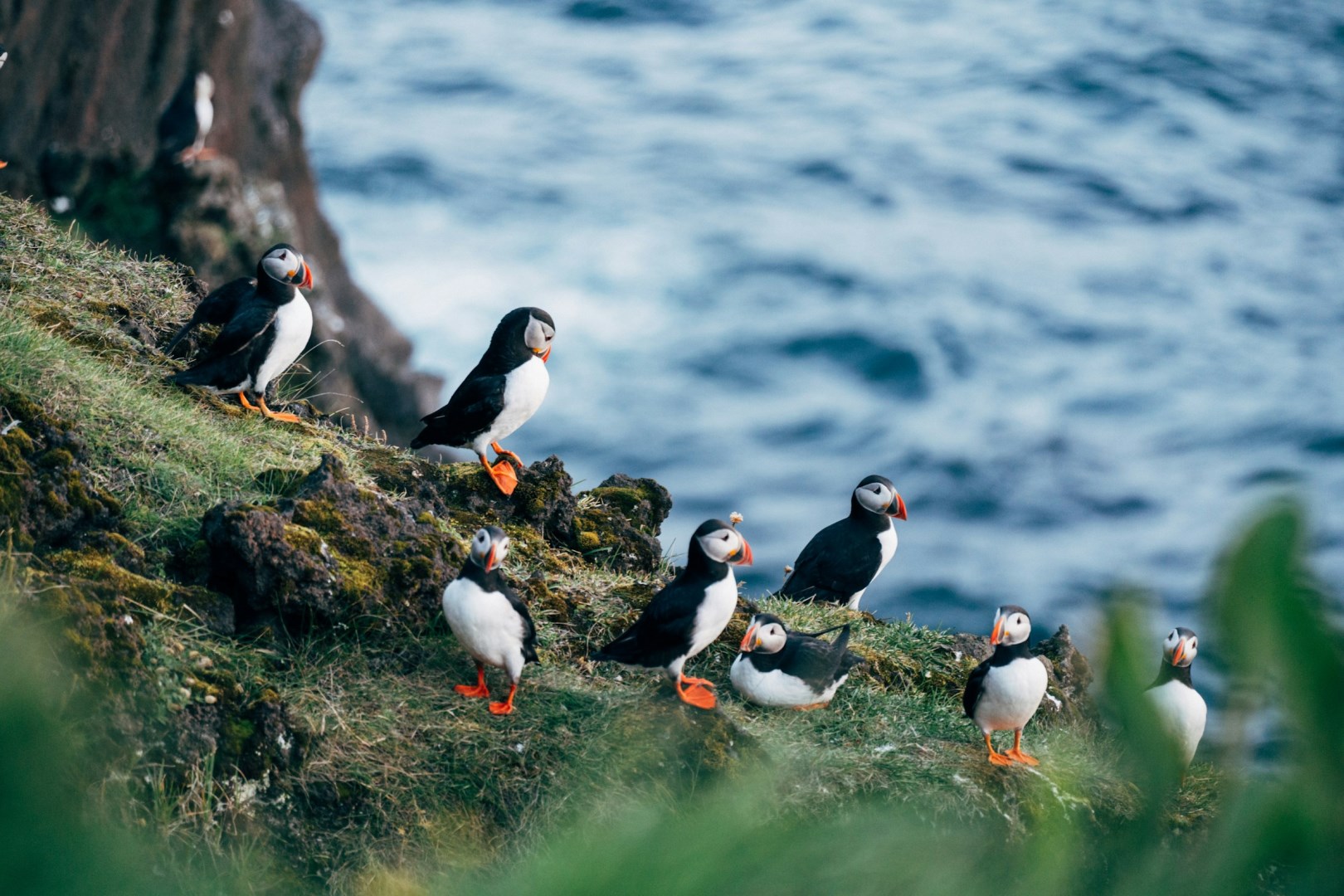
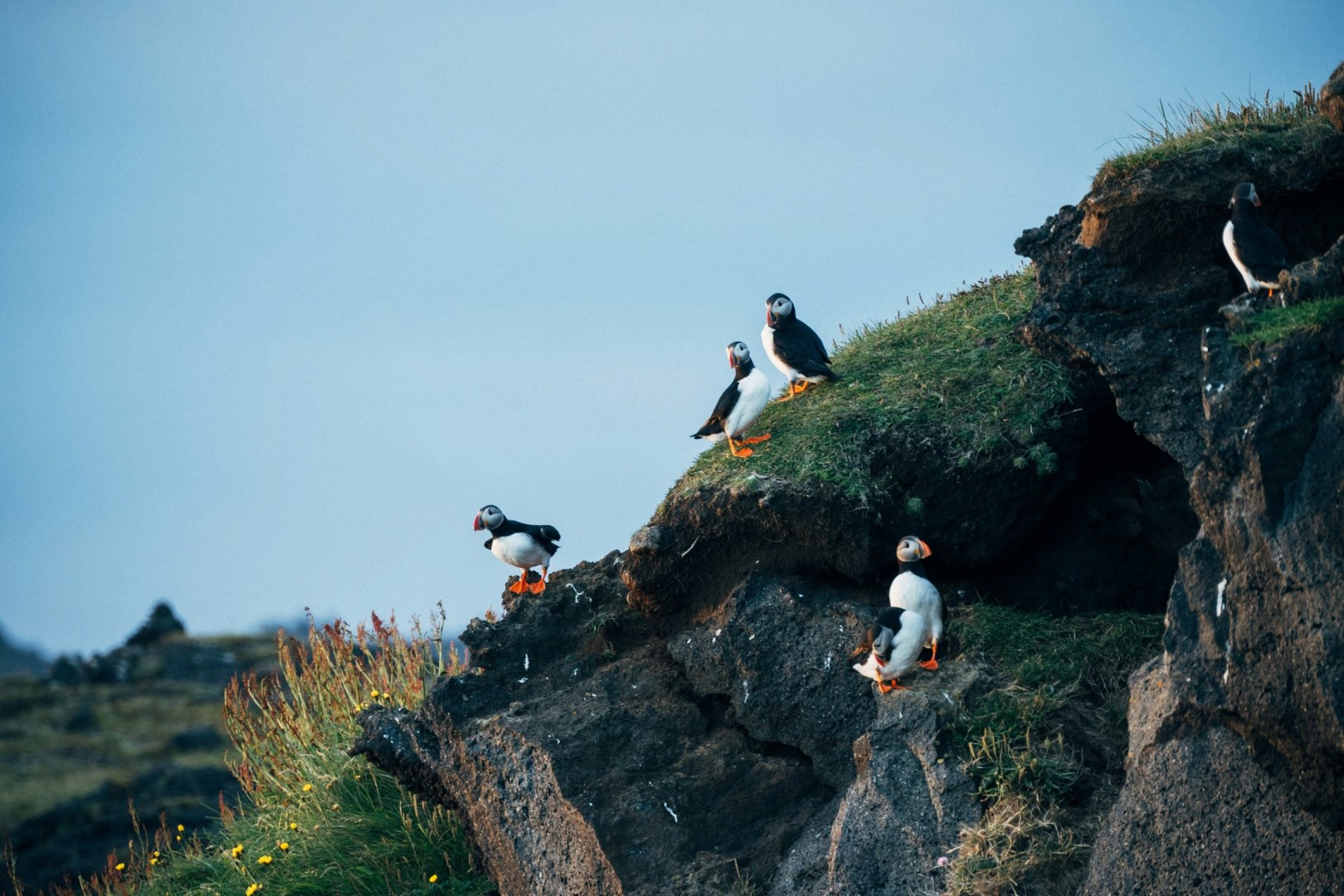
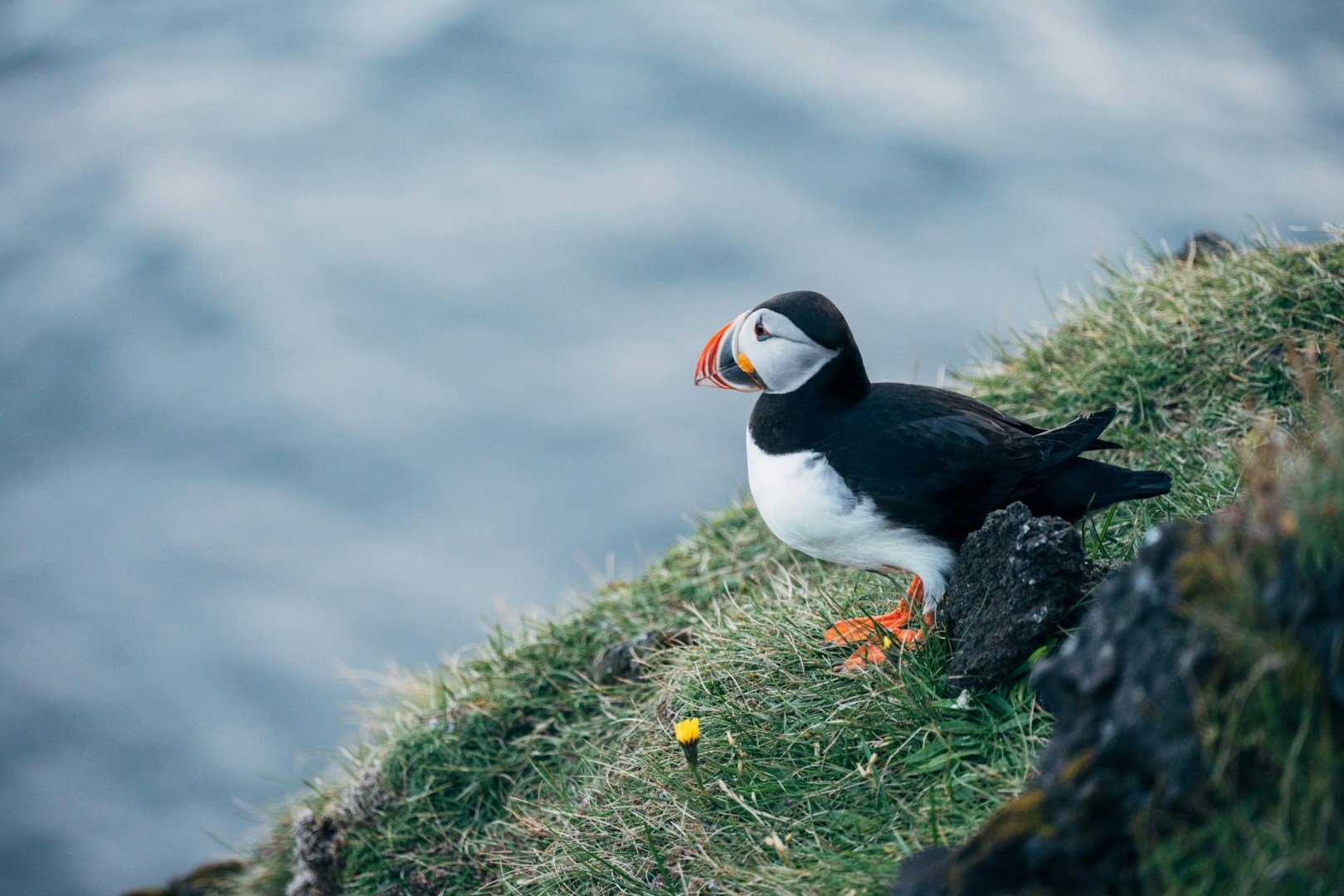
Nature enthusiasts will be enchanted by Heimaey’s rich birdlife, especially during the puffin nesting season. The island is one of the best places in Iceland to observe Atlantic Puffins, which flock to the cliffs from April to August (Icelandic Tourist Board). For a panoramic view of the island, hike up to Stórhöfði, one of Europe’s windiest places, which offers sweeping vistas of the volcanic terrain and the surrounding ocean.
Heimaey also boasts a charming town center with colorful houses and a vibrant local culture. The Westman Islands Museum provides insight into the local history and culture, including exhibits on the island's fishing heritage and the 1973 volcanic eruption (Westman Islands Museum). For a more relaxed experience, visit Skansinn, a historic fort that offers a glimpse into the island’s past and provides a picturesque spot for enjoying the sea views.
Fun Fact: Heimaey is home to the only golf course in Iceland that operates during the winter, thanks to the island's mild microclimate compared to the mainland. This makes it an attractive destination year-round for visitors looking to experience Iceland's unique natural environment.
From volcanic landscapes and puffin watching to rich cultural experiences, Heimaey offers an unforgettable glimpse into Iceland’s diverse and rugged beauty.