Khinaliq
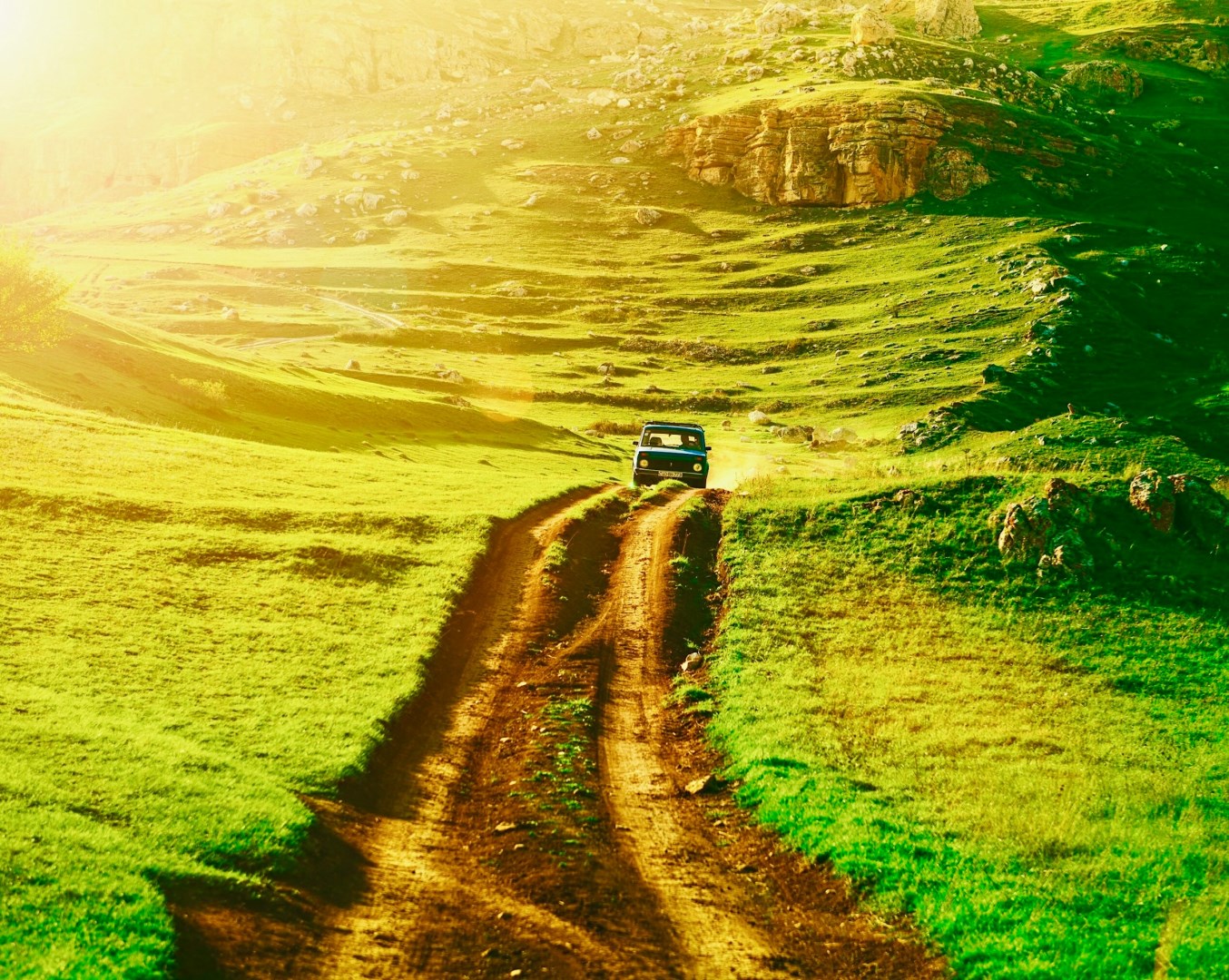
Khinaliq is a high-mountain village in northern Azerbaijan, situated in the Greater Caucasus Mountains at an elevation of more than 2,000 meters. The village is built on steep slopes above the Qudyalchay valley, with tightly packed stone houses rising in terraces along the mountainside. Surrounding peaks, alpine meadows, rocky ridges, and deep valleys create a rugged landscape shaped by the high-altitude environment.
Deshaies
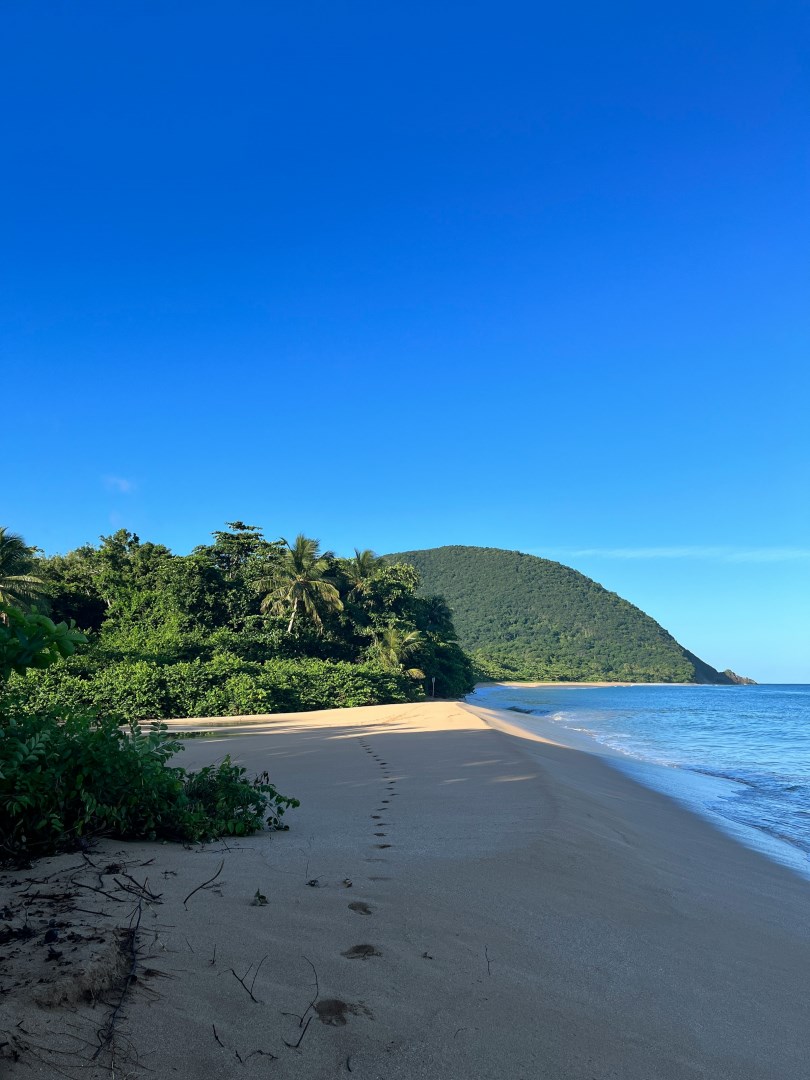
Deshaies, a picturesque village on the northwest coast of Guadeloupe, offers a quintessential Caribbean experience with its stunning beaches, lush landscapes, and charming local culture. Nestled between verdant hills and the sparkling Caribbean Sea, this town is renowned for its idyllic scenery and relaxed atmosphere. One of its main attractions is the beautiful Plage de Grande-Anse, a long, golden-sand beach perfect for swimming, sunbathing, and enjoying the vibrant marine life.
Custer
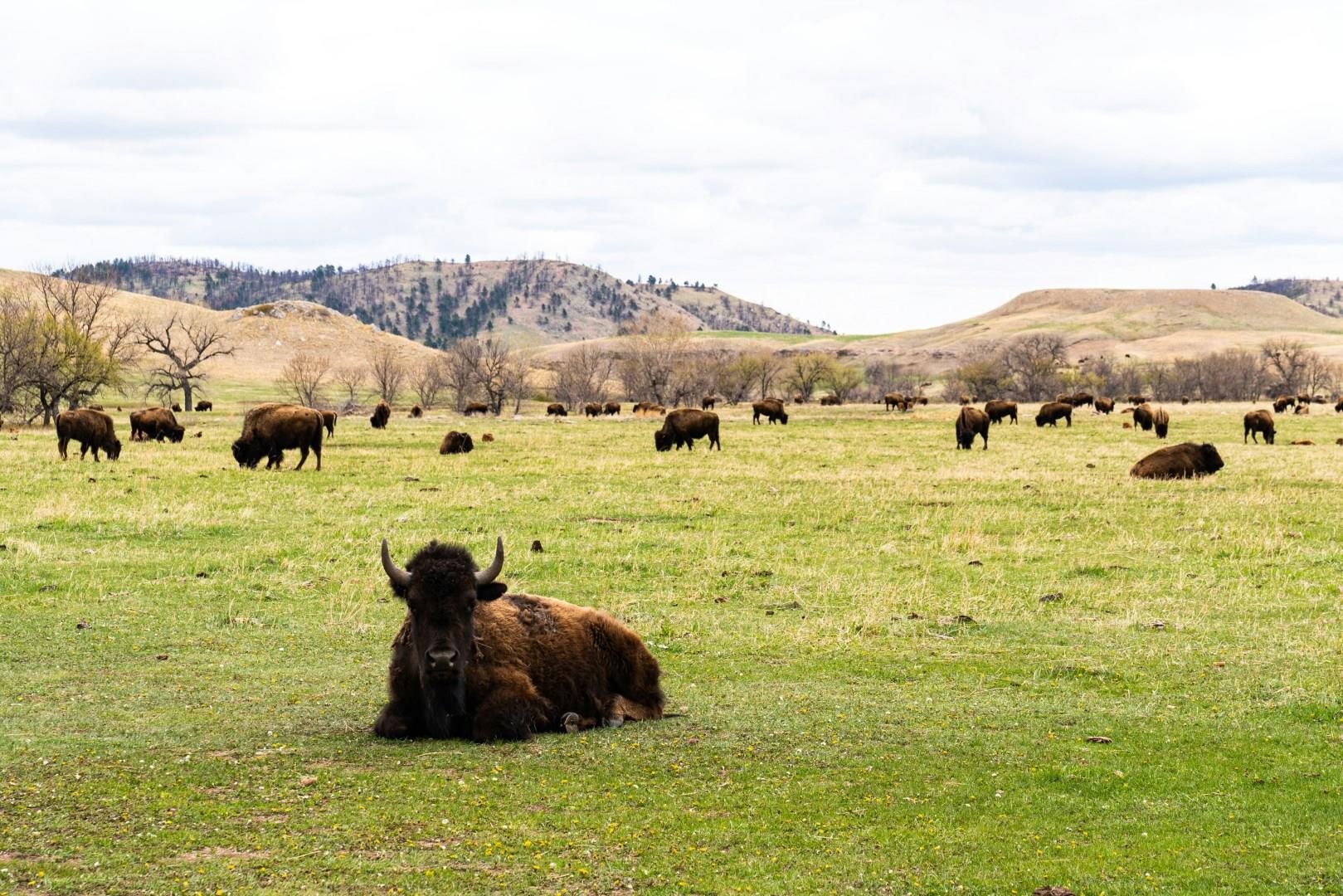
Nestled in the heart of the Black Hills, Custer, South Dakota is a small town with big stories. Established in 1875 during the Black Hills Gold Rush, Custer holds the distinction of being the oldest town in the region still in existence. Today, it serves as a gateway to some of South Dakota’s most iconic sights. With historic buildings, locally owned shops, and friendly diners lining Mount Rushmore Road, it offers a laid-back atmosphere that balances Old West charm with modern-day hospitality.

Rosalie
Rosalie is a small coastal community on the southeastern side of Dominica, where the Rosalie River reaches the Atlantic Ocean. The village lies within a landscape of steep forested hills, river valleys, and rocky coastline, with the surrounding area forming part of Dominica’s lush eastern interior. Rosalie is particularly associated with the Rosalie Bay area, where the river, rainforest, and ocean meet.
Oberammergau
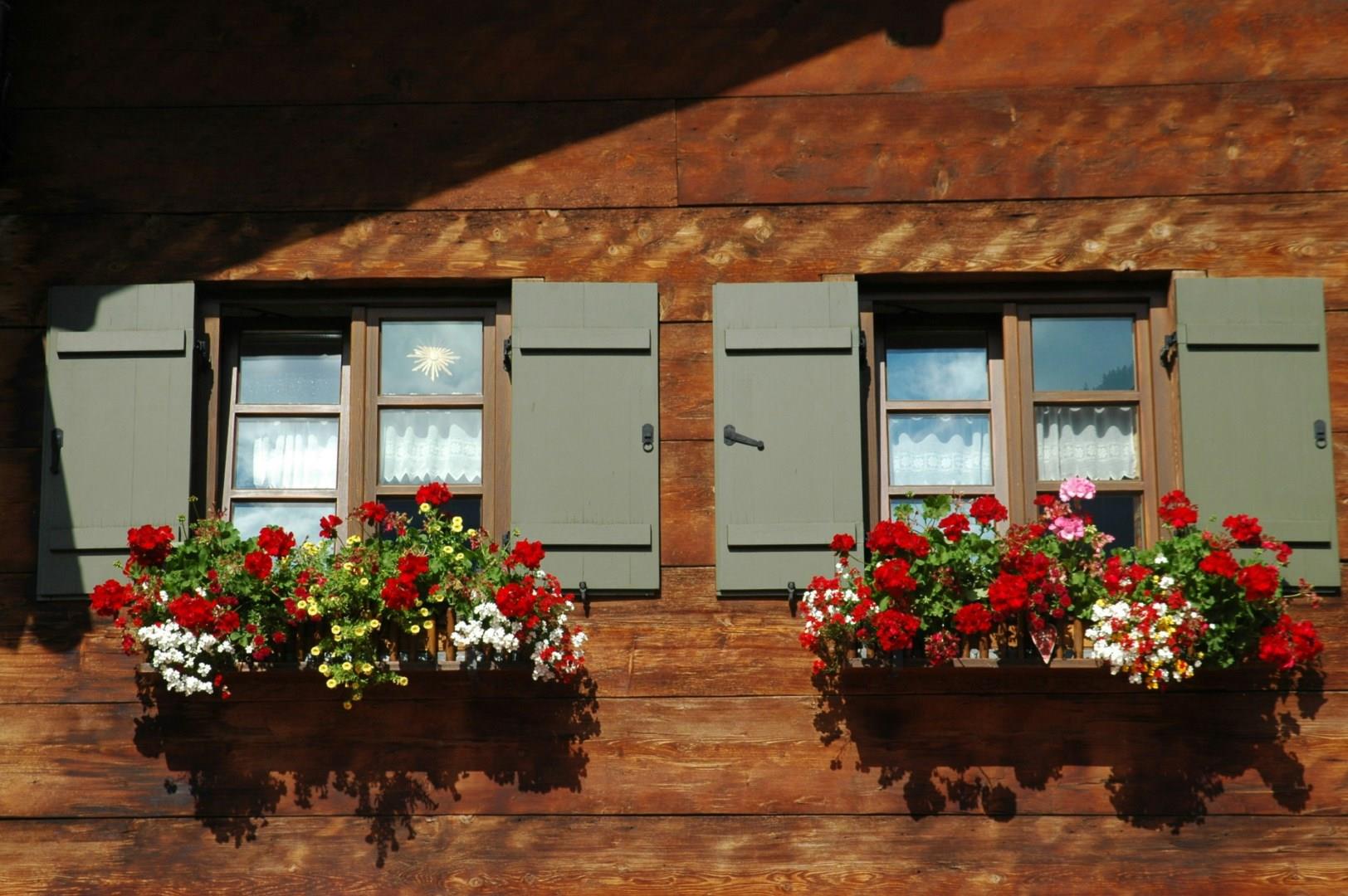
Nestled in the Bavarian Alps, Oberammergau is a charming village in Germany that exudes a timeless allure. Renowned for its stunning alpine scenery, traditional Bavarian architecture, and vibrant cultural heritage, this small town offers an unforgettable experience for visitors. Oberammergau is perhaps best known for its world-famous Passion Play, a tradition that dates back to 1634.