

Kangerlussuaq
Kangerlussuaq, Greenland, is a gateway to the stunning Arctic wilderness and an essential stop for any intrepid traveler seeking adventure in the icy realms of the north. This remote town, located on the western coast of Greenland, is renowned for its dramatic landscapes, including the vast Søndre Strømfjord, one of the longest fjords in the world.

Dominica
Dominica, known as the “Nature Island of the Caribbean,” is a haven for eco-tourists and adventure seekers. Nestled between the French islands of Guadeloupe and Martinique, this lush island boasts a remarkable landscape of volcanic mountains, dense rainforests, and stunning waterfalls. Dominica’s most iconic natural wonder is the Boiling Lake, the second-largest hot spring in the world.
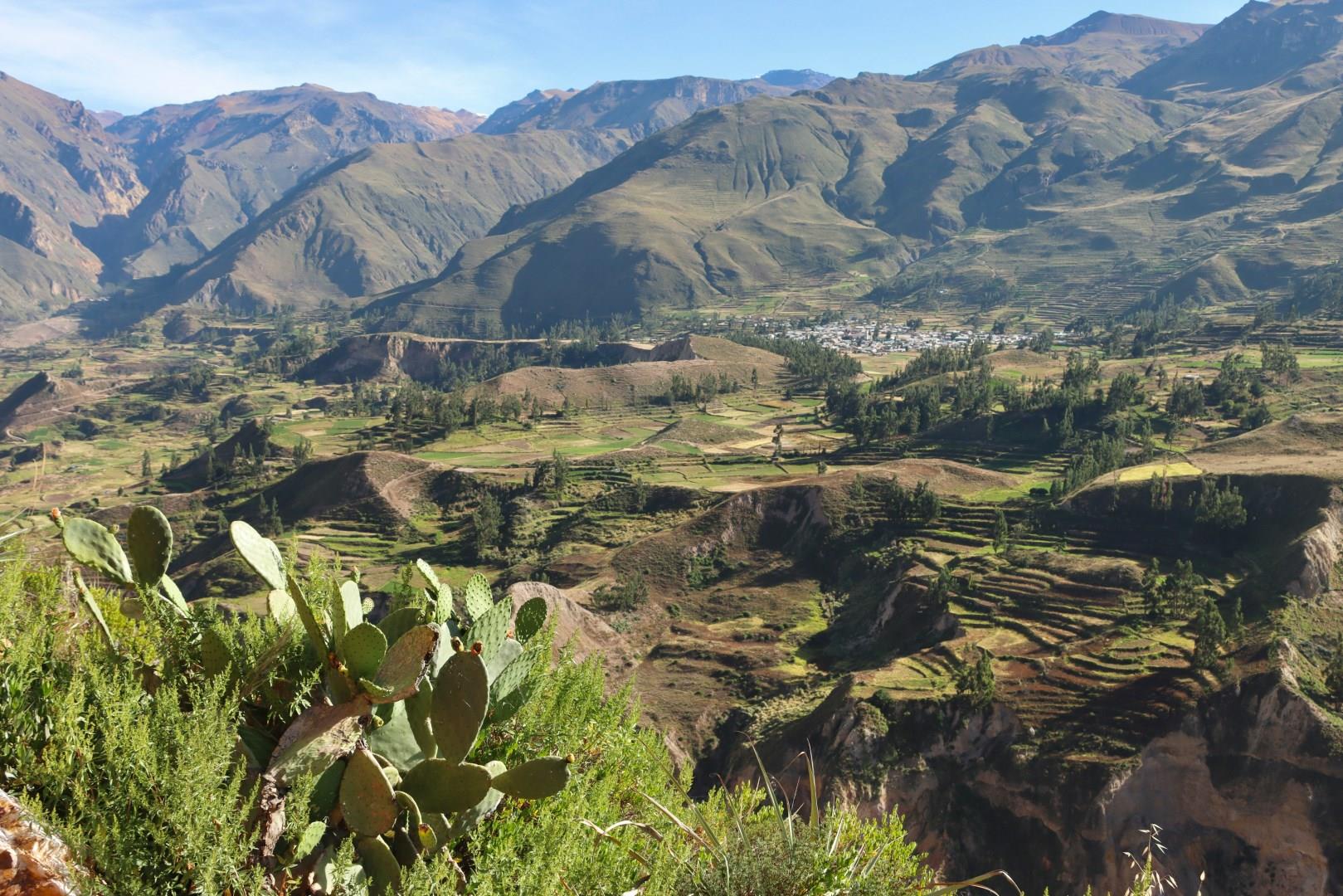
Colca Canyon
Colca Canyon, located in southern Peru’s Arequipa region, is one of the deepest canyons in the world, twice as deep as the Grand Canyon in some areas. What makes it stand out even more is how human settlements have coexisted with the landscape for centuries. Along its walls, pre-Inca agricultural terraces still hold crops like corn and quinoa. One of the main draws of the canyon is the opportunity to see Andean condors in flight.

Katakolo
Katakolon, also known as Katakolo, is a charmingly small port and fishing town on the coast of Greece. A primary entryway to the nearby ancient ruins of Archaia Olympia, Katakolon is a popular stop on many Mediterranean cruises. Before heading to Olympia, be sure to unwind on the warm Grecian sands of Paralia Katakolo or savor a bite of fresh seafood at one of Katakolon’s quaint cafés.

Wrangell
Nestled at the confluence of the Stikine and Wrangell Rivers, Wrangell, Alaska, offers a unique blend of history, culture, and natural beauty. This charming city, with its rich Tlingit heritage and historic sites, is an ideal destination for those seeking an authentic Alaskan experience.


