Eskişehir, located in northwestern Turkey, is a city where old meets new in unexpected ways. Known for its youthful vibe due to its two major universities, the city is also deeply rooted in history. It sits along the Porsuk River, which winds through lively neighborhoods and parks. The riverfront, once mostly industrial, has been transformed into a place where gondolas pass under bridges and locals gather at riverside cafes.
Oklahoma City stands at the crossroads of Western tradition and modern energy. It’s a place where cowboy boots walk into sleek coffee shops, and horse shows take place just a few miles from contemporary art galleries. A good starting point is the National Cowboy & Western Heritage Museum, home to one of the largest collections of Western art and artifacts in the world.
A visit to Angkor Ban offers a unique opportunity to step back in time and witness a Cambodia that remains untouched by modern development. Whether admiring the historic wooden houses, visiting the temple, or engaging with friendly locals, travelers will find this riverside village a rewarding cultural experience.
A favorite stop on South American and Antarctic cruises, Punta Arenas lies within the spectacular system of fjords that dot the coast of Chile. La Cruz Hill affords commanding views of the Straits of Magellan. Visit Punta Arenas for fascinating museums, quaint restaurants filled with fresh Chilean eats, and ample opportunity to watch local penguins!
In the heart of Zambia lies Livingstone, a city that serves as the gateway to one of the most spectacular natural wonders in the world: Victoria Falls. This UNESCO World Heritage Site, often referred to as "The Smoke That Thunders," is renowned for its breathtakingly powerful waterfalls on the Zambezi River. The falls, which span over 1,700 meters wide and plunge 108 meters deep, offer a mesmerizing display of nature's might.
Heimaey, the largest island in Iceland’s Vestmannaeyjar archipelago, is a captivating destination renowned for its dramatic landscapes and volcanic history. A visit to Heimaey offers a unique blend of natural beauty and cultural heritage. The island is famous for its stunning Volcanic Landscape, particularly the aftermath of the 1973 eruption of Eldfell, which dramatically reshaped the island and had a significant impact on its residents (Iceland Travel). The Eldheimar Museum, housed in a former fish factory, provides a fascinating look into the eruption’s effects and the subsequent volcanic excavation.
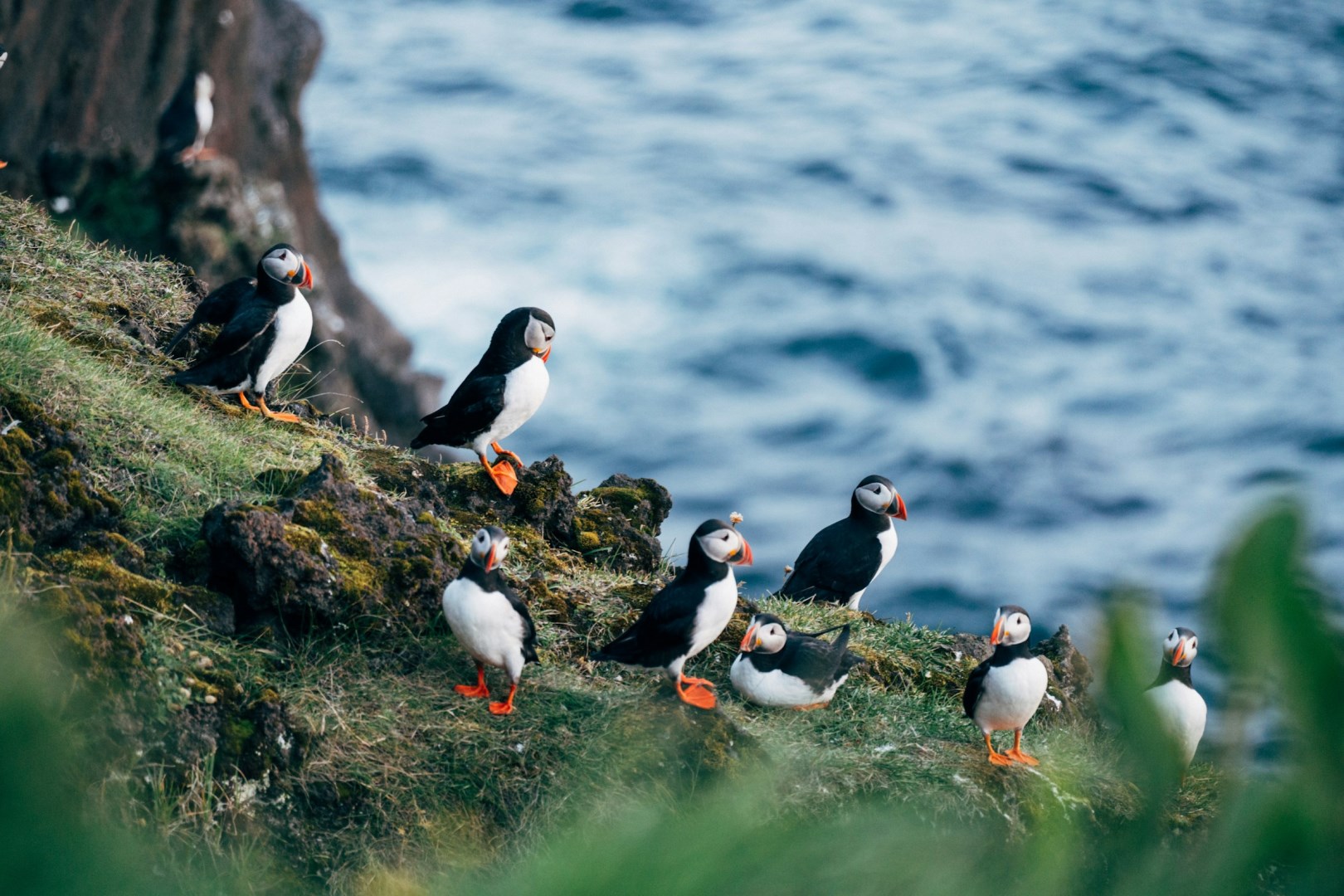
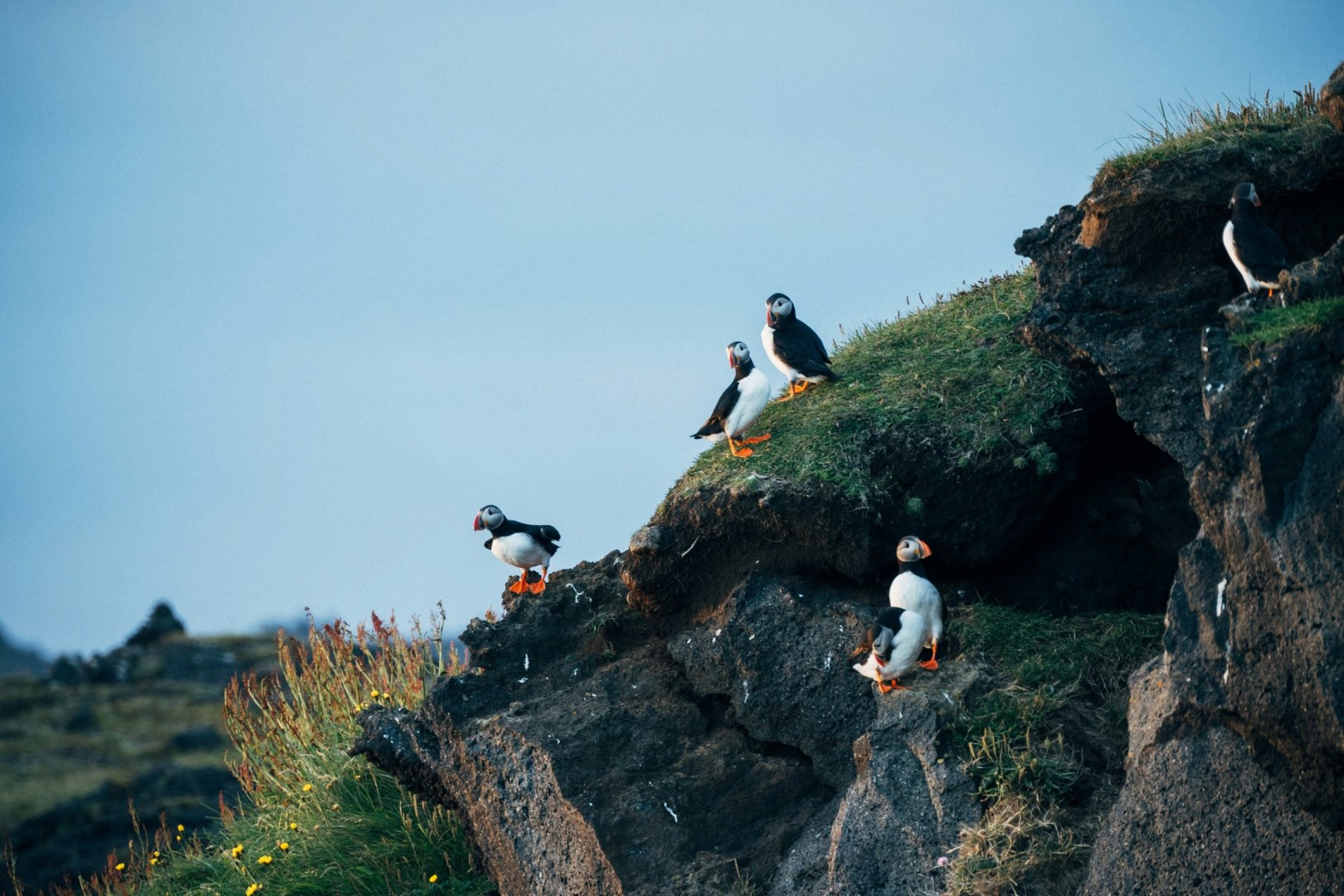
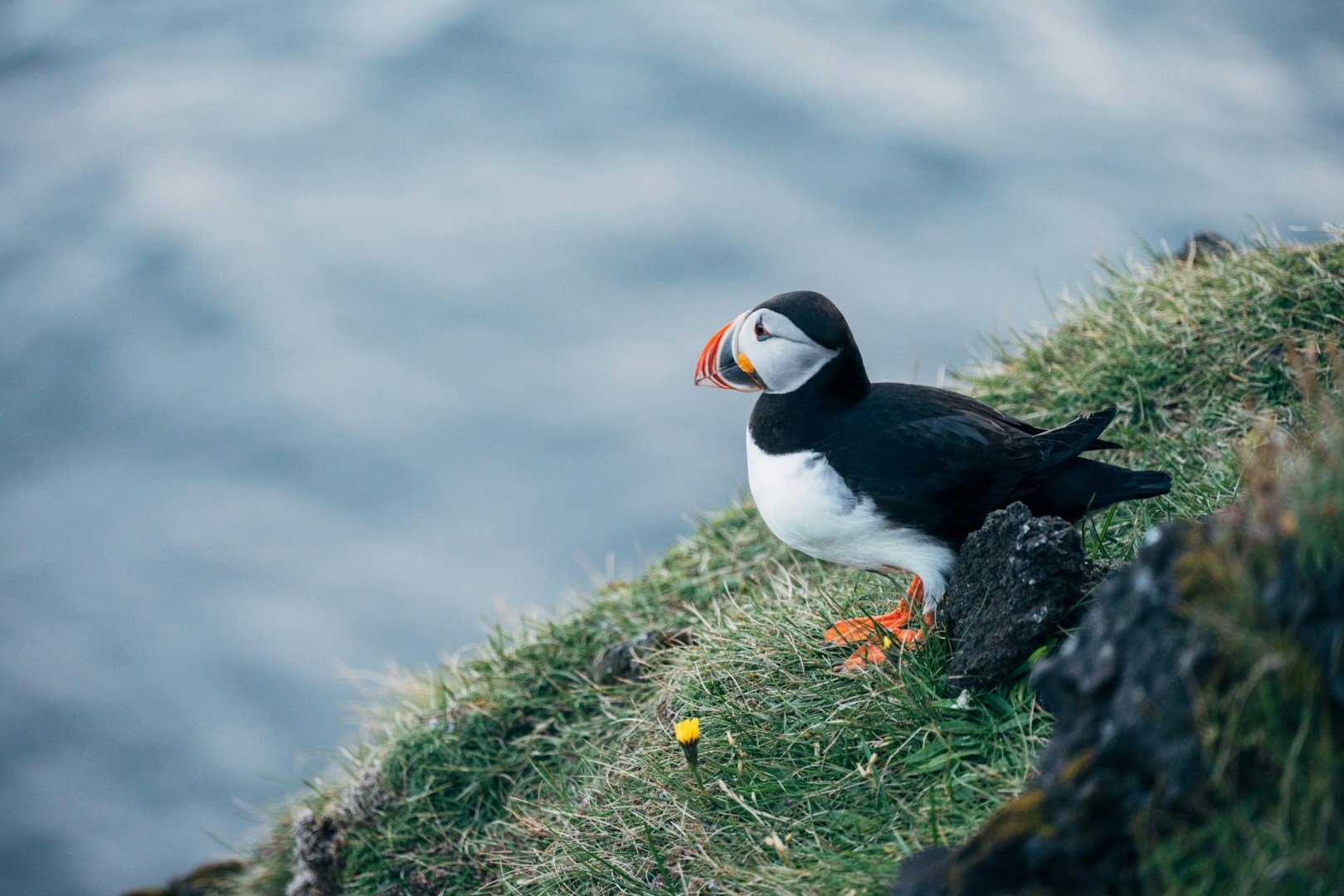
Nature enthusiasts will be enchanted by Heimaey’s rich birdlife, especially during the puffin nesting season. The island is one of the best places in Iceland to observe Atlantic Puffins, which flock to the cliffs from April to August (Icelandic Tourist Board). For a panoramic view of the island, hike up to Stórhöfði, one of Europe’s windiest places, which offers sweeping vistas of the volcanic terrain and the surrounding ocean.
Heimaey also boasts a charming town center with colorful houses and a vibrant local culture. The Westman Islands Museum provides insight into the local history and culture, including exhibits on the island's fishing heritage and the 1973 volcanic eruption (Westman Islands Museum). For a more relaxed experience, visit Skansinn, a historic fort that offers a glimpse into the island’s past and provides a picturesque spot for enjoying the sea views.
Fun Fact: Heimaey is home to the only golf course in Iceland that operates during the winter, thanks to the island's mild microclimate compared to the mainland. This makes it an attractive destination year-round for visitors looking to experience Iceland's unique natural environment.
From volcanic landscapes and puffin watching to rich cultural experiences, Heimaey offers an unforgettable glimpse into Iceland’s diverse and rugged beauty.