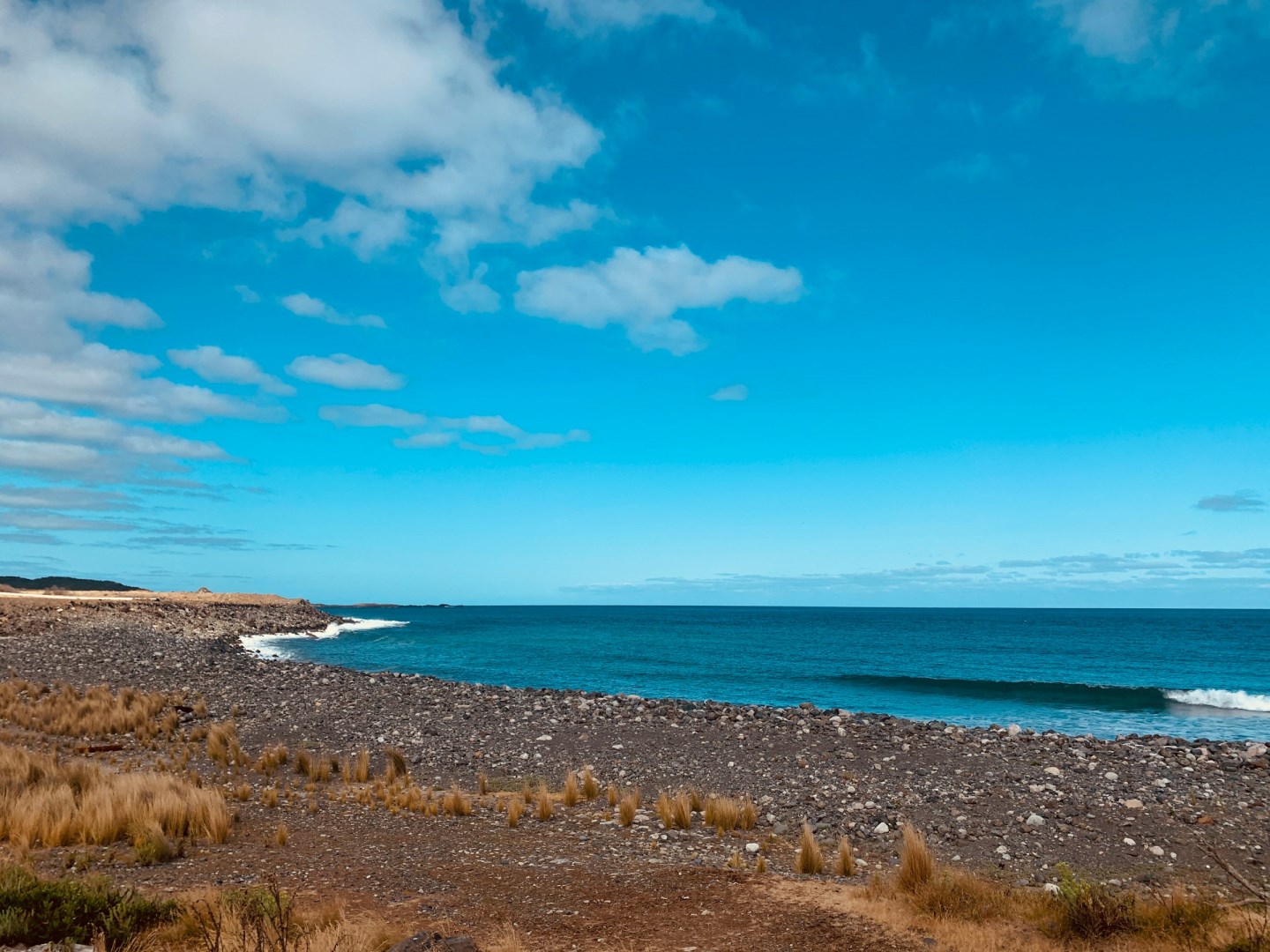
King Island was discovered in 1798, and was a preferred breeding area for sea elephants and seals. Around the island are many shipwrecks, caused by the rough seas of the Bass Strait.
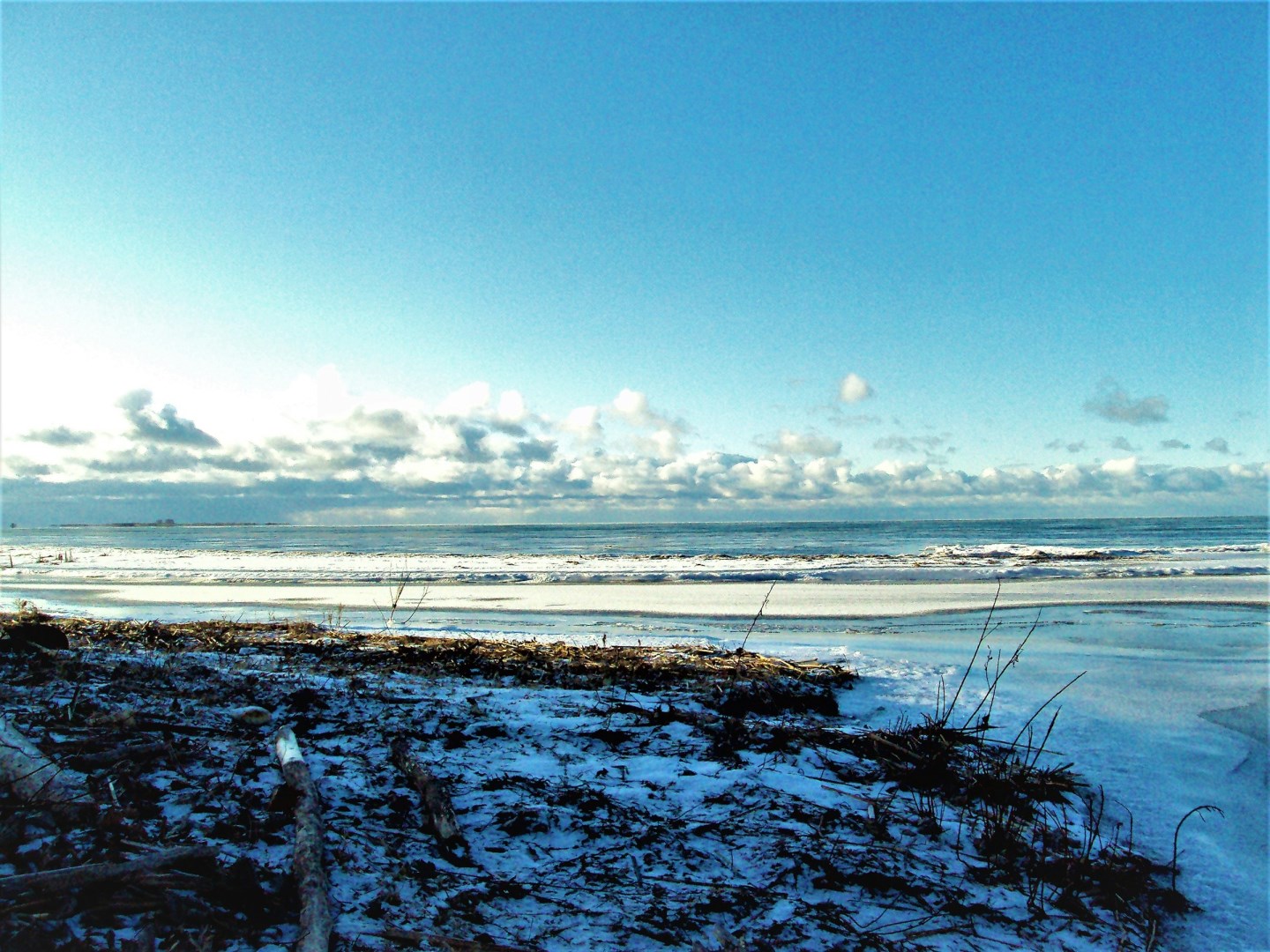
Bay City is a waterfront city in eastern Michigan, situated along the Saginaw River near its outlet into Saginaw Bay, one of the large bays of Lake Huron. Its location on the river helped establish the city as a center for lumber, shipbuilding, manufacturing, and commercial shipping.
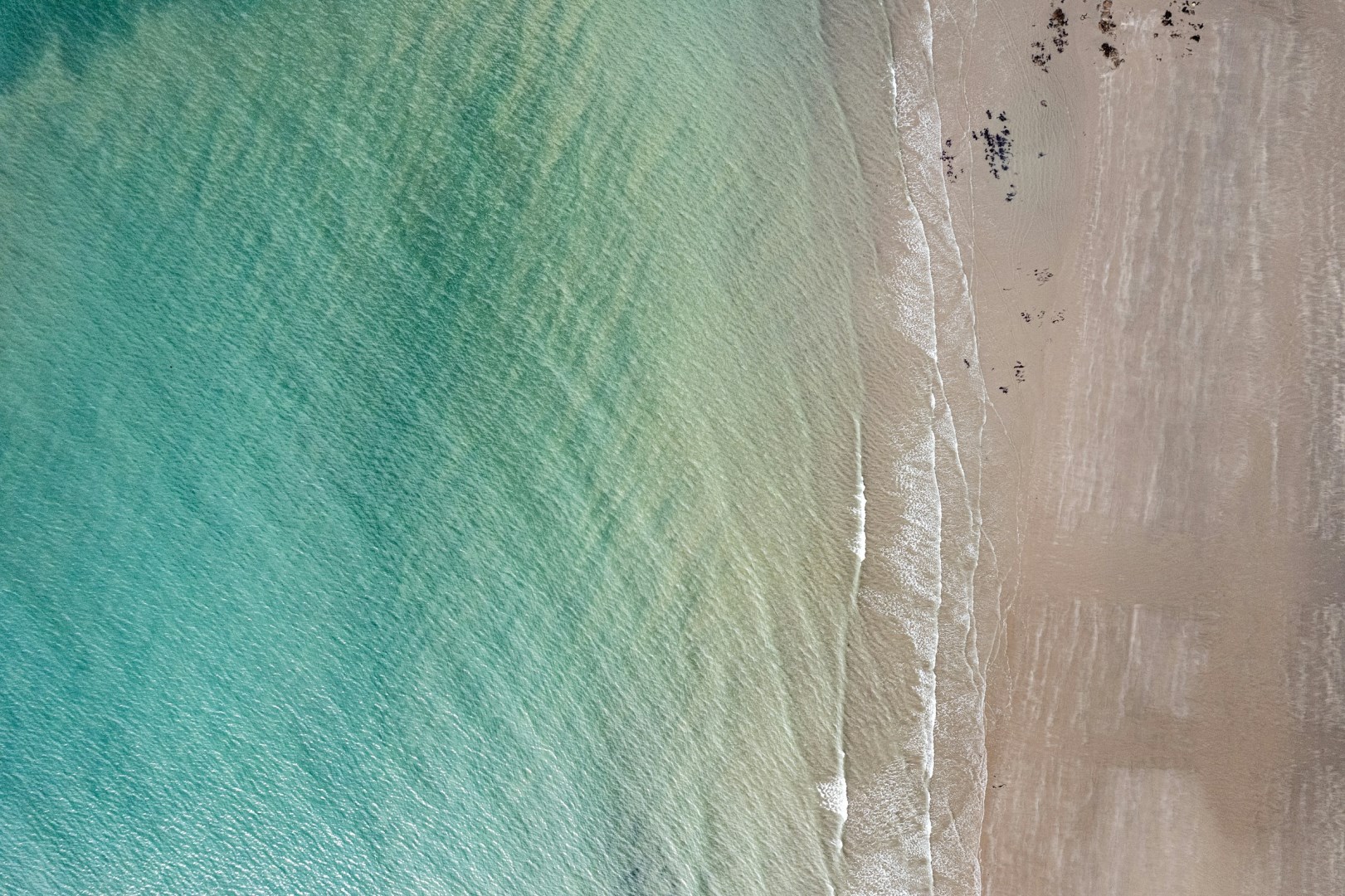
The Algarve, Portugal's southernmost region, is a treasure trove of stunning landscapes and rich cultural experiences. Renowned for its breathtaking coastline, the Algarve boasts dramatic cliffs, golden sandy beaches, and crystal-clear waters. The coastline is dotted with picturesque towns like Lagos and Albufeira, which offer a blend of vibrant nightlife and tranquil beaches. The iconic Ponta da Piedade near Lagos is a must-see, with its striking rock formations and secluded caves that can be e
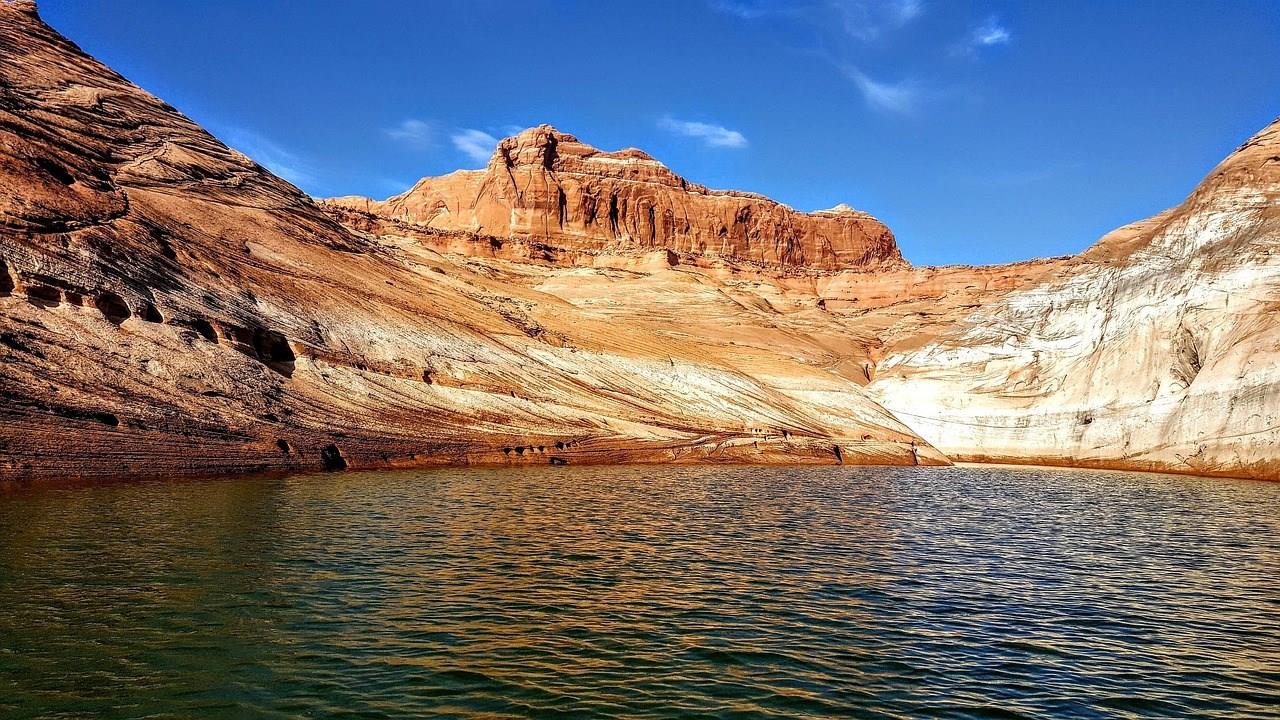
Lake Powell, stretching across the Utah-Arizona border, is one of the largest manmade reservoirs in the United States. Formed by the flooding of Glen Canyon after the completion of the Glen Canyon Dam in 1963, it covers over 180 miles in length and contains nearly 2,000 miles of shoreline, more than the entire West Coast of the U.S. Despite its modern origins, the area has long been home to the Ancestral Puebloans and later Navajo communities.
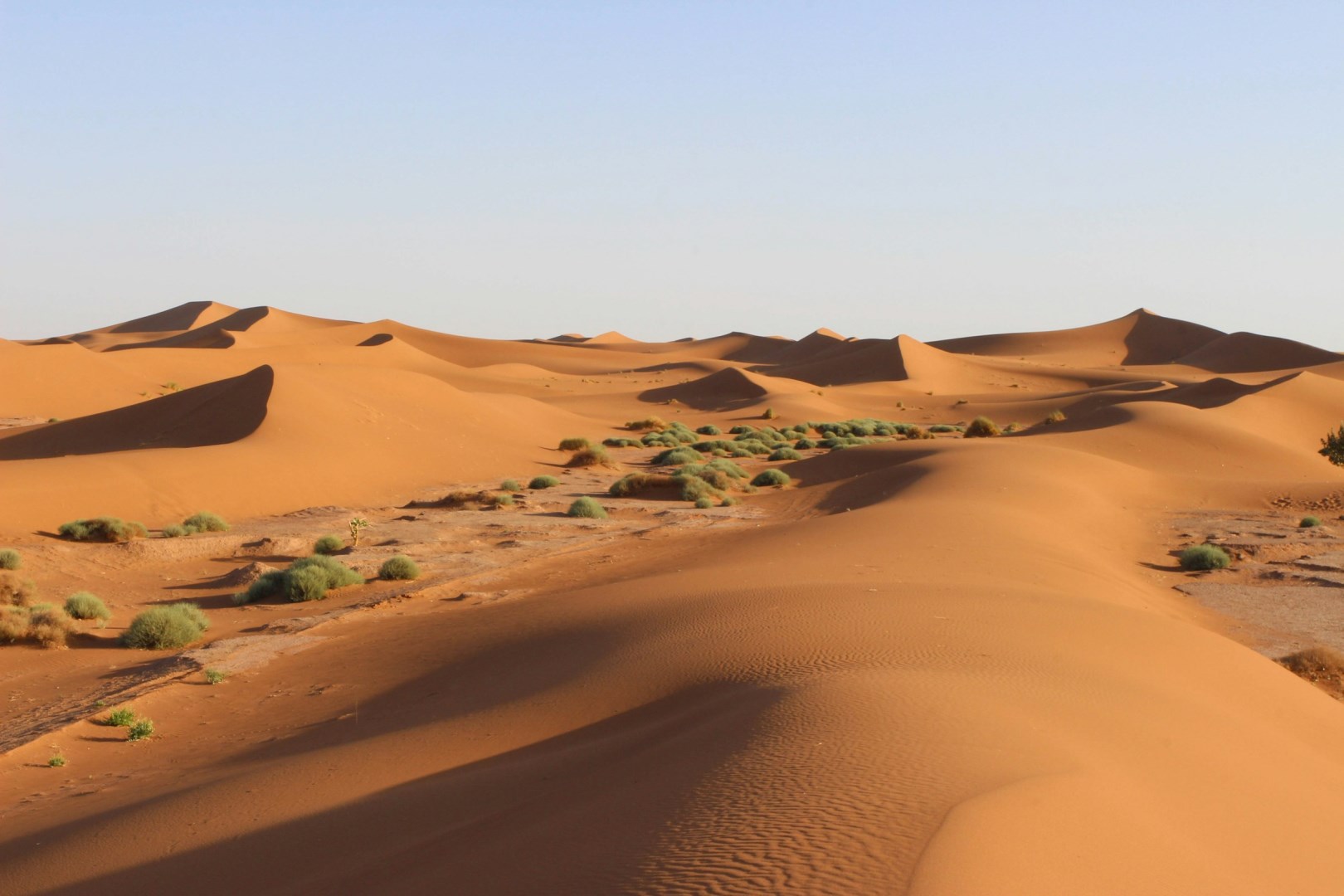
Erg Chigaga is a remote field of large sand dunes in southeastern Morocco, extending across the Sahara near M'Hamid El Ghizlane in the Drâa Valley. It is one of the country’s largest dune areas, with sand ridges spread across a broad desert landscape far from major settlements. Some dunes rise to around 60 metres, while the surrounding terrain alternates between sand, gravel plains, and dry desert vegetation.
Photo Credit: Photo by Valerio Gentile on Unsplash
Photo Credit: Photo by Rob Conger on Unsplash
Photo Credit: Photo by Darko M. on Unsplash
Photo Credit: Photo by Daniel Andrews on Unsplash
Photo Credit: Photo by Bernd 📷 Dittrich on Unsplash
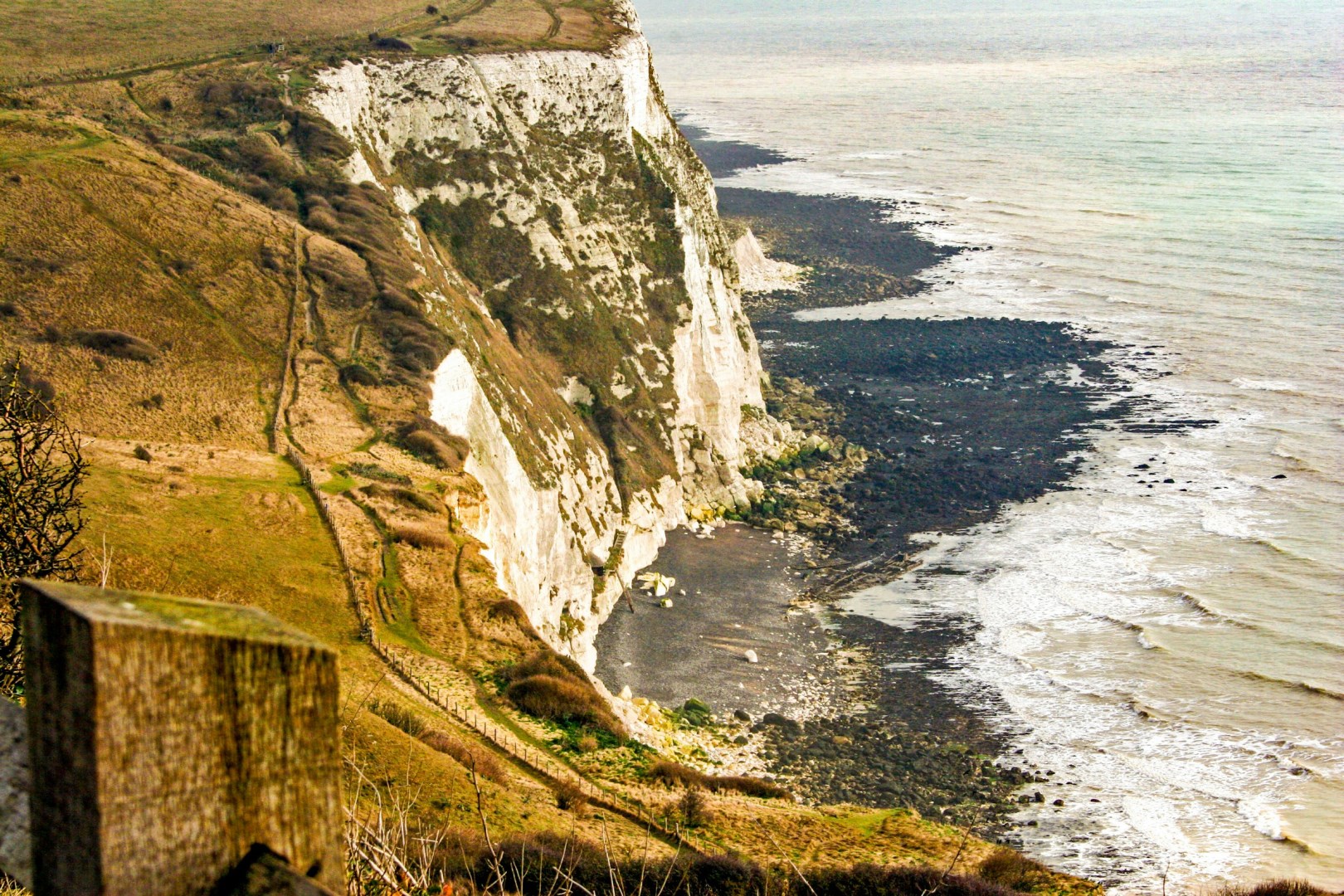
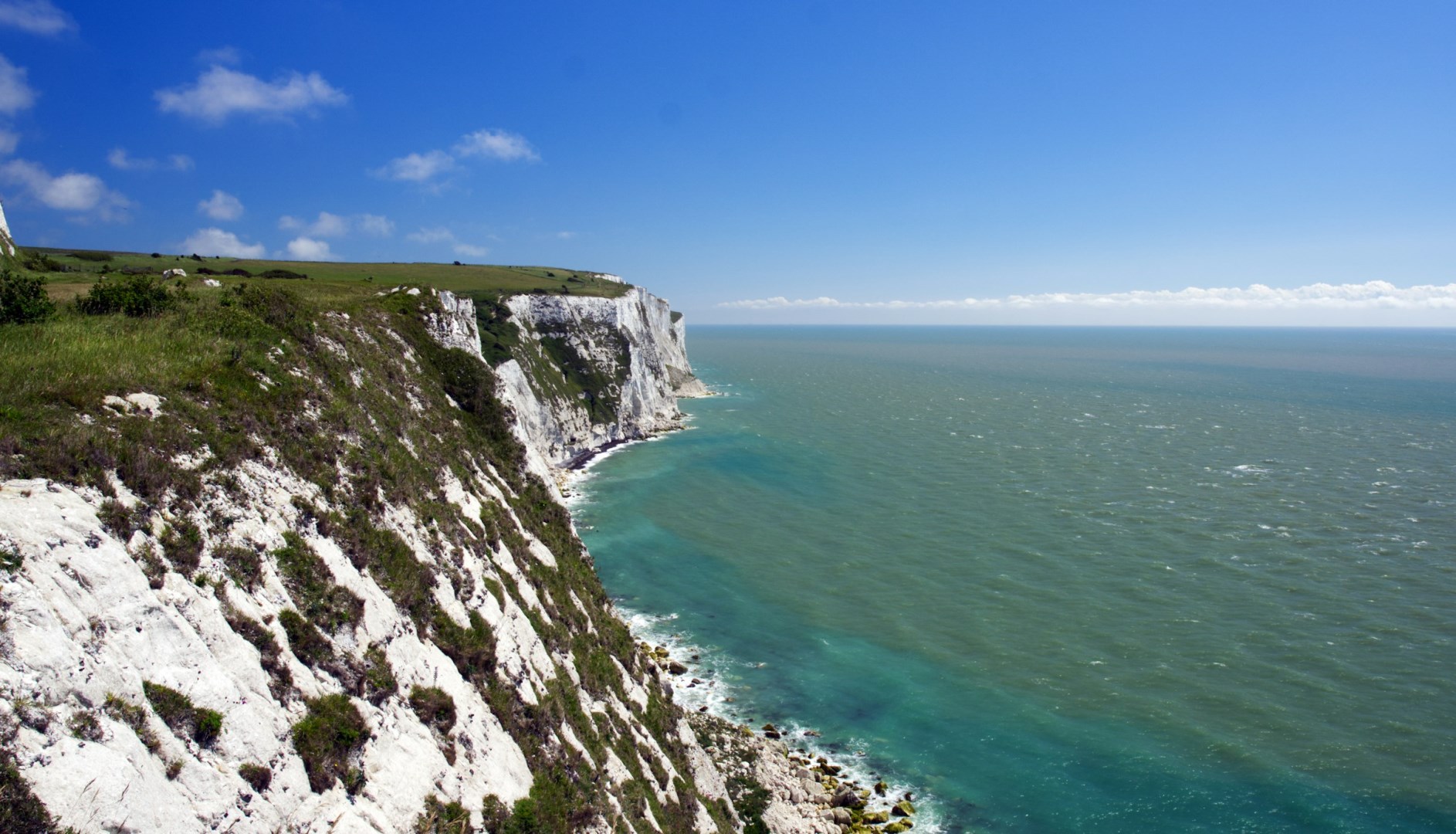
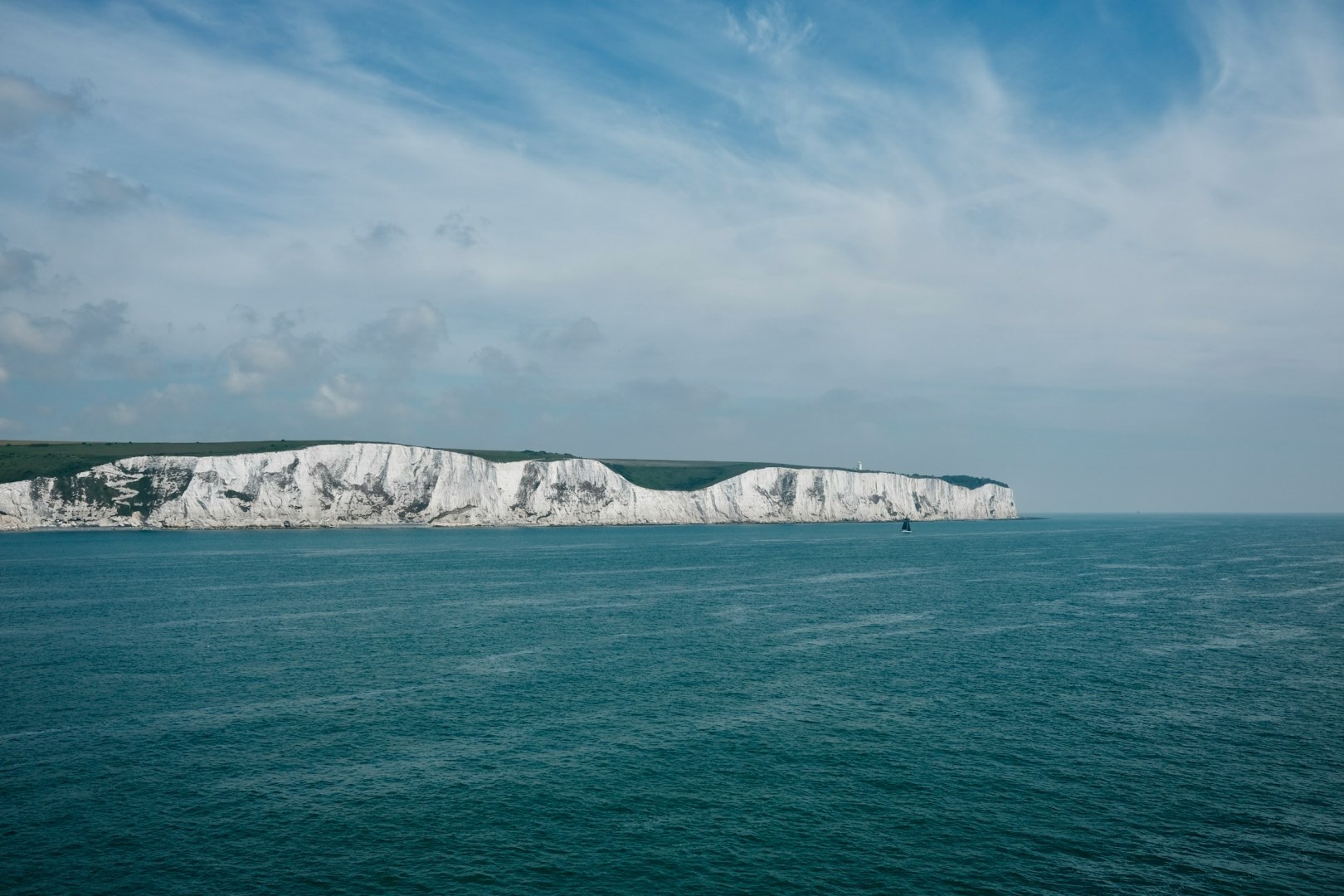
The historic city of Dover, nestled on the southern coast of England, is a captivating destination known for its iconic White Cliffs and strategic maritime heritage. Overlooking the Strait of Dover, these towering chalk cliffs offer breathtaking views across to France and serve as a symbol of Britain's resilience. A visit to the cliffs is a must, with picturesque walking paths and scenic viewpoints that showcase one of the most famous natural landmarks in the UK.
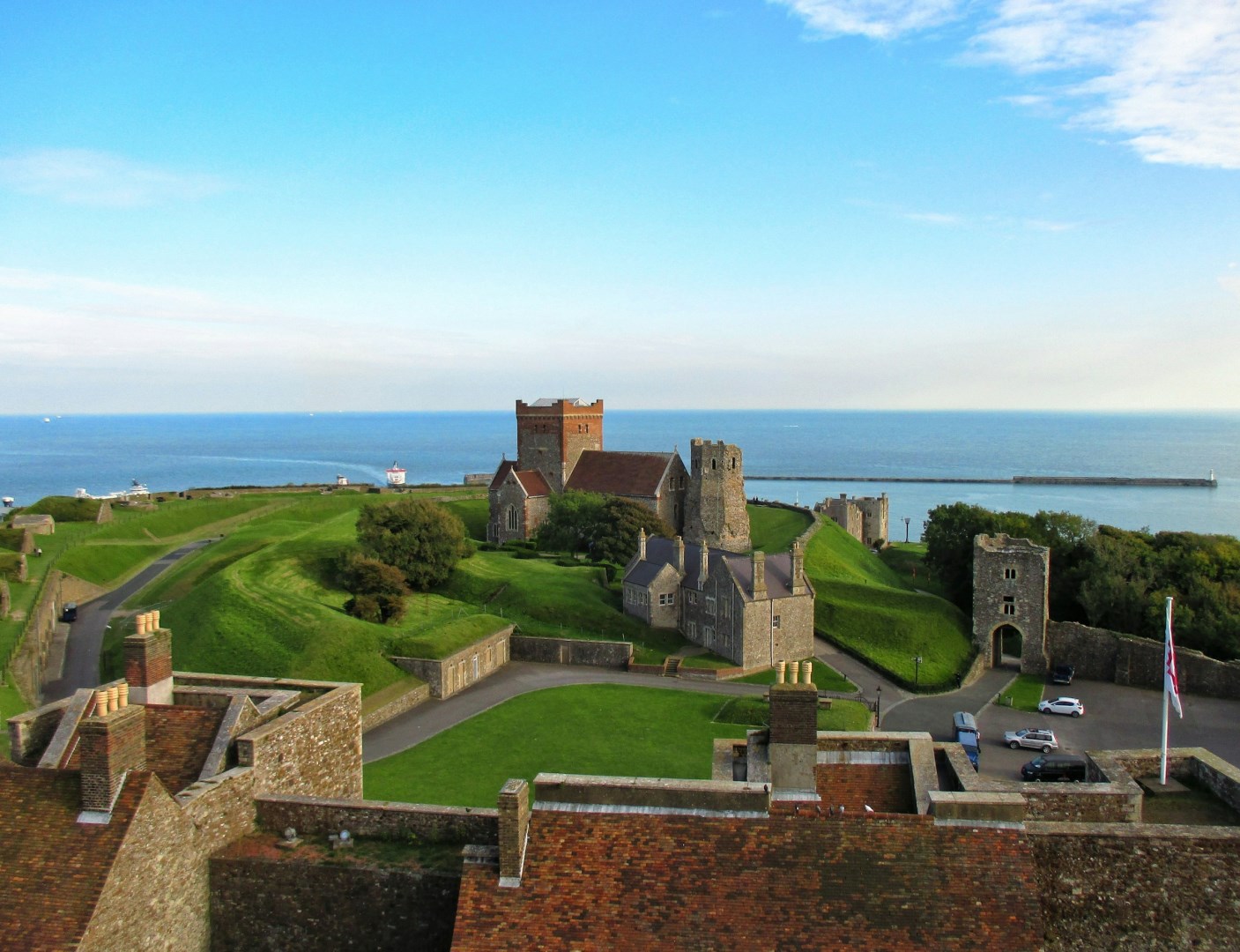
Dover's rich history is equally impressive. The Dover Castle, an imposing fortress dating back to the 11th century, stands sentinel over the city and offers a fascinating glimpse into England’s military past. Explore the castle’s medieval interiors, underground wartime tunnels, and sweeping views from the battlements. The castle has played a pivotal role in British history, including its strategic importance during World War II (English Heritage - Dover Castle).
Stroll through Dover’s charming town center to discover its maritime legacy. The Dover Museum, located near the harbor, features exhibits on the city’s seafaring history, including the famous Dover Bronze Age Boat, one of the oldest known seagoing vessels in the world. Nearby, the bustling Dover Marina offers a vibrant mix of shops, restaurants, and coastal walks perfect for a relaxing day out.
Fun Fact: Dover’s cliffs have been a beacon of hope and guidance for seafarers for centuries. The famous phrase “The white cliffs of Dover” has inspired numerous songs and literary works, symbolizing the welcoming sight of England for those crossing the Channel.
Other Popular Destinations in England
London
London is among the world's most visited cities, with countless attractions and a history stretching back two millennia. Visitors will discover historic iconic structures like Westminster Abbey, Big Ben, and Tower Bridge, as well as recent marvels such as London Eye, a giant observation wheel that offers breathtaking views of the whole city.
York
York, England, is a city where over 2,000 years of history comes to life. Originally founded by the Romans in 71 AD as Eboracum, York has witnessed the rise and fall of empires, from the Vikings to the Normans. Today, the city retains its medieval charm, with its historic York Minster, one of the largest Gothic cathedrals in Northern Europe, standing proudly as its centerpiece.