Khasab
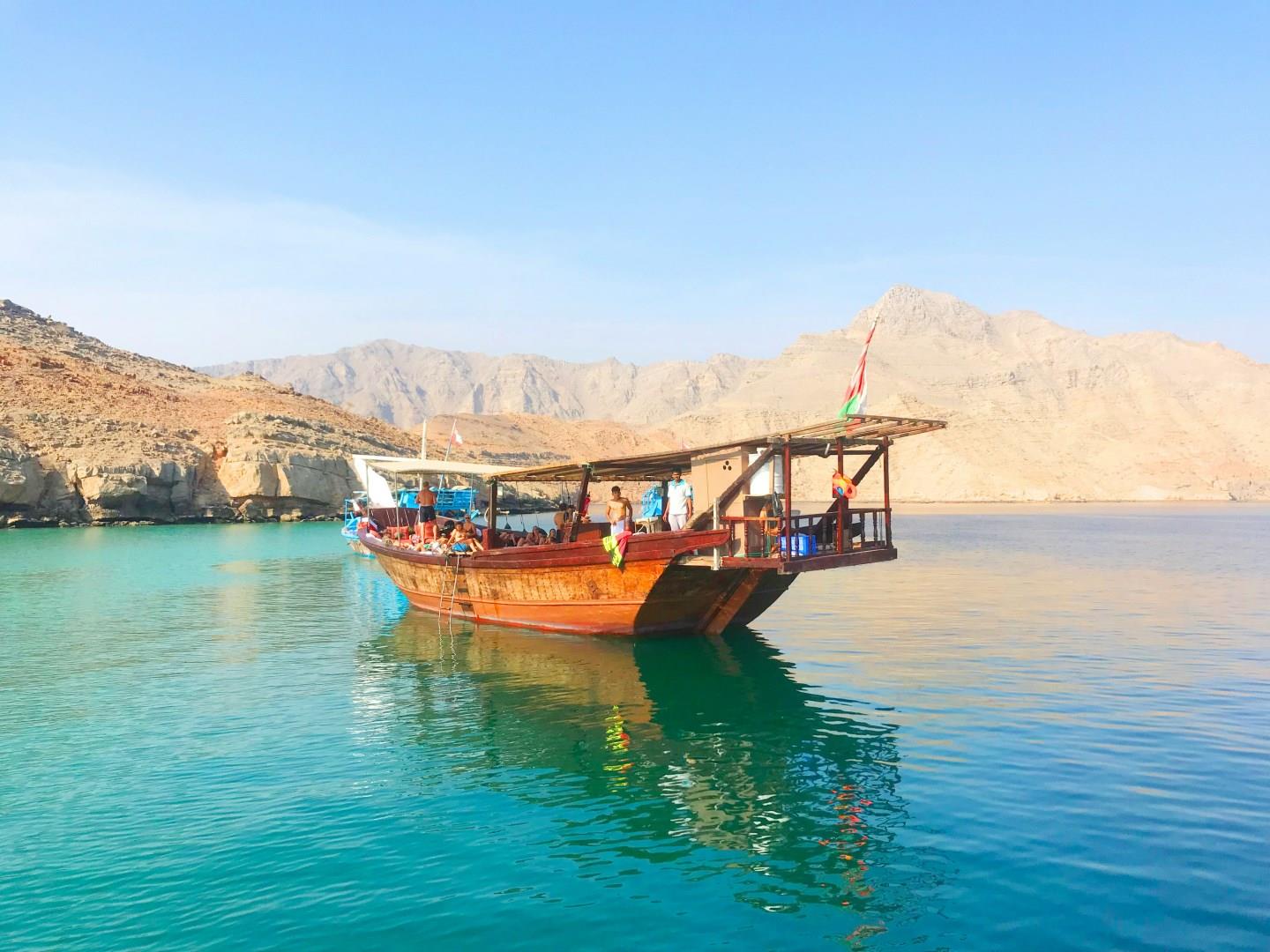
Khasab stands at the edge of Oman’s Musandam Peninsula, where rocky inlets carve into the land like desert fjords and earning it the nickname "Norway of Arabia." A short dhow ride uncovers soaring cliffs and narrow waterways, often mirrored by pods of dolphins gliding beside the wooden vessel. These traditional dhows, used for centuries by traders, now carry visitors into those coastal arms for snorkeling, swimming, and quiet reflection.

Cape Town
Cape Town, located at the southern tip of South Africa, is one of the world’s most striking coastal cities. Towering over it is Table Mountain, a flat-topped landmark that can be reached by cable car or on foot, offering sweeping views of the city, ocean, and beyond.
Phaselis
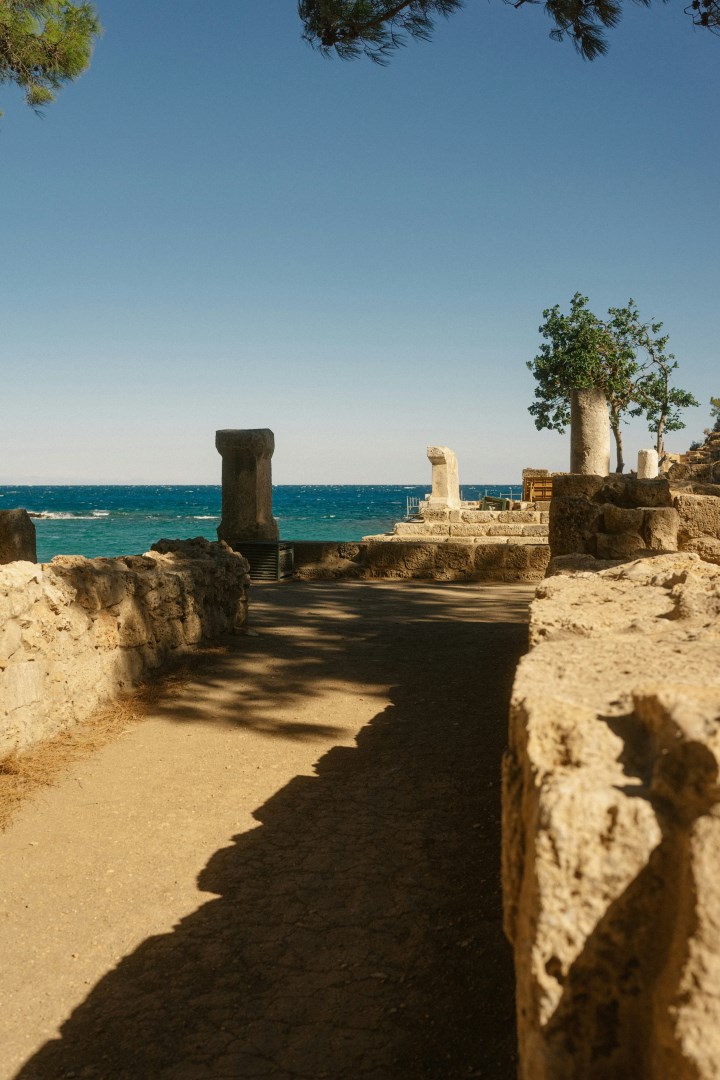
Set along the turquoise coast of southern Turkey, Phaselis offers a rare combination of ancient ruins and quiet bays framed by pine forests. Located within the borders of Antalya Province, this former port city stretches across a narrow peninsula where the sea meets low hills. Visitors arrive to find three natural harbors, each with clear water and gentle shores, creating inviting spots for swimming just steps from centuries-old stone structures.

Aswān
Nestled along the tranquil banks of the Nile River, Aswan, Egypt, is a city where ancient history and natural beauty converge in an enchanting landscape. Often referred to as the gateway to Nubia, Aswan is a haven for those seeking to explore Egypt's rich heritage while basking in a serene, almost mystical atmosphere. The city's ancient roots are palpable as you stroll through its vibrant streets, where the echoes of Pharaonic, Roman, and Islamic eras linger in every corner.
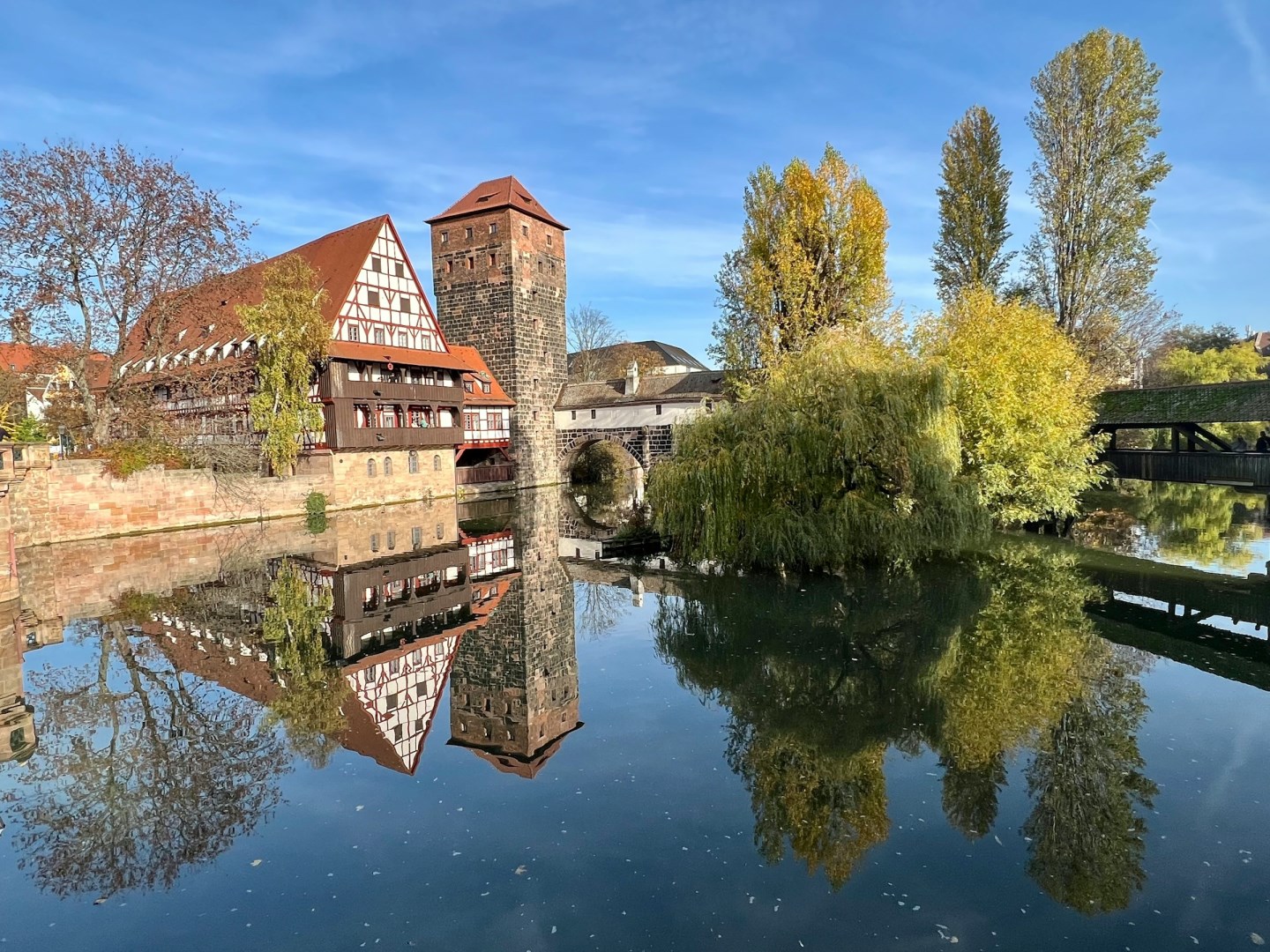
Nurnberg
Nürnberg (Nuremberg), located in the heart of Bavaria, Germany, is a city rich in history, culture, and architectural charm. Known for its medieval old town, Nürnberg boasts cobbled streets, half-timbered houses, and the imposing Nuremberg Castle, which overlooks the city and offers panoramic views.