Ullapool
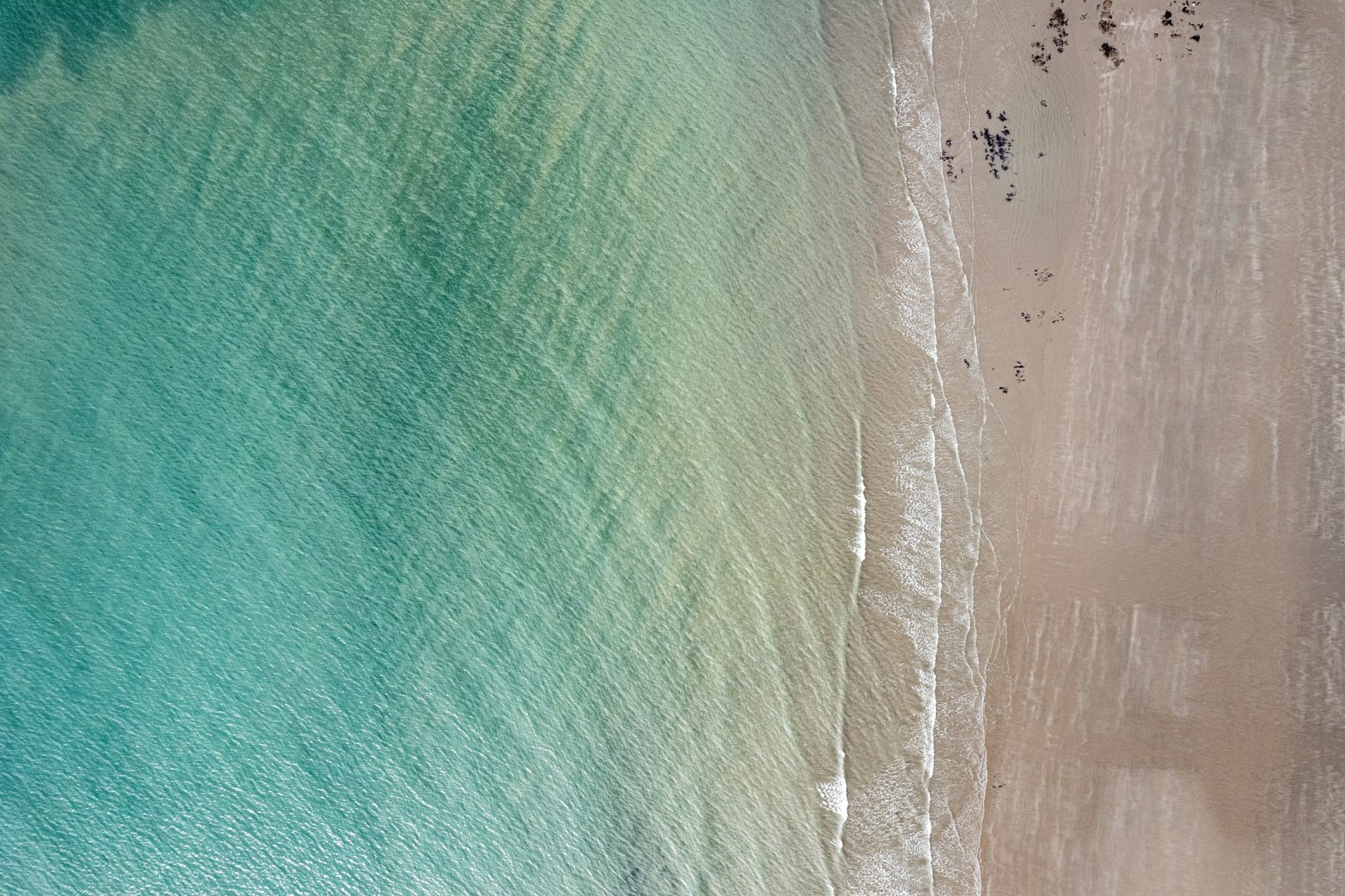
Ullapool is a village in the Scottish Highlands about 65 miles north-west of Inverness. Ullapool is known for the progressive, ecologically sound practices of its inhabitants and is the center for the Highland Environment Centre; a project of the Highland Eco Trust.
Ganvie
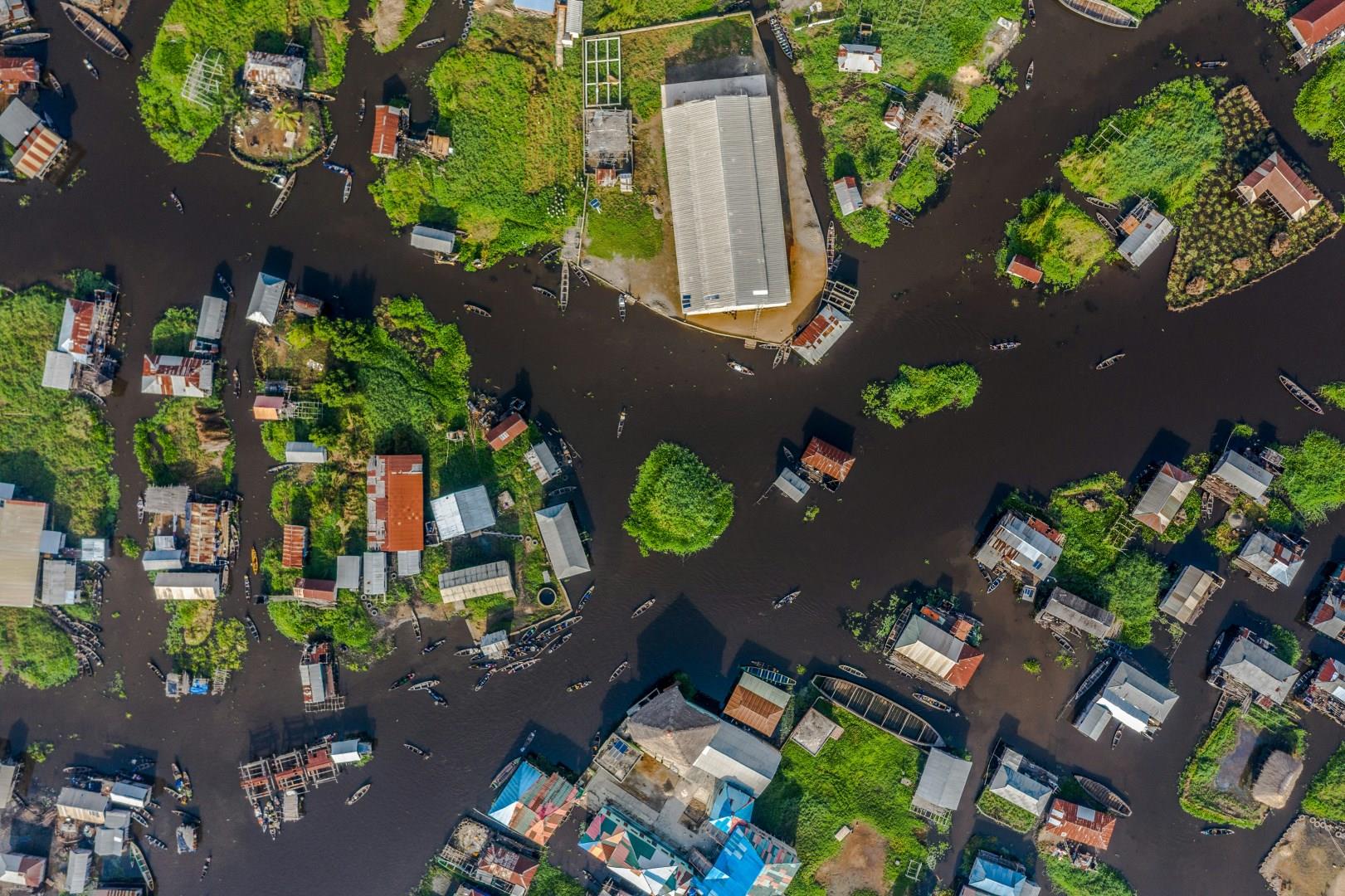
Ganvie, often called the "Venice of Africa," is a lake village located in the heart of Lake Nokoué in southern Benin. What makes Ganvie extraordinary is that the entire village sits on stilts above the water, with wooden homes, floating markets, and schools accessible only by boat. Visitors can glide through narrow canals in pirogues, experiencing firsthand a way of life shaped entirely by water.
Rimouski
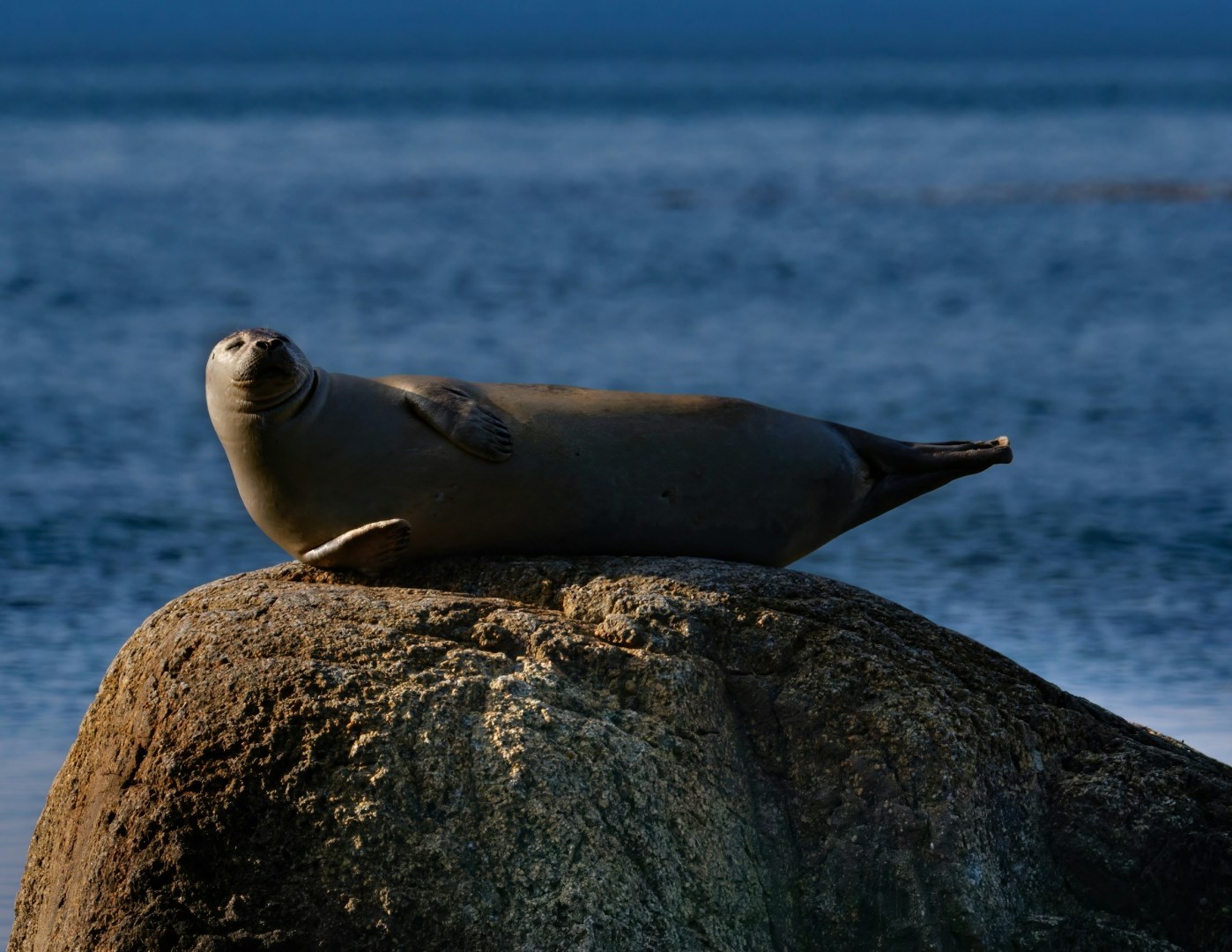
Rimouski is a regional centre on the south shore of the St. Lawrence River in Quebec's Bas-Saint-Laurent region. The city stretches along the river from the Le Bic district to Pointe-au-Père, combining an urban centre with rural landscapes, coastal areas, and forested hills. Its location gives Rimouski a strong maritime character, while nearby parks and waterways provide access to a varied natural environment.
Jordan River
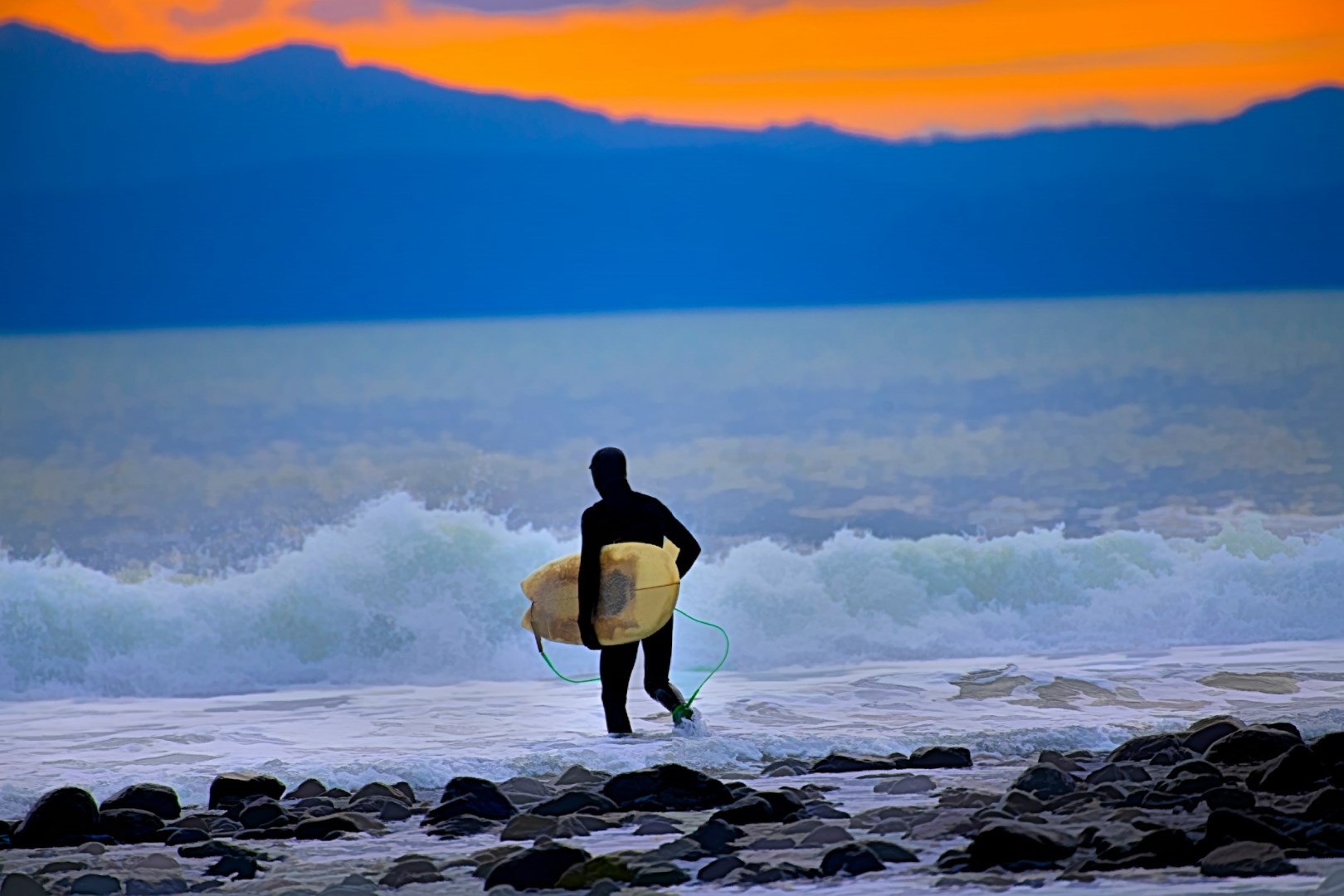
Jordan River is a small coastal community on the southwestern coast of Vancouver Island, British Columbia, where the Jordan River reaches the Strait of Juan de Fuca. Dense coniferous forest surrounds the settlement, while rocky beaches and exposed coastline face the open waters of the strait.
Phong Nha - Ke Bang National Park
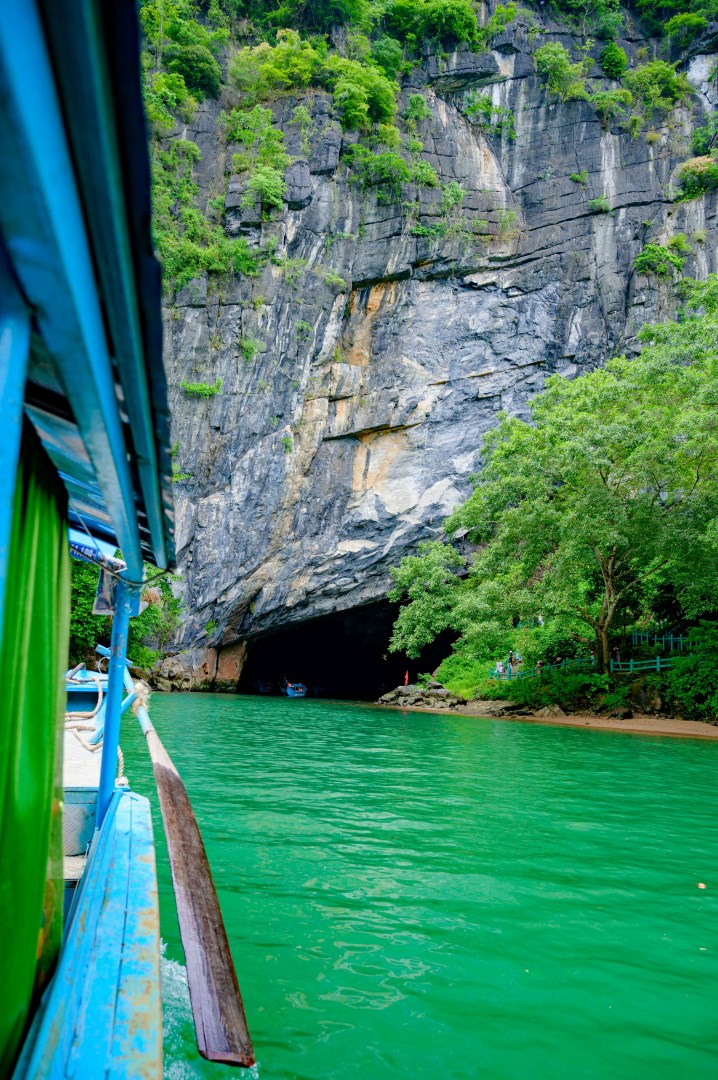
Kẻ Bàng National Park lies in central Vietnam, near the border with Laos, and is known for its vast network of limestone mountains and underground rivers. The park forms part of one of the oldest karst landscapes in Asia, shaped over millions of years into a maze of caves, cliffs, and dense forest. Among its most famous features is Sơn Đoòng Cave, recognized as the largest cave on Earth, with sections so vast that clouds can form inside and a jungle grows beneath its collapsed roof.