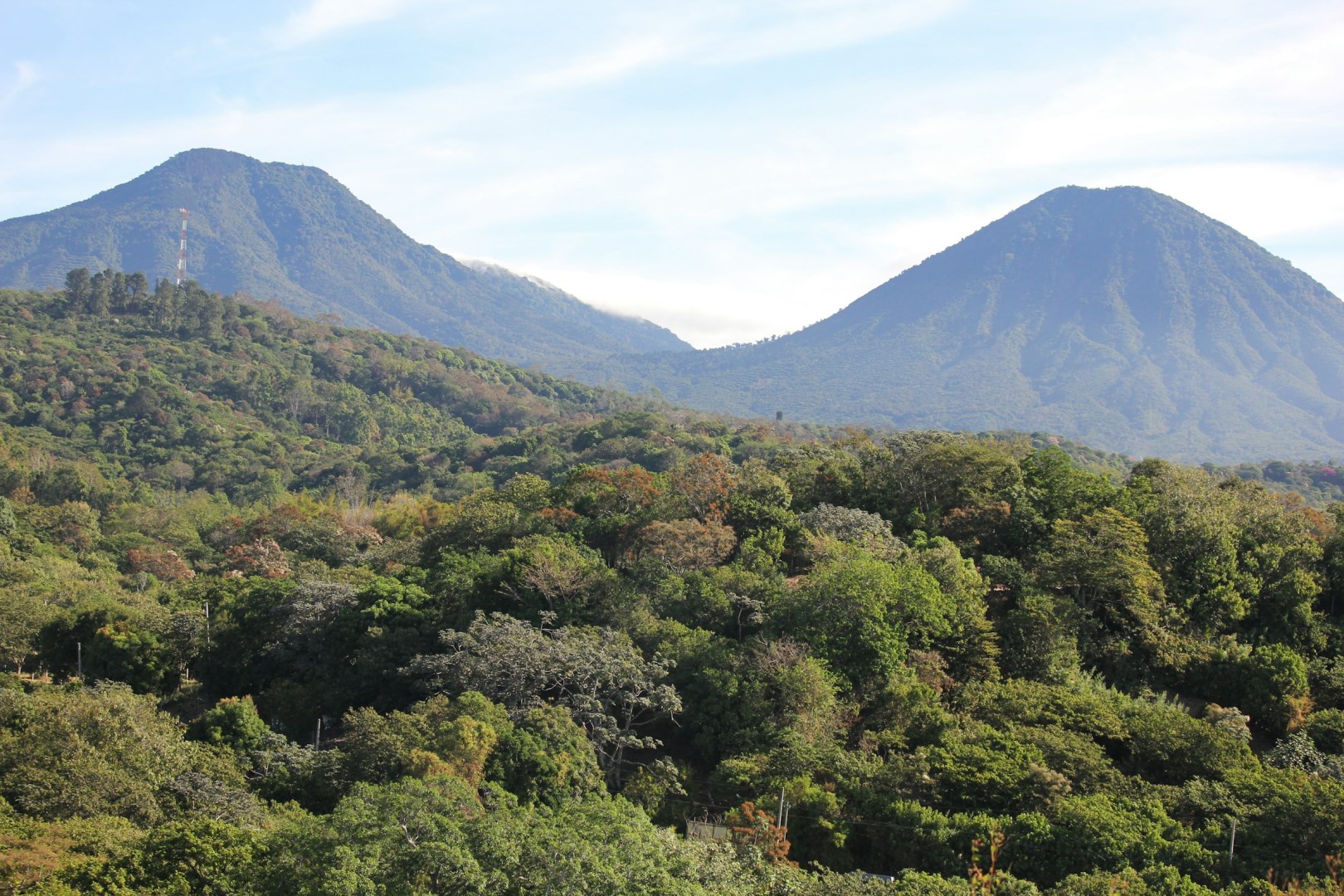
Concepción de Ataco
Concepción de Ataco is a mountain town in western El Salvador, located in the department of Ahuachapán along the Ruta de las Flores. At about 1,260 meters above sea level, it sits among forested hills and coffee plantations, giving the area a cooler climate than the country's lowlands. The town is known for cobblestone streets, colorful murals, traditional buildings, craft workshops, and small cafés.
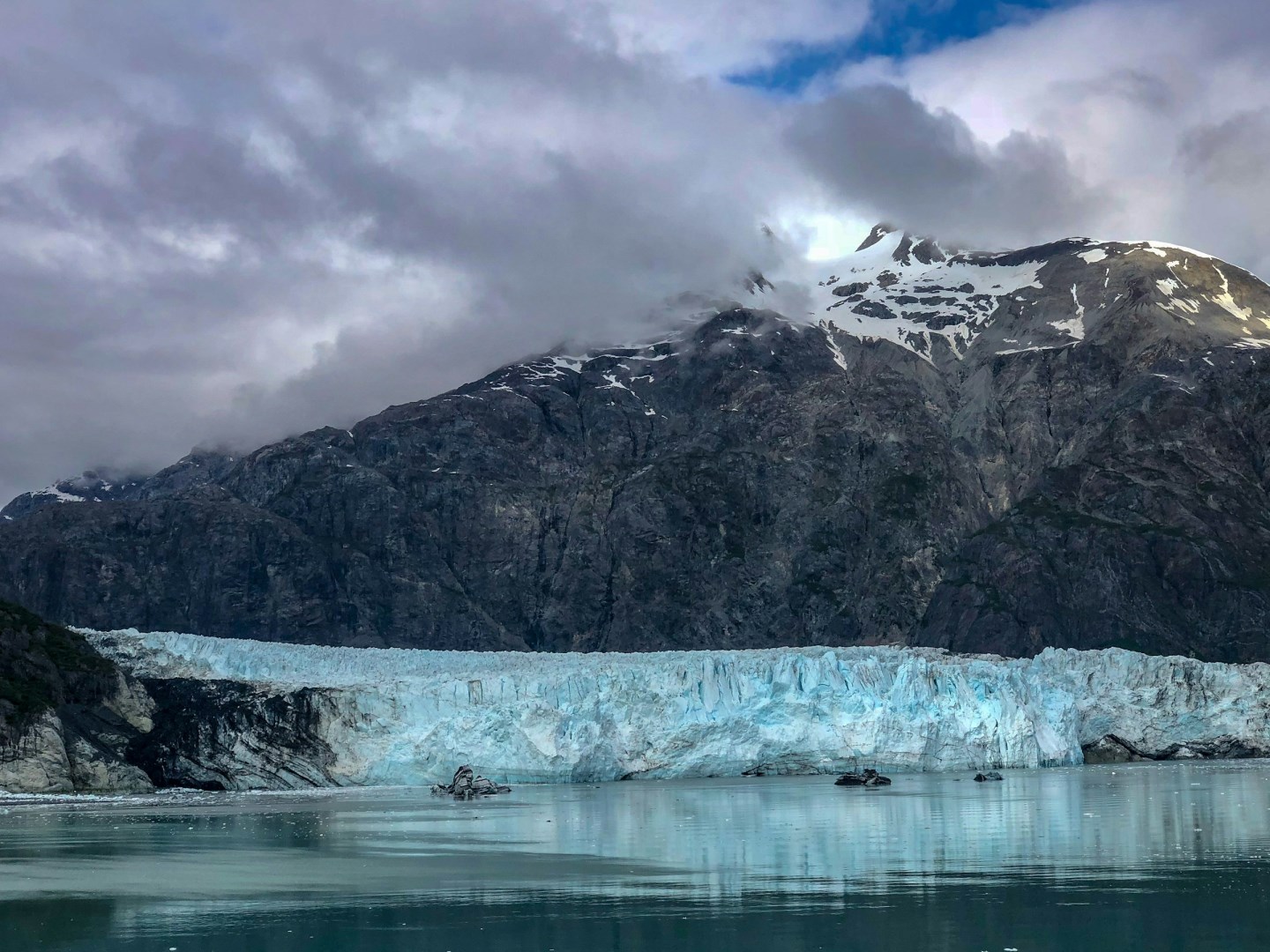
Gustavus
Located in Glacier Bay, Alaska, Gustavus is the only town in this beautiful Wilderness Area.Several lodges are located in the area.
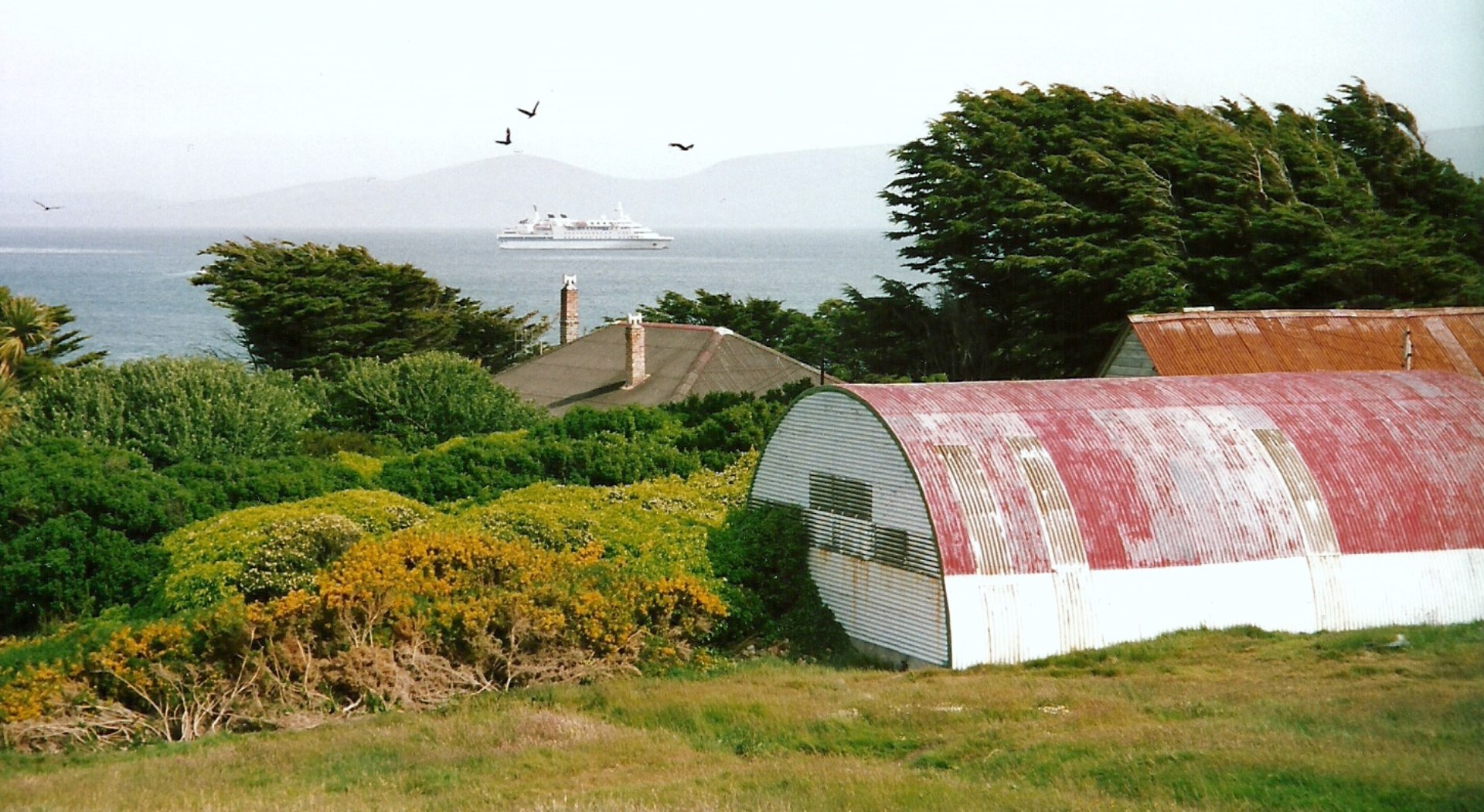
Carcass Island
Adjoining the idyllic farm of the McGill family are miles of beaches, tussock grass, and wildflower meadows, the nesting grounds of hundreds of Magellanic and gentoo penguins, upland and kelp geese, crested and flightless steamer ducks, tussock birds, and night herons. After viewing the birds, take a spot of tea in Mrs. McGill's kitchen.
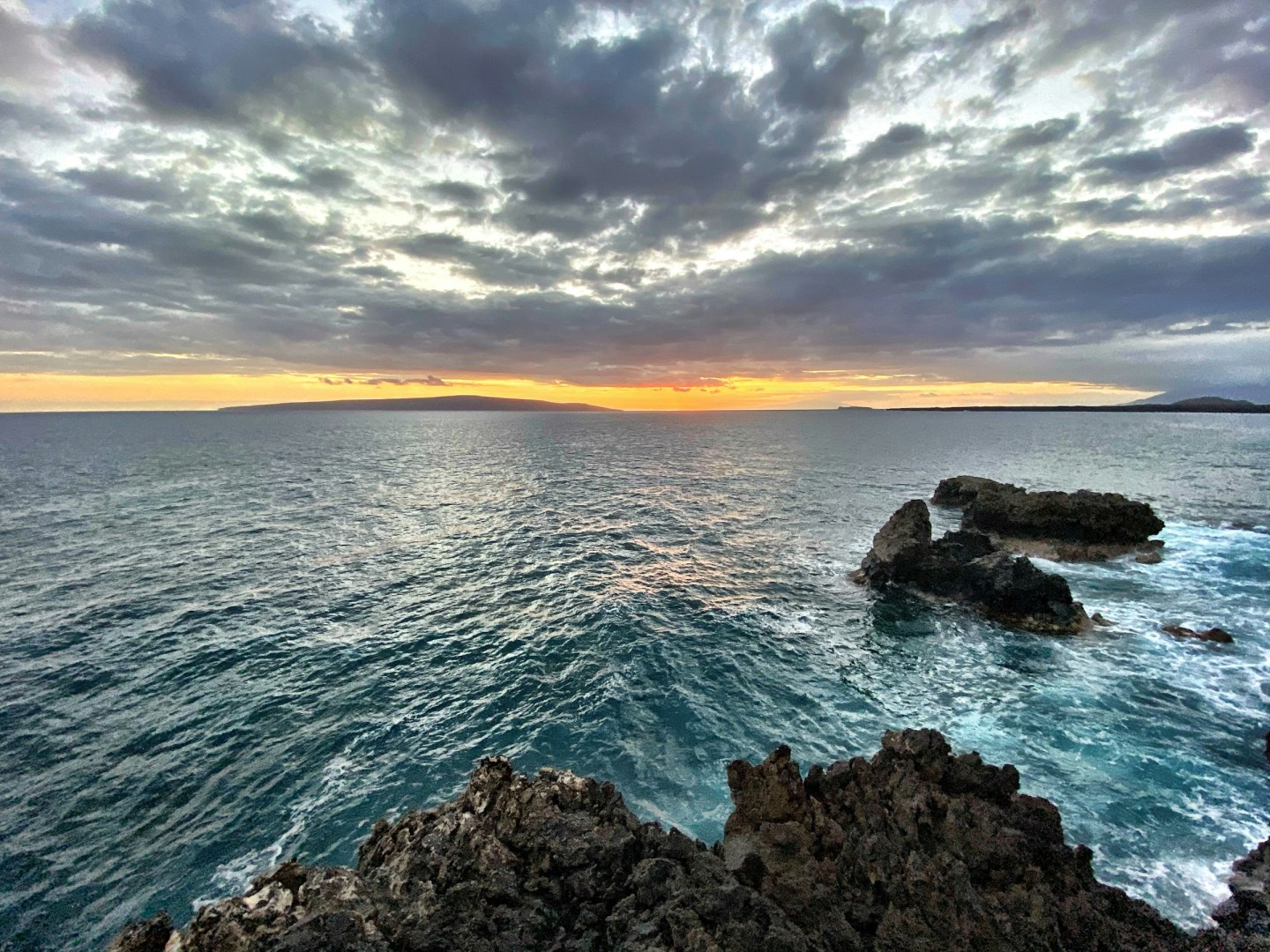
Makena, Maui
The Makena area has one of the most beautiful shorelines in South Maui, it is also home to a world class golf course and some of the major resorts on Maui. Makena is also adjacent to one of the more remote areas of Maui, the La Perouse Bay are, the end of the road for the South side.

Savona
There's more than meets the eye in Savona, a Northwest Italy port city many cruise ship passengers are lucky enough to find themselves in. The giant Fortezza del Priamàr looms over the water, providing a unique welcome. Be sure to stroll through the city's genteel, impressive medieval center, visit the beautiful Savona Cathedral and see marvelous artistic works from centuries past at the Ceramics Museum.