Córdoba
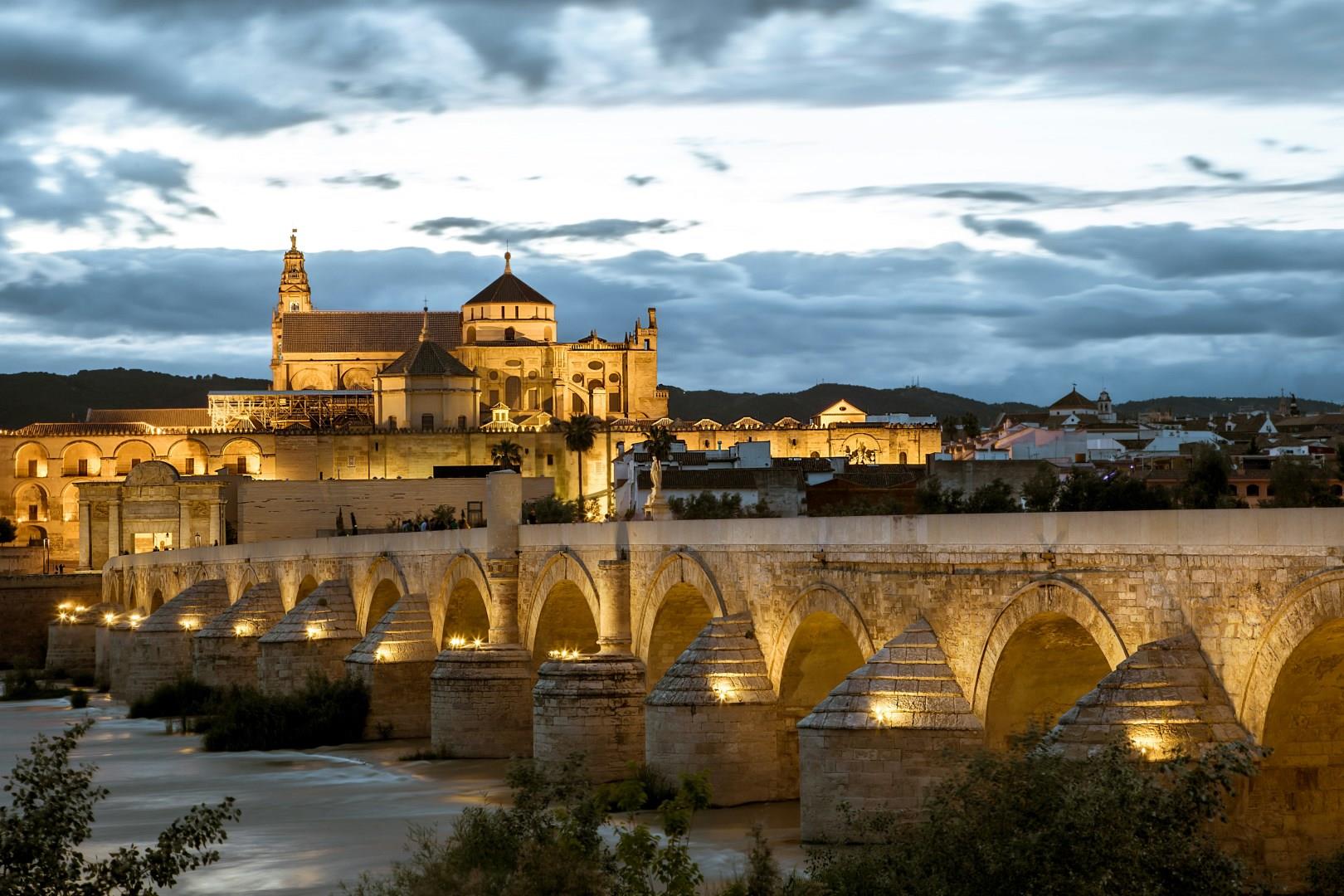
Córdoba, located in the heart of Andalusia, was once the most advanced city in Western Europe. During the 10th century, it served as the capital of Al-Andalus and was a center for learning, science, and art. Today, visitors walk the same streets that philosophers, poets, and physicians once crossed. The city’s most famous landmark, the Mezquita-Catedral, reflects its layered past. The red and white horseshoe arches inside are one of the most photographed interiors in Spain.
Tabuk
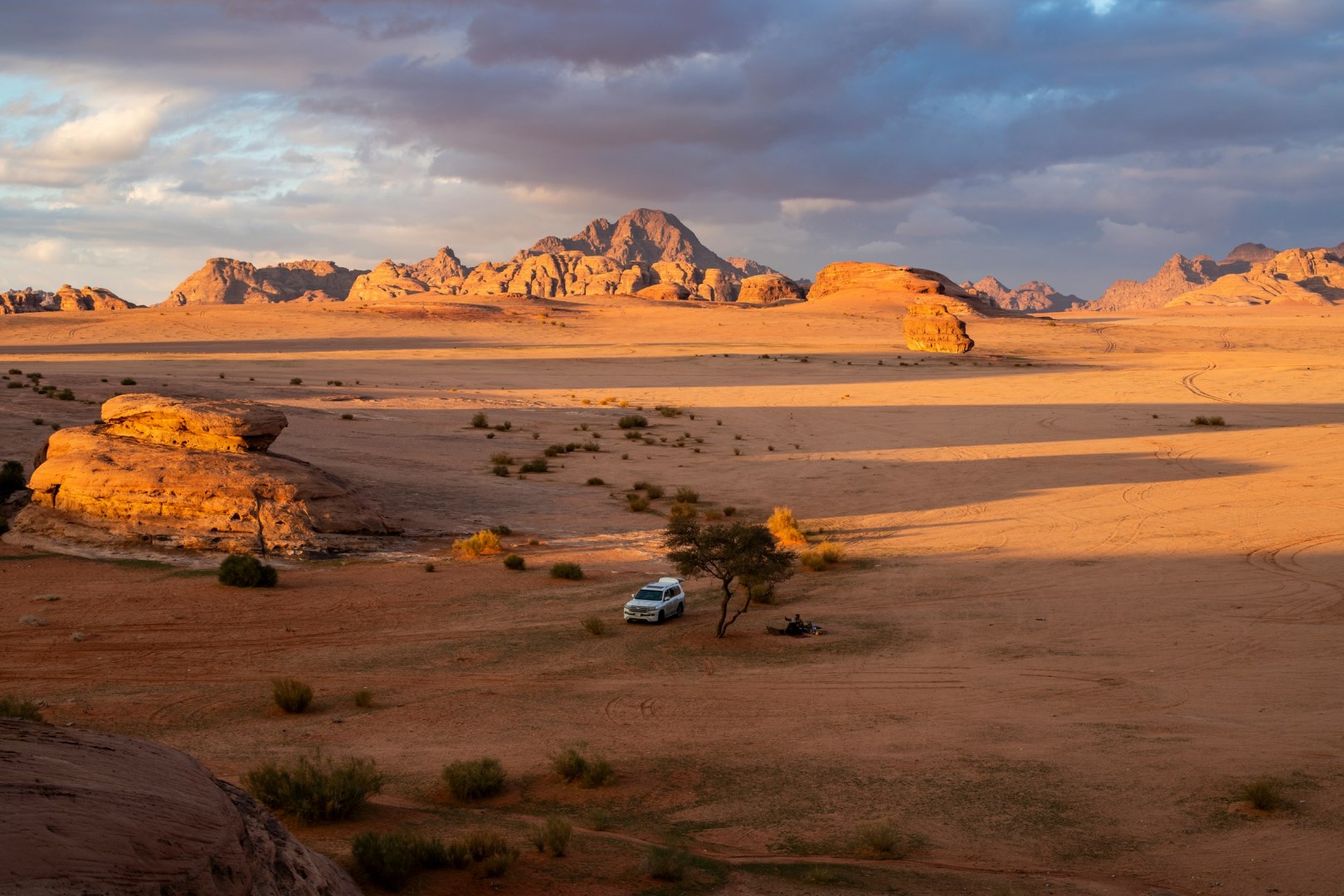
Tabuk is a city in northwestern Saudi Arabia and the capital of Tabuk Province, positioned between the Hejaz Mountains and the desert landscapes of the north. The city developed around an oasis and remains an important agricultural center, with palm groves and cultivated areas contrasting with the surrounding dry terrain.
Cotopaxi National Park
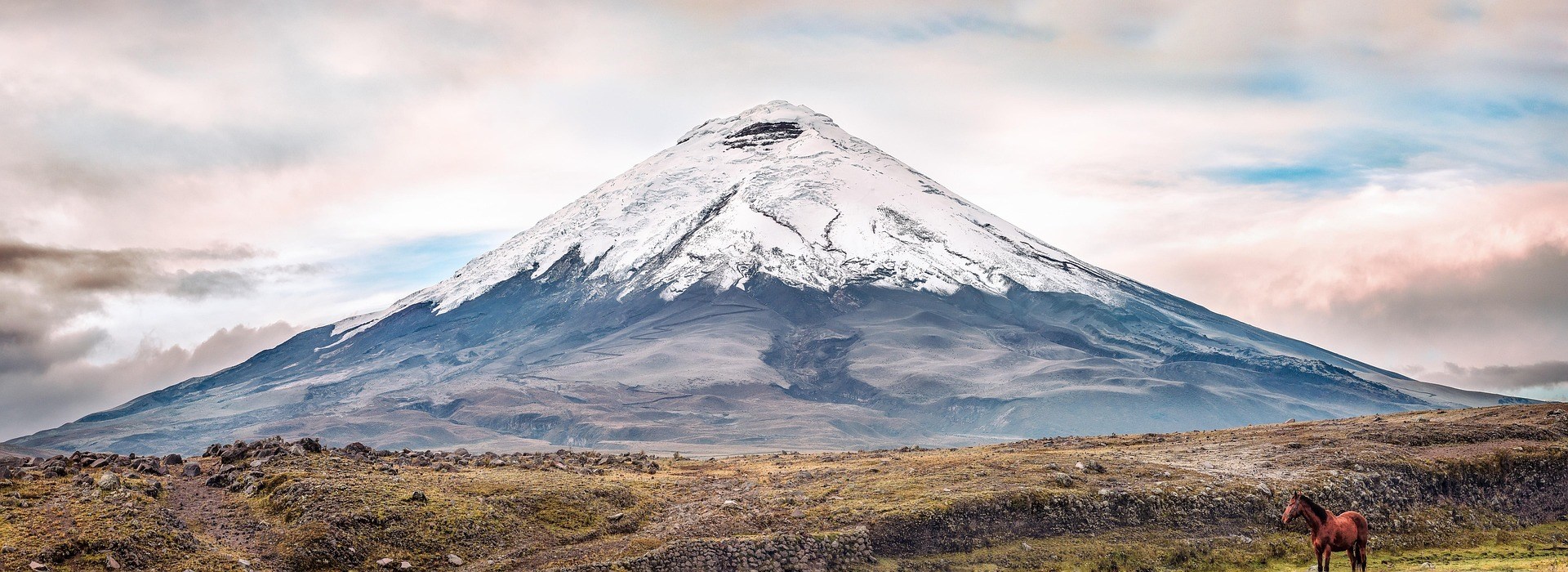
Cotopaxi National Park is a protected Andean landscape in Ecuador, located around the snow-capped Cotopaxi volcano and extending across the provinces of Cotopaxi, Pichincha, and Napo. Its high-altitude terrain includes volcanic plains, grasslands, wetlands, and rugged mountain slopes. Cotopaxi, one of the world's highest active volcanoes, dominates the park and rises above the surrounding páramo.
Westport
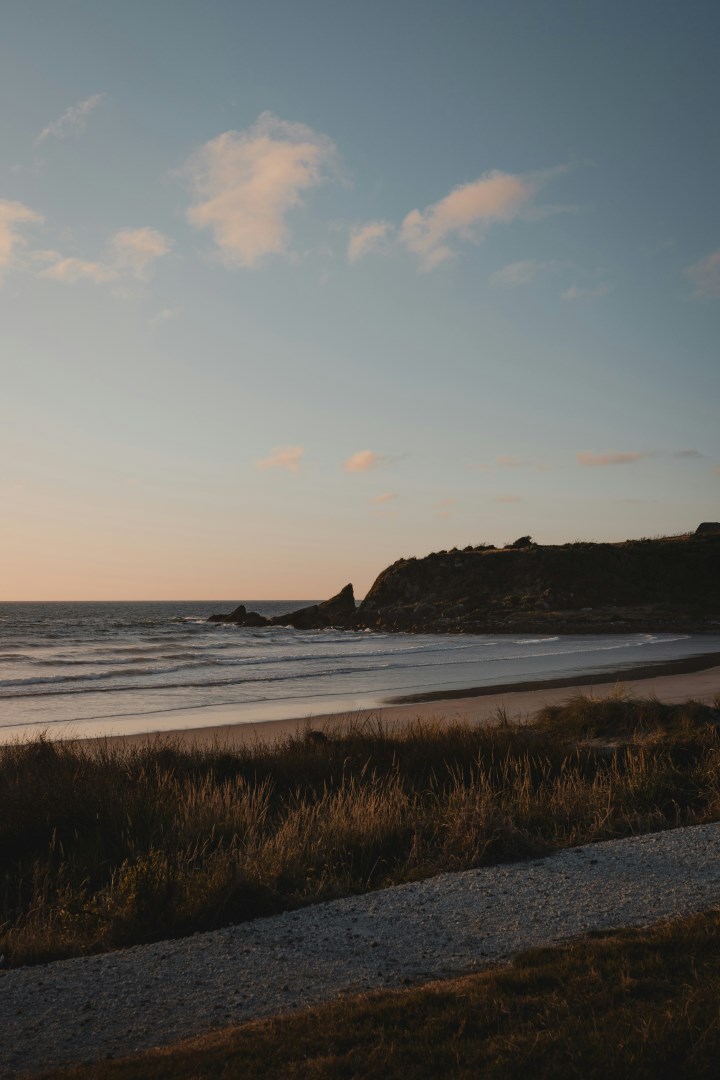
Westport is a coastal town on the northwest side of New Zealand’s South Island, located near the mouth of the Buller River. The town serves as one of the main settlements of the Buller District and has long been connected to coal mining, fishing, and river trade.
Lüderitz
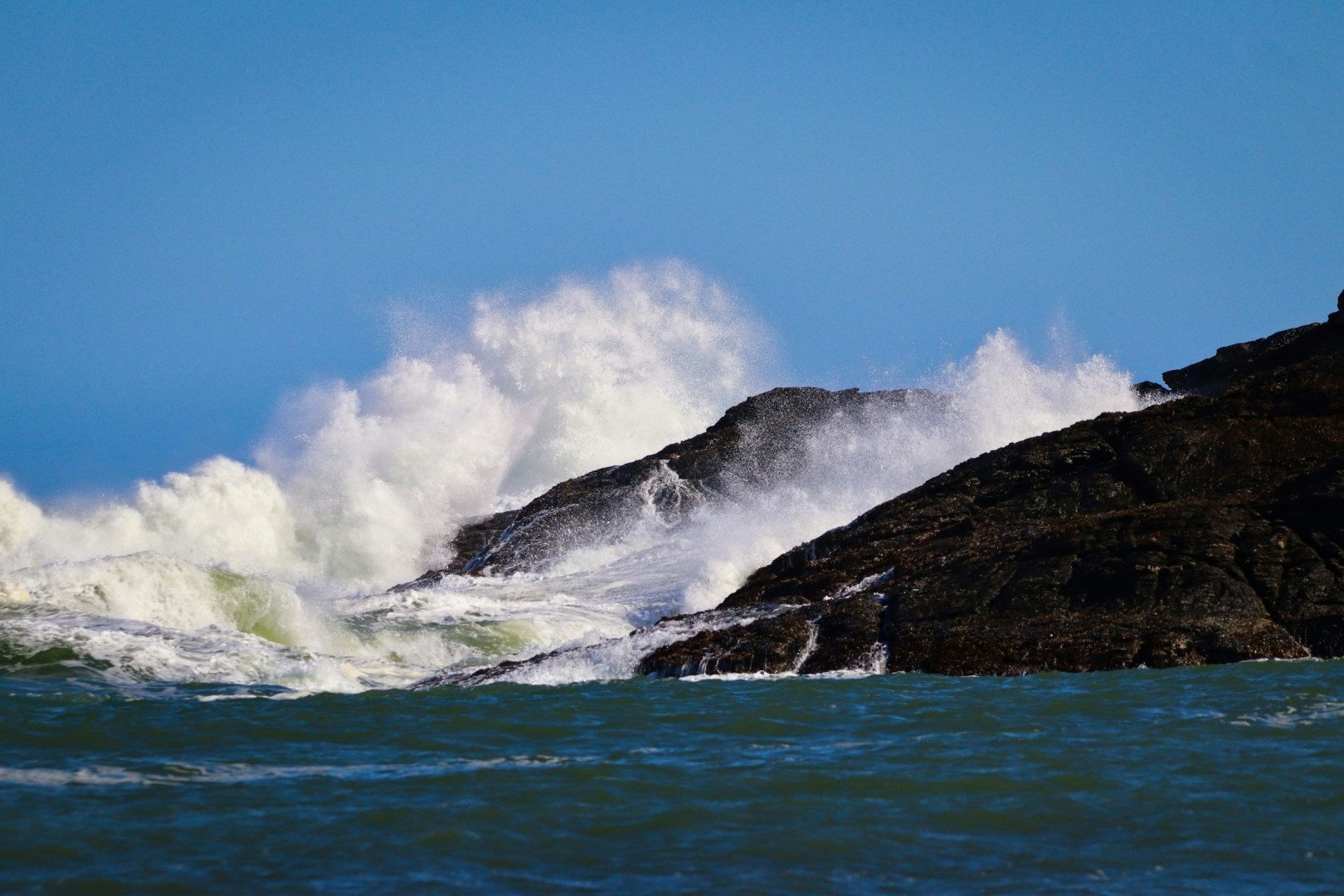
This coastal town in southwestern Namibia is known for its German colonial buildings, including the art nouveau Goerke Haus, built into the rock face on Diamond Hill. Nearby, Felsenkirche is a hilltop church with panoramic bay views stretching around to Robert Harbor. The Lüderitz Museum has displays about the town’s diamond mining past as well as local and natural history.