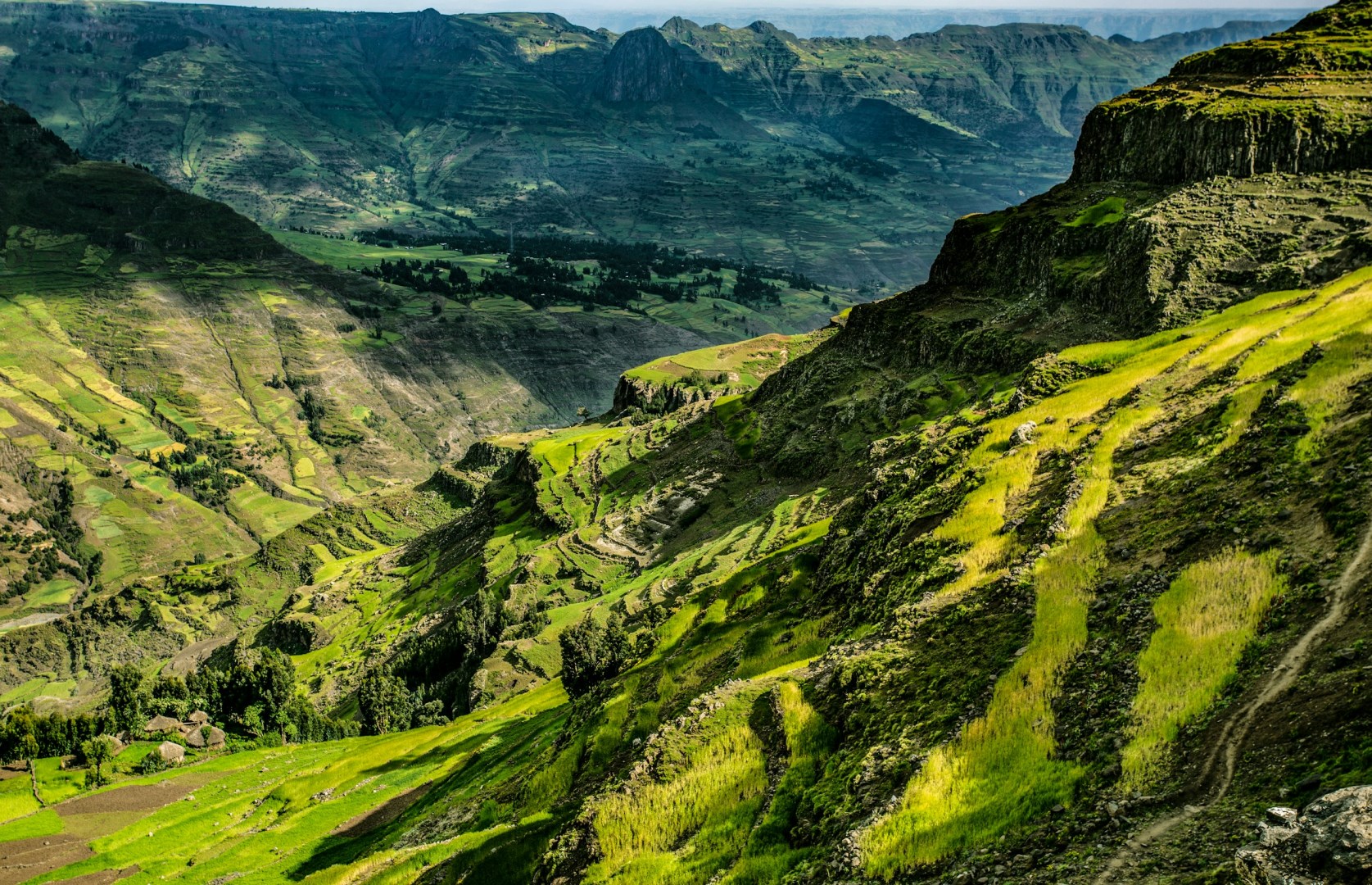
Nangma Valley, tucked deep within the Karakoram Range of northern Pakistan, is a place where towering granite spires rise dramatically above alpine meadows and clear streams. Located near the small town of Hushé in Gilgit-Baltistan, the valley is often described as a natural amphitheater of peaks. Climbers and trekkers from around the world are drawn to its vertical walls, but the valley’s quiet trails and sweeping views also offer an extraordinary experience .
Palawan Island stretches along the western edge of the Philippines, shaped by seafaring routes, Indigenous cultures, and relative isolation from the country’s major urban centers.
Nestled in the dramatic landscape of the Basilicata region in southern Italy, Castelmezzano is a hidden gem that captivates visitors with its stunning natural beauty and medieval charm. The town, perched on the edge of the Lucanian Dolomites, is renowned for its unique architecture, with houses clinging to the steep rock faces, creating a picturesque and almost otherworldly scene. The dramatic peaks surrounding the town offer breathtaking views and a range of outdoor activities.
Sakkara, located just south of Cairo, is one of Egypt’s most important archaeological sites and the vast necropolis of the ancient capital of Memphis. Stretching over seven kilometers, it served as a burial ground for pharaohs, nobles, and high officials across multiple dynasties.
Puerto Peñasco, also known as Rocky Point, rests along the warm waters of the Sea of Cortez in northern Sonora, Mexico. Along its shoreline, Sandy Beach draws visitors with long stretches of walkable sand and calm water, while Playa Hermosa and Playa Mirador offer quieter spots where tide pools appear as the sea pulls back. Boat rides to Bird Island, also known as Isla San Jorge, provide a rare chance to see large colonies of sea lions resting on rocky ledges.
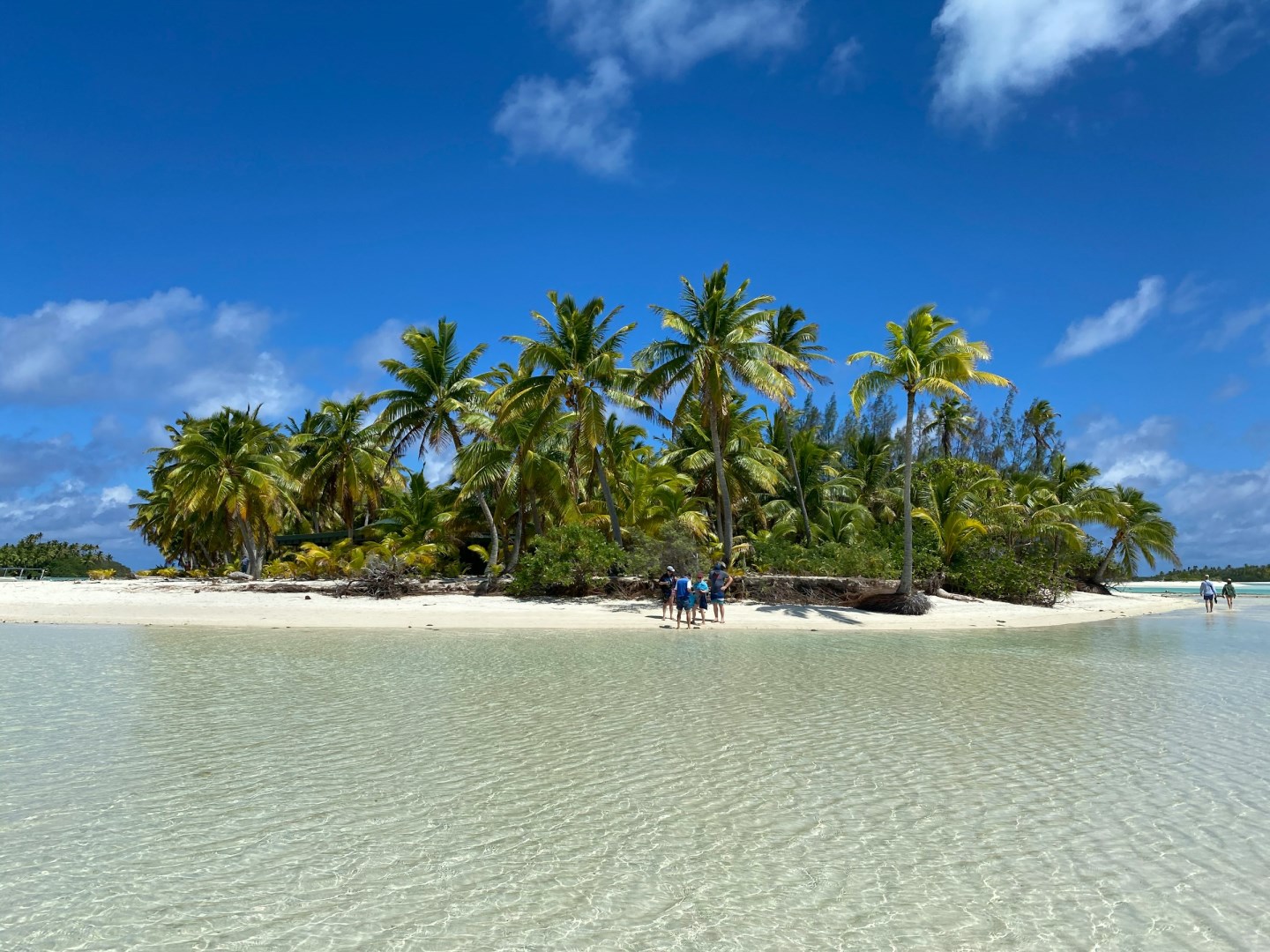
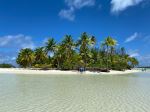
A visit to the Cook Islands is not complete without seeing the beautiful island of Aitutaki, 220 km north of Rarotonga and less than an hours flight away. Aitutaki is the second most visited of the magical Cook Islands and is recommended as a "must see" extension of any Rarotonga holiday. Day trips are also popular.
Partly volcanic and (in parts) of atoll origin, its highest hill, Maungapu (124 meters) is said to be the top of Rarotonga's Raemaru Peak brought back by victorious Aitutaki warriors. Its large and spectacular lagoon (45 kms round) teems with colored fish of many varieties and many small and charming uninhabited islands (motus), are sprinkled along the fringes of the outer lagoon. This is a place of great natural beauty and tranquility, where crystal clear waters and
swaying palms provide a simple tonic to sooth away the pressures of the outside world.
With the arrival of Reverend John Williams, Aitutaki became the first island to receive Christianity back in 1821. The first Polynesian explorer was Ru from Raiatea in the Society Islands, while Captain William Bligh of "Bounty" fame is credited with being the first European to sight the island in 1789. Aitutaki was also a favorite stop for whalers in the 1950's and in 1888 the British flag was raised and Aitutaki and Rarotonga were included in the boundaries of New Zealand.