Spitsbergen is the largest island of Norway’s Svalbard archipelago, where the wonders of the Arctic come alive in breathtaking fashion. Known for its wild, untamed beauty, Spitsbergen offers travelers the chance to experience landscapes that are both surreal and majestic. From towering glaciers and jagged mountain peaks to expansive tundra and crystal-clear fjords, this frozen paradise is an explorer’s dream.
Located in Australia's Northern Territory, Uluru is an iconic sandstone formation and UNESCO World Heritage site. This red rock monolith, believed to be over 500 million years old, has been considered sacred by Australia's indigenous peoples for thousands of years and is one of the country's most well-known natural landmarks. This spiritual destination will astound you at sunrise and sunset, when the warm sunlight turns Uluru to deep hues of red and orange.
Estes Park, Colorado, is a picturesque mountain town nestled at the entrance of Rocky Mountain National Park. Known for its stunning natural beauty, it offers visitors a perfect blend of adventure and relaxation. With over 300 miles of hiking trails, pristine alpine lakes, and breathtaking mountain vistas, Estes Park is an outdoor enthusiast’s paradise.
Ngorongoro, Tanzania, is a destination where breathtaking landscapes and abundant wildlife converge in a truly unique way. Nestled within the Ngorongoro Conservation Area, this region is renowned for the Ngorongoro Crater, a UNESCO World Heritage Site. This ancient caldera, formed by a volcanic eruption millions of years ago, creates a natural amphitheater teeming with wildlife.
Mljet National Park sits on the western side of Mljet Island in Croatia’s Adriatic Sea, a place where saltwater lakes meet ancient forest pathways. The park stretches across nearly one-third of the island, with Veliko Jezero (Great Lake) and Malo Jezero (Small Lake) as their most striking features. These two saltwater lakes are connected by a narrow channel to the open sea, creating calm blue waters that draw visitors for swims, casual kayak outings, or peaceful cycles around the shaded paths.
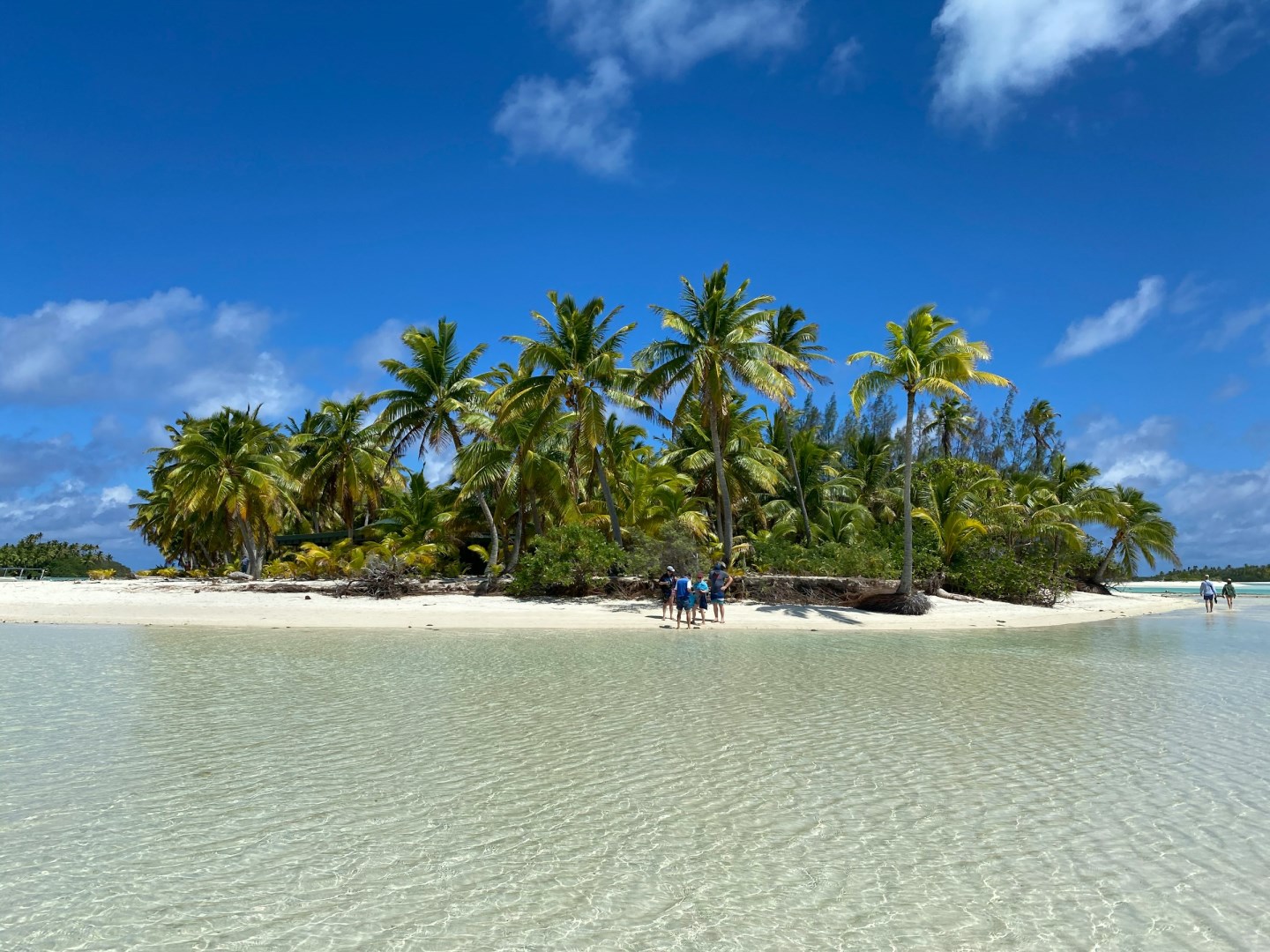
A visit to the Cook Islands is not complete without seeing the beautiful island of Aitutaki, 220 km north of Rarotonga and less than an hours flight away. Aitutaki is the second most visited of the magical Cook Islands and is recommended as a "must see" extension of any Rarotonga holiday. Day trips are also popular.
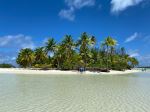
Partly volcanic and (in parts) of atoll origin, its highest hill, Maungapu (124 meters) is said to be the top of Rarotonga's Raemaru Peak brought back by victorious Aitutaki warriors. Its large and spectacular lagoon (45 kms round) teems with colored fish of many varieties and many small and charming uninhabited islands (motus), are sprinkled along the fringes of the outer lagoon. This is a place of great natural beauty and tranquility, where crystal clear waters and
swaying palms provide a simple tonic to sooth away the pressures of the outside world.
With the arrival of Reverend John Williams, Aitutaki became the first island to receive Christianity back in 1821. The first Polynesian explorer was Ru from Raiatea in the Society Islands, while Captain William Bligh of "Bounty" fame is credited with being the first European to sight the island in 1789. Aitutaki was also a favorite stop for whalers in the 1950's and in 1888 the British flag was raised and Aitutaki and Rarotonga were included in the boundaries of New Zealand.