Dominica, known as the “Nature Island of the Caribbean,” is a haven for eco-tourists and adventure seekers. Nestled between the French islands of Guadeloupe and Martinique, this lush island boasts a remarkable landscape of volcanic mountains, dense rainforests, and stunning waterfalls. Dominica’s most iconic natural wonder is the Boiling Lake, the second-largest hot spring in the world.
This quaint port city is breathtakingly beautiful! Surrounded by peaks, Seward fjords are the perfect whale and porpoise habitat, and both seals and puffins fill the Alaska SeaLife Center. Those looking for a challenge can hike the western trail to the summit of Mount Marathon.
Welcome to England. The green hills, the noble woodlands, the perfect flowering of architecture and remarkable cultural heritage beckon visitors from around the globe.
Suva is the capital of Fiji and a popular island destination in the South Pacific. Highlights of this tropical city include Fiji Museum, Thurston Park, Mount Korobaba, and Colo-I-Suva Forest Park.
Las Vegas, Nevada, is an electrifying city where glitz and glamour meet entertainment and excitement. Known as "The Entertainment Capital of the World," Las Vegas offers an unparalleled array of attractions, from its iconic casinos and luxurious hotels to its world-class dining and live shows. The city's entertainment scene is second to none, featuring legendary headliners, cutting-edge performances, and an array of themed attractions.
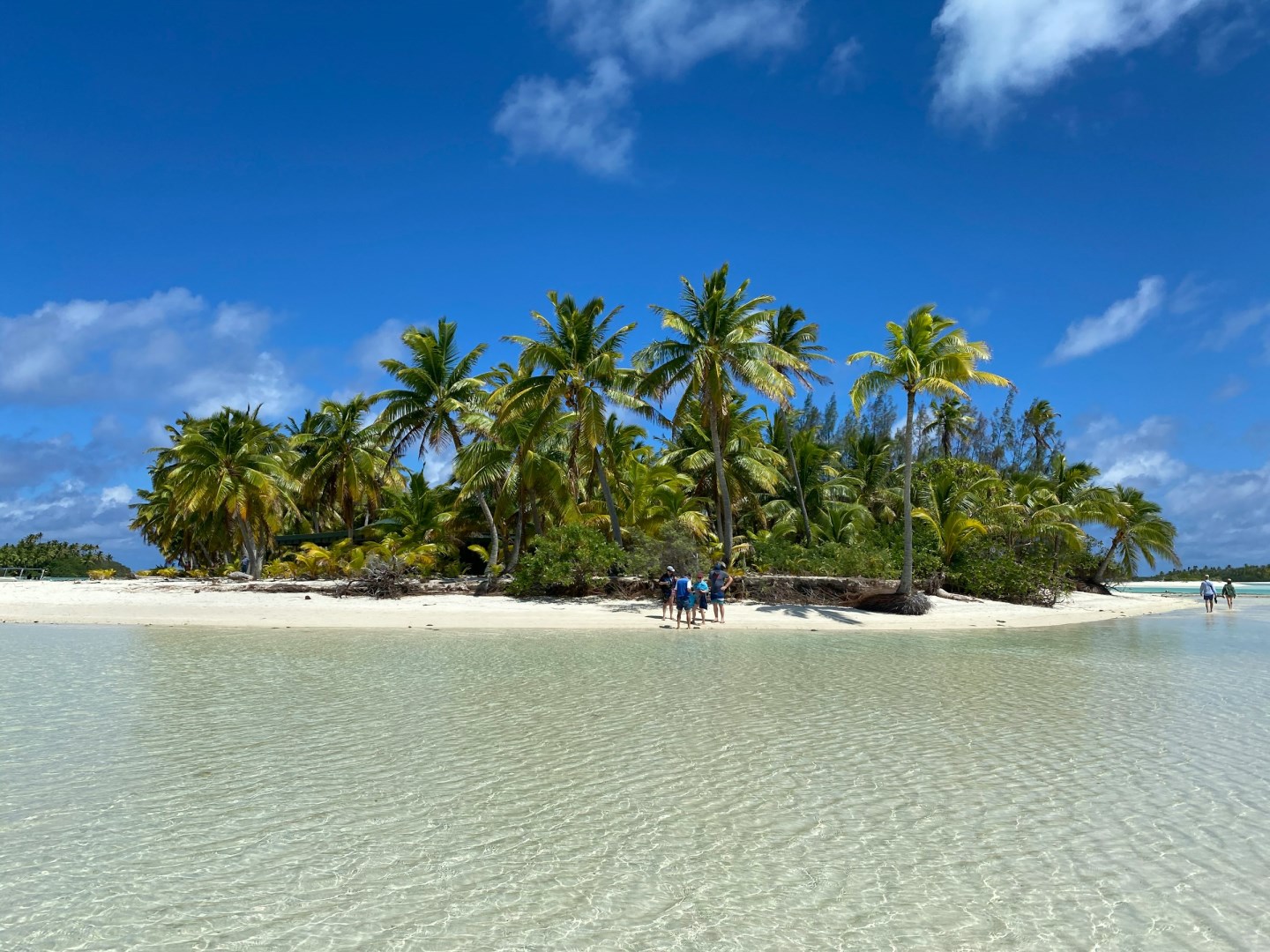
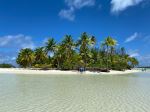
A visit to the Cook Islands is not complete without seeing the beautiful island of Aitutaki, 220 km north of Rarotonga and less than an hours flight away. Aitutaki is the second most visited of the magical Cook Islands and is recommended as a "must see" extension of any Rarotonga holiday. Day trips are also popular.
Partly volcanic and (in parts) of atoll origin, its highest hill, Maungapu (124 meters) is said to be the top of Rarotonga's Raemaru Peak brought back by victorious Aitutaki warriors. Its large and spectacular lagoon (45 kms round) teems with colored fish of many varieties and many small and charming uninhabited islands (motus), are sprinkled along the fringes of the outer lagoon. This is a place of great natural beauty and tranquility, where crystal clear waters and
swaying palms provide a simple tonic to sooth away the pressures of the outside world.
With the arrival of Reverend John Williams, Aitutaki became the first island to receive Christianity back in 1821. The first Polynesian explorer was Ru from Raiatea in the Society Islands, while Captain William Bligh of "Bounty" fame is credited with being the first European to sight the island in 1789. Aitutaki was also a favorite stop for whalers in the 1950's and in 1888 the British flag was raised and Aitutaki and Rarotonga were included in the boundaries of New Zealand.