

Xi'an
Xi’an, located in central China’s Shaanxi Province, served as the starting point of the ancient Silk Road and was the capital of 13 imperial dynasties. Its long history is most famously represented by the Terracotta Army, an underground army of life-sized warriors discovered in 1974. Each figure has distinct facial features, hairstyles, and armor, designed to protect Emperor Qin Shi Huang in the afterlife.
Plovdiv
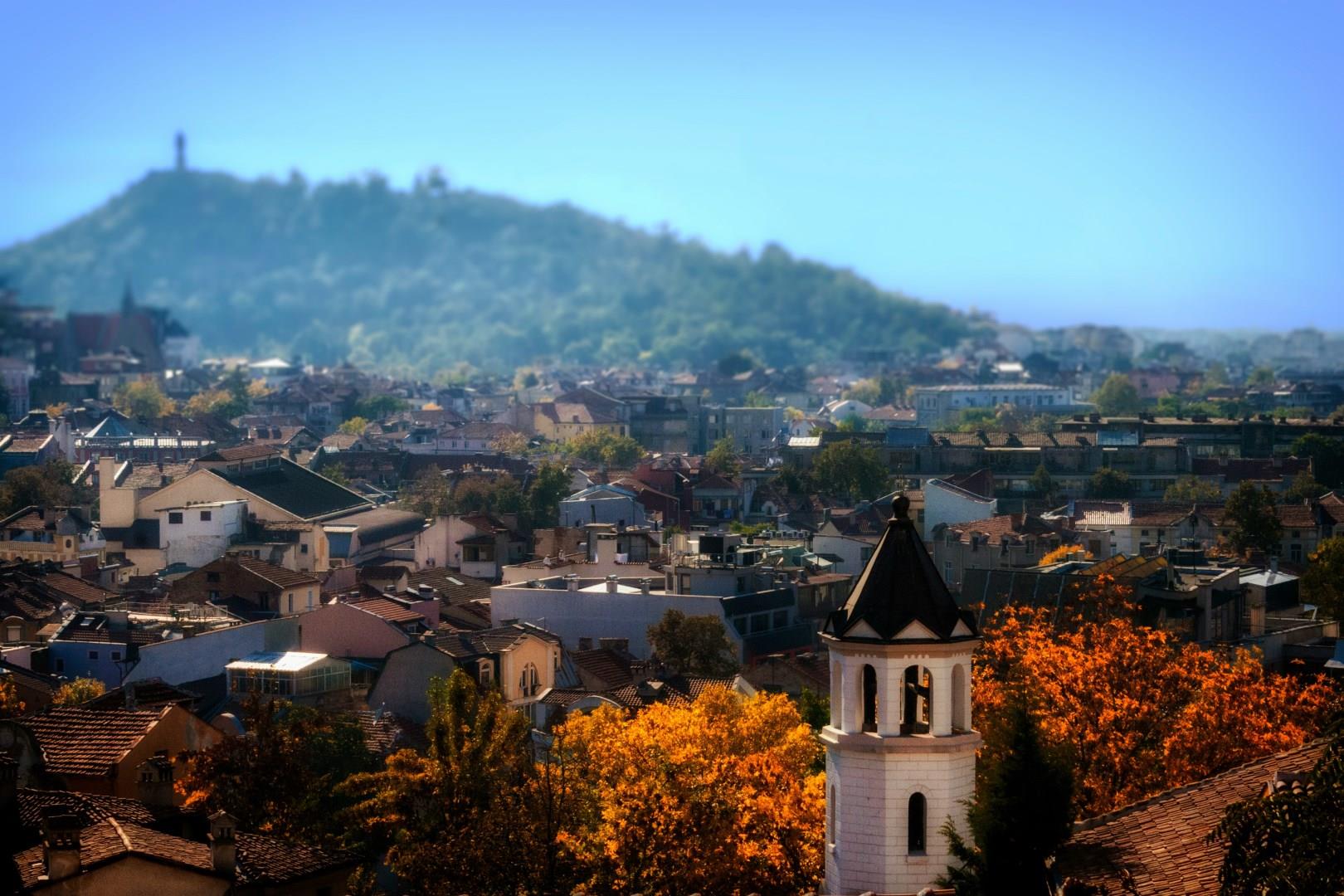
Plovdiv, one of the oldest continuously inhabited cities in Europe, carries over 8,000 years of history layered into its streets. The Roman Theater, still in use today, was discovered by accident in the 1970s and now hosts operas and concerts overlooking the Rhodope Mountains. Nearby, visitors can walk the remains of a Roman stadium buried beneath the main pedestrian street, where modern shops and cafés stand above ancient foundations.

Quito
Situated on the equator and nestled beneath an imposing volcano, the rugged, sprawling, and vibrant city of Quito offers adventure galore. A South American gem and Ecuador’s capital, Quito combines the best of its Incan and Spanish influences in fascinating cultural attractions, and the city’s surrounding natural beauty will surely astound you.

Mâcon
Mâcon is a riverside town in the Saône et Loire department of southern Burgundy, set where the Saône River curves gently through the countryside. Walking through the town naturally leads visitors from the riverfront toward its historic streets, where the past seems to linger in every corner. In the heart of Mâcon’s historic district, pedestrians find streets lined with notable sites.

Malta
Malta, a small island nation in the heart of the Mediterranean, offers visitors a rich blend of history and vibrant local culture. Its capital, Valletta, is a UNESCO World Heritage site filled with grand Baroque architecture, narrow streets, and significant historical landmarks like St. John’s Co-Cathedral, home to masterpieces by Caravaggio. The city's fortifications tell stories of centuries of military importance, guarding one of Europe’s busiest harbors.


