Bozeman
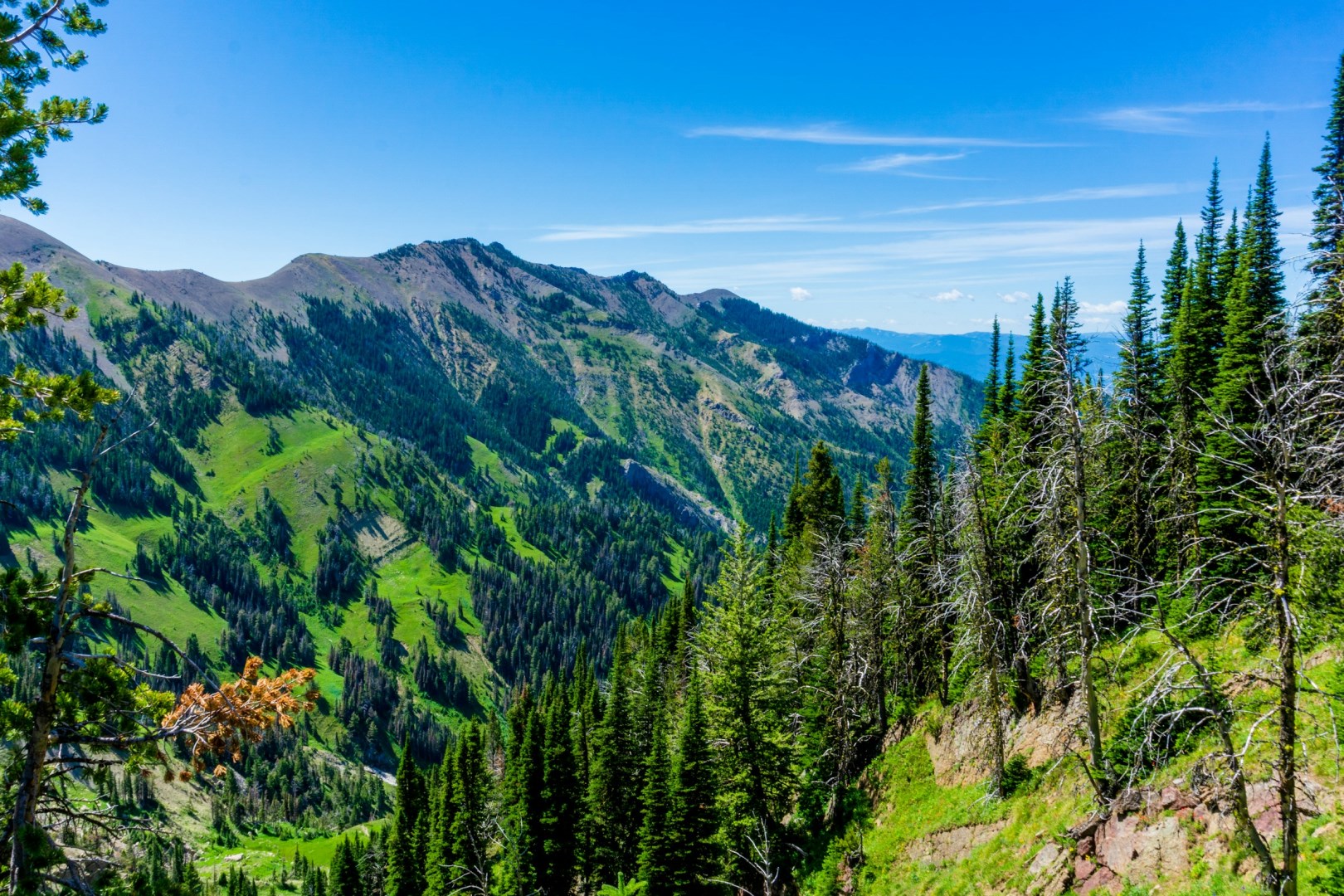
Bozeman, Montana, lies in the Gallatin Valley beneath the Gallatin, Bridger, Madison, and Absaroka mountain ranges. The city combines a historic downtown with a strong university presence and easy access to forests, rivers, and high-country recreation. Main Street remains the center of the older commercial district, with brick buildings housing restaurants, galleries, shops, and cafés.
Homer
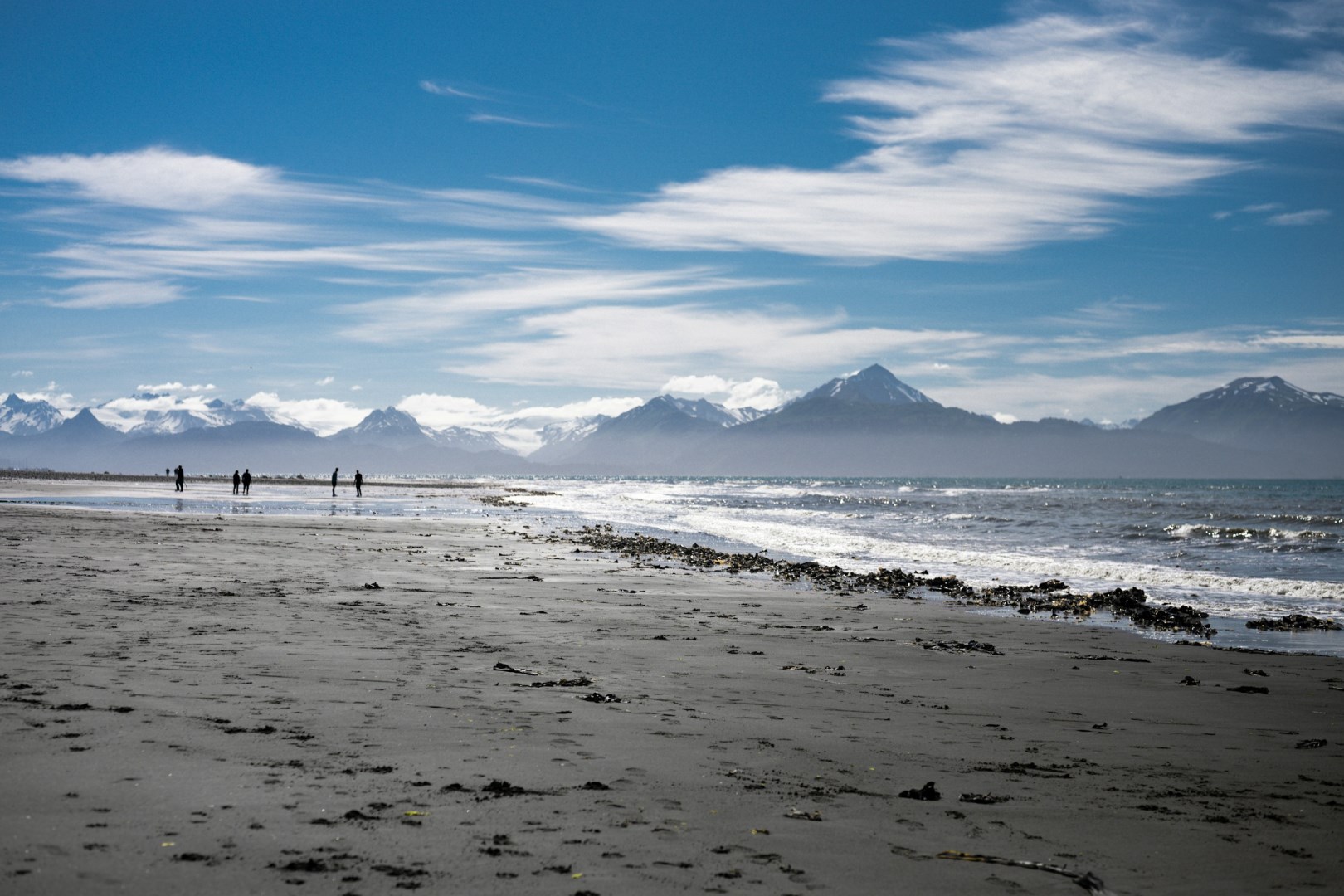
Homer, Alaska, sits at the end of the Kenai Peninsula and is often called the “end of the road,” where dramatic landscapes meet a vibrant small-town spirit. Overlooking Kachemak Bay, the town is framed by snowcapped mountains, glaciers, and a striking spit of land that juts four miles into the sea.

Korčula
Korčula, a jewel in Croatia's Adriatic Sea, invites visitors to immerse themselves in its rich history and stunning natural beauty. Often referred to as "Little Dubrovnik," the city boasts well-preserved medieval architecture, narrow cobblestone streets, and a fortified old town encircled by ancient walls.
Mdina
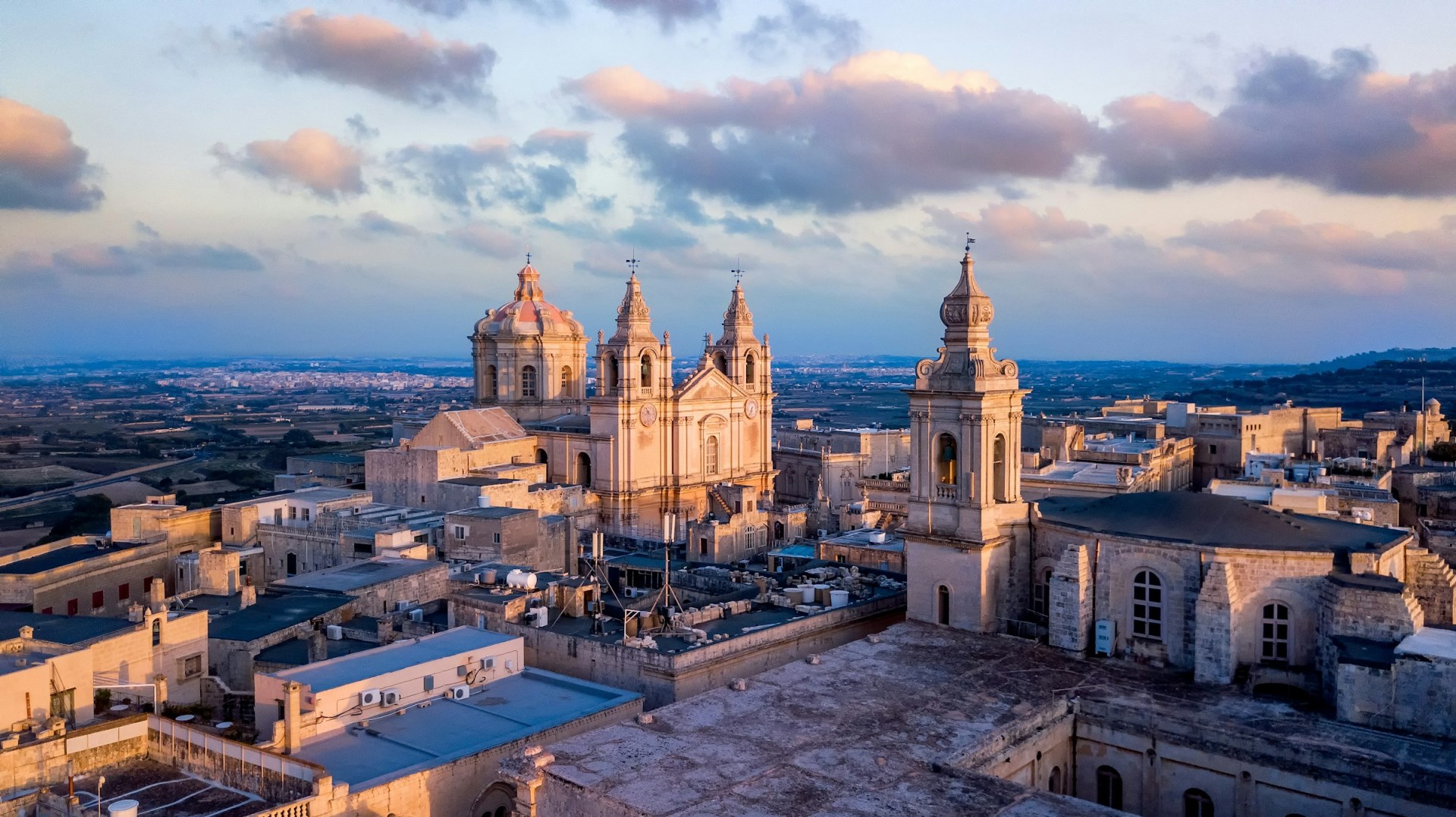
Mdina is a fortified hilltop city in central Malta, known as the Silent City for its quiet streets and enclosed historic character. The former capital occupies a limestone plateau above the surrounding countryside, with massive walls, narrow lanes, small squares, and honey-colored buildings creating a compact urban landscape. The main entrance leads toward Villegaignon Street and the center of the old city, where St Paul’s Cathedral dominates Cathedral Square.
Lagoa do Fogo
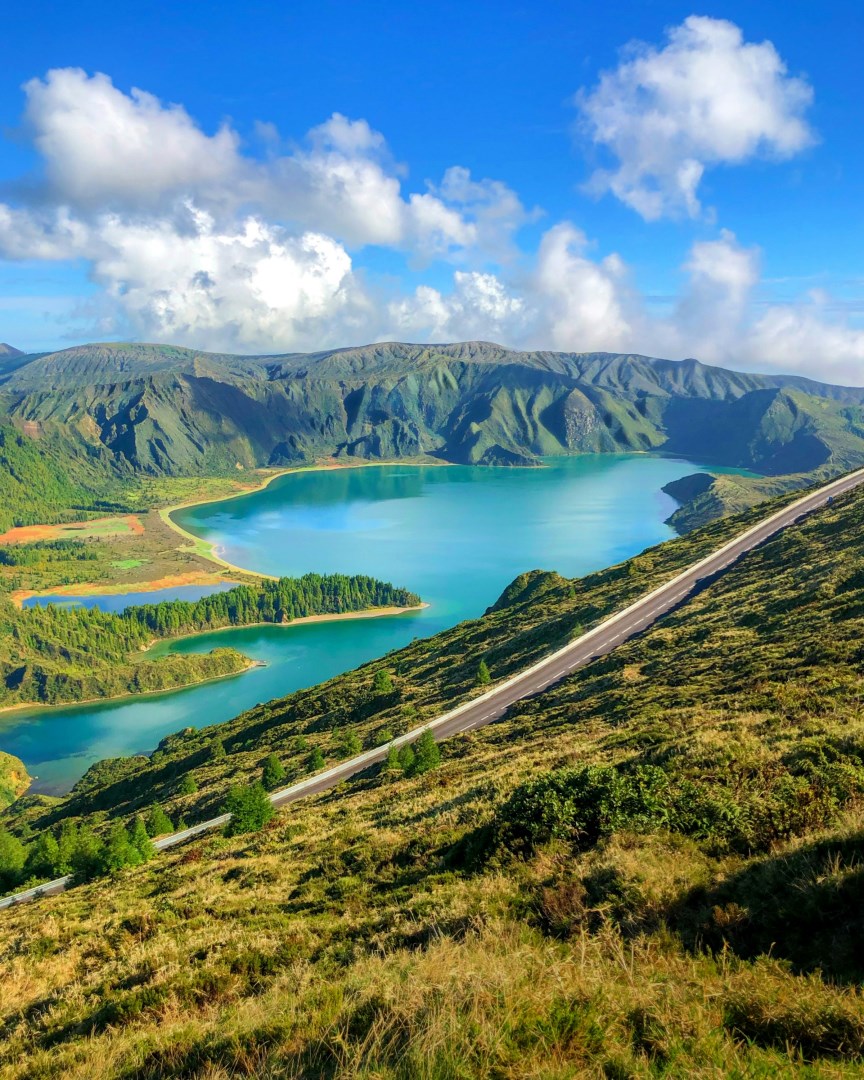
Lagoa do Fogo is a volcanic crater lake on São Miguel Island in Portugal’s Azores archipelago. Set within a protected landscape in the island’s central highlands, the lake occupies a large caldera surrounded by steep slopes covered with native vegetation. Its remote setting and undeveloped shoreline distinguish it from the more settled areas of São Miguel.