

Andalsnes
Andalsnes is your starting point for a ride on the Trollstigvein (troll's path), a zig-zag drive up mountains and over waterfalls that's out of this world.
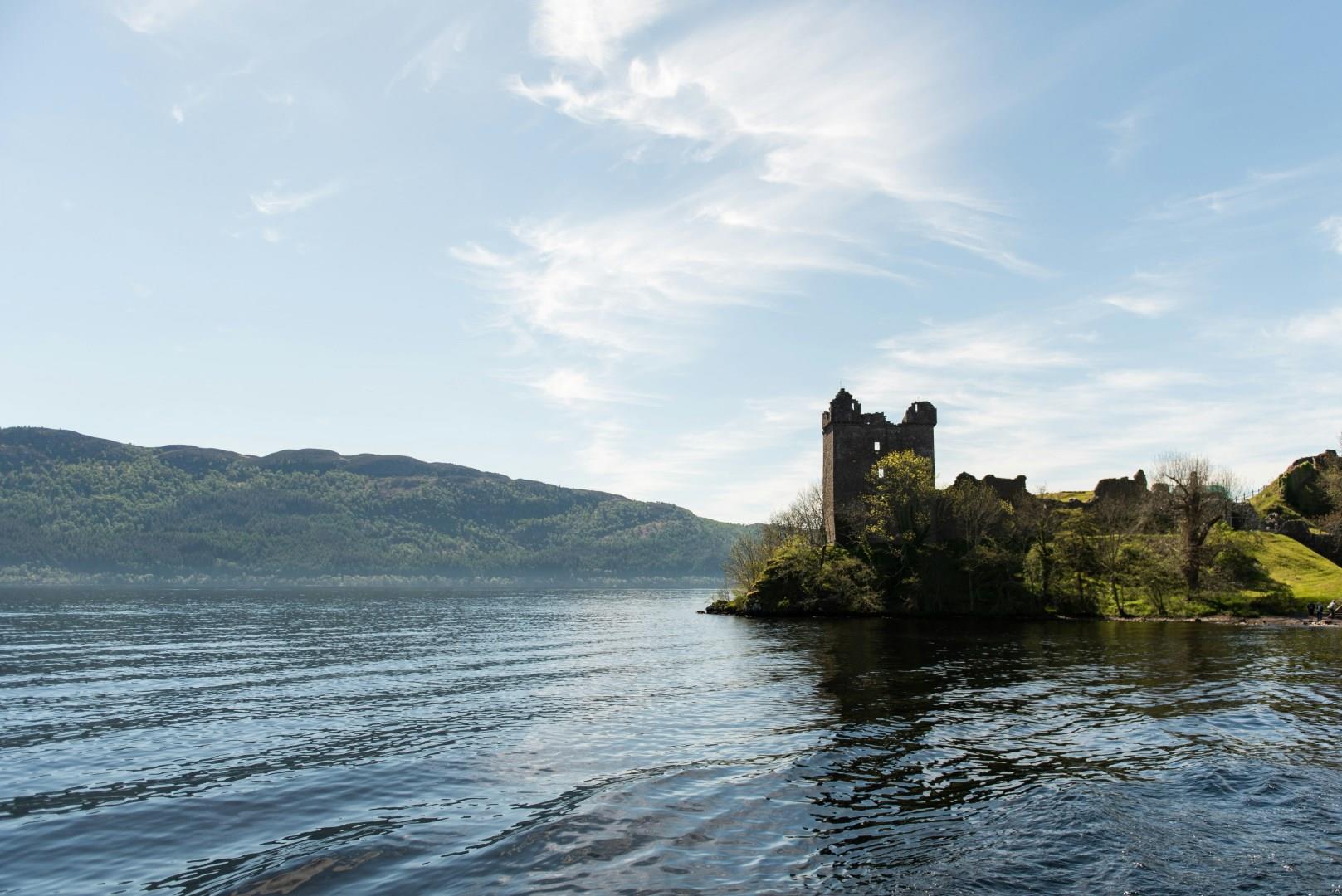
Loch Ness
Loch Ness stretches over 23 miles through the Scottish Highlands, holding more freshwater than all the lakes in England and Wales combined. Best known for its elusive resident, the so-called Loch Ness Monster, the loch has sparked international curiosity since the first modern "sighting" in 1933. While Nessie remains elusive, the surrounding landscape offers clear reasons to visit with steep hillsides, forested trails, and ancient ruins framing one of Scotland’s most iconic bodies of water.

Thailand
Thailand is a country where centuries-old traditions coexist with vibrant modern life. From ancient kingdoms that left behind grand temples and ruins to lively festivals filled with music, dance, and color, Thai culture is deeply rooted in spirituality and community.

Tirana
Tirana, the lively capital of Albania, is a city that blends historical charm with modern vibrancy. At the heart of its transformation is Skanderbeg Square, a bustling hub named after the national hero Gjergj Kastrioti Skanderbeg.
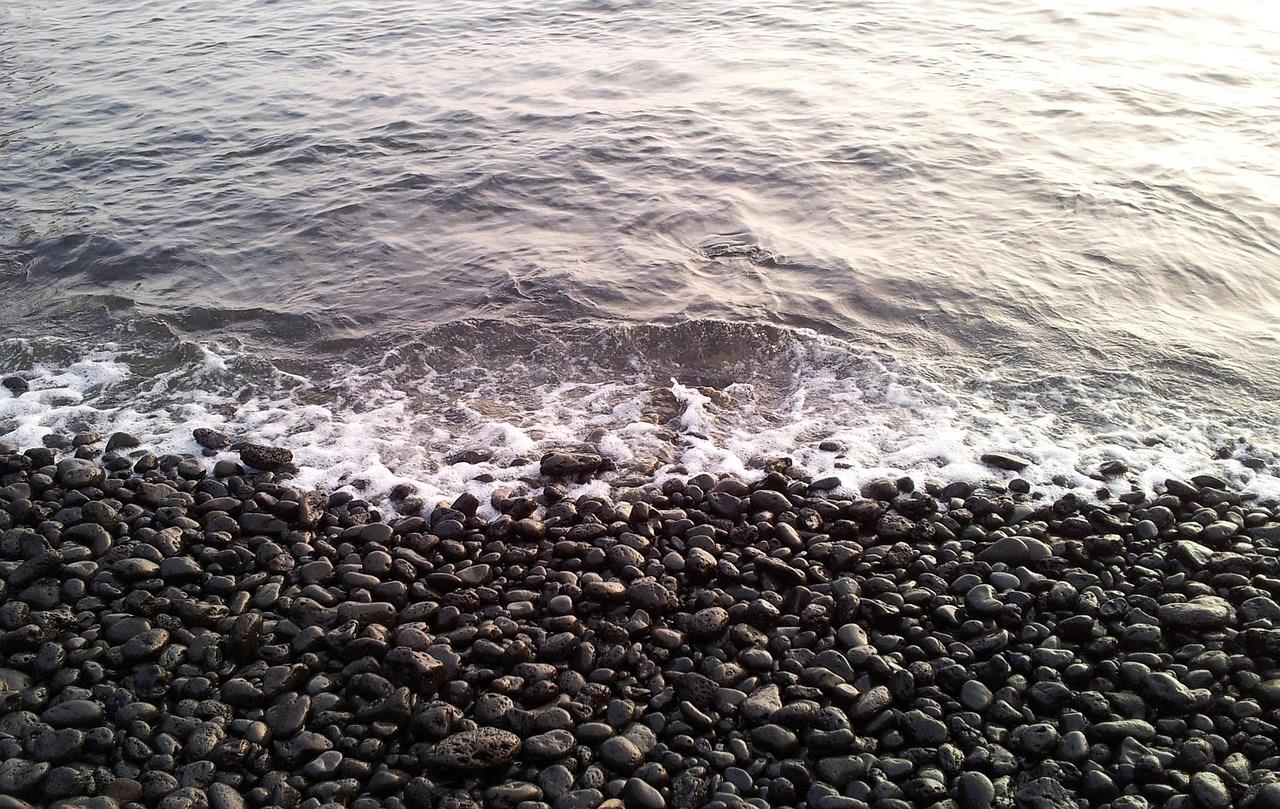
Keauhou, Hawaii
Keauhou, located on the Kona Coast of Hawai‘i Island, is recognized as the birthplace of King Kamehameha III, and many nearby sites still reflect its royal past.


