

Albania
Albania offers travelers a surprising and diverse experience shaped by centuries of influence. Visitors can explore the ancient city of Butrint, a UNESCO World Heritage Site with Greek, Roman, Byzantine, and Venetian ruins set against a lagoon. In Berat and Gjirokastër stone houses stack along steep hillsides, giving visitors the sense of walking through a living museum. These towns offer an authentic window into daily Albanian life.
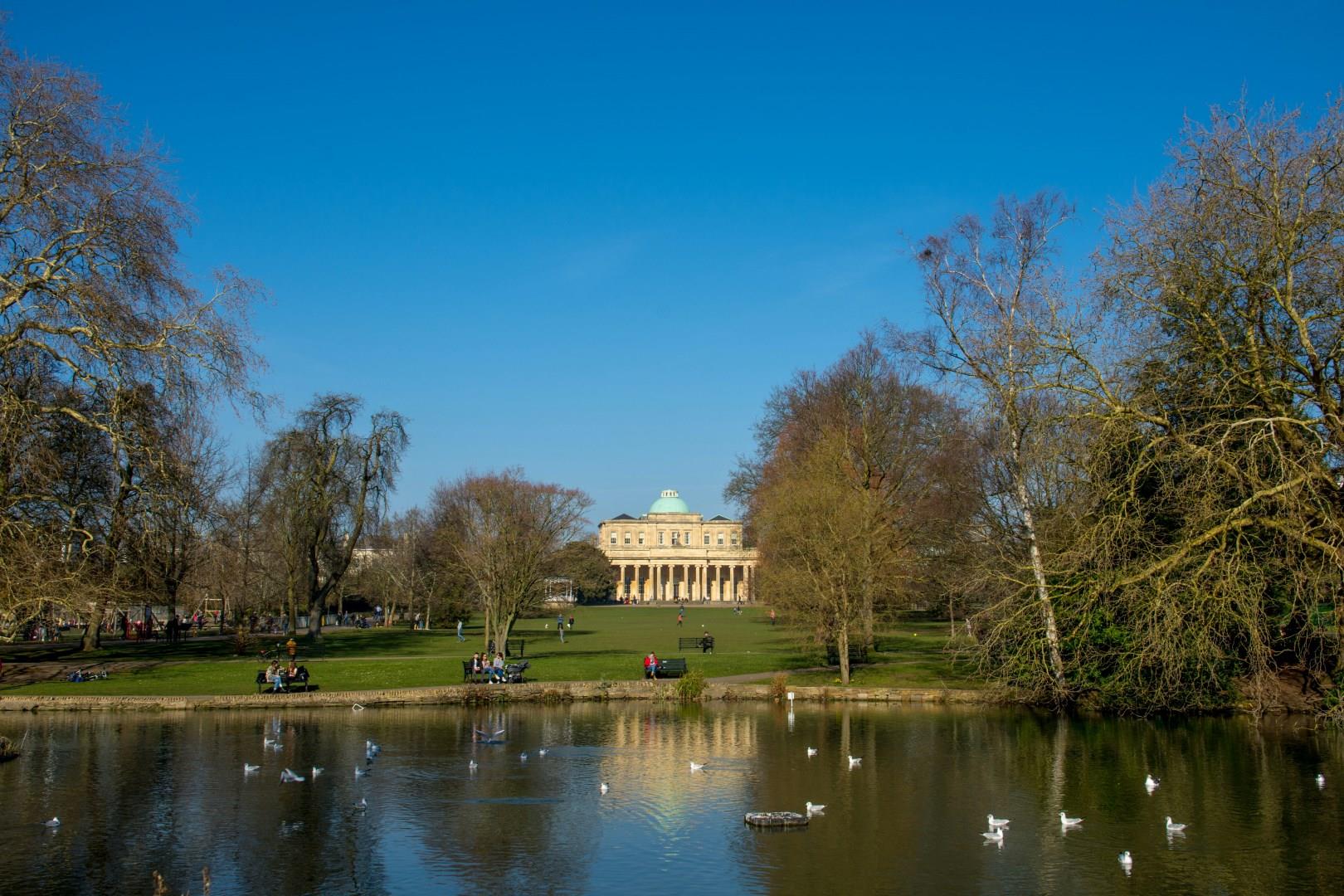
Cheltenham
Cheltenham is a Regency-era spa town in Gloucestershire known for its elegant streets, welcoming squares and an inviting pace of life that has drawn visitors since the 1700s. The town pulses with festivals through the year, giving travelers reason to return again and again. Cheltenham Literature Festival, the longest-running festival of its kind in the world, brings writers and readers together each autumn for talks, readings and book signings that span many genres.
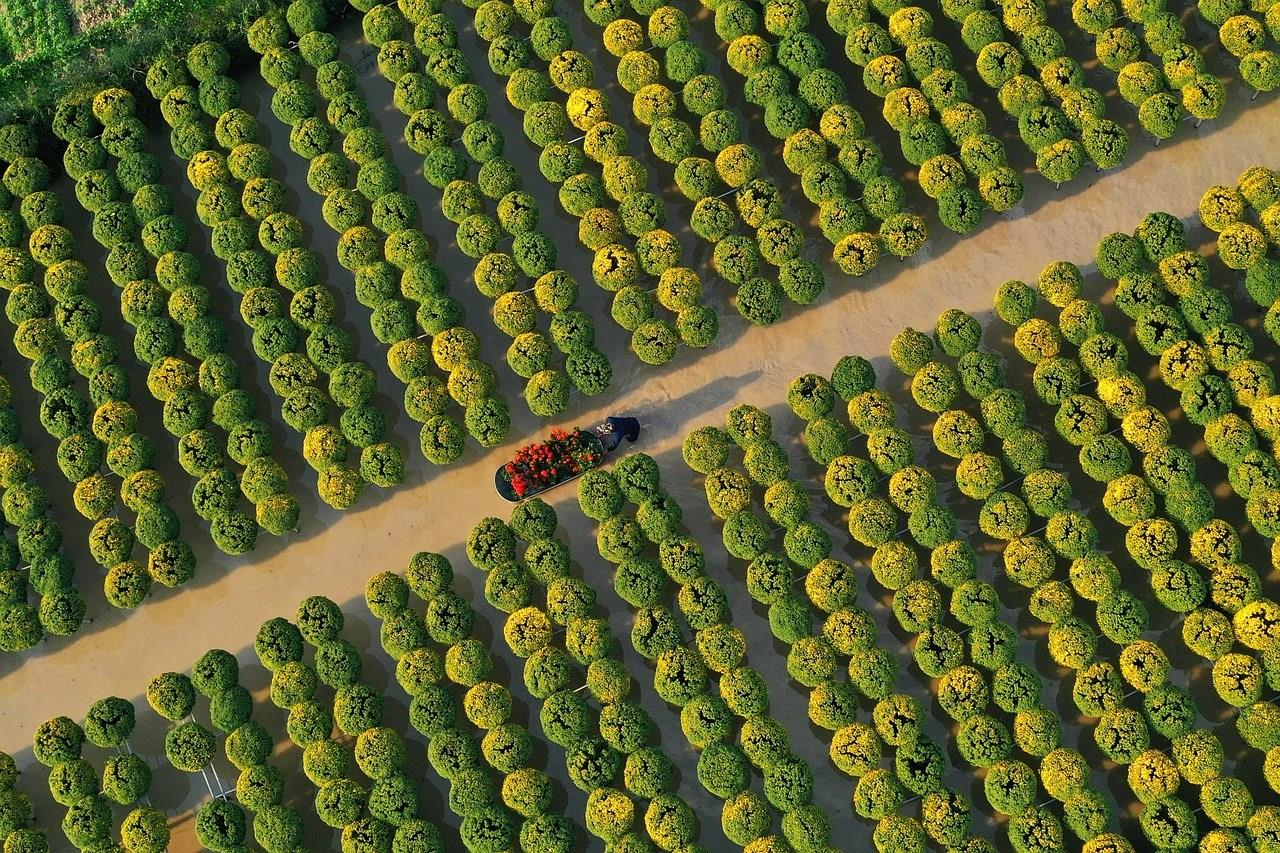
Sa Dec
A lesser-known river port in the Mekong Delta, Sa Dec was once the capital of Dong Thap province of southern Vietnam. Today, it is best known for its flower gardens and authentic bustling market. The city is also famous as the setting for French writer Marguerite Duras' 1984 novel, The Lover, and its 1991 film adaptation of the same name.

Louisville
Louisville is a city that knows how to make an impression. Birthplace of the Kentucky Derby, home to bourbon legends, and packed with stories that stretch back over two centuries, this river city blends tradition with bold creativity. Start downtown on West Main Street, also known as Museum Row. Here, visitors can tour the Louisville Slugger Museum & Factory, where real bats are still made, and marvel at the 120-foot baseball bat leaning against the building.

China
China, the world’s most populous country, stretches across vast landscapes ranging from the towering Himalayas and deserts of the north to fertile river valleys and bustling coastal cities. Its rich history spans thousands of years, marked by dynasties, inventions, and cultural developments that have left a lasting imprint on art, architecture, and philosophy.


