

Chalon-Sur-Saone
Surrounded by picturesque vineyards and scenic riverbanks, Chalon-sur-Saône, located along the Saône River, is the perfect base to immerse oneself in the heart of Burgundy’s rich heritage and stunning landscapes. From exploring its charming Old Town with medieval landmarks like the St. Vincent Cathedral to discovering the history of photography at the Musée Nicéphore Niépce, the town offers a unique experience for every traveler.

San Cristobal
With its blend of colonial elegance, vibrant indigenous traditions, and stunning natural landscapes, San Cristóbal de las Casas offers a truly immersive travel experience.
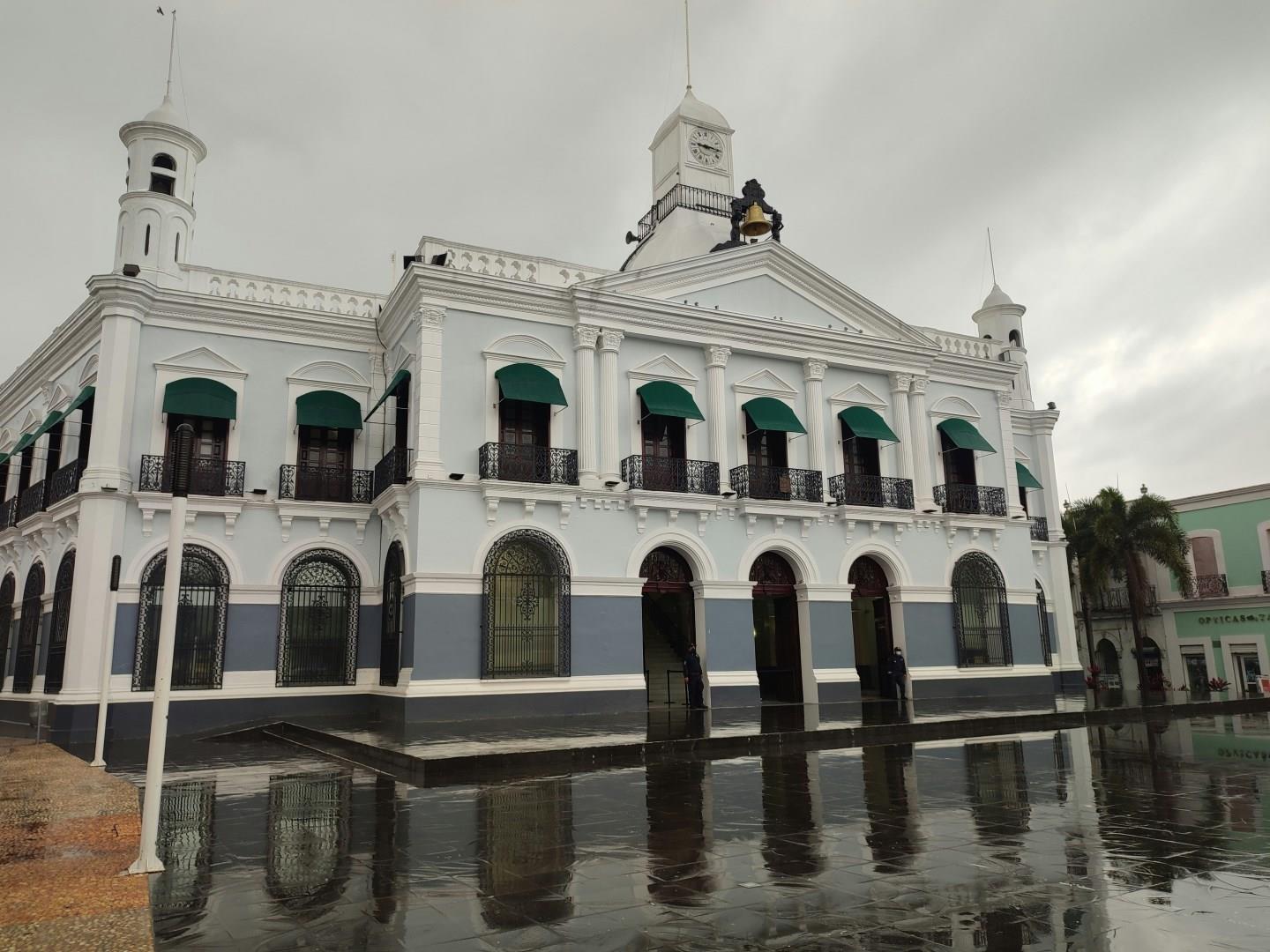
Villahermosa
Villahermosa, the capital of Tabasco, is a city where ancient civilizations, tropical landscapes, and modern life intersect. Known as the “gateway to the Mayan world,” the city sits on the banks of the Grijalva River and serves as a cultural hub for southeastern Mexico. One of its most unique attractions is Parque-Museo La Venta, an open-air museum that blends archaeology with a jungle setting.

Dusseldorf
The commercial and cultural center for the Ruhr region on the Rhine River, Duseldorff is also the site of the Felderhof Cave where Neanderthal man was found in 1856.

Mâcon
Mâcon is a riverside town in the Saône et Loire department of southern Burgundy, set where the Saône River curves gently through the countryside. Walking through the town naturally leads visitors from the riverfront toward its historic streets, where the past seems to linger in every corner. In the heart of Mâcon’s historic district, pedestrians find streets lined with notable sites.


