Olympic Peninsula
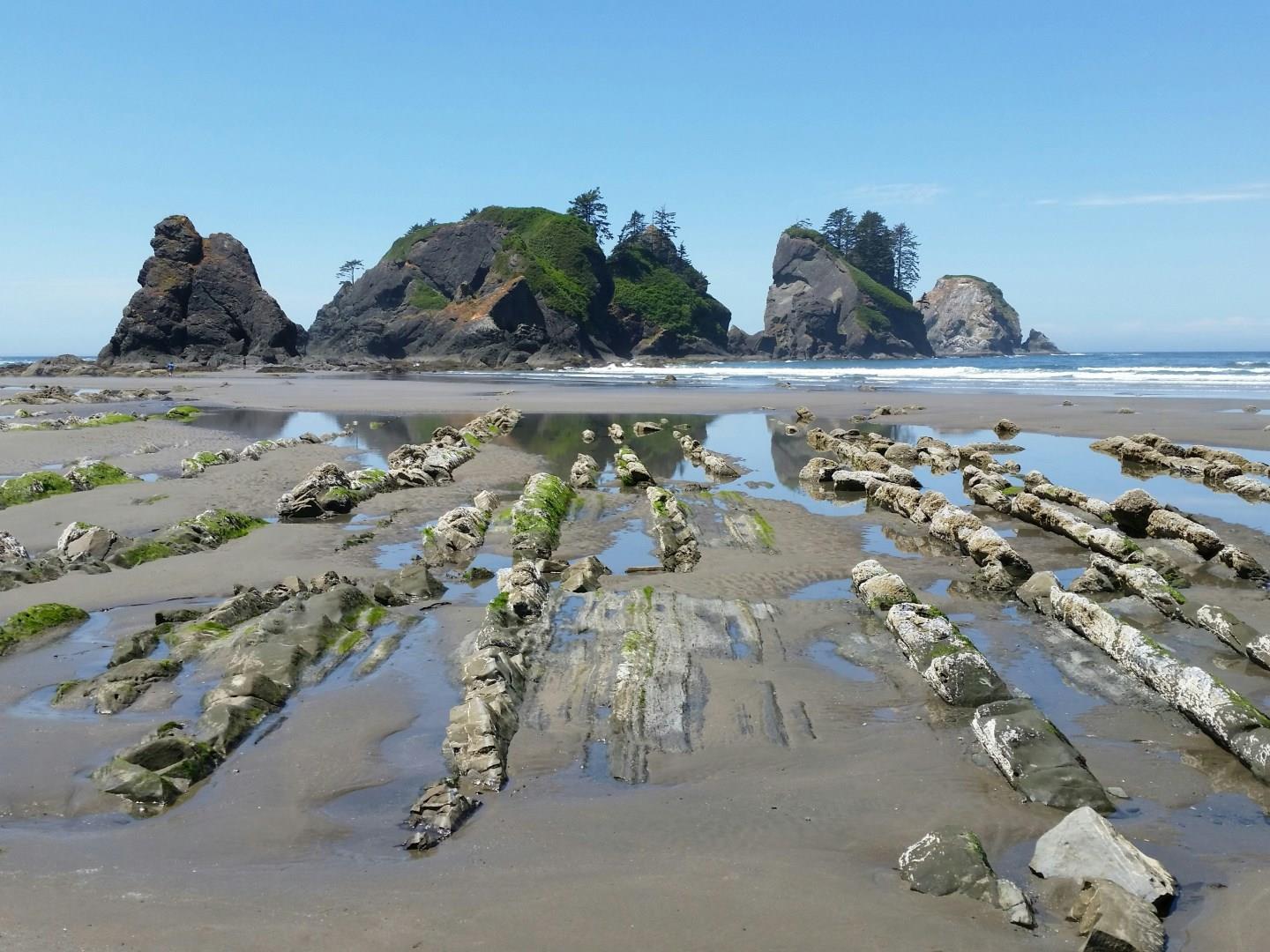
The Olympic Peninsula occupies the far northwest corner of Washington State, where mountains, rainforest, and coastline meet within a relatively compact area.

Graz
Graz, Austria's second-largest city, is a hidden gem that offers a perfect blend of history, culture, and modernity. Its well-preserved medieval old town, a UNESCO World Heritage Site, invites visitors to stroll through cobblestone streets lined with Renaissance courtyards and Baroque façades. At the heart of the city is the Schlossberg, a forested hill crowned by the iconic clock tower, Uhrturm.
Morne Rouge Bay
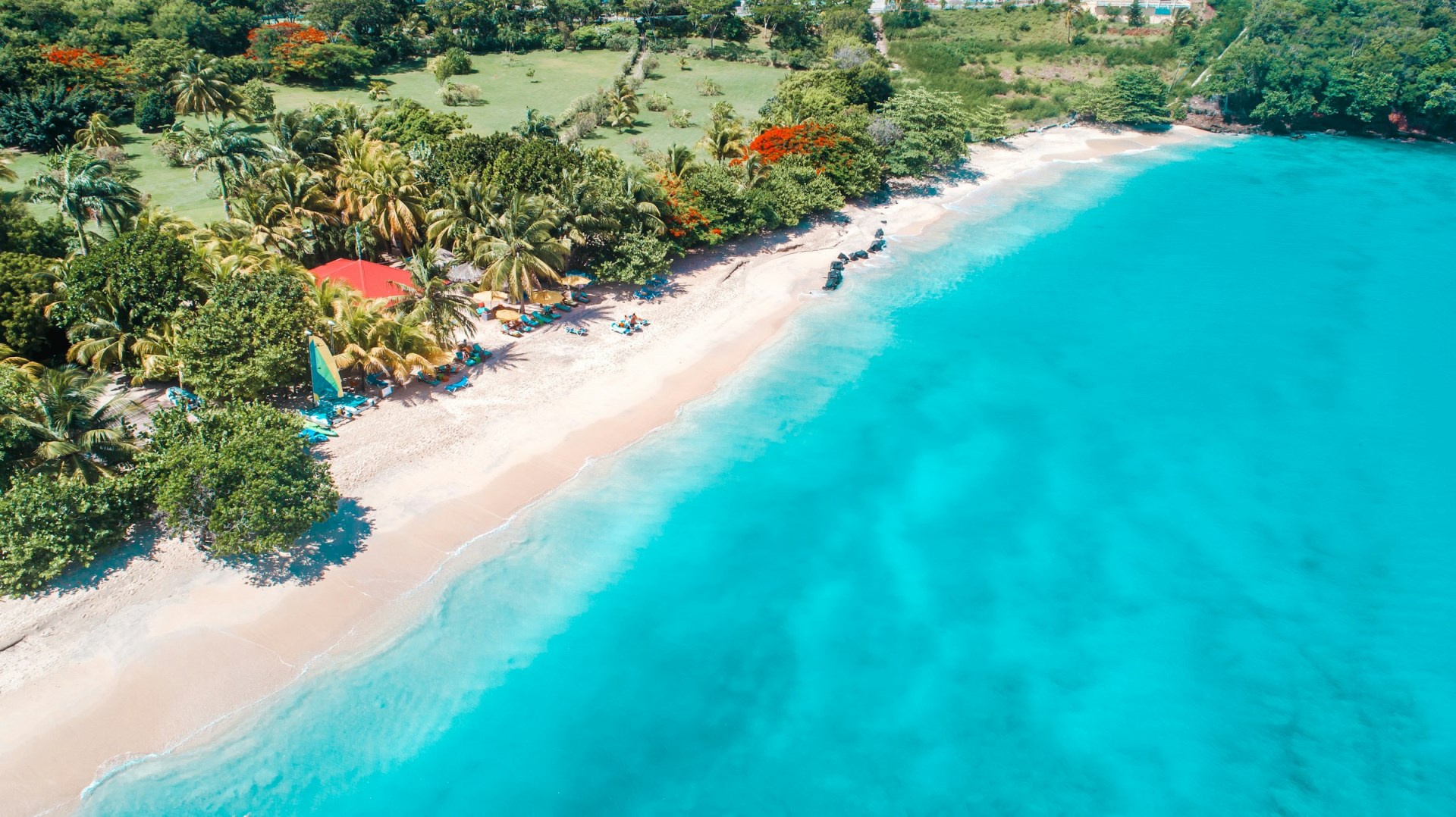
Morne Rouge Bay is a sheltered beach on Grenada’s southwestern coast, just south of Grand Anse and near the community of Morne Rouge. The bay curves around a small, protected stretch of pale sand, with calm Caribbean water and green hills surrounding the shoreline. Its sheltered position generally produces gentler conditions than Grenada’s more exposed Atlantic coast, making the bay suitable for swimming and paddling.
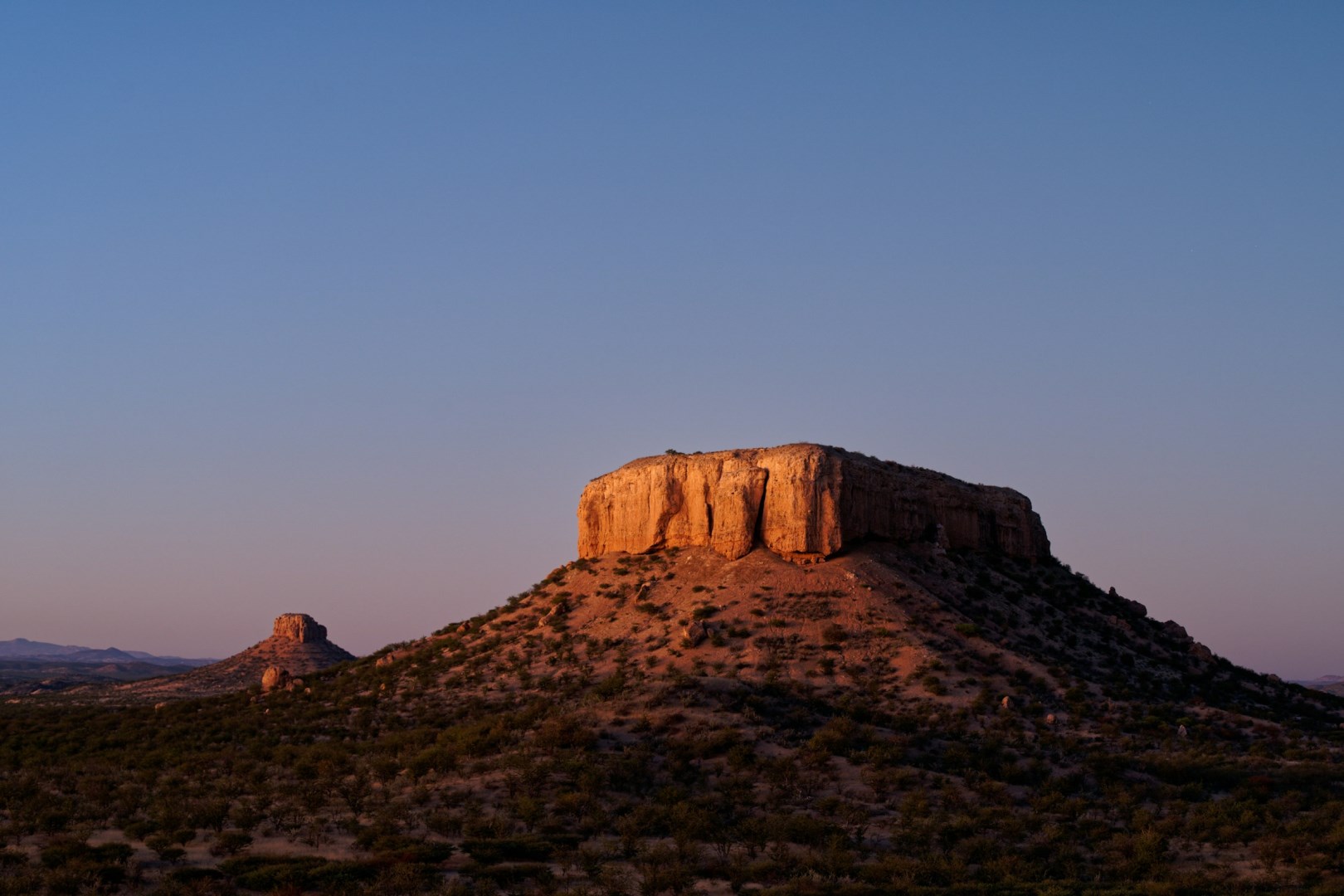
Outjo
Outjo is a small town in Namibia’s Kunene Region and an important stop on the route toward Etosha National Park and the dry landscapes of Damaraland. It sits among low hills and open bushveld, with the town serving as a practical center for travelers, local residents, and nearby farming communities. Its location makes it a useful base for exploring the southern part of Etosha, while roads from Outjo also lead toward Khorixas and Kamanjab.
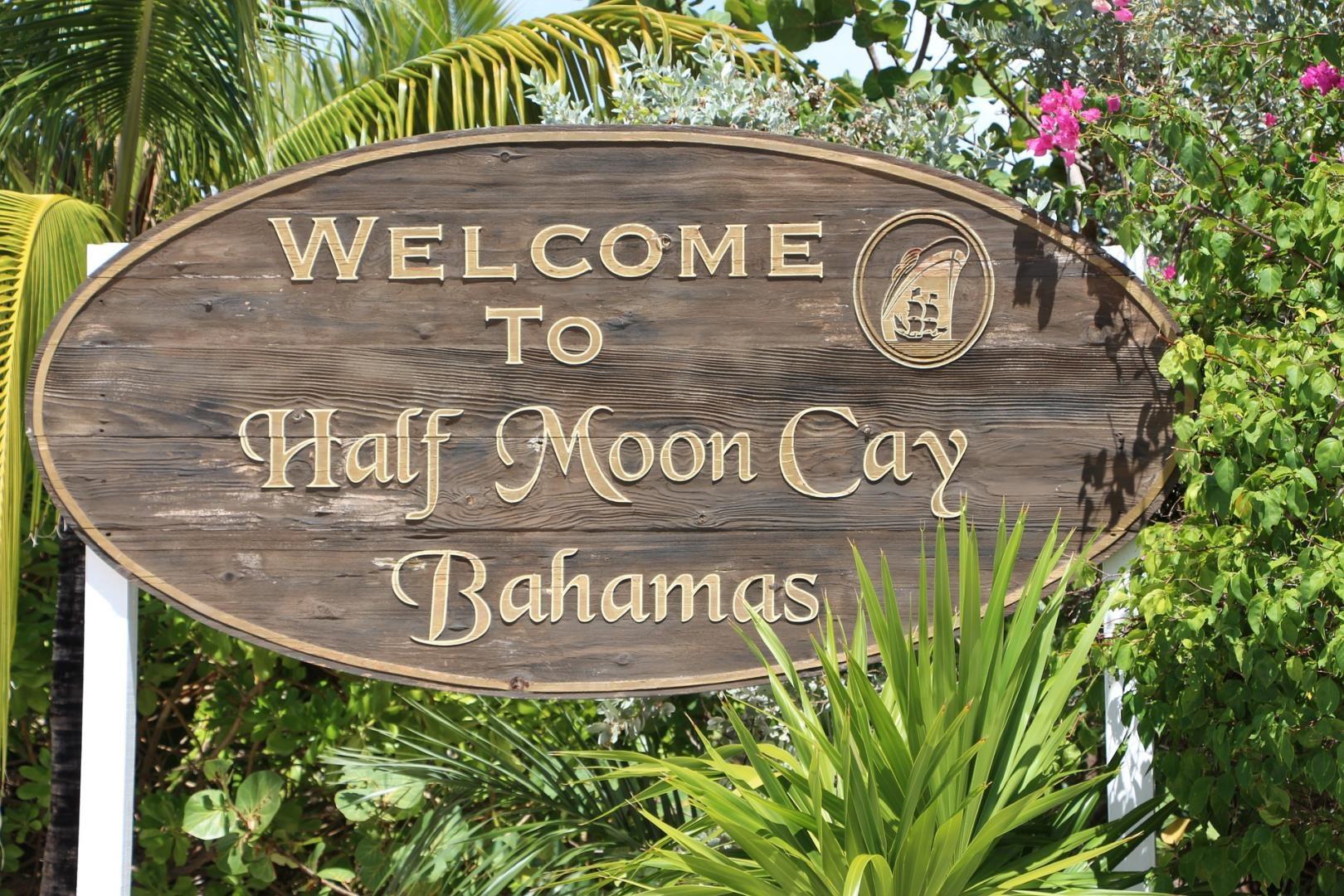
Half Moon Cay
Half Moon Cay, also known as Little San Salvador Island, is a private island in the Bahamas that offers an escape into turquoise waters and soft, powdery sands. Surrounded by shallow lagoons and vibrant coral reefs, the island is framed by a sweeping crescent-shaped beach that stretches for miles, making it a striking destination for those arriving by cruise or private yacht. Its calm waters and gentle tides create ideal conditions for swimming, snorkeling, and exploring marine life.