Perched high on a rugged hill, Neuschwanstein offers breathtaking views of the surrounding landscape, including the shimmering Alpsee and the dense forests that cloak the region. A visit to Schwangau isn't complete without exploring this iconic landmark, where the opulence of King Ludwig II's vision comes to life in every ornate detail.
Merida was once the sprawling capital of the Mayan empire and the center of their universe. Merida is now the center of a cosmopolitan universe, built on Mayan heritage, and given a unique twist by French and Mediterranean immigrants. Days are spent exploring the city's many museums and equally fascinating shopping districts. At night, local music can be heard from just about every park in the city, inviting newcomers to enjoy a romantic and fun-filled evening.
Cardiff, the capital of Wales, is a city brimming with history, culture, and modern vibrancy. At the heart of its historic charm stands the Cardiff Castle, a magnificent structure that dates back to Roman times and has been a centerpiece of Welsh history for centuries. Explore the castle’s stunning medieval architecture and lavish interiors, or take a walk around the castle grounds, which offer picturesque views of the city skyline.
Trapani, located on the western coast of Sicily, Italy, is a captivating destination nestled between the Tyrrhenian Sea and the Strait of Sicily, providing stunning sea views and easy access to the Aegadian Islands. Known for its scenic harbor, Trapani has been a significant port since ancient times, serving as a key center for trade and culture as well as an ideal base for exploring the surrounding area.
Narvik’s most striking features is its natural setting. The town sits between steep fjords and rugged mountains, making it one of the few places in Norway where visitors can ski with ocean views. Narvikfjellet, the local mountain resort, operates in both winter and summer. During the colder months, it's popular for alpine skiing and northern lights viewing; in summer, the gondola runs for hikers and photographers eager to take in views of the Ofotfjord from the summit.
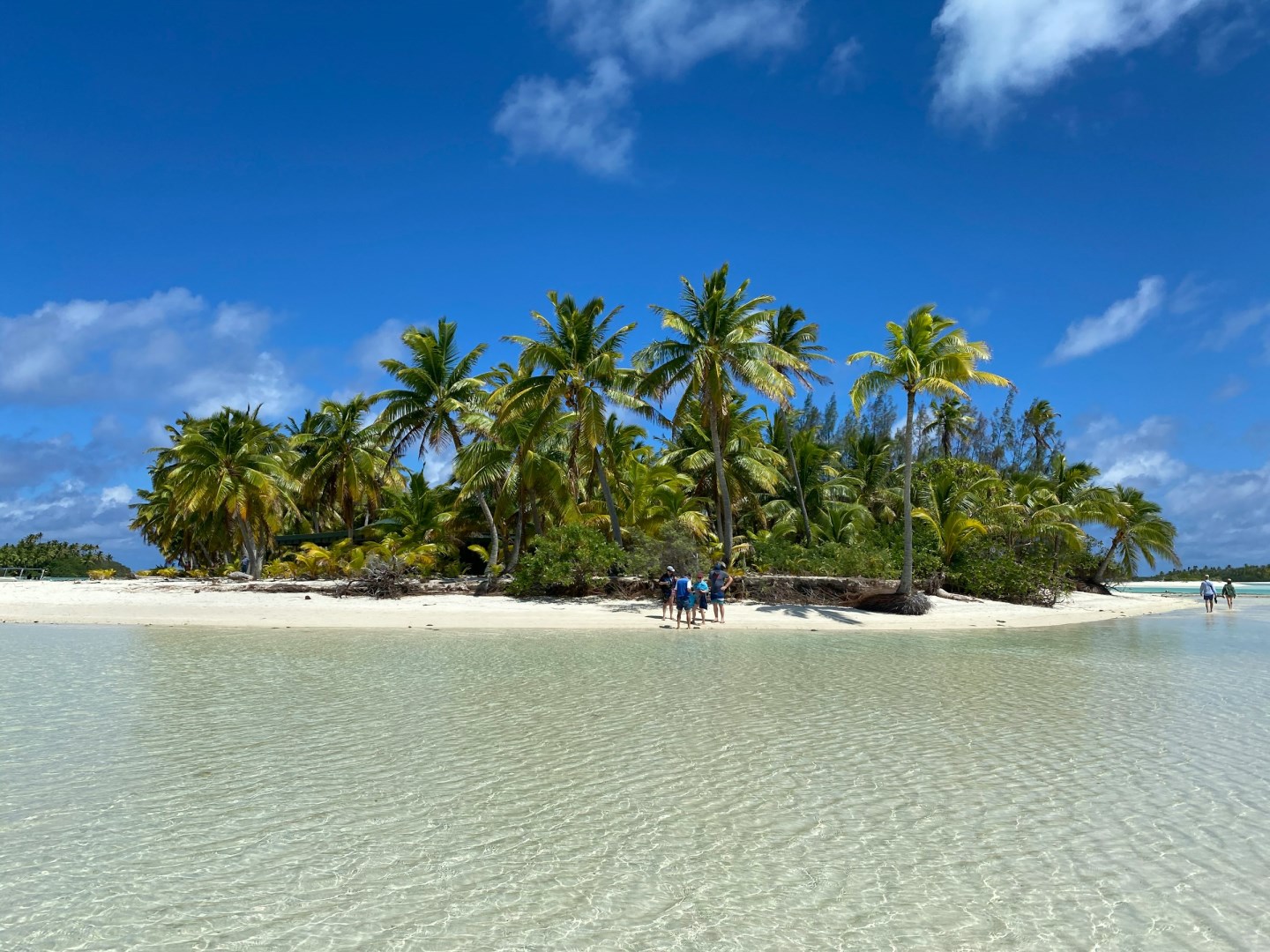
A visit to the Cook Islands is not complete without seeing the beautiful island of Aitutaki, 220 km north of Rarotonga and less than an hours flight away. Aitutaki is the second most visited of the magical Cook Islands and is recommended as a "must see" extension of any Rarotonga holiday. Day trips are also popular.
Partly volcanic and (in parts) of atoll origin, its highest hill, Maungapu (124 meters) is said to be the top of Rarotonga's Raemaru Peak brought back by victorious Aitutaki warriors. Its large and spectacular lagoon (45 kms round) teems with colored fish of many varieties and many small and charming uninhabited islands (motus), are sprinkled along the fringes of the outer lagoon. This is a place of great natural beauty and tranquility, where crystal clear waters and
swaying palms provide a simple tonic to sooth away the pressures of the outside world.
With the arrival of Reverend John Williams, Aitutaki became the first island to receive Christianity back in 1821. The first Polynesian explorer was Ru from Raiatea in the Society Islands, while Captain William Bligh of "Bounty" fame is credited with being the first European to sight the island in 1789. Aitutaki was also a favorite stop for whalers in the 1950's and in 1888 the British flag was raised and Aitutaki and Rarotonga were included in the boundaries of New Zealand.