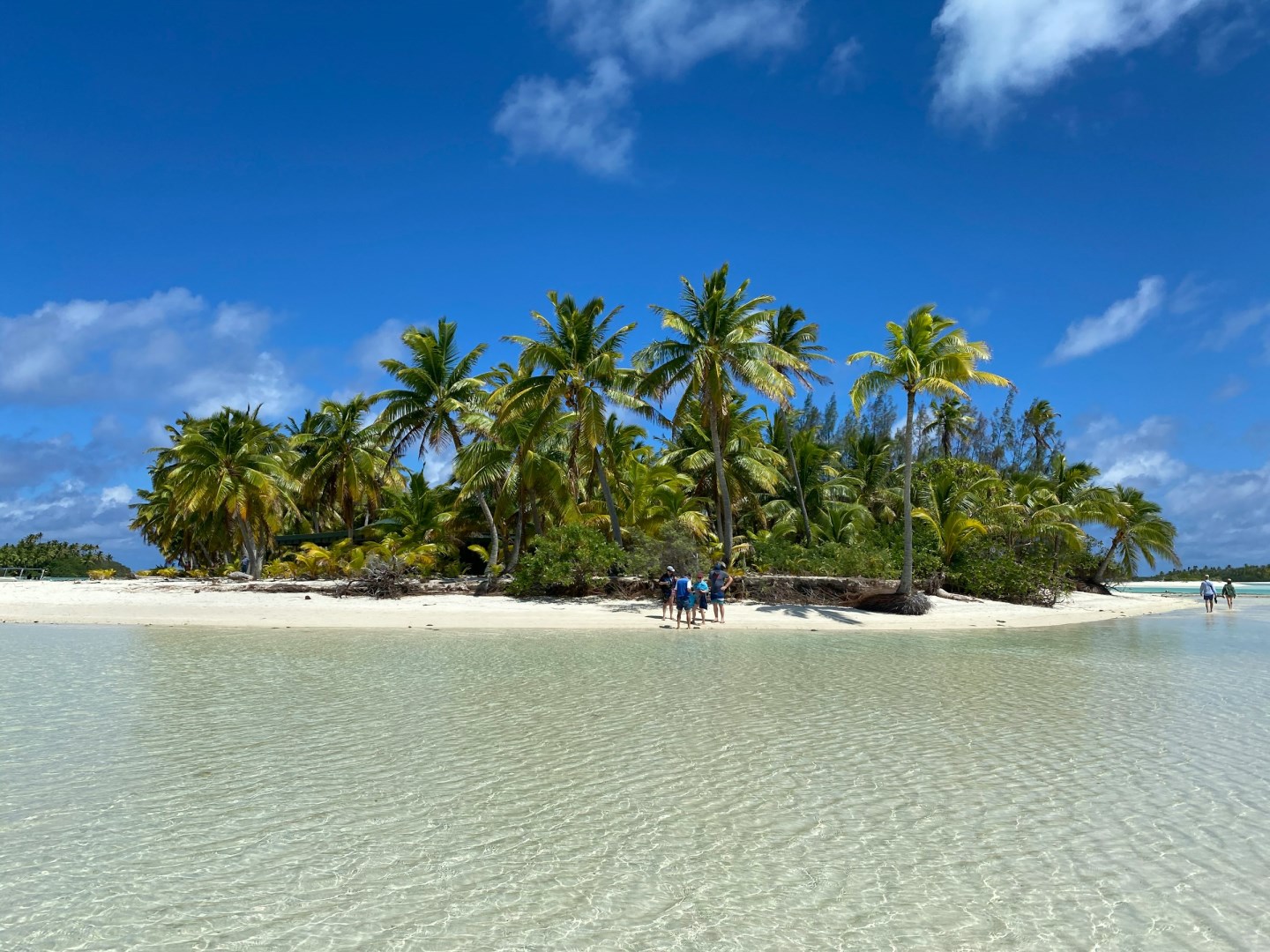
Vaduz
Nestled between Switzerland and Austria, Vaduz, the capital of Liechtenstein, is a charming alpine destination with a blend of modern culture and medieval history. Overlooked by the stunning Vaduz Castle, the official residence of the reigning prince, this small yet vibrant city offers breathtaking views of the Rhine Valley and surrounding mountains
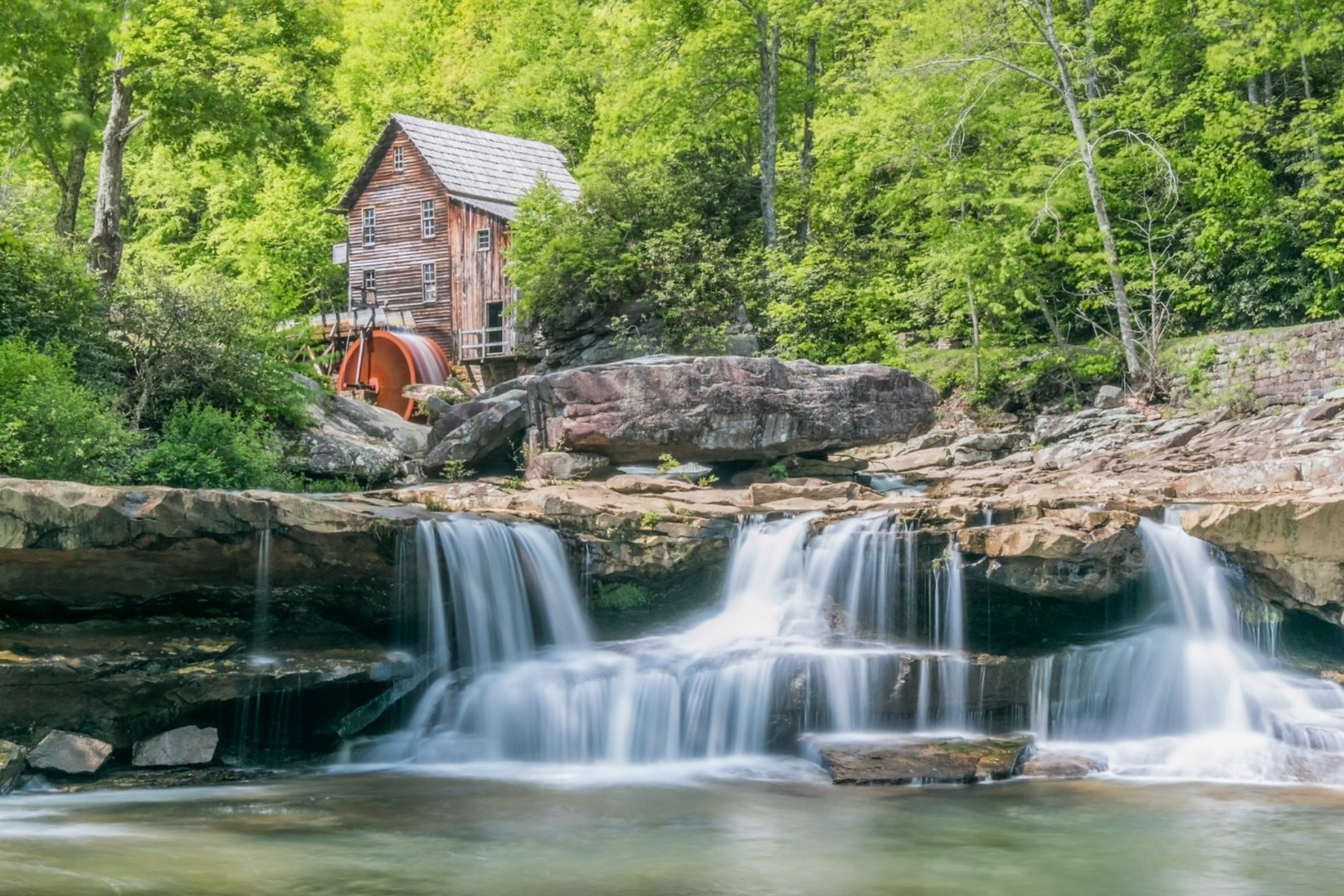
West Virginia
West Virginia offers a travel experience shaped by mountain traditions, surprising culinary finds, and deep historical roots. Today, towns like Harpers Ferry preserve that legacy. Perched at the confluence of the Potomac and Shenandoah rivers, Harpers Ferry feels like a living museum with 19th-century buildings, historical reenactments, and trails that lead directly into the Appalachian Mountains.
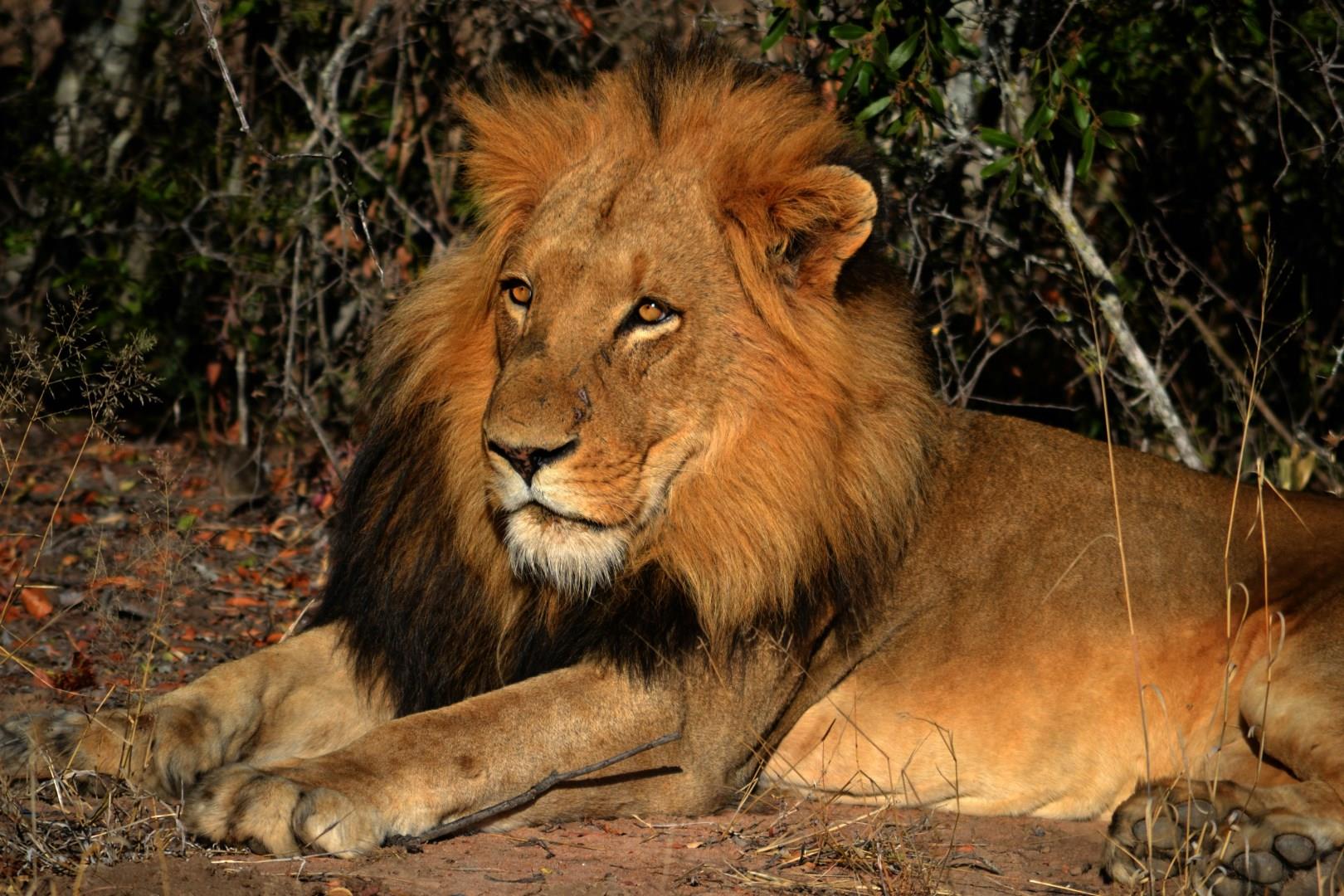
Kapama Private Game Reserve
Kapama Private Game Reserve is a vast wildlife sanctuary located in South Africa’s Limpopo province, bordering the greater Kruger region. Spanning more than 13,000 hectares, the reserve plays an important role in conservation while offering visitors an immersive experience in one of Africa’s most celebrated ecosystems.
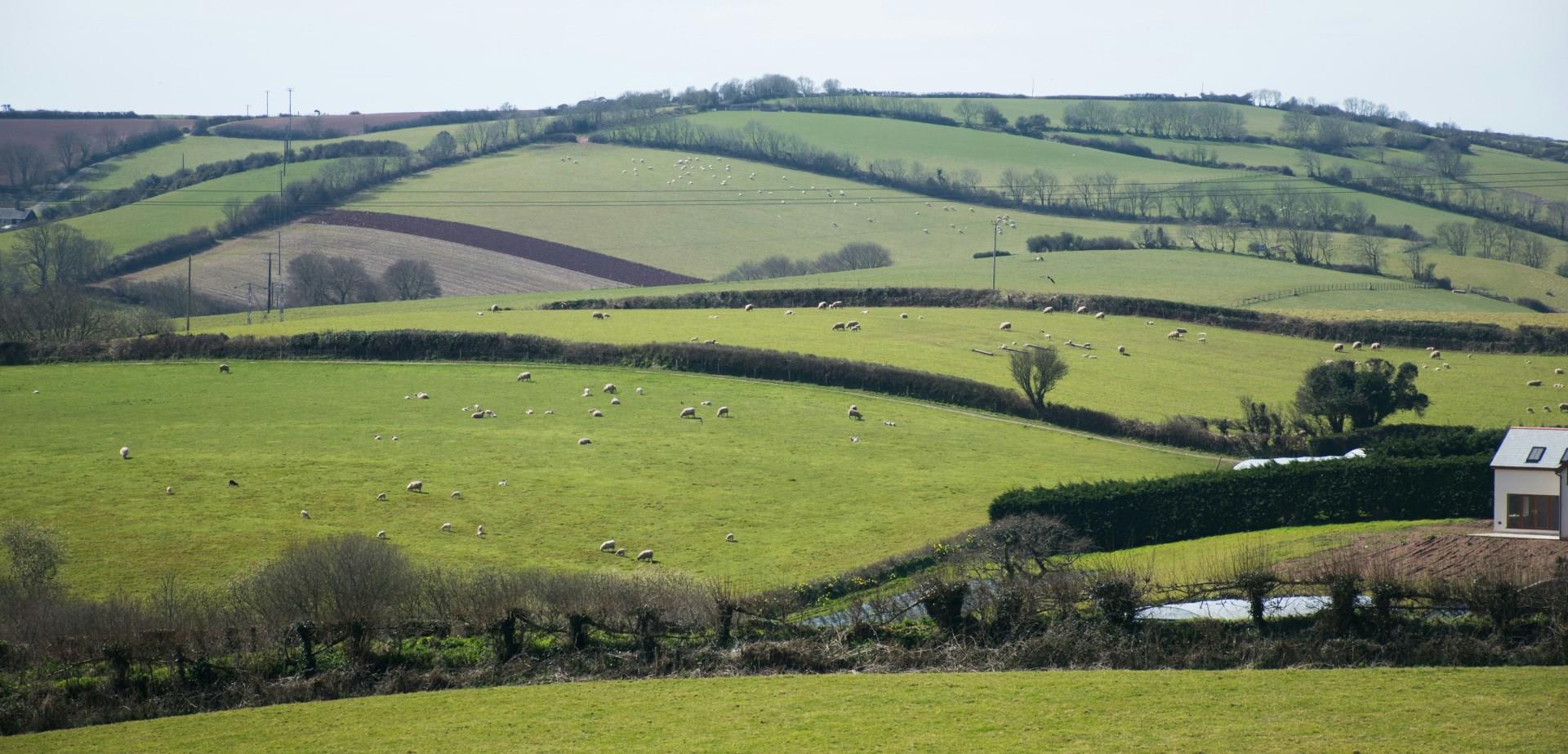
Devon
Devon occupies England’s southwest peninsula, a county shaped by seafaring, farming, and long continuity of settlement. Its history stretches from prehistoric sites on Dartmoor through Roman roads and medieval ports to towns that grew wealthy on trade and shipbuilding.
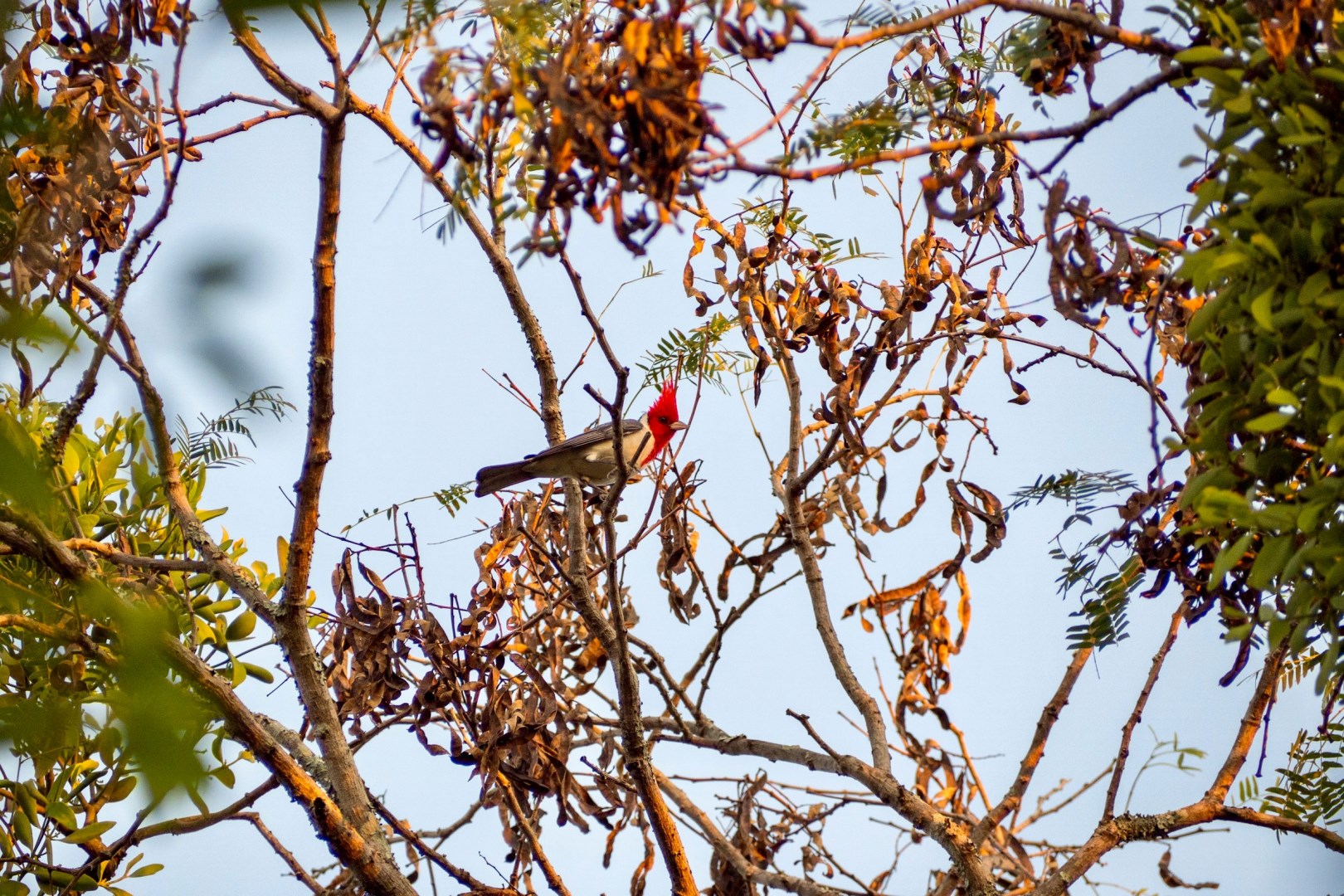
Paraguay
Paraguay is a country that moves to its own rhythm. Landlocked and often overlooked, it’s one of South America’s most culturally distinct destinations. With two official languages, Spanish and Guaraní, and a strong Indigenous heritage, Paraguay offers a travel experience shaped more by tradition than by trend. For travelers drawn to wild, open landscapes, Paraguay offers two distinct ecosystems: the lush, river-fed east and the remote, dry Chaco in the west.