Monte Albán
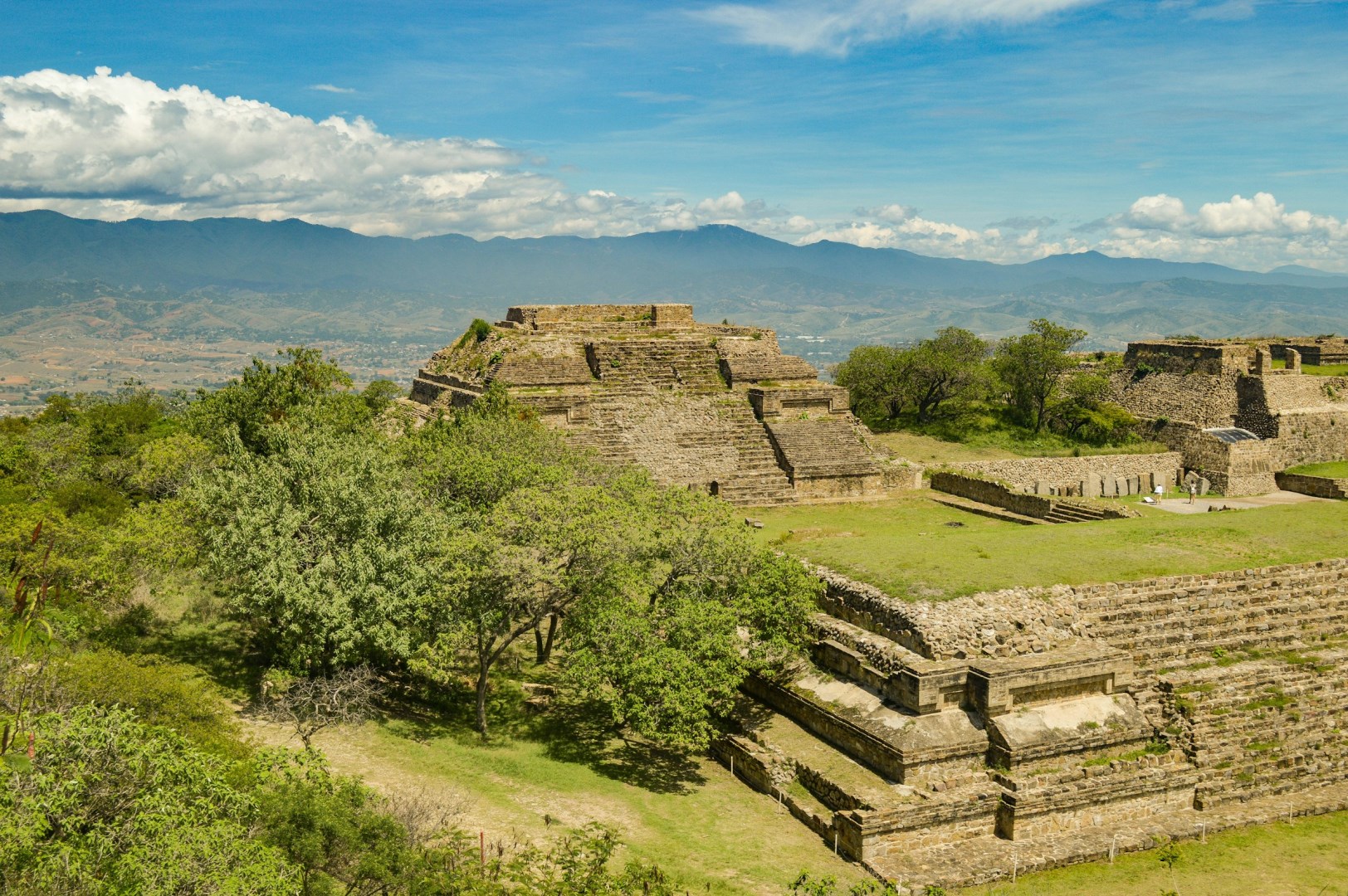
Over a hilltop flattened into a plateau, Monte Albán, the oldest city in mesoamerica, raise it's sacred architecture; holy harmony that eludes elementary symmetry and gives birth to amazing combination of masse and spaces revealing the enormous forces of a spirit whose an coincides with the idea of a perfect universe.

Jost van Dyke
One of the four islands that make up the British Virgin Islands, Jost van Dyke is a Caribbean paradise known for its white sand beaches, turquoise sea pools, and marinas filled with yachts.
Sydney, Nova Scotia
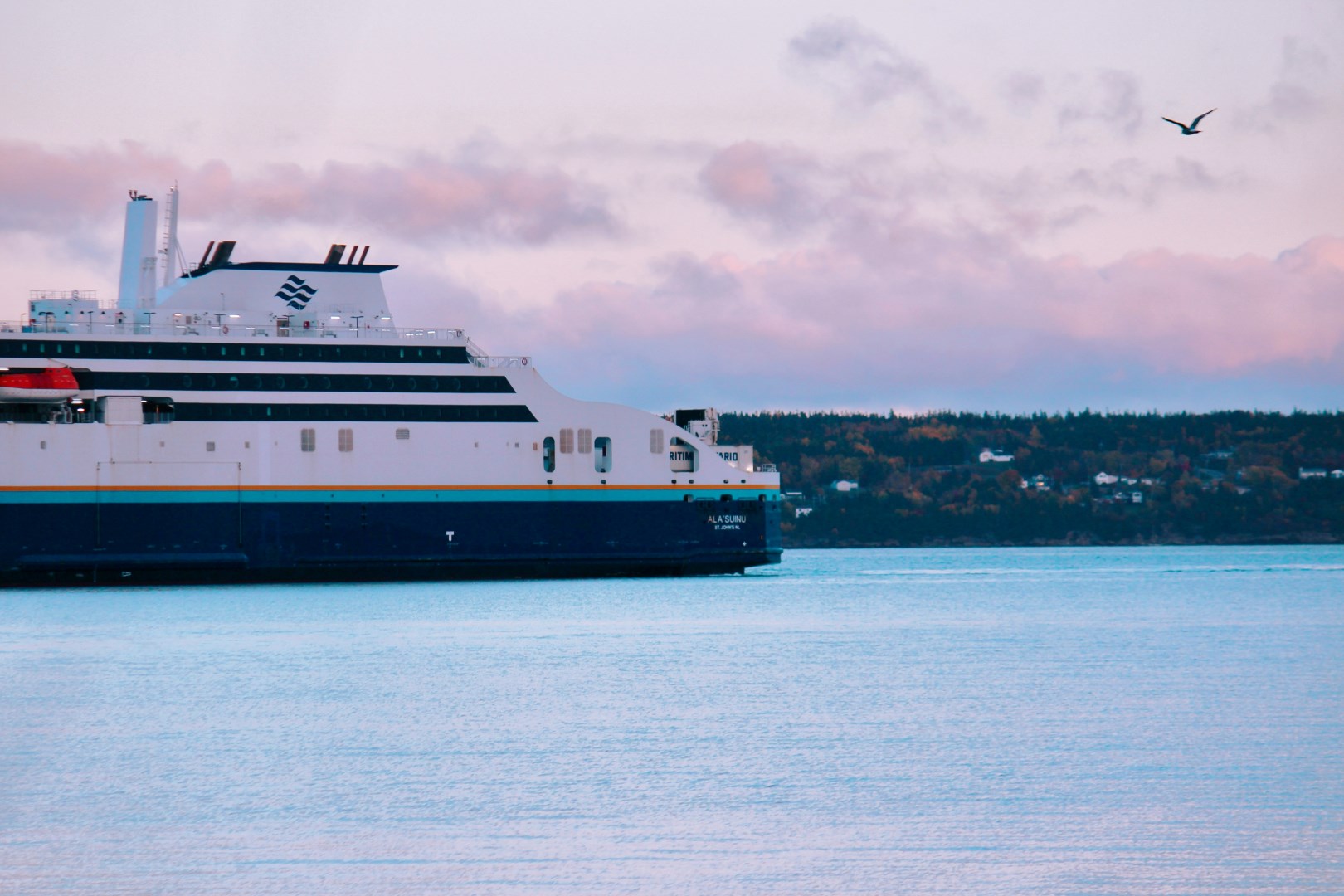
Situated on the eastern edge of Cape Breton Island, Sydney in Nova Scotia welcomes visitors with a strong connection to the sea and a deep-rooted cultural identity. The city’s waterfront is a natural gathering place, where boardwalks stretch along the harbor and offer views of fishing boats, cruise ships, and open water. One of its most recognizable landmarks is the world’s largest fiddle, a towering tribute to the region’s musical traditions.

Bwindi Impenetrable National Park
Bwindi Impenetrable National Park, located in southwestern Uganda, is one of Africa’s most extraordinary natural treasures. Its dense rainforest, often draped in mist, shelters a wealth of biodiversity and has been recognized as a UNESCO World Heritage Site for both its ecological significance and natural beauty. This ancient forest is among the few places on earth where travelers can come face-to-face with mountain gorillas in their natural habitat.
Perros-Guirec
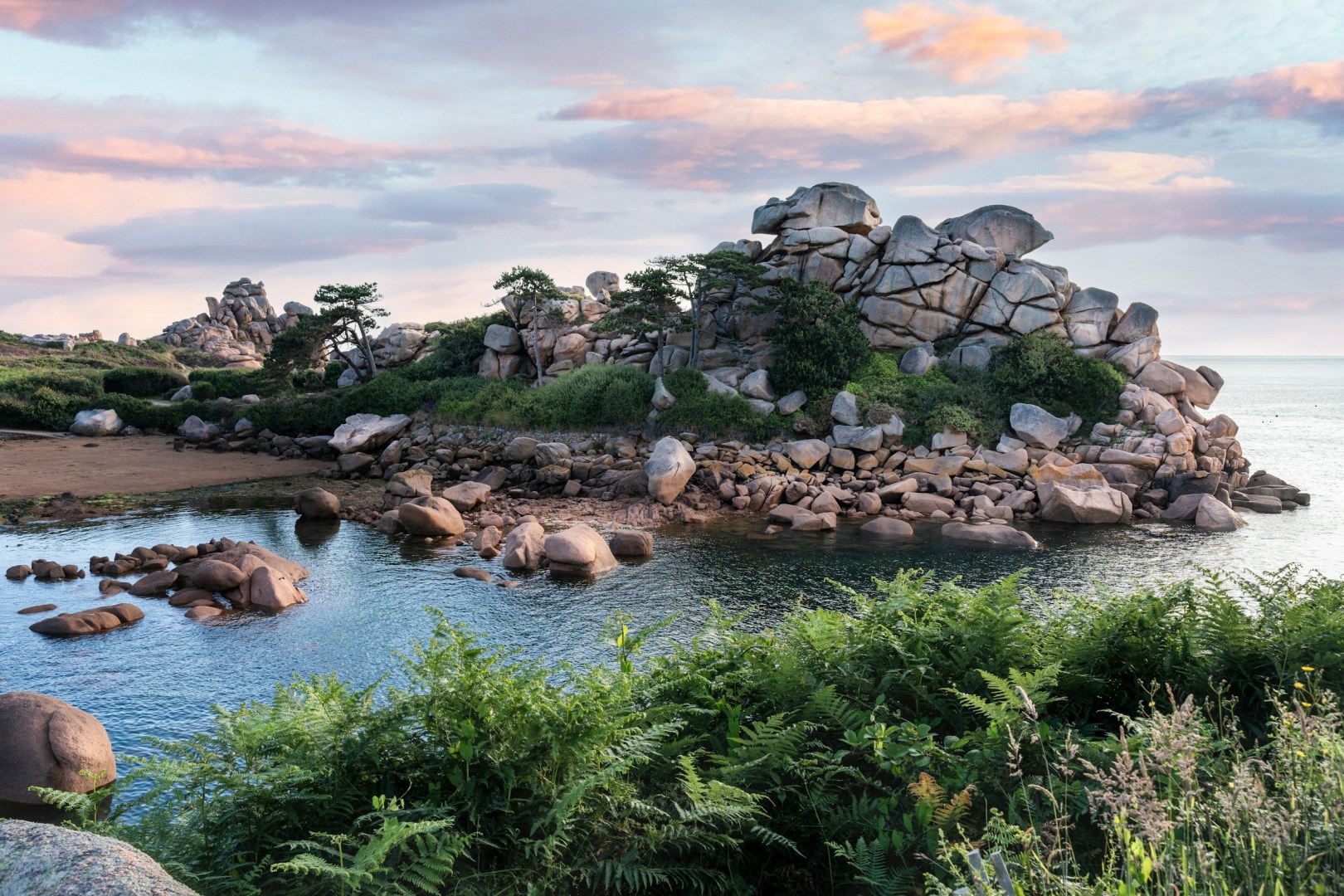
Saint Guirec was a Gallic monk who evangelized Perros Guirec in the 6th century. Known primarily as a health and tourist resort, Perros-Guirec is set on the stunning pink granite coast. Explore Trestraou Beach with its fabulous pink rock formation or the beach of Ploumanac'h where St.Guirec is buried. Perros-Guirec also is host to one of the main bird reserves.